
Organic vs Commercial Puppy Food: Pros and Cons
Let me start by saying this—I’ve seen the confusion in puppy owners’ eyes more times than I can count. Organic vs commercial puppy food? It’s a question that digs deeper than just labels on bags because it touches on trust, health, costs, and yes, even convenience. Here’s what surprised me when I first wrestled with this choice: it’s not just about what’s “better” on paper, but how all the pieces fit into your real, often chaotic, puppy life.
What Are the Main Differences Between Organic and Commercial Puppy Food?
Organic puppy food is made from ingredients grown without synthetic pesticides, hormones, or antibiotics, focusing on natural sourcing. Commercial puppy food, while sometimes using quality ingredients, often contains preservatives, fillers, and additives designed for longer shelf life and cost efficiency.
Is Organic Puppy Food Better for My Puppy’s Health?
For many pups, organic food can reduce exposure to potentially harmful chemicals and allergens, which may lead to better digestion and overall wellness. However, “better” can be misleading—it depends on ingredient quality, puppy sensitivities, and consistency in feeding habits.
Why Does Food Storage Matter When Choosing Between Organic and Commercial Puppy Food?
This is where things quietly go wrong. Organic food often has fewer preservatives, meaning it can spoil faster if not stored properly. Efficient, airtight storage solutions are essential to keep the food fresh and safe—something most new puppy parents overlook until spoilage sets in.
BarkBox - Monthly Dog Subscription Box
Get your puppy the best toys and treats delivered monthly! BarkBox offers premium dog toys, treats, and chews that are perfect for growing puppies. Each box is curated by experts and includes 2 toys, 2 bags of treats, and a chew.
Amazon Puppy Essentials
Everything you need for your new puppy in one place. From crates and beds to food bowls and training pads, Amazon has all the essentials at great prices with fast shipping.
Balancing Cost and Quality: What You Need to Know
Organic puppy food will usually cost more—that’s true. But what many don’t realize is that with commercial food, hidden costs can pile up: vet visits due to allergies, more health problems, or even just the hassle of switching foods. Think of it as investing in your puppy’s health over time, not just picking the cheapest option today. Plus, organizing your puppy’s feeding area with smart storage means less waste and fewer accidental spoilages, stretching your budget further.
Practical Tips for Organizing Puppy Supplies—Food Included
Sorting through toys, leashes, grooming products, and food can quickly turn into chaos. Here’s a little secret: a dedicated storage system designed to evolve as your puppy grows makes a huge difference. Use stackable bins or containers for food—label them clearly with expiration dates—so you can grab the right bag easily and avoid the “dry, moldy surprise” lurking at the back of your pantry.
Switching between organic and commercial food? Keep the transition smooth by planning a toy rotation system that also helps manage meal times and storage. This slows down the rate at which supplies clutter your space and helps maintain a calm environment for your puppy.
Can Commercial Puppy Food Be Good Enough? Here’s What I’ve Learned
The market is flooded with options, and many commercial brands have made strides in quality. Some create balanced formulas with added supplements and no fillers. But many puppy owners miss this completely: the label alone isn’t a guarantee. You’ve got to check the ingredient list, source transparency, and, crucially, observe your puppy’s reaction over time. Food storage fits in here too—keeping commercial food sealed properly prevents nutrient loss, making even store-bought food perform better.
The Role of Feeding Habits and Consistency
This makes a bigger difference than you expect. Neither the fanciest organic kibble nor the most budget-friendly commercial brand will work if you constantly switch foods or store them poorly. Consistent feeding routines, paired with a tidy, well-organized food station—ideally one that helps keep supplies dust-free and insects out—can stabilize your puppy’s digestion and health. PuppyStorage’s approach to organizing feeding zones helps maintain this balance, reducing daily stress for both owner and pup.
Frequently Asked Questions
Can I mix organic and commercial puppy food safely?
Yes, but do it gradually, mixing small amounts over 7-10 days. Sudden changes can upset your puppy’s stomach.
How should I store organic puppy food to keep it fresh?
Use airtight containers kept in a cool, dry place. Avoid leaving bags open, and try to buy quantities that your puppy can finish within a month.
My puppy chews through storage bins—what’s a puppy-proof storage solution?
Look for hard plastic or metal bins with secure lids. Place them on shelves out of reach, or invest in lockable containers designed for pet supplies.
Is it normal for my puppy to be picky about organic food?
Sometimes, yes. Transition smoothing and maintaining consistent feeding times help. If picky eating persists, check if the formula suits your pup’s tastes and nutritional needs.
How do I avoid clutter in a tiny apartment with a growing puppy?
Prioritize vertical storage and multifunctional furniture. Rotating toys and supplies, while storing the extras, keeps your space neat and your puppy engaged.
Should I keep open bags of commercial and organic food separate?
Absolutely. Cross-contamination can happen. Also, different foods have different shelf lives and storage needs. Separate containers help keep everything fresh.
What’s a realistic daily routine for managing puppy food and supplies?
Set up a feeding station near storage so you grab, serve, and clean up without scattering supplies everywhere. Consistency in timing and storage cuts down stress.
If these questions resonate, you’ll find more on Health and Care that digs deeper into setting up your space and routine for success.
How Evolving Storage Systems Help Throughout Puppy Stages
Your puppy won’t stay a puppy forever—that’s a blessing and a challenge. What works for a chubby little 8-week-old might not cut it for an active six-month-old who chews everything in sight. Storage systems that evolve—think adjustable shelves, bins that double up, or modular organizers—save you from having to completely reinvent the wheel every few months. This reduces clutter and helps maintain a calmer environment that’s crucial for training and growth.
Description of Quality Control and Ingredient Transparency
Brands differ wildly in how transparent they are about ingredient sourcing. I’ve seen labels that say “organic” but tend to gloss over where and how ingredients are farmed. When choosing food, consider brands that publish detailed sourcing info and third-party testing results. This ensures you’re not just paying for buzzwords but actual quality—which ultimately means you spend less time scrambling with vet visits or switch-ups. And storage? Keeping these premium ingredients fresh preserves the benefits.
Real Life: Avoiding the Food Storage Nightmare
Picture this: You buy a big bag of expensive organic puppy food. It gets tossed in a cabinet, halfway open. A week later, the food smells off; your puppy refuses to eat it. You scramble for commercial backups. Frustration looms, and that’s when things get stressful. Investing in simple, stackable storage boxes with clear labels and a habit of sealing bags right away stops this scenario dead in its tracks. It’s a tiny habit that saves you money, frustration, and keeps feeding time smooth.
Final Thoughts from Someone Who’s Been There
Organic vs commercial puppy food isn’t a black-or-white answer. It’s a decision wrapped up in your puppy’s unique needs, your budget, and your daily routines. What matters? Observing your puppy closely, investing in proper storage, and building systems that keep supplies organized and accessible. Doing these things flips the script from a hectic, stressful feeding experience to one that supports your pup’s health and your sanity.
At the end of the day, feeding and caring for your puppy is way more than picking the right bag off the shelf—it’s about setting up an environment where both of you can thrive. That’s a win worth chasing.

Now retrieving an image set.
Earth Rated Poop Bags for Dogs, Guaranteed Leak Proof and Extra Thick Waste Bag Refill Rolls, Lavender Scented, 270 Bags
$13.99 (as of April 9, 2026 21:39 GMT -05:00 - More infoProduct prices and availability are accurate as of the date/time indicated and are subject to change. Any price and availability information displayed on [relevant Amazon Site(s), as applicable] at the time of purchase will apply to the purchase of this product.)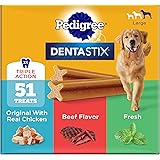
Now retrieving an image set.
Pedigree Dentastix Large Dog Treats, Original, Beef & Fresh, 2.73 lb. Variety Pack (51 Treats Total)
$23.98 (as of April 9, 2026 21:39 GMT -05:00 - More infoProduct prices and availability are accurate as of the date/time indicated and are subject to change. Any price and availability information displayed on [relevant Amazon Site(s), as applicable] at the time of purchase will apply to the purchase of this product.)
Now retrieving an image set.
ARM & HAMMER Clump & Seal SLIDE Platinum Multi-Cat Clumping Cat Litter, Easy Clean Technology with No Scrubbing, 14-Day Odor Control, 18 lbs
$20.03 (as of April 9, 2026 21:39 GMT -05:00 - More infoProduct prices and availability are accurate as of the date/time indicated and are subject to change. Any price and availability information displayed on [relevant Amazon Site(s), as applicable] at the time of purchase will apply to the purchase of this product.)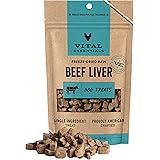
Now retrieving an image set.
Vital Essentials Freeze Dried Dog Treats | Beef Liver, Single Ingredient | Premium Quality | Grain Free Training Treats for Dogs, 2.1 oz Bag
$5.99 (as of April 9, 2026 21:39 GMT -05:00 - More infoProduct prices and availability are accurate as of the date/time indicated and are subject to change. Any price and availability information displayed on [relevant Amazon Site(s), as applicable] at the time of purchase will apply to the purchase of this product.)
Now retrieving an image set.