
When Should Puppies Take Vitamins?
I get it—there’s this mix of excitement and worry when you’re watching your new puppy eagerly devour their food but then wonder, “Should I be giving them vitamins too? And if so, when?” I’ve seen more than a few new puppy parents overthink this, stacking supplements without a clear plan or advice from their vet. Here’s what surprised me—giving vitamins at the wrong time or without real need can cause more headaches than health benefits. So let’s get into when puppies actually need vitamins, how to tackle it practically, and how to keep your puppy’s space and supplies just as organized as their health plan.
When Should Puppies Take Vitamins?
Puppies generally don’t need vitamins if they’re eating a high-quality, balanced puppy food formulated to provide all essential nutrients. Vitamins should only be introduced if a vet identifies a clear deficiency or health concern that diet alone isn’t fixing. Starting vitamins without guidance can lead to imbalances or even toxicity.
What Are Common Signs That a Puppy Might Need Vitamins?
If a puppy’s coat looks dull, they have low energy, slow growth, or digestive issues, a vitamin or mineral deficiency might be the problem. However, these signs always warrant a vet visit before jumping into supplements—sometimes the root cause isn’t nutritional at all.
Related to Vitamins: Organizing Puppy Supplies for Better Routine
Managing supplements is a part of the bigger picture of puppy care. One frustration I ran into early was how vitamins and other health supplies got lost in a mountain of toys and kibble bags. Here’s what changed the game—a simple, clear puppy storage system with dedicated space for health-related items. Once vitamins had a specific drawer or container, tracking daily doses became headache-free, and it was part of a broader effort to reduce clutter. It makes a bigger difference than you expect, especially when managing multiple supplements or meds.
BarkBox - Monthly Dog Subscription Box
Get your puppy the best toys and treats delivered monthly! BarkBox offers premium dog toys, treats, and chews that are perfect for growing puppies. Each box is curated by experts and includes 2 toys, 2 bags of treats, and a chew.
Amazon Puppy Essentials
Everything you need for your new puppy in one place. From crates and beds to food bowls and training pads, Amazon has all the essentials at great prices with fast shipping.
How to Integrate Vitamin Giving into Your Puppy’s Daily Routine
The best time to give vitamins—when needed—is during feeding, to avoid stomach upset and help absorption. I found that keeping vitamins near the food storage area, within a PuppyStorage drawer or caddy, means I never forgot doses amidst the morning rush. Pairing that with a simple checklist stuck to the fridge saved me from missing days, which is where things quietly go wrong with supplements.
Food Storage and Its Role in Puppy Health and Supplements
Good nutrition starts with how you store food. Freshness matters, and it impacts how well vitamins and nutrients in food work. I used to keep kibble in open bags until I noticed it went stale fast, which made me question the value of adding vitamins if the base food was compromised. Switching to airtight PuppyStorage containers not only preserved food quality but streamlined my feeding setup, making it easier to mix any recommended supplements directly into their meals.
Adjusting Storage Systems as Your Puppy Grows
Watching a puppy grow means everything evolves—from meal sizes and types of toys to health needs. My storage setup had to evolve too. Early on, I kept vitamins and puppy meds in a small box along with teething toys and bedding. By 6 months, I expanded to include joint supplements and switched half of the food storage to adult formulas. The storage method grows with your puppy, creating an efficient environment that supports a healthy and happy dog at every stage.
Frequently Asked Questions
Can puppies take vitamins every day?
Only if your vet recommends it based on a diagnosed need. Routine vitamins aren’t necessary for healthy puppies eating complete food.
How should I store puppy vitamins and supplements?
Store them in a cool, dry place—ideally in a designated drawer or container like those from PuppyStorage.com to avoid losing track and to protect the supplements.
What if my puppy refuses to take vitamins?
Try mixing them into their food or using tasty treat pouches designed for supplement delivery. If refusal continues, talk to your vet about alternatives.
Are natural or organic vitamins better for puppies?
Not necessarily. The quality and dosage matter more than the label. A vet’s recommendation is the safest guide.
How do I remember to give multiple supplements daily?
A simple checklist near your supply zone works wonders. I use a small magnetic notepad on my puppy’s food storage container—keeps me honest and organized.
Should I keep vitamins and toys together?
Not really. It’s best to separate health supplies from playthings to prevent cross-contamination and ease finding what you need quickly.
How does proper storage impact my puppy’s health?
Proper storage preserves the potency of food and supplements and keeps the environment cleaner, reducing stress and health risks for your puppy.
If you want more on balancing nutrition and daily care with smart organization, check out my detailed guide on Health and Care.
At the end of the day, knowing when your puppy should take vitamins comes down to observation, vet advice, and smoothing out your routine with smarter storage and organization. Being proactive without overdoing it has been the approach that turned care from stressful to straightforward. You’ll feel a quiet relief when you see your pup thriving—not because more vitamins or supplements were added, but because care became efficient and intentional. Now that’s something worth aiming for.
Now retrieving an image set.
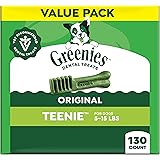
Greenies Veterinarian-Recommended Adult Natural Dental Dog Treats Teenie Size, Dog Dental Chews, Original Flavor, 36 oz. Pack, 130 Count
$36.97 (as of April 9, 2026 21:39 GMT -05:00 - More infoProduct prices and availability are accurate as of the date/time indicated and are subject to change. Any price and availability information displayed on [relevant Amazon Site(s), as applicable] at the time of purchase will apply to the purchase of this product.)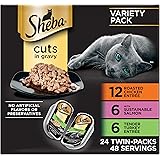
Now retrieving an image set.
Sheba Perfect Portions Wet Cat Food Cuts in Gravy, Cat Food Wet Recipe, Roasted Chicken Entree, with Sustainable Salmon, Tender Turkey Entree, 2.6 oz. Twin-Pack Trays (24 Count, 48 Servings)
$23.38 (as of April 9, 2026 21:39 GMT -05:00 - More infoProduct prices and availability are accurate as of the date/time indicated and are subject to change. Any price and availability information displayed on [relevant Amazon Site(s), as applicable] at the time of purchase will apply to the purchase of this product.)
Now retrieving an image set.
INABA Churu Cat Treats, Grain-Free, Lickable, Squeezable Creamy Purée Cat Treat/Topper with Vitamin E & Taurine, 0.5 Ounces Each Tube, 50 Tubes, Tuna & Chicken Variety
$32.99 (as of April 9, 2026 21:39 GMT -05:00 - More infoProduct prices and availability are accurate as of the date/time indicated and are subject to change. Any price and availability information displayed on [relevant Amazon Site(s), as applicable] at the time of purchase will apply to the purchase of this product.)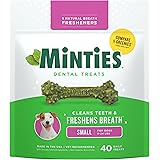
Now retrieving an image set.
Minties Dog Dental Bone Treats, Tiny/Small Dental Dog Treats, 16 Ounces, Cleans Teeth, Fight Bad Breath, Removes Plaque and Tartar, 40 Count
$9.94 (as of April 9, 2026 21:39 GMT -05:00 - More infoProduct prices and availability are accurate as of the date/time indicated and are subject to change. Any price and availability information displayed on [relevant Amazon Site(s), as applicable] at the time of purchase will apply to the purchase of this product.)
Now retrieving an image set.