Age-Appropriate Toys by Puppy Month
There’s a moment every new puppy owner hits where the mountain of toys, chews, and balls scattered across the floor feels less like fun and more like chaos. I’ve been there, watching puppies tear through a dozen toys in a week, only to lose interest just as quickly. Knowing exactly what type of toy suits a puppy’s age isn’t just a nice-to-have—it’s a game-changer. This guide on Age-Appropriate Toys by Puppy Month dives into what works best, when, and why those choices make life smoother for both you and your furry whirlwind.
What toys are best for puppies in their first 3 months?
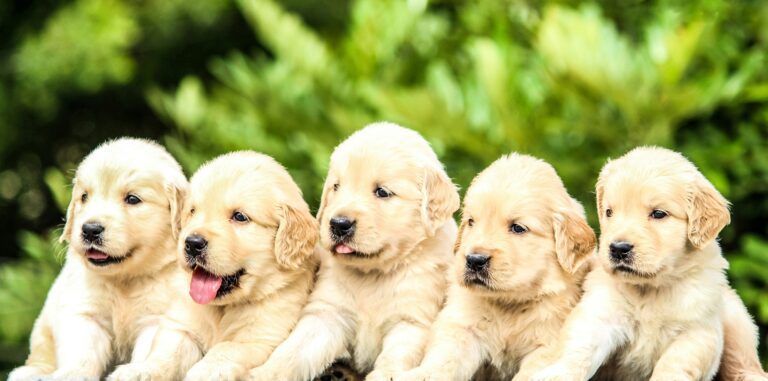
In the first three months, puppies are teething and exploring their world primarily with their mouths. Soft, chew-safe toys that soothe sore gums work best. Toys made from gentle rubber or plush materials that aren’t easily torn apart are ideal at this stage.
How do puppy toy needs change after 6 months?
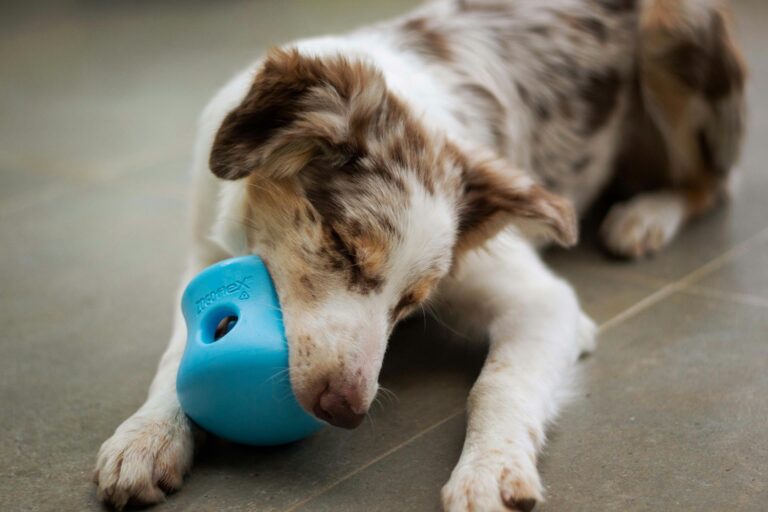
After six months, puppies start to get stronger jaws and longer attention spans. Durable chew toys like tougher rubber or treat-dispensing puzzles become a necessity, helping to channel their energy while keeping them mentally engaged.
Starting Soft: The First Three Months
Early puppy days are a whirlwind of wobbly steps and chewing on everything in sight. Plush toys with minimal stuffing became my secret weapon because they felt safe to my pup yet didn’t encourage destructive habits. Here’s what surprised me: dozens of chews labeled “durable” turned out to be brittle or too hard, and I ended up with a shredded mess and a frustrated dog. Stick to puppy-specific soft toys early on. Avoid anything heavy or abrasive, because this is when their developing teeth and gums are hypersensitive.
BarkBox - Monthly Dog Subscription Box
Get your puppy the best toys and treats delivered monthly! BarkBox offers premium dog toys, treats, and chews that are perfect for growing puppies. Each box is curated by experts and includes 2 toys, 2 bags of treats, and a chew.
Amazon Puppy Essentials
Everything you need for your new puppy in one place. From crates and beds to food bowls and training pads, Amazon has all the essentials at great prices with fast shipping.
Organizing this collection early helped me avoid frantic toy hunts every afternoon. Keeping a dedicated bin with easy access made toy rotation a breeze, so the same few toys didn’t bore my pup after a day. A system that changes regularly prevents clutter and keeps the environment fresh.
Three to Six Months: Finding Toughness and Engagement
This is where things quietly go wrong with many puppy parents. Your pup looks bigger, stronger, and suddenly those fragile toys you introduced feel like chew logs to a wood chipper. Most people miss this completely—they try pushing plush toys too far or ignoring when the puppy needs more challenge.
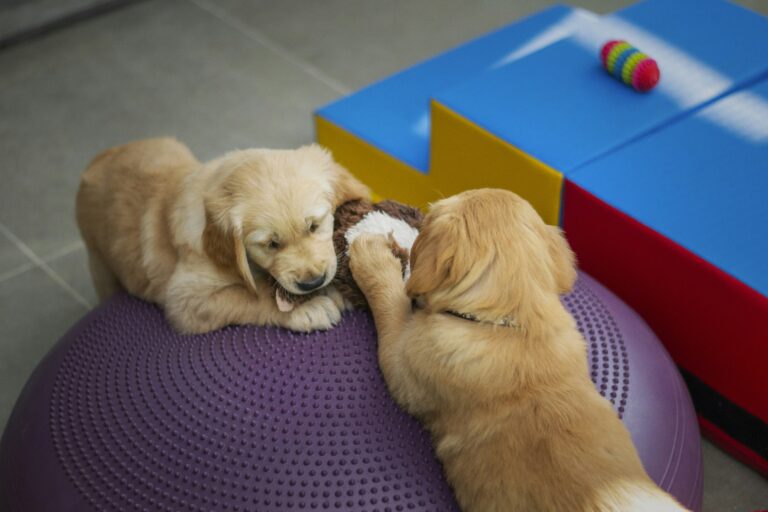
Tough chew toys and interactive treats become crucial around this time. I leaned into rubber toys that could survive serious teeth-on-teeth action and treat puzzles to fill that mental need. Rotating toys keeps it interesting, and trust me: it makes a bigger difference than you expect. The right play objects reduce destructive chewing and channel hyper energy into something constructive.
After Six Months: Keeping Up With the Energizer
Once past six months, your pup is basically a furry machine of ask-no-questions energy. It’s easy to get overwhelmed with the need for toys that endure serious abuse. Allocate space specifically for durable playthings and incorporate them into your puppy storage system. I started using stackable bins with labels that evolved as the dog aged—keeping food storage, toys, and training gear separate but accessible.
Toys that challenge problem-solving abilities or encourage independent play become invaluable. I found the puppy paid more attention and tired out faster when faced with something interactive beyond just chewing. That’s the sweet spot for toy rotation here: balance between chew satisfaction and brain stimulation.
Storage Systems That Grow With Your Puppy
As puppies grow, so does their stash of toys and supplies—it’s almost inevitable. The difference is how you organize it to keep your space tidy and puppy-proof. I developed a multi-tiered storage strategy to reduce clutter while keeping everything within reach. Early months meant soft bins for plush toys; later, heavier-duty boxes housed rugged chews and fetch toys.
PuppyStorage.com’s designs focus on modularity and adaptability, which makes rotating toys and food supplies simple without creating chaos during busy days. Dealing with the mountain of tiny stuff that comes with puppies doesn’t have to be a daily headache.
Practical Advice on Toy Rotation
Toy rotation isn’t just a buzzword—it’s a proven way to keep your puppy curious and engaged. I recommend splitting toys into small groups and swapping them out every few days. It cuts down on destruction since the pup won’t feel the need to destroy everything in sight out of boredom.
Keep some toys accessible in your rotation bins and store extras out of sight. This not only keeps playtime fresh but also simplifies daily cleanup and reduces clutter—a lifesaver for small living spaces. Having a designated place for everything invested in maintaining a puppy-friendly environment helps keep stress levels down and playtime fun.
Integrating Efficient Food Storage
Keeping dry puppy food fresh and contained is part of the bigger puppy supplies puzzle. Using airtight, stackable containers can save space and preserve food quality, which rabbits perfectly into the same storage systems used for your puppy’s toys and grooming tools.
By streamlining where and how you store both toys and food, your whole environment feels calmer—and that calmness transfers over to your pup, too. Feeding and fun places should be easy to maintain without creating extra clutter.
Frequently Asked Questions
What’s the safest toy for a teething puppy?
Soft rubber or plush toys made specifically for teething puppies are safest. Avoid anything with small parts or that shreds easily, to prevent choking hazards or digestive issues.
How do I organize all my puppy’s toys and supplies?
Using bins or drawers clearly labeled and dedicated to different categories—chew toys, plush toys, food, grooming—helps keep things neat and accessible. Rotating toys also prevents clutter buildup.
Can I use the same toys as my puppy grows?
Some toys last through all stages, but usually, your puppy’s jaw strength and interest change, requiring upgrades to tougher or more stimulating toys as they age.
Why does my puppy lose interest in toys so quickly?
Toys can become boring if always accessible. Rotating groups of toys keeps them novel and exciting, holding your pup’s attention longer.
How do I store puppy food to keep it fresh?
Airtight containers in a cool, dry place are best. Stackable containers can save space and integrate well with your toy storage, keeping all supplies organized.
What’s a simple way to reduce toy-related mess and clutter?
Establish a dedicated toy storage system with bins or baskets and stick to toy rotation schedules. Keeping only a few toys out at a time can keep your floors clear and your pup engaged.
How can I encourage independent play with my puppy?
Provide interactive or puzzle toys that reward your pup with treats or challenges. This keeps their mind occupied and reduces reliance on constant human attention.
If you want a deeper dive into building a perfect collection for your growing pup, check out Puppy Toys. It’s filled with insights that align with how your storage and play needs evolve.
There’s no magic bullet for puppy toy chaos, but with a little awareness of your pup’s changing needs and a smart approach to organizing materials, you carve out more enjoyable space for both of you. The right toy at the right time—not too tough, not too soft—makes all the difference between shredded shoes and contented chews. Keep it flexible, keep it practical, and watch your puppy’s excitement for play stay fresh. This approach doesn’t just make your home tidier, it makes your puppy’s world feel safer, more fun, and less frustrating.

Now retrieving an image set.
Earth Rated Pet Wipes for Dogs and Cats, Hypoallergenic, 3-in-1 Cleaning, Deodorizing and Hydrating, for Grooming Paws, Body and Butt, Unscented, 100 Count
$9.78 (as of April 11, 2026 21:40 GMT -05:00 - More infoProduct prices and availability are accurate as of the date/time indicated and are subject to change. Any price and availability information displayed on [relevant Amazon Site(s), as applicable] at the time of purchase will apply to the purchase of this product.)
Now retrieving an image set.
Vital Essentials Freeze Dried Dog Treats | Beef Liver, Single Ingredient | Premium Quality | Grain Free Training Treats for Dogs, 2.1 oz Bag
$5.99 (as of April 11, 2026 21:40 GMT -05:00 - More infoProduct prices and availability are accurate as of the date/time indicated and are subject to change. Any price and availability information displayed on [relevant Amazon Site(s), as applicable] at the time of purchase will apply to the purchase of this product.)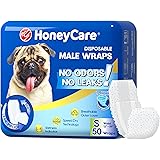
Now retrieving an image set.
HONEY CARE All-Absorb A26 Male Dog Wrap, 50 Count, Small
$17.97 (as of April 11, 2026 21:40 GMT -05:00 - More infoProduct prices and availability are accurate as of the date/time indicated and are subject to change. Any price and availability information displayed on [relevant Amazon Site(s), as applicable] at the time of purchase will apply to the purchase of this product.)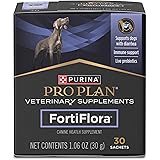
Now retrieving an image set.
Purina Pro Plan Veterinary Supplements FortiFlora Daily Probiotics for Dogs, Helps Digestive Gut Health and Diarrhea - 30 ct. Box
$30.99 (as of April 11, 2026 21:40 GMT -05:00 - More infoProduct prices and availability are accurate as of the date/time indicated and are subject to change. Any price and availability information displayed on [relevant Amazon Site(s), as applicable] at the time of purchase will apply to the purchase of this product.)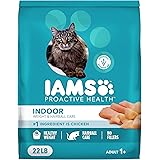
Now retrieving an image set.