Best Storage Solutions for Puppy Toys
There’s nothing quite like watching a puppy discover toys—balls, squeaky things, the occasional slobbery chew. But here’s what surprised me about the “Best Storage Solutions for Puppy Toys”: for every joyful toss and wag, there’s an equal chance their collection turns your living room into a tangled mess or a chew-toy minefield. Most people miss this completely. Managing all that puppy energy and those scattered toys means thinking beyond a toy box. It’s real life, not just Instagram photos.
How Can I Keep Puppy Toys Organized Without Making a Mess?
The key is simple: use dedicated storage containers placed strategically near your puppy’s favorite play spots. Bins, baskets, and cubbies with easy access encourage both you and your puppy to keep things tidy. Toy rotation—swapping out a few toys every week—not only limits clutter but also keeps your pup’s interest high.
What Type of Storage Works Best for Different Puppy Toys?
Soft toys? A breathable fabric basket to prevent mold from slobber. Chew toys and balls? Hard plastic bins that are easy to clean and stack. Puzzle toys? Smaller compartments or drawer organizers to avoid losing parts. Tailoring your storage by toy type means less frustration digging around and fewer lost favorites.
Start With What You Have and Build From There
I remember when my puppy’s toys started multiplying faster than I could handle. The first basket wasn’t enough. Instead of buying the fanciest solution right away, I began by grouping toys in clear plastic bins I already had. It was rough at first—plastic lids popping off under wagging paws—but I learned which bins could stand up to the chaos. This approach of evolving storage systems that grow alongside your puppy makes all the difference.
BarkBox - Monthly Dog Subscription Box
Get your puppy the best toys and treats delivered monthly! BarkBox offers premium dog toys, treats, and chews that are perfect for growing puppies. Each box is curated by experts and includes 2 toys, 2 bags of treats, and a chew.
Amazon Puppy Essentials
Everything you need for your new puppy in one place. From crates and beds to food bowls and training pads, Amazon has all the essentials at great prices with fast shipping.
Incorporate Toy Rotation to Reduce Clutter and Boredom
Rotating toys isn’t just a clever myth. It makes a bigger difference than you expect. When puppies are faced with the same toys all day, interest fades. Putting half away and swapping them later keeps your dog engaged—and your space less cluttered. It also cuts down on cleaning effort and keeps your puppy’s environment fresh and stimulating without overwhelming your living room.
Don’t Forget Storage for Other Puppy Gear
Toy storage is just one piece of the puzzle. Organizing puppy supplies like leashes, collars, and grooming tools in the same area simplifies daily life. A multi-purpose shelf or storage bench close to feeding spots that stores food, toys, and supplies creates an efficient puppy environment. This integrated approach means fewer ‘where did I put that?’ moments and more time enjoying puppy cuddles.
Choosing Storage Solutions That Adapt as Your Puppy Grows
Puppies grow fast and so do their needs. What works for a tiny furry chew ball often won’t cut it in six months. Adjustable shelving and modular bins offer flexibility. This way, you’re not starting from scratch every time your puppy outgrows something. I’ve seen firsthand how using stackable containers or versatile cubbies makes transitioning seamless.
How to Keep Your Puppy’s Toy Area Clean and Hygienic?
Regular cleaning is crucial. Soft fabric bins need washing; plastic bins, wiping down. Avoid overstuffing storage spaces because damp toys can develop odors or worse. Design your storage with breathability in mind and schedule daily quick picks and weekly deep cleans. This keeps your puppy’s environment safe and pleasant for both of you.
If you want to dive deeper into the types of toys that work best for your pup, the maintenance they require, and how to organize them efficiently, check out Puppy Toys.
Frequently Asked Questions
What’s the best place in the house to store puppy toys?
Near their favorite play or rest spots is ideal. This encourages your puppy to “put back” toys and reduces scattered mess. Avoid dark, damp areas where toys might get moldy.
How often should I clean my puppy’s toys and storage containers?
A quick wipe or wash once a week works well, with daily spot checks for slobbery toys. Clean storage containers monthly to avoid build-up of dirt and germs.
How many toys should I keep accessible at one time?
Around 3-5 toys per rotation is usually enough. Too many toys out can overwhelm your puppy and create mess. Rotate every week or two to keep things fresh.
Can storage systems help with puppy behavior issues?
Absolutely. Organized toy storage paired with toy rotation reduces boredom and destructive chewing. Puppies feel calmer and more mentally stimulated.
What if my puppy constantly messes up their storage space?
This is common. Use storage containers with lids or childproof locks if needed, or create a specific “toy zone” with easy-to-clean surfaces. Consistency and gentle training help too.
Are there any storage solutions that also help with food storage?
Yes. Some storage benches or cabinets have compartments specifically for dry puppy food, making it easy to store toys and food together while keeping everything neat.
How do I keep older puppy toys that might still be useful but aren’t in rotation?
Store them separately in labeled bins or under-bed containers. This declutters your main toy area while preserving toys your puppy may enjoy later.
Sorting through piles of puppy toys can feel overwhelming—but it doesn’t have to. By creating an organized system tailored to your puppy’s unique habits and space, you unlock easier days and happier tails. Don’t settle for chaos that quietly goes wrong underfoot. With a little planning and the right storage solutions, you’re not just managing toys—you’re shaping a safe, soothing home for your new best friend to thrive in.

Now retrieving an image set.
Amazon Basics Leak-Proof Dog and Puppy Potty Training Pee Pads with Quick-Dry 5-Layer Super Absorbent Design, Regular Size 22 x 22 inch, Blue & White, 100 Count
$17.45 (as of April 11, 2026 21:40 GMT -05:00 - More infoProduct prices and availability are accurate as of the date/time indicated and are subject to change. Any price and availability information displayed on [relevant Amazon Site(s), as applicable] at the time of purchase will apply to the purchase of this product.)
Now retrieving an image set.
Fancy Feast Poultry and Beef Feast Classic Pate Collection Grain Free Wet Cat Food Variety Pack - (Pack of 30) 3 oz. Cans
$28.06 (as of April 11, 2026 21:40 GMT -05:00 - More infoProduct prices and availability are accurate as of the date/time indicated and are subject to change. Any price and availability information displayed on [relevant Amazon Site(s), as applicable] at the time of purchase will apply to the purchase of this product.)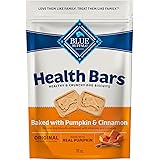
Now retrieving an image set.
Blue Buffalo Health Bars Crunchy Dog Biscuits, Oven-Baked with Natural Ingredients, Pumpkin & Cinnamon, 16-oz Bag
$4.98 (as of April 11, 2026 21:40 GMT -05:00 - More infoProduct prices and availability are accurate as of the date/time indicated and are subject to change. Any price and availability information displayed on [relevant Amazon Site(s), as applicable] at the time of purchase will apply to the purchase of this product.)
Now retrieving an image set.
Temptations Cat Treats Classic Crunchy and Soft Cat Treats, Tasty Chicken Flavor, 30 oz. Tub
$15.48 (as of April 11, 2026 21:40 GMT -05:00 - More infoProduct prices and availability are accurate as of the date/time indicated and are subject to change. Any price and availability information displayed on [relevant Amazon Site(s), as applicable] at the time of purchase will apply to the purchase of this product.)
Now retrieving an image set.