Signs Your Puppy’s Toy Needs Replacing
There’s something quietly heartbreaking about watching your puppy gnaw on a toy that’s falling apart. You want to give them endless joy, but that shredded, slobbery mess doesn’t cut it anymore. Signs Your Puppy’s Toy Needs Replacing isn’t just about tossing old stuff; it’s about protecting your pup’s health, keeping your home sane, and making playtime something everyone looks forward to. I’ve seen so many puppy owners miss these clues entirely, letting dangerous wear go unnoticed—or hanging onto toys way past their prime. Here’s what surprised me when I dug deep into this issue: swapping out worn toys can actually make a bigger difference than you expect.
How Do I Know When My Puppy’s Toy Is Actually Unsafe?
If the toy has stuffing poking out or tears wider than a coin, it’s time to retire it. Chunks missing, sharp edges, or frayed ropes also spell danger. Puppies can swallow bits and choke or get digestive blockages. So, the safety line is when you see any visible damage that could hurt your puppy.
Can Worn Toys Cause Behavioral Issues in Puppies?
Yes. When a toy is compromised, puppies tend to get frustrated chewing it—it stops being fun and can lead to boredom or destructive chewing of furniture and shoes. Healthy toys keep your puppy engaged; damaged ones quietly undermine that engagement.
Watch for Early Wear: The Nose Test and Texture Changes
One simple, real-world trick I always recommend is the nose test. Smell the toy. If it smells off or downright stinky, bacteria and mold might be brewing inside, especially in toys with stuffing or pockets. Let that slide and you risk health issues.
BarkBox - Monthly Dog Subscription Box
Get your puppy the best toys and treats delivered monthly! BarkBox offers premium dog toys, treats, and chews that are perfect for growing puppies. Each box is curated by experts and includes 2 toys, 2 bags of treats, and a chew.
Amazon Puppy Essentials
Everything you need for your new puppy in one place. From crates and beds to food bowls and training pads, Amazon has all the essentials at great prices with fast shipping.
Also, feel the texture. Does the rubber feel more brittle than chewy? Has the fabric lost its softness and comfort? These subtle signs mean the toy is losing its value as a chew or cuddle buddy.
Chunking and Chewing: When to Step In
Puppies chew; no surprise there. But watch closely for “chunking,” which is when they rip off bits of toy repeatedly. Even if the toy looks fine at a glance, constant chunking means microscopic hazards are building up inside their mouth or gut. It’s not always obvious until it becomes a problem.
Most people miss this completely because chunking looks harmless compared to outright tears. But it’s where things quietly go wrong.
How Toy Rotation Supports Healthier Play—and Your Sanity
This makes a bigger difference than you expect. Having a toy rotation system not only keeps your puppy interested but also stretches the lifespan of each toy. Puppies can get bored fast—and tossing out their toys one by one quickly piles up clutter.
By organizing puppy supplies with a simple storage system—think bins, shelves, or baskets—you rotate toys weekly. This setting helps prevent early wear by giving toys time to air out and lowers the chance of boredom-driven chewing disasters. It also means your home doesn’t drown in slobber-soaked chaos.
Storage Systems That Evolve as Your Puppy Grows
When I started organizing my puppy’s things, I realized my storage plan had to grow alongside them. Early on, soft toys and teething rings dominate; later, puzzle toys and tougher chewables come in. An adaptable system—like labeled boxes or stackable bins—makes swapping toys in and out easy. Integrating food storage nearby creates a one-stop puppy zone that’s efficient. No more lost toys under furniture or shoe piles landing on their brittle cousin.
Cleaning Matters: Keeping Toys Fresh Between Uses
Cleaning toys regularly prevents the build-up of grime and bacteria that can turn playtime from fun to risky. Washing soft toys every couple of weeks and disinfecting rubber or plastic toys on a schedule is simple but often overlooked.
By pairing cleaning with a smart storage routine—like letting toys dry fully before stashing them—you reduce mold growth and keep odors out of your puppy’s play area. This also saves you money by extending the lifespan of the toys before they truly need replacing.
How Investing in Quality Toys Saves Time and Worry
Here’s the thing: cheap toys might look like an affordable option, but they often break down fast, leaving you with more trash and risk. On the other hand, investing in quality toys from trusted brands means less frequent replacements and a better chew experience for your puppy. That quiet difference in durability can save you stress and prevent those last-minute “Oh no!” runs to the store when you realize all their toys are trash.
Plus, high-quality toys usually come in sizes and textures that fit your puppy’s growth stages—making your toy rotation more effective.
For ideas about the best choices, check out Puppy Toys for safe, durable, and fun picks that work in an organized setup.
Frequently Asked Questions
How often should I replace my puppy’s toys?
Replace toys immediately when you notice tears, missing pieces, or sharp edges. For well-used toys in good shape, a rotation every few months keeps things fresh and safe.
What’s the best way to store puppy toys between uses?
Use clear bins or labeled baskets placed in a dedicated puppy zone. Make sure toys are clean and dry before storing to prevent mold or bacteria.
Can I sanitize my puppy’s soft toys in the washing machine?
Yes, most fabric toys can be washed on a gentle cycle with mild detergent. Avoid dryers; air-drying is safest to keep shape and avoid shrinking.
How do I keep my puppy interested in rotated toys?
Introduce toy rotation gradually, swapping toys every week or two. Mixing textures and toy types (squeaky, chew, fetch) keeps engagement high.
Is it okay to keep one favorite toy indefinitely?
It depends. If the toy is in good condition with no damage and you regularly clean it, it can stay longer. But always watch for wear and replace when needed.
Can worn toys cause my puppy to develop bad chewing habits?
They can contribute. When toys don’t satisfy a puppy’s chewing needs due to damage or loss of texture, they’ll seek alternatives like furniture or shoes.
How do I manage toy clutter in a small living space?
Create a compact storage zone using vertical shelving or stackable bins to save floor space. Regularly declutter by removing old or unused toys.
Now, if you’re staring at that battle-worn toy, feeling a little overwhelmed—take a breath. You’re not alone. Working through these signs of wear and keeping a tidy, toy-friendly space is a moving target. But every swap, every fresh toy added to rotation, keeps your pup safer, happier, and more engaged. And that peace of mind? It’s worth every discarded chew rag and replaced ball.

Now retrieving an image set.
Fancy Feast Poultry and Beef Feast Classic Pate Collection Grain Free Wet Cat Food Variety Pack - (Pack of 30) 3 oz. Cans
$28.06 (as of April 9, 2026 21:39 GMT -05:00 - More infoProduct prices and availability are accurate as of the date/time indicated and are subject to change. Any price and availability information displayed on [relevant Amazon Site(s), as applicable] at the time of purchase will apply to the purchase of this product.)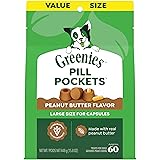
Now retrieving an image set.
Greenies Pill Pockets for Dogs Large Size, Dog Treat Pouch for Capsule Medication, Peanut Butter Flavor, 15.8 oz. Pouch
$17.96 (as of April 9, 2026 21:39 GMT -05:00 - More infoProduct prices and availability are accurate as of the date/time indicated and are subject to change. Any price and availability information displayed on [relevant Amazon Site(s), as applicable] at the time of purchase will apply to the purchase of this product.)
Now retrieving an image set.
Temptations Cat Treats Classic Crunchy and Soft Cat Treats, Tasty Chicken Flavor, 30 oz. Tub
$15.48 (as of April 9, 2026 21:39 GMT -05:00 - More infoProduct prices and availability are accurate as of the date/time indicated and are subject to change. Any price and availability information displayed on [relevant Amazon Site(s), as applicable] at the time of purchase will apply to the purchase of this product.)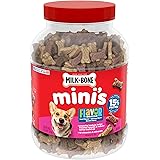
Now retrieving an image set.
Milk-Bone Flavor Snacks Mini’s Dog Biscuits, Flavored Crunchy Dog Treats, 36 Oz. Canister
$11.47 (as of April 9, 2026 21:39 GMT -05:00 - More infoProduct prices and availability are accurate as of the date/time indicated and are subject to change. Any price and availability information displayed on [relevant Amazon Site(s), as applicable] at the time of purchase will apply to the purchase of this product.)
Now retrieving an image set.