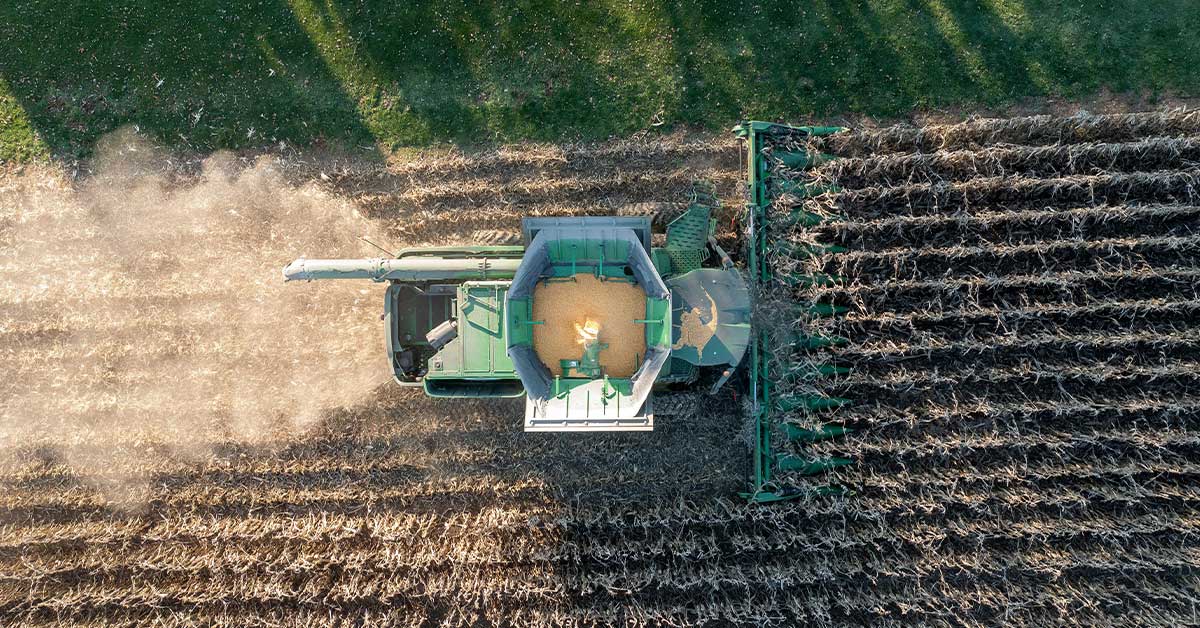
The Environmental Protection Agency has approved two new pesticides that contain PFAS, the highly persistent chemicals that linger in soil and water long after they are used. The approvals widen their use across crops, golf courses, lawns, and commercial sites. They also arrive as the agency signals its intent to authorize several more PFAS-based pesticides in the coming year, according to SAN.
PFAS exposure has been linked for decades to cancers, immune suppression, developmental delays in children, and reproductive harms. These chemicals resist breakdown at every stage of their life cycle. That is why scientists call them “forever chemicals.” Their presence in pesticides introduces a route of exposure that researchers say regulators have not meaningfully addressed.
Nathan Donley of the Center for Biological Diversity told WRAL that his “reaction is shock and awe,” adding that “whatever we put into our environment today will be lurking around forever.” His alarm reflects a wider scientific concern that these new approvals will compound decades of contamination the nation has yet to fully understand.
BarkBox - Monthly Dog Subscription Box
Get your puppy the best toys and treats delivered monthly! BarkBox offers premium dog toys, treats, and chews that are perfect for growing puppies. Each box is curated by experts and includes 2 toys, 2 bags of treats, and a chew.
Amazon Puppy Essentials
Everything you need for your new puppy in one place. From crates and beds to food bowls and training pads, Amazon has all the essentials at great prices with fast shipping.
The two newly approved compounds—cyclobutrifluram and isocycloseram—both meet internationally recognized definitions of PFAS. The SAN report cited the EPA’s acknowledgment that it intends to authorize at least four more PFAS pesticides after these two.
Isocycloseram is expected to appear on major food crops including oranges, almonds, peas, tomatoes, and oats. The chemical is moderately to highly persistent and is documented to break down into 40 additional PFAS compounds, according to regulatory filings cited by the Center for Biological Diversity. Some of those transformation products are even more environmentally stubborn.

Now retrieving an image set.
Pur Luv Chicken Jerky Dog Treats, Made with 100% Real Chicken Breast, 16 Ounces, Healthy, Easily Digestible, Long-Lasting, High Protein, Satisfies Dog's Urge to Chew
$14.63 (as of March 7, 2026 21:23 GMT -05:00 - More infoProduct prices and availability are accurate as of the date/time indicated and are subject to change. Any price and availability information displayed on [relevant Amazon Site(s), as applicable] at the time of purchase will apply to the purchase of this product.)
Now retrieving an image set.
ARM & HAMMER Clump & Seal SLIDE Platinum Multi-Cat Clumping Cat Litter, 14-Day Odor Control, EZ Clean Technology, 18 lbs – No Scrubbing, Powerful Odor Eliminator
$20.03 (as of March 7, 2026 21:23 GMT -05:00 - More infoProduct prices and availability are accurate as of the date/time indicated and are subject to change. Any price and availability information displayed on [relevant Amazon Site(s), as applicable] at the time of purchase will apply to the purchase of this product.)
Now retrieving an image set.
Greenies Pill Pockets for Dogs Large Size, Dog Treat Pouch for Capsule Medication, Peanut Butter Flavor, 15.8 oz. Pouch
$17.69 (as of March 7, 2026 21:23 GMT -05:00 - More infoProduct prices and availability are accurate as of the date/time indicated and are subject to change. Any price and availability information displayed on [relevant Amazon Site(s), as applicable] at the time of purchase will apply to the purchase of this product.)
Now retrieving an image set.
Milk-Bone Flavor Snacks Mini’s Dog Biscuits, Flavored Crunchy Dog Treats, 36 Oz. Canister
$11.47 (as of March 7, 2026 21:23 GMT -05:00 - More infoProduct prices and availability are accurate as of the date/time indicated and are subject to change. Any price and availability information displayed on [relevant Amazon Site(s), as applicable] at the time of purchase will apply to the purchase of this product.)
Now retrieving an image set.