Managing Puppy Fear: What to Watch For
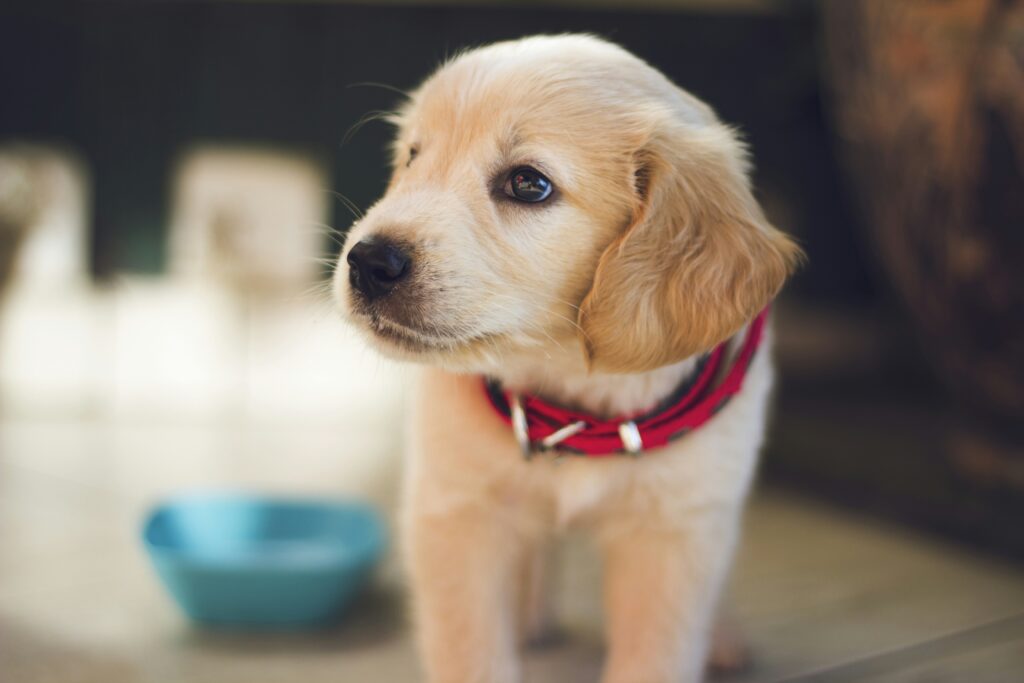
There’s a quiet moment every puppy owner faces—a sudden freeze, a tucked tail, those big eyes darting around like they’re trying to decide if the world is friend or foe. Managing puppy fear: what to watch for isn’t just about spotting that nervous twitch or a sudden bark. It’s about recognizing the subtle signals your pup is sending when fear starts creeping in, sometimes when you least expect it. I’ve seen this enough to know that if you miss those signs early, you’re in for a messier, longer road than anyone wants.
What Are the Most Common Signs of Fear in Puppies?
Puppies often show fear through body language like lowered ears, tucked tails, shying away, or cowering. Some might growl, snap, or avoid eye contact as a way to protect themselves. The key is noticing these behaviors before they escalate into bigger problems.
How Can You Help a Puppy Overcome Fearful Situations?
Gradual exposure paired with positive reinforcement works best. Start with controlled, low-stress encounters and reward your puppy with treats and praise when they handle the situation calmly. It’s about building confidence, one small step at a time.
Recognizing the Red Flags Early
Here’s what surprised me most about managing puppy fear: it’s often the little things that get ignored. A sudden hesitate before entering a room, refusing to approach a new toy, or even avoiding eye contact can quietly spiral if not addressed. Most people miss this completely, thinking their pup is just “being shy.” But this is where things quietly go wrong—fear solidifies and turns into anxiety.
By paying close attention to these early signals, you can take action well before behaviors escalate. Keeping your puppy’s toys organized and rotating them—not overwhelming your pup with every toy at once—helps reduce sensory overload that can feed fear. This is one small step that makes a bigger difference than you expect.
Creating an Efficient Environment to Combat Fear
Clutter can be a nightmare for a fearful puppy. Imagine trying to explore a room with unfamiliar, scattered items lurking everywhere. For your puppy, this feels daunting. Using storage systems designed to keep supplies tidy and accessible isn’t just about neatness—it directly impacts your pup’s sense of safety.
PuppyStorage.com’s storage solutions help organize feeding bowls, leashes, cleaning supplies, and toys so that everything has a place and your puppy isn’t overwhelmed by chaos. A calm environment naturally helps minimize fear responses and builds a positive baseline at home.
How Toy Rotation Plays a Role in Managing Puppy Fear
Toys aren’t just for fun—they can anchor a puppy’s emotional state. But offering too many choices at once can create confusion and unease. Rotating toys keeps things fresh without overstimulating your puppy’s senses, letting them engage with one or two favorites at a time and build confidence in play.
Implementing a toy rotation system might sound minor, but it’s a practical method that works wonders in managing fear and anxiety. Organized storage bins for toy rotation make this effortless and keep your puppy’s environment inviting instead of intimidating.
Food Storage: More Than Just Freshness
Fresh, well-stored food keeps your puppy healthy and happy, but there’s another side to it. Predictability in mealtime routines—knowing where the food is stored and having the supplies ready—helps decrease chaotic moments that can stress both you and the puppy.
A clear, dedicated storage spot for puppy food and treats removes guesswork from feeding time, making it smoother and less intimidating, especially with anxious puppies who pick up on human stress.
When Fear Turns Into Something Bigger
Fear in puppies is natural but if ignored, it can escalate into aggression or chronic anxiety. Watch for growing avoidance behaviors, unwillingness to explore, or aggression triggered by seemingly everyday things. If these patterns develop, the solution isn’t just more exposure—it’s smart management combined with tweaks to your puppy’s environment and routine.
This makes a bigger difference than most expect: organizing your puppy’s world so it feels peaceful and consistent can turn things around without adding pressure on either of you.
If your puppy is starting to show these warning signs, checking out step-by-step systems for socialization and training is crucial. For more on this, see our comprehensive Puppy Training guide that breaks down approaches based on what actually works in real life.
Frequently Asked Questions
Can a puppy outgrow fear naturally?
Sometimes, but often fear entrenches if not gently managed early on. Active support helps puppies learn what’s safe and builds their confidence faster.
How can I organize my puppy’s supplies to reduce stress for both of us?
Use dedicated storage bins or shelves for different categories like feeding, grooming, and toys. Keeping things in specific spots creates predictability, which helps anxious pups stay calmer.
Is it normal for a puppy to be scared of new toys or environments?
Yes, this is very common. Introduce new toys gradually and let your puppy explore at their own pace. Avoid overwhelming them with too many new things at once.
What’s a simple way to start building my puppy’s confidence?
Short, positive experiences with new objects, people, or sounds work best. Reward calm behavior and avoid pushing your puppy into situations that scare them.
Does storage really affect my puppy’s behavior?
More than you might think. A tidy, organized space helps your puppy feel safe and reduces unexpected stressors that can trigger fear.
What are practical signs that my puppy’s fear is becoming a problem?
Look for persistent avoidance, snapping during handling, or a general reluctance to explore. These signs mean it’s time to adjust your approach.
How often should I rotate my puppy’s toys?
Every week or two is ideal. This keeps engagement high while avoiding sensory overload that can feed anxiety.
Managing puppy fear is tricky and frustrating at times. But it’s not about big, flashy fixes—it’s about paying attention, building routines, and creating a calm home where your puppy can grow brave. Keep things orderly, stay patient, and watch as your pup learns the world is a pretty safe place after all. You’ve got this.