Puppy Training
Puppy Training
There’s nothing quite like the mix of joy and chaos that fills your home during those first puppy days. Puppy Training can be overwhelming—one moment you’re celebrating a successful potty break, the next you’re chasing a chewed-up shoe. Getting a solid system in place early helps cut through the noise and turns frustration into calm confidence.
Quick answer
This page guides new puppy owners through practical, step-by-step methods for teaching your pup essential skills—potty habits, crate comfort, leash manners, and more. It’s for anyone ready to reduce chaos, keep supplies organized, and build a happy, well-behaved dog.
- Master essential puppy skills with clear, safety-first methods
- Create organized spaces that support puppy growth stages
- Use toy rotation and treat storage to maintain focus and reduce clutter
- Build confidence and connection through consistent, practical training
Potty Training
Potty training sets the foundation for daily life with your puppy. The key is a consistent schedule and clear signals so your pup knows exactly where and when to go. You’ll want to set up a specific “potty station” outside and keep your potty supplies—like treats and wipes—accessible nearby.
What surprises many new owners is how patience and timing can be more effective than rushing to punish mistakes. Praising successes immediately and bringing your pup outside often speeds up learning.
- Designate a consistent potty spot outdoors
- Take your puppy out every 1-2 hours and after meals, naps, and play
- Keep treats handy for quick rewards
- Use crate time to encourage holding it between breaks
- Be patient and avoid punishment—focus on positive reinforcement
Next steps: Explore detailed potty training routines and troubleshooting techniques.
- How to Set Up the Perfect Puppy Potty Station
- Troubleshooting Accidents: What To Do When Puppy Has Setbacks
- Using Crate Time to Support Potty Habits
Crate Training
Crate training turns your puppy’s den into a safe, calm oasis. The main goal is associating the crate with positive experiences, not isolation or punishment. Start slow: leave the door open at first, toss in toys, and stick to short, comfortable sessions, gradually increasing crate time.
A common mistake is cranking up crate time too fast or using it to “punish.” Puppies need their crates to feel warm and inviting, especially during the teething and growth stages, so consider rotating safe chew toys stored neatly nearby for variety.
- Choose the right-sized crate allowing comfortable standing and turning
- Start with short, happy visits: meals, naps, playtime inside the crate
- Keep the crate near your living space at first for companionship
- Use clean, washable bedding that’s easy to swap out
- Rotate toys stored in designated spots to keep interest high
Next steps: Find in-depth crate training schedules and calming techniques.
- Crate Training Essentials: Step-by-Step Guide
- Making the Crate a Happy Place with Toy Rotation
- Managing Nighttime Crate Comfort and Anxiety
Leash Training
Leash training transforms walks from tug-fests into enjoyable explorations. Your puppy needs to learn that a loose leash means fun and safety. Start indoors or in a fenced yard with a light training leash and treats in a food/treat storage pouch for easy access.
Most owners underestimate the benefit of short, frequent sessions early on. Puppies often pull because they’re overstimulated or unsure—stepping back and re-engaging calmly resets the lesson. Keeping your training treats well-organized and handy helps keep your pup focused.
- Begin leash introductions in low-distraction areas
- Reward loose leash walking consistently with treats or praise
- Stop or change direction when your puppy pulls
- Practice short daily sessions, gradually increase duration
- Keep leash, harness, and treat pouch stored in one “training station.”
Next steps: Dive into leash manners tips and common challenges.
- Leash Training for Beginners: Building Focus
- Tools and Harnesses That Help Prevent Pulling
- Safety Tips for Puppy Walks in Busy Areas
Biting
Play biting and mouthing are normal puppy behaviors but need clear boundaries early on. Teaching gentle mouth control prevents frustration and keeps everyone safe. Using a consistent “ouch” or redirecting to toys, organized in easy-to-access containers, breaks the habit effectively.
The common pitfall is either ignoring biting or reacting harshly, which can confuse puppies. Instead, calmly but firmly redirect their attention, and use toy rotation to keep them engaged and less likely to bite hands or clothes.
- Offer plenty of chew toys, rotating them weekly
- Say “ouch” or make a yelp sound right when biting happens
- Redirect biting to an acceptable toy immediately
- End play calmly if biting continues—no roughhousing
- Keep toys organized and within reach at play “stations”
Next steps: Learn more about puppy bite inhibition and playtime boundaries.
- Understanding Puppy Biting and How to Stop It
- Toy Rotation Strategies to Reduce Biting
- Safe Playtime Practices for Puppies and Kids
Socialization
Socialization is about showing your puppy the world’s sights, sounds, and smells—and teaching them how to stay calm and curious. Set up safe “stations” where your puppy meets different people, dogs, and environments gradually, with food/treat storage for rewarding good behavior on the go.
Many owners hesitate because they fear exposure to germs or bad experiences. The truth is controlled, positive introductions prevent fearfulness later. Taking the time to keep socialization tools organized makes it simple to bring the right treats and toys everywhere.
- Introduce puppy to a variety of people, places, and animals carefully
- Use high-value treats to reward calm, curious behavior
- Keep interactions short and positive, avoiding overwhelm
- Organize a socialization kit with treats and toys for outings
- Repeat exposures regularly, especially during sensitive growth stages
Next steps: Explore socialization milestones and positive exposure ideas.
- Socialization Timeline: When and How to Start
- Building Confidence Through Controlled Exposure
- Managing Puppy Fear: What to Watch For
Simple glossary
- Crate: A safe enclosed space for your puppy’s rest and training.
- Potty station: A designated outdoor area for your puppy’s bathroom breaks.
- Toy rotation: Regularly swapping out toys to keep your puppy interested and engaged.
- Loose leash walking: Walking without tension or pulling on the leash.
- Mouthing: Gentle biting commonly used by puppies during play.
- Socialization: Introducing puppies to new people, animals, and environments positively.
- Training station: An organized space with all supplies needed for training sessions.
- Positive reinforcement: Rewarding desired behaviors to encourage them.
Frequently asked questions
How long does potty training usually take?
Most puppies start getting the hang of potty routines within 4–6 weeks with consistent practice. Remember, every pup is unique, so patience and a good schedule are key. Keep treats and cleaning supplies organized for quick, rewarding trips outside.
Can I crate train my puppy all day?
Crates are best used for short periods throughout the day—generally not exceeding a few hours at once. Puppies need breaks to move, play, and socialize. Set up your crate near your “training station” so supplies and toys are always accessible.
What’s the best way to stop puppy biting?
Redirect biting to chew toys immediately and reward your puppy when they use them. Use consistent “ouch” cues to help them learn bite inhibition. Keeping toys rotated and within reach helps keep their focus where it belongs.
How do I safely socialize my puppy during illness outbreaks?
Focus on safe, controlled introductions—start with vaccinated dogs and avoid high-traffic areas during outbreaks. Use calm, positive reinforcement with treats from your well-organized storage for each interaction. Gradual exposure helps build your puppy’s confidence while maintaining safety.

Now retrieving an image set.
Amazon Basics Leak-Proof Dog and Puppy Potty Training Pee Pads with Quick-Dry 5-Layer Super Absorbent Design, Regular Size 22 x 22 inch, Blue & White, 100 Count
$17.45 (as of April 8, 2026 21:38 GMT -05:00 - More infoProduct prices and availability are accurate as of the date/time indicated and are subject to change. Any price and availability information displayed on [relevant Amazon Site(s), as applicable] at the time of purchase will apply to the purchase of this product.)
Now retrieving an image set.
Nutramax Cosequin for Dogs Joint Health Supplement, Contains Glucosamine for Dogs, Plus Chondroitin and MSM, Supports Healthy Joints, For All Breeds and Sizes, Chewable Tablets, 132 Count
$34.91 (as of April 8, 2026 21:38 GMT -05:00 - More infoProduct prices and availability are accurate as of the date/time indicated and are subject to change. Any price and availability information displayed on [relevant Amazon Site(s), as applicable] at the time of purchase will apply to the purchase of this product.)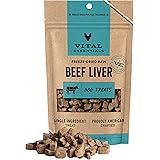
Now retrieving an image set.
Vital Essentials Freeze Dried Dog Treats | Beef Liver, Single Ingredient | Premium Quality | Grain Free Training Treats for Dogs, 2.1 oz Bag
$5.99 (as of April 8, 2026 21:38 GMT -05:00 - More infoProduct prices and availability are accurate as of the date/time indicated and are subject to change. Any price and availability information displayed on [relevant Amazon Site(s), as applicable] at the time of purchase will apply to the purchase of this product.)
Now retrieving an image set.
ARM & HAMMER Clump & Seal SLIDE Platinum Multi-Cat Clumping Cat Litter, Easy Clean Technology with No Scrubbing, 14-Day Odor Control, 18 lbs
$20.03 (as of April 8, 2026 21:38 GMT -05:00 - More infoProduct prices and availability are accurate as of the date/time indicated and are subject to change. Any price and availability information displayed on [relevant Amazon Site(s), as applicable] at the time of purchase will apply to the purchase of this product.)
Now retrieving an image set.