
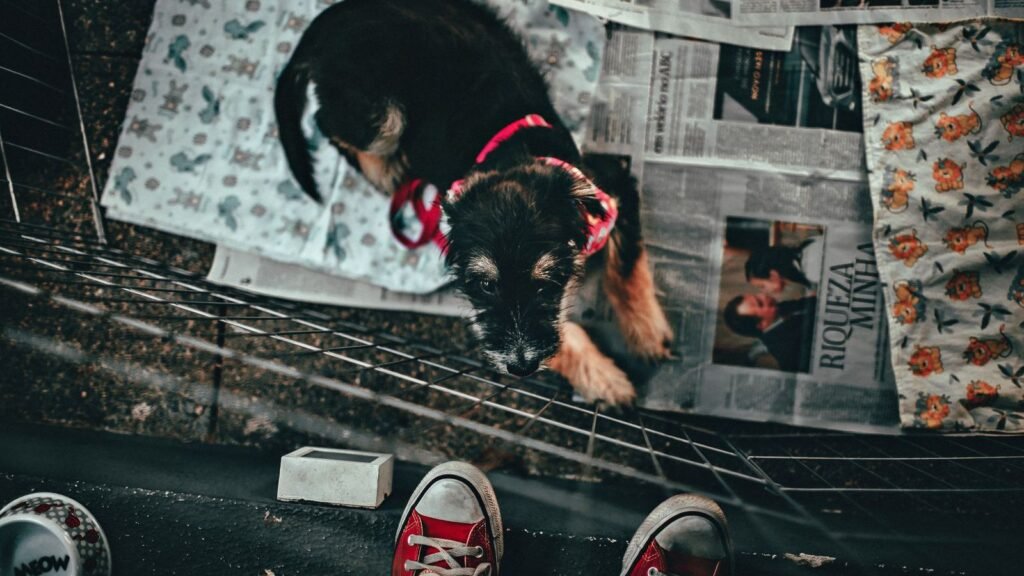
Picture this: you’re about to embark on a road trip with your new puppy, and the excitement is palpable. However, as you look around your car, you notice a jumble of leashes, toys, and food bags all vying for space. This is a common scenario for many new puppy owners who wonder how to manage puppy supplies during travel. Keeping these essentials organized and accessible can be challenging, often leading to stress and disarray during what should be an enjoyable adventure. But fear not, with a little planning and some clever organizational strategies, you can ensure a smooth journey for both you and your furry companion.
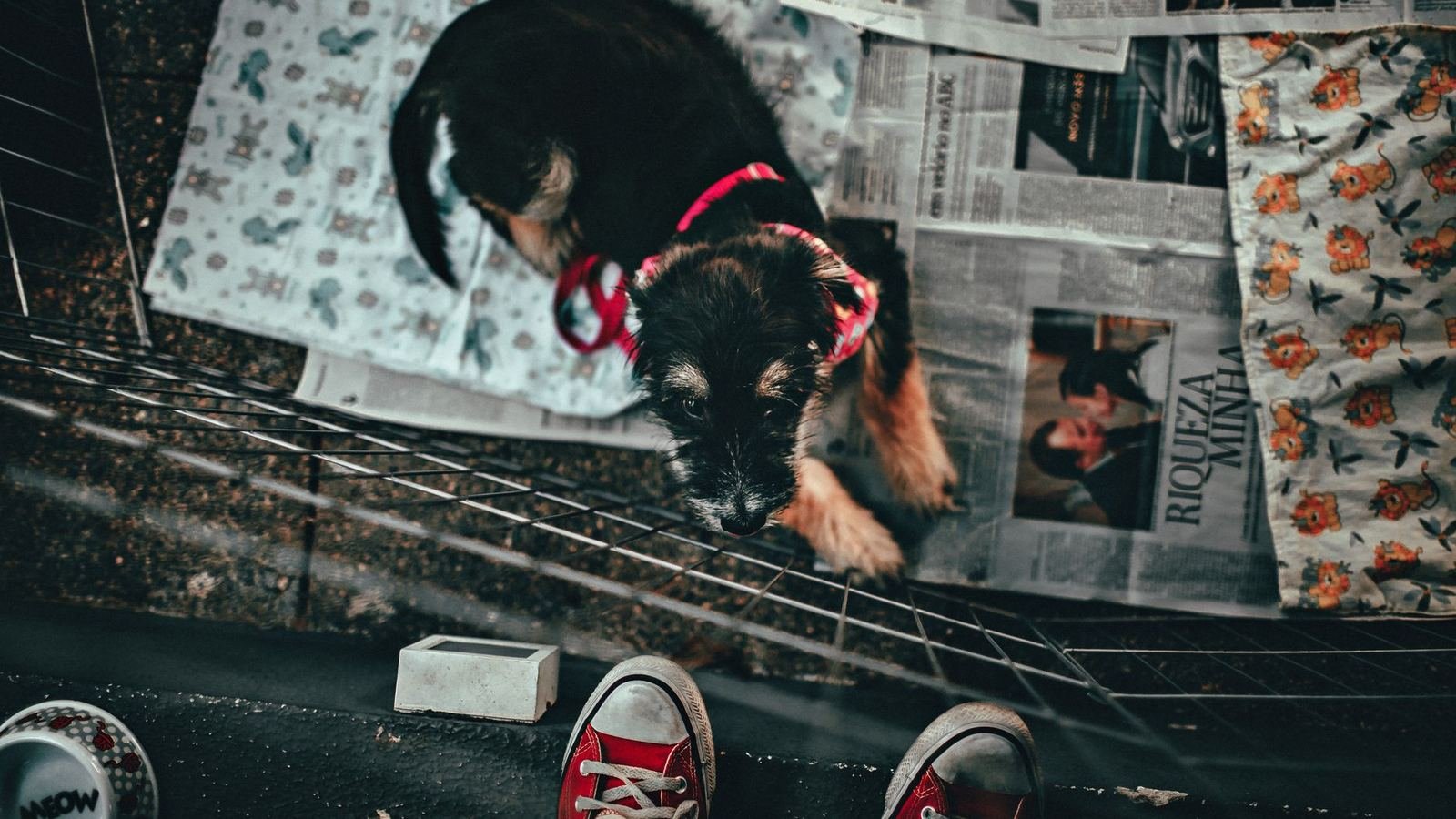
A great starting point is to prepare a dedicated travel checklist for your puppy’s needs. This helps you keep track of everything from food and water to toys and grooming supplies. Begin by listing out the items your puppy uses daily, and then consider any additional items required for travel, such as portable water bowls or travel-friendly beds. This checklist not only ensures you pack all necessary items but also reduces the chances of overpacking, which can lead to clutter in your vehicle.
One immediate tip to streamline your packing is to use clear, labeled containers for your puppy’s supplies. For instance, a small tote bag specifically for food and treats can keep them easily accessible and prevent spills. Similarly, a separate container for toys can help you quickly grab your puppy’s favorite chew toy without rummaging through a pile of unrelated items. By categorizing supplies into distinct groups, you make it easier to locate what you need when you need it, minimizing disruption during the trip.
Taking these small, practical steps not only aids in managing puppy supplies during travel but also sets the stage for a stress-free journey. With a bit of preparation, you and your puppy can focus on enjoying the road ahead rather than worrying about misplaced items. As you venture out, remember that a well-organized travel kit is the key to keeping both you and your puppy happy and comfortable on the go.
Choosing the Right Travel Gear and Containers
When planning a trip with your new puppy, selecting the right travel gear and containers is crucial for keeping supplies organized and accessible. Start by identifying the essentials you need to bring, such as food, water, toys, and any medications. Choose compact, lightweight containers that can be easily stored in your vehicle. Opt for stackable or collapsible options to maximize space efficiency.
First, consider a durable travel bag: Look for a bag with multiple compartments to separate food, toys, and grooming supplies. A waterproof material is beneficial in case of spills. Also, make sure it’s easy to carry, either with a shoulder strap or handles.
Next, select appropriate food and water containers: Portable food and water bowls are essential. Choose ones that are collapsible to save space and ensure they’re made from non-toxic materials. If you’re going on a longer trip, pack a resealable bag for dry kibble to keep it fresh.
Invest in a travel crate or harness: For safety, use a travel crate that fits comfortably in your car, or a harness that secures your puppy in place. The crate should be well-ventilated and large enough for your puppy to stand, turn around, and lie down comfortably.
When packing, avoid overloading your vehicle with unnecessary items. Stick to essentials and regularly used items to prevent clutter. If your puppy has a favorite toy or blanket, include it to provide comfort during travel. Adjust your packing list based on the duration of your trip and the needs of your puppy. For example, if traveling to a colder climate, pack an extra blanket or jacket for your pet.
Regularly check your supplies and adjust as needed during the journey. If you notice that your puppy is going through water faster than anticipated, make sure you have extra bottles on hand. By preparing thoughtfully and choosing the right travel gear and containers, you can ensure a smoother, more organized travel experience with your puppy.
Creating a Convenient Packing System
Traveling with your puppy can be a delightful adventure, but keeping their supplies organized and accessible on the road is crucial to avoid stress and clutter. Follow this step-by-step guide to create a packing system that works smoothly whether you’re heading to the park, visiting family, or going on a road trip.
- Step 1: Designate a Specific Travel Bag
Choose a bag specifically for your puppy’s travel needs. This helps keep everything in one place and makes packing and unpacking more efficient. Aim for a backpack or a roomy tote with multiple compartments. Done: Your bag is ready, and you have a dedicated space for your puppy’s essentials.
Pitfall: Avoid using your regular handbag or suitcase, as mixing personal items with puppy supplies can lead to confusion and forgotten items.
- Step 2: Pack Essential Supplies First
Start by packing the essentials like food, water, and any medications. Use airtight containers to prevent spills. Pack enough for the entire trip plus an extra day, just in case. Done: Essential supplies are neatly packed and easily accessible.
Pitfall: Don’t wait until the last minute to pack these; ensure you have everything ready the night before travel to avoid rushing.
- Step 3: Organize Toys and Comfort Items
Select a few of your puppy’s favorite toys and a blanket or a small bed. These items provide familiarity and comfort during the trip. Store them in a separate compartment to avoid tangling with other items. Done: Comfort items are packed, ensuring your puppy feels at home.
Pitfall: Overpacking toys can lead to clutter. Stick to two or three toys to keep things manageable.
- Step 4: Create a Travel Cleaning Kit
Include items like poop bags, wipes, and a small towel for quick clean-ups. These should be stored in an easily accessible part of the bag. Done: Your cleaning kit is ready for any unexpected messes.
Pitfall: Forgetting these can lead to a stressful situation if your puppy has an accident.
- Step 5: Use a Checklist
Before heading out, go through a checklist to ensure nothing is left behind. This should include all packed items and any additional needs specific to your trip. Done: Checklist is complete, and confidence is high that you have everything needed.
Pitfall: Skipping the checklist can result in forgotten items, increasing stress on the road.
- Step 6: Load the Car Strategically
Place the travel bag and food items where they’re easy to reach, such as the back seat or the trunk’s front section. This ensures you can quickly grab something without having to stop and unpack the car. Done: Supplies are loaded, and you have a plan for easy access during the trip.
Pitfall: Don’t bury the travel bag under other luggage, which makes it difficult to access when needed.
- Step 7: Regularly Review and Adjust the System
After each trip, assess what worked and what didn’t. Adjust your packing system to better suit your puppy’s needs and the nature of your travels. Done: Your packing system evolves and improves with each journey.
Pitfall: Ignoring what didn’t work can lead to repeated issues on future trips.
By following these steps, you’ll develop a convenient packing system that makes traveling with your puppy a breeze, keeping supplies organized and accessible throughout your journey.
Common mistakes to avoid
When learning how to manage puppy supplies during travel, new owners often make a few common mistakes that lead to disorganization and frustration. By understanding these pitfalls, you can create a smoother travel experience for both you and your puppy.
- Overpacking: A common mistake is bringing too many items, leading to clutter and difficulty finding what you need. This can happen when you pack for every possible scenario instead of focusing on essentials. To avoid this, create a checklist of must-have items such as food, water, a leash, and a few favorite toys. Tailor this list based on the length of your trip and the needs of your puppy. This approach helps keep your supplies organized and accessible.
- Improper storage solutions: Using bags or containers that aren’t well-suited for travel can cause chaos. For instance, using a flimsy tote bag might lead to spilled food or lost toys. Instead, choose sturdy, compartmentalized containers that fit well in your vehicle. Consider collapsible travel bowls and containers that are specifically designed for pets on the go. These solutions not only keep items secure but also make it easier to grab what you need quickly.
- Neglecting to organize the vehicle: Simply tossing items into the backseat or trunk can lead to a chaotic mess once you hit the road. This disarray makes it hard to find supplies when you need them and can increase stress levels. Instead, designate specific areas in your vehicle for different types of supplies. For example, keep food and water supplies in an easily accessible spot, while toys and grooming tools can be stored in a separate section. This kind of organization ensures you have easy access to your puppy’s needs during travel.
- Forgetting to consider space limitations: Failing to account for the size of your vehicle or travel accommodations can lead to overpacking and limited space for both you and your puppy. Assess the available space and prioritize items that are essential and fit comfortably within those constraints. By doing so, you maintain a stress-free environment and prevent items from being squeezed into inconvenient areas.
- Lack of routine planning: Some owners forget to plan for regular stops and feeding times, which can disrupt organization and the puppy’s comfort. Establish a travel routine that includes scheduled breaks for bathroom needs, exercise, and meals. This keeps your puppy happy and ensures that supplies like food and water are used efficiently and restocked as needed.
By avoiding these common mistakes, you can ensure a more organized and enjoyable travel experience with your puppy. Prioritizing practicality and planning ahead will help you manage puppy supplies efficiently, reducing stress and enhancing your journey together.
Managing Puppy Needs on the Road
As you prepare for your upcoming trip, try this weekly routine to manage your puppy’s supplies effectively during travel. Begin by creating a detailed travel checklist that includes all essential items like food, water, toys, and leashes. This helps ensure you don’t forget anything important and keeps packing systematic.
Next, select the right travel gear and containers to keep your puppy’s supplies organized. Opt for collapsible bowls and compact storage bags that maximize space in your vehicle. Create a designated area in your car specifically for your puppy’s belongings, using organizers that fit snugly in the trunk or under seats.
During your trip, maintain this organization by setting up a system to quickly access items when needed. For instance, keep a small bag with immediate essentials like treats and waste bags in an easily accessible spot. This approach not only helps in managing supplies but also reduces stress during travel.
The primary goal is to prevent the chaos and disarray that can arise from disorganized supplies. By following these steps, you can create a smooth travel experience for both you and your puppy. Remember, the key is to stay calm and methodical in your preparation.
As a next step, take a few minutes today to list the specific items your puppy needs for travel and organize them into categories. This small action sets the foundation for stress-free travel and ensures that your puppy’s needs are met efficiently while on the road.