
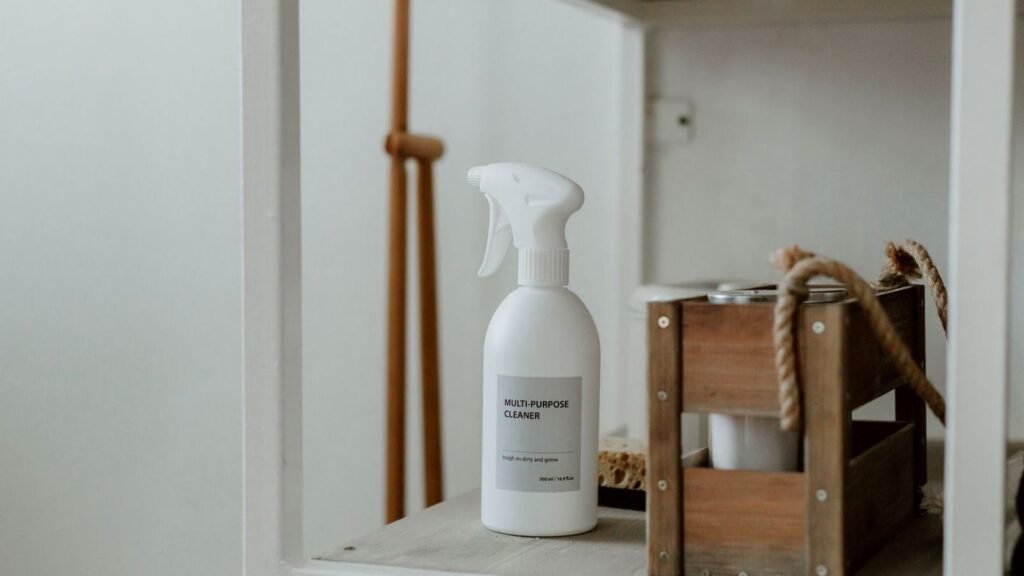
The puppy cleaning caddy vs utility closet choice usually comes up after the second or third accident when paper towels are in the kitchen, cleaner is under a bathroom sink, and the puppy is already investigating an open cabinet. You need supplies within reach when a mess happens, but you also need one contained system that prevents loose bottles, duplicate rolls of towels, and potentially harmful products from being accessible to a curious puppy.
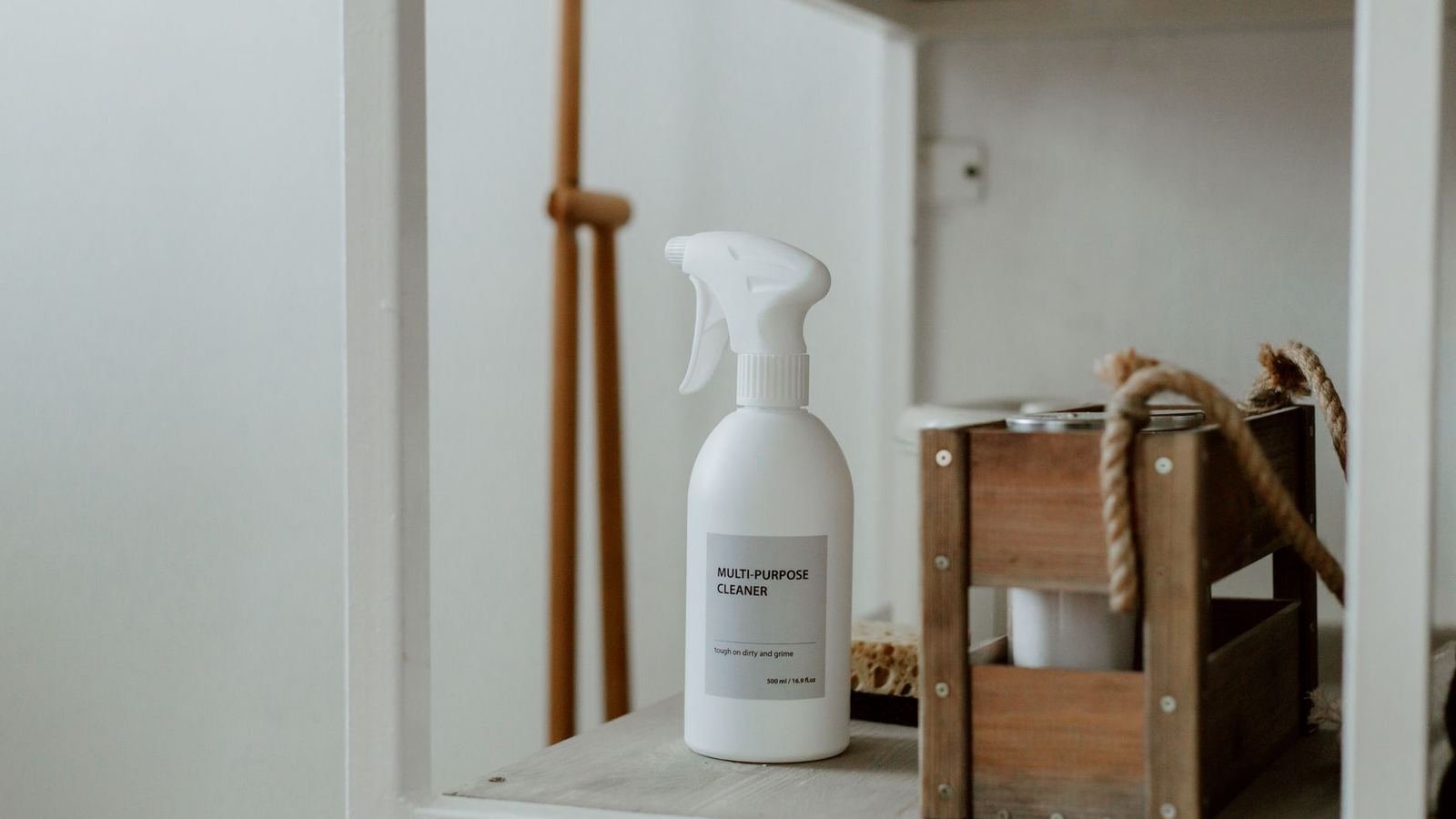
The quick answer is simple: choose a portable caddy when accidents can happen in more than one room and the person handling cleanup needs to move fast. Choose a utility-closet station when you have secure, high, or locked storage and need to keep larger backup supplies organized. In many homes, the most workable setup is both: a small daily-use caddy and a secured closet shelf or cabinet for refills.
Start today by gathering only the items used during an immediate cleanup—such as disposable towels, waste bags, a washable cloth, and the cleaner you use—into one handled bin with a lid or a high storage spot between uses. Keep cleaning products, medications, and other potentially harmful household supplies inaccessible to puppies, rather than leaving the caddy on the floor after cleanup.
For example, in a small apartment with a puppy mainly spending time in the living room and bedroom, a compact caddy can live on a high shelf near the main puppy zone. The utility closet can hold sealed backup rolls, spare cloths, and unopened supplies. That arrangement avoids a bulky closet trip during an accident without turning the coffee table, hallway, or kitchen counter into permanent puppy-cleanup storage.
A larger home may lean more heavily on a closet station because there is room for bulk stock and a dedicated laundry area. Still, a caddy earns its place when the puppy has access to multiple floors or rooms. The useful comparison is not “which container is better?” It is whether your home needs fast movement, secure capacity, or a small combination of both.
Choose a Caddy When Accidents Happen in Several Rooms
For the puppy cleaning caddy vs utility closet decision, choose a portable caddy first when accidents could happen in more than one active area of your home. A caddy keeps the immediate cleanup tools together so you do not leave your puppy unattended while searching under a sink or in a distant closet. It works especially well in apartments, homes with carpeted bedrooms, and layouts where the puppy moves between a crate area, living room, and outdoor door.
Start with one small, easy-to-carry caddy and give it one consistent home: beside the puppy gate, near the laundry area, or on a high shelf by the main living space. Keep only the supplies needed for a single cleanup session inside. Cleaning products, medications, and other potentially harmful supplies should remain inaccessible to puppies, whether that means a latched cabinet, a high closed shelf, or a locked utility closet.
| Decision point | Portable caddy | Utility-closet station |
|---|---|---|
| Portability | Moves quickly to the accident. | Requires you to go to one fixed location. |
| Puppy safety | Must be stored up high or behind a closed barrier after use. | Best when the closet closes securely and stays off-limits. |
| Capacity | Holds daily essentials only. | Holds refill stock, spare cloths, and larger supplies. |
| Refill effort | Needs a quick check after several cleanups. | Less frequent restocking, but slower during an accident. |
| Home fit | Useful for apartments and multi-room puppy zones. | Useful for larger homes with a secure central storage area. |
A realistic example: if your puppy’s crate is in the bedroom, daytime playpen is in the living room, and potty trips use the back door, carry a caddy between those spaces during the day. Keep the backup bottle, refill paper goods, and extra washable cloths in a closed closet. That prevents three partly used cleaner bottles from collecting under different sinks.
- Do first: Build one daily-use caddy, assign it a parking spot, and return it there immediately after each cleanup.
- Avoid: Leaving the caddy on the floor, storing loose bottles in multiple rooms, or treating an open basket as secure storage.
- Adjust when needed: If accidents become limited to one puppy zone, shift to a closet station with a smaller grab-and-go kit nearby. If your puppy begins using more rooms, bring the caddy back into daily rotation.
The most practical long-term setup is often a hybrid: a small caddy for fast response, plus locked or high utility-closet backup stock. This gives you speed without turning counters, bathrooms, and entryways into duplicate supply stations. For broader new-puppy home preparation guidance, the AKC’s puppy-preparation guidance can help you think through safe household setup alongside your storage routine.
What Belongs in Each Setup and What Should Stay Locked Away
For the puppy cleaning caddy vs utility closet decision, the simplest rule is this: keep only the supplies needed for one fast cleanup within reach, and keep backup stock and anything potentially harmful secured. A caddy should help you respond without hunting through cabinets. A closet station should prevent duplicate bottles, loose refills, and puppy-accessible supplies from spreading around the home.
| Factor | Portable cleaning caddy | Utility-closet cleanup station |
|---|---|---|
| Portability | Moves to the accident area quickly | Stays in one secure location |
| Puppy safety | Must be put away after each use | Best when behind a closed or locked door |
| Capacity | Holds one small working set | Holds bulk refills, extra towels, and replacements |
| Refill effort | Needs regular restocking | Makes restocking easier from one central supply area |
| Home fit | Useful in apartments and homes with several puppy zones | Especially useful in larger homes or homes with locked storage |
- Daily cleanup caddy:
Daily cleanup caddy — shop optionsSee on Amazon
Use a hard-sided plastic caddy with a center handle, raised sides, and two or three compartments. Keep a small roll of paper towels, a washable microfiber cloth, disposable gloves, a small trash bag roll, and one clearly labeled cleanup product in it. Choose a caddy that fits under a sink or on a high shelf when not in use. Do not leave it on the floor beside a crate or puppy pen.
- Closet backup bin:
Closet backup bin — shop optionsSee on Amazon
Store unopened paper towels, spare cloths, replacement gloves, and refill bottles together in a lidded plastic bin on a high closet shelf. A clear, rectangular bin with locking lid clips makes it easy to see what is running low without opening several containers. Keep only one backup of each item unless you have a clear reason to stock more; this prevents the “three half-used bottles” problem.
- Locked-away supplies:
Locked-away supplies — shop optionsSee on Amazon
Keep cleaning products, medications, batteries, sharp tools, and other potentially harmful household supplies inaccessible to your puppy. A utility closet with a working latch, a cabinet lock, or a high closed cupboard is more appropriate than an open basket. The ASPCA’s guidance on destructive chewing is a useful reminder that puppies investigate household objects with their mouths, so open-floor storage is not a safe default for non-puppy items.
- Refill checkpoint:
Refill checkpoint — shop optionsSee on Amazon
Put a small note inside the closet door or on the backup bin: “Refill caddy when one roll, one cloth, or one pair of gloves remains.” This gives every household member the same reset routine. One person can carry the caddy to the living room while another can replace supplies later, without creating a second, scattered cleaning stash.
A practical hybrid works well for many homes: keep a compact daily-use caddy in a closed, high cabinet near the main puppy area, then keep all extras in a locked or high utility-closet station. For example, in a small apartment with a puppy pen in the living room, the caddy can live in the entry closet on a shelf above shoes. The backup bin can sit on the closet’s top shelf. Cleanup stays close enough to be useful, but the puppy never has access to loose bottles or crinkly supply bags.
If your puppy spends most of the day in one room and you have a secure closet nearby, lean toward the closet station. If accidents can happen between the bedroom, kitchen, and living area, use the hybrid approach rather than placing separate cleaning supplies in every room.
Use a Hybrid Setup for Fast Cleanup Without Counter Clutter
For most new owners, the best puppy cleaning caddy vs utility closet choice is not strictly one or the other. Try a hybrid routine this week: keep a small, closed daily-use caddy near your puppy’s main area, then store all extra stock in a locked or high utility closet. The caddy handles the immediate mess; the closet prevents a growing collection of bottles, rolls, and duplicate supplies from taking over the kitchen or bathroom.
| Decision point | Small portable caddy | Utility-closet station |
|---|---|---|
| Portability | Easy to carry to the puppy, especially between rooms. | Stays in one place; requires a trip to retrieve supplies. |
| Puppy safety | Must close securely and be stored out of puppy reach. | Best for keeping cleaning products, medications, and other potentially harmful supplies inaccessible to puppies. |
| Capacity | Enough for one or two prompt cleanups. | Holds backup paper goods, unopened supplies, and larger tools. |
| Refill effort | Needs a quick check after use or at the end of the day. | Refill less often, but supplies are not as immediate. |
| Home fit | Useful in apartments and homes where puppy activity moves between rooms. | Especially useful in larger homes or households with a secure laundry, pantry, or utility area. |
Picture a one-bedroom apartment: the puppy spends mornings in the living room and naps in a crate near the bedroom. Keep the compact caddy on a high shelf or inside a latched cabinet near the living room, rather than leaving it on the floor or counter. After an accident, one person can bring the caddy over, clean up, return it to its spot, and avoid opening several cabinets. The utility closet holds the extras, so no one buys another roll of paper towels or another cleaner because the first one was hidden in a different room.
- Daily caddy limit: Give the caddy a fixed capacity. When it is full, do not add more supplies; move overflow to the secure backup area.
- One return spot: Choose one elevated, repeatable home for the caddy so every household member can put it back after use.
- Weekly reset: On the same day each week, remove empty containers, return misplaced items to the closet, and restock only what the caddy is meant to hold.
This approach solves the real tension: supplies stay close enough that cleanup is not delayed, but the larger supply collection stays contained and away from a curious puppy. Your next step is simple: choose the single spot where the small caddy will live tonight, then move every backup item into one locked or high closet location.
What you’ll actually use
These are the pieces this setup actually uses. If one does not earn a place in your home, leave it off the list.
- Chew Toys: Keep this where puppy cleaning caddy vs utility closet actually happens, and skip it if you already have a version that works.
- Waste Bags: Keep this where puppy cleaning caddy vs utility closet actually happens, and skip it if you already have a version that works.
- Toys And Chews: Keep this where puppy cleaning caddy vs utility closet actually happens, and skip it if you already have a version that works.
- First Aid Kit: Keep this where puppy cleaning caddy vs utility closet actually happens, and skip it if you already have a version that works.
- Dog Leash: Keep this where puppy cleaning caddy vs utility closet actually happens, and skip it if you already have a version that works.
FAQ
Choose a Caddy When Accidents Happen in Several Rooms?
For the puppy cleaning caddy vs utility closet decision, choose a portable caddy first when accidents could happen in more than one active area of your home. A caddy keeps the immediate cleanup tools together so you do not leave your puppy unattended while searching under a sink or in a distant closet.
What Belongs in Each Setup and What Should Stay Locked Away?
For the puppy cleaning caddy vs utility closet decision, the simplest rule is this: keep only the supplies needed for one fast cleanup within reach, and keep backup stock and anything potentially harmful secured. A caddy should help you respond without hunting through cabinets.
What should I know about use a hybrid setup for fast cleanup without counter clutter?
For most new owners, the best puppy cleaning caddy vs utility closet choice is not strictly one or the other. Try a hybrid routine this week: keep a small, closed daily-use caddy near your puppy’s main area, then store all extra stock in a locked or high utility closet.