
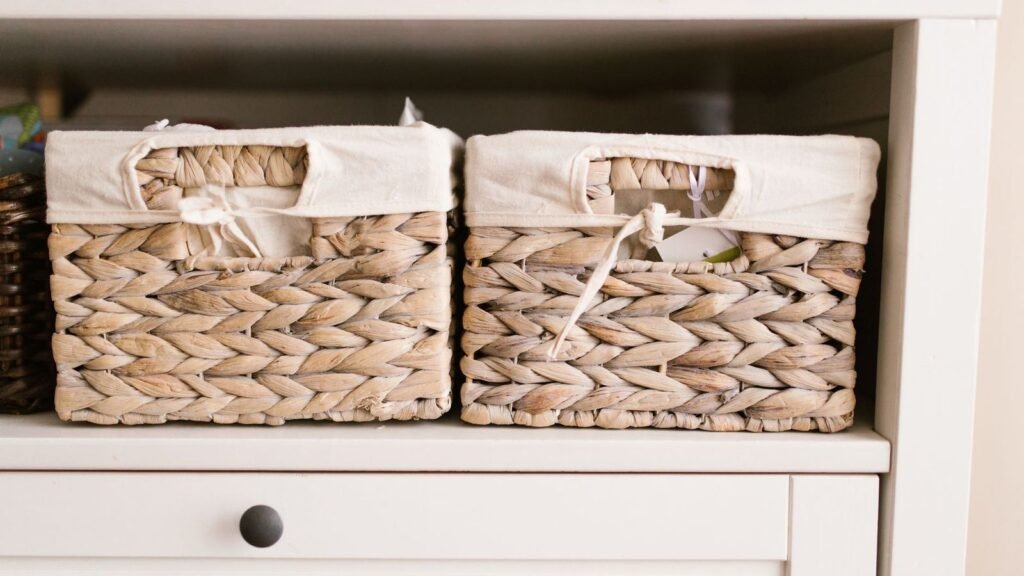
At the end of a rainy walk, you may need a clean crate blanket in seconds—only to find the spare ones trailing out of an open basket or buried beneath towels. The choice in a puppy blanket basket vs shelf storage setup comes down to a simple tradeoff: a basket puts blankets close to where you use them, while a shelf keeps clean folds more orderly and usually farther from curious teeth.
What to Look For in puppy blanket basket vs shelf storage
Use decision criteria tied to puppy blanket basket vs shelf storage: space, upkeep, how it fits your routine, and everyday usability.
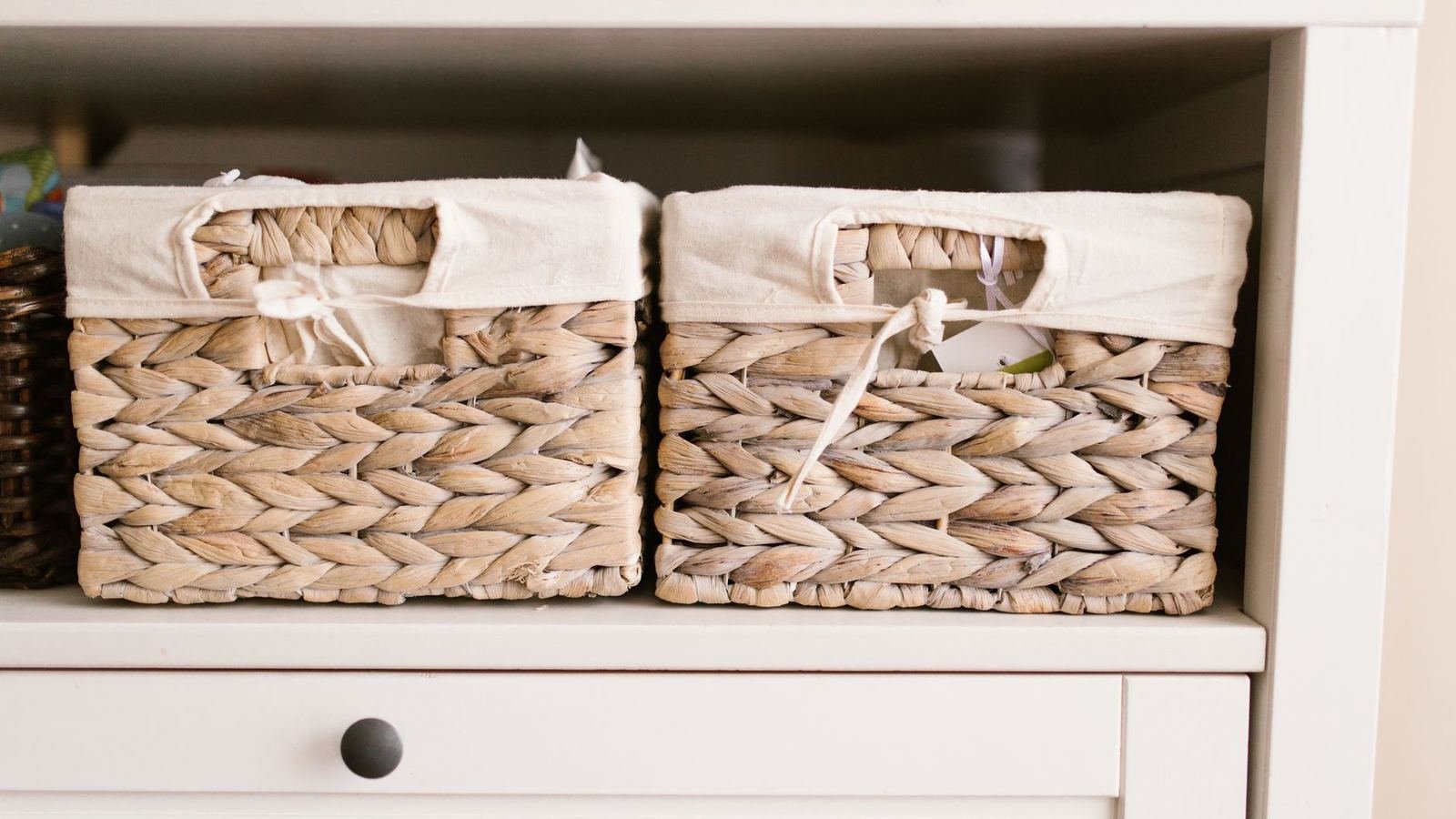
New puppy owners often need blankets for quick naps, crate time, car rides, and muddy-day swaps. That makes easy access important, but an uncovered floor basket can also give a puppy access to fabric edges, wicker, handles, or the blankets themselves. If your puppy can reach the storage spot and tends to tug at anything hanging out, a basket is not automatically the convenient choice it first appears to be.
Use this immediate rule: store only two or three folded, clean blankets at the puppy-use spot, and keep the rest out of reach on a higher shelf or in a closed closet. This keeps a fast swap available without turning your full blanket supply into a pile your puppy can pull apart. Keep damp, muddy, or soiled blankets separate in a washable hamper or a designated laundry spot; they should not go back with clean crate and nap blankets.
For example, in a one-bedroom apartment, a lidded or elevated basket beside the crate can hold the current blanket and one backup if the puppy cannot open or reach it. Fold the remaining clean blankets on a closet or entry shelf, where they stay neater between laundry days. Exact dimensions and capacity depend on your room and the storage piece, but the division is useful: daily-use blankets nearby, clean reserves protected above.
A basket generally suits frequent, adult-managed swaps and homes with safe floor space. A shelf suits puppies who investigate loose fabric, homes with limited floor room, or anyone who prefers a visibly tidy stack. The best choice is the one that makes a clean blanket easy for you to grab while making it difficult for your puppy to turn that blanket into the next thing to drag, chew, or shred.
When a Floor Basket Makes Blanket Swaps Easier
For the puppy blanket basket vs shelf storage choice, use a floor basket when you need to change blankets quickly at the crate, nap area, or entry after a muddy walk—and your puppy cannot freely pull from it. A basket works best as a small, active supply of two or three clean, folded blankets. Keep it beside the crate or behind a baby gate, rather than leaving loose fabric within easy reach.
Start by placing only freshly washed, fully dry blankets in the basket, folded with the loose edges tucked inward. Choose a lidded basket or an elevated basket if your puppy investigates, tugs, or chews household items. Wicker, fabric sides, handles, and blanket corners can all become tempting to mouth, so an open basket on the floor is not a good fit for a puppy who can reach it unsupervised. The ASPCA notes that dogs may chew household objects, so limiting access to tempting items is a sensible part of setting up a puppy-safe space.
- Set up the clean supply: Keep two folded blankets in the basket: one ready for the crate and one for a daytime nap spot.
- Create a separate dirty spot: Put damp, muddy, or soiled blankets straight into a washable hamper or a designated laundry bag. Do not return them to the clean basket “just for now.”
- Adjust after a few days: If the basket stays orderly and your puppy ignores it, the location is working. If blankets get dragged out or the basket is constantly overflowing, move clean blankets to a shelf and leave only one swap blanket accessible to you.
| Criteria | Floor basket | Shelf storage |
|---|---|---|
| Puppy access | Higher unless lidded, elevated, or gated off | Lower when placed above puppy reach |
| Clean appearance | Casual; depends on neat folding and a lid | Neater when blankets are stacked in a defined section |
| Floor footprint | Uses floor space near the crate or entry | Uses wall or closet space instead |
| Laundry convenience | Fastest for immediate swaps | Better for holding a larger clean backup supply |
| Capacity | Best for a small rotation | Usually better for several folded blankets |
| Ease of cleaning | Needs shaking or wiping, especially near an entry | Easy to wipe, but stacks need occasional refolding |
In a one-bedroom apartment, a lidded or elevated basket beside a gated crate can hold two clean blankets for fast swaps, while the remaining folded blankets live on a closet or entry shelf. The basket handles the daily routine; the shelf protects the backup supply from puppy access and keeps the room calmer. Exact dimensions and capacity depend on the space and storage piece, but the division is simple: clean, ready-to-use blankets near the crate only when they can stay out of your puppy’s reach; extra clean blankets up high; dirty blankets in their own washable laundry spot.
Worked Example: One-Bedroom Apartment Blanket Setup
For a puppy blanket basket vs shelf storage decision in a one-bedroom apartment, the most useful setup is often a small access point near the crate plus a higher protected place for the clean backup supply. The basket handles the blanket needed right now; the shelf prevents every clean blanket from becoming something the puppy can drag out, mouth, or shred.
Picture a crate placed along the living-room wall, with the entry door and a narrow coat closet nearby. Keep only one crate blanket and one nap blanket available at floor level. Put the rest away in a closet or entry shelf. Exact dimensions and capacity depend on your room, the blankets you use, and the storage piece, so measure the clear space beside the crate or inside the closet before buying anything.
| Criterion | Basket near the crate | Closet or entry shelf |
|---|---|---|
| Puppy access | Easy for a puppy to reach unless it has a secure lid or sits on a raised surface. | Usually safer when placed above puppy reach or behind a closed closet door. |
| Clean appearance | Can look relaxed and convenient, but loose edges can spill out. | Keeps folded blankets visually contained and easier to sort by size. |
| Floor footprint | Uses floor space beside the crate, sofa, or entry. | Uses vertical or existing closet space instead of walking space. |
| Laundry convenience | Fast for a dry, clean replacement during a muddy-day swap. | Best for keeping the full clean rotation together after laundry. |
| Capacity | Works best for one or two folded blankets. | Can hold several folded blankets without compressing the daily-use area. |
| Ease of cleaning | Choose a smooth, wipeable bin or washable fabric liner. | Wipe the shelf and use a washable shelf liner if needed. |
- Crate-side clean basket:
Crate-side clean basket — shop optionsSee on Amazon
Place a small rectangular bin with a fitted lid or a handled plastic storage tote on a low table beside the crate. Keep only two freshly washed blankets inside: one for the crate and one for an immediate nap-area change. A lid matters if your puppy investigates fabric edges, basket handles, or wicker. If the bin stays on the floor, make sure the lid closes fully rather than leaving a blanket corner exposed.
- Raised basket option:
Raised basket option — shop optionsSee on Amazon
If you want the convenience and softer look of a basket, use a narrow lidded fabric storage cube on a sturdy console shelf or the lowest shelf of a bookcase that the puppy cannot reach. Fold blankets into compact rectangles, with the next blanket facing outward. Avoid open woven baskets in chewing range; wicker, fabric handles, and dangling blanket corners can be tempting targets for a puppy that likes to pull or chew household items. The ASPCA advises managing access to items that may be chewed while working on destructive-chewing concerns.
- Clean-backup shelf:
Clean-backup shelf — shop optionsSee on Amazon
Reserve one closet shelf or upper entry shelf for the rest of the clean blanket rotation. Use two shallow, open-front plastic bins or shelf baskets: one marked “crate” and one marked “nap.” This makes it clear which folded blanket fits each job and stops clean blankets from mixing with towels, outdoor gear, or cleanup supplies. A shelf is the stronger choice when the puppy can reach any floor basket or when you wash blankets frequently enough to need several ready replacements.
- Dirty-laundry landing spot:
Dirty-laundry landing spot — shop optionsSee on Amazon
Put a washable, lidded laundry hamper or a small wipeable tote near the bathroom or laundry area—not beside the clean blanket supply. After a wet walk, shake off loose dirt where appropriate, then place the used blanket in this separate spot until wash day. Never return a damp, muddy, or soiled blanket to the basket or shelf with clean blankets, even temporarily. A clearly separate dirty spot keeps the clean supply usable when the next crate or nap-time swap is needed.
In this apartment example, the basket is not the main storage location; it is the quick-change station. The shelf is the protected reserve. That division works especially well if the crate is in the living room but laundry is stored elsewhere: grab one clean blanket without opening a closet during a busy moment, then move the used blanket directly to the dirty-laundry spot.
If your puppy ignores blankets and the crate area is roomy, a lidded basket may hold the entire small rotation. If the puppy regularly pulls items from containers, or if floor space is tight, choose shelf storage as the primary system and keep just one blanket in use. Preparing defined spaces for puppy supplies can make everyday routines easier to maintain, a practical approach also reflected in the AKC’s new-puppy preparation guidance.
Use a Two-Spot System for Clean and Dirty Blankets
For the puppy blanket basket vs shelf storage decision, the most dependable routine is simple: keep clean blankets in one protected spot and move used blankets to a separate washable hamper or temporary laundry spot. This prevents a damp, muddy, or fur-covered blanket from ending up with the fresh ones you need for crate time or an unexpected nap.
| Criterion | Basket storage | Shelf storage |
|---|---|---|
| Puppy access | Easy to reach unless lidded or elevated; loose edges, handles, wicker, and fabric may invite pulling or chewing. | Usually easier to keep out of reach when placed high enough. |
| Clean appearance | Can look relaxed but becomes messy when blankets are tossed in. | Neater when blankets are folded into small stacks. |
| Floor footprint | Uses floor space near the crate or entry. | Uses wall, closet, or cabinet space instead. |
| Laundry convenience | Fast for grab-and-swap moments. | Requires a short trip to the shelf, but keeps backups protected. |
| Capacity | Depends on the basket shape and how bulky the blankets are. | Depends on shelf width, height, and folding style. |
| Ease of cleaning | Open baskets can collect fur and crumbs. | Shelf surfaces are straightforward to wipe before restocking. |
Try this routine for one week: place only one currently usable blanket at the puppy’s resting area, keep two or three clean backups in your chosen protected location, and put every removed blanket directly into the dirty-laundry spot. If your puppy pulls at an accessible basket, switch the clean supply to a closet or entry shelf rather than repeatedly picking up shredded blanket corners. The ASPCA notes that destructive chewing can be managed in part by keeping tempting items out of reach, which supports choosing storage based on what your puppy can access.
In a small apartment, a lidded or elevated basket can still work for quick swaps near the crate, while folded clean blankets on a closet or entry shelf provide the safer reserve. Exact dimensions and capacity depend on your home and storage piece, so choose based on your actual blanket pile rather than a product label.
Next step: Gather your puppy blankets today, set aside one clean blanket for immediate use, and assign one hamper or washable bag as the only place for dirty blankets.
What you’ll actually use
These are the pieces this setup actually uses. If one does not earn a place in your home, leave it off the list.
- First Aid Kit: Keep this where puppy blanket basket vs shelf storage actually happens, and skip it if you already have a version that works.
- Over Door Organizer: Keep this where puppy blanket basket vs shelf storage actually happens, and skip it if you already have a version that works.
- Baby Gate: Keep this where puppy blanket basket vs shelf storage actually happens, and skip it if you already have a version that works.
- Crate Pad: Keep this where puppy blanket basket vs shelf storage actually happens, and skip it if you already have a version that works.
- Soft Crate: Keep this where puppy blanket basket vs shelf storage actually happens, and skip it if you already have a version that works.
FAQ
What to Look For in puppy blanket basket vs shelf storage?
Use decision criteria tied to puppy blanket basket vs shelf storage: space, upkeep, how it fits your routine, and everyday usability. Photo by RDNE Stock project on Pexels New puppy owners often need blankets for quick naps, crate time, car rides, and muddy-day swaps.
When a Floor Basket Makes Blanket Swaps Easier?
For the puppy blanket basket vs shelf storage choice, use a floor basket when you need to change blankets quickly at the crate, nap area, or entry after a muddy walk—and your puppy cannot freely pull from it. A basket works best as a small, active supply of two or three clean, folded blankets.
What should I know about worked example: one-bedroom apartment blanket setup?
For a puppy blanket basket vs shelf storage decision in a one-bedroom apartment, the most useful setup is often a small access point near the crate plus a higher protected place for the clean backup supply. The basket handles the blanket needed right now; the shelf prevents every clean blanket from becoming something the puppy can drag out, mouth, or shred.