
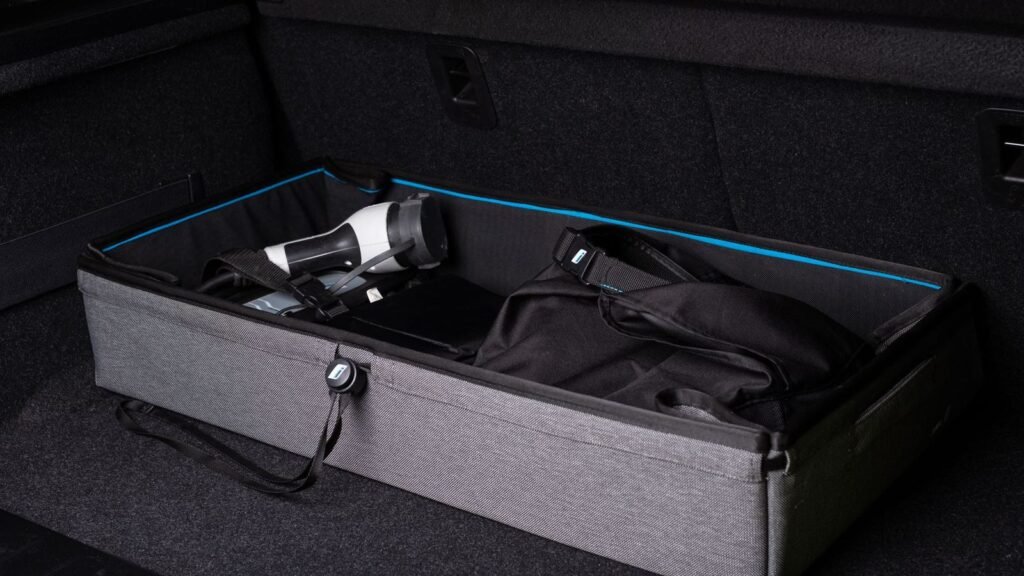
The best puppy car gear storage is not a trunk full of puppy products. It is one small, repeatable zone where the leash, waste bags, towel, collapsible water bowl, wipes, and seat-cover accessories stay together instead of migrating under seats and into grocery bags. Picture arriving at a park with a wiggly puppy, only to find the leash tangled with a reusable shopping bag and the wipes rolling beneath the passenger seat. A simple car kit prevents that last-minute scramble while keeping puppy supplies separate from the jumper cables, umbrella, sports gear, and other everyday vehicle items.
What to Look For in best puppy car gear storage
Use decision criteria tied to best puppy car gear storage: space, upkeep, how it fits your routine, and everyday usability.
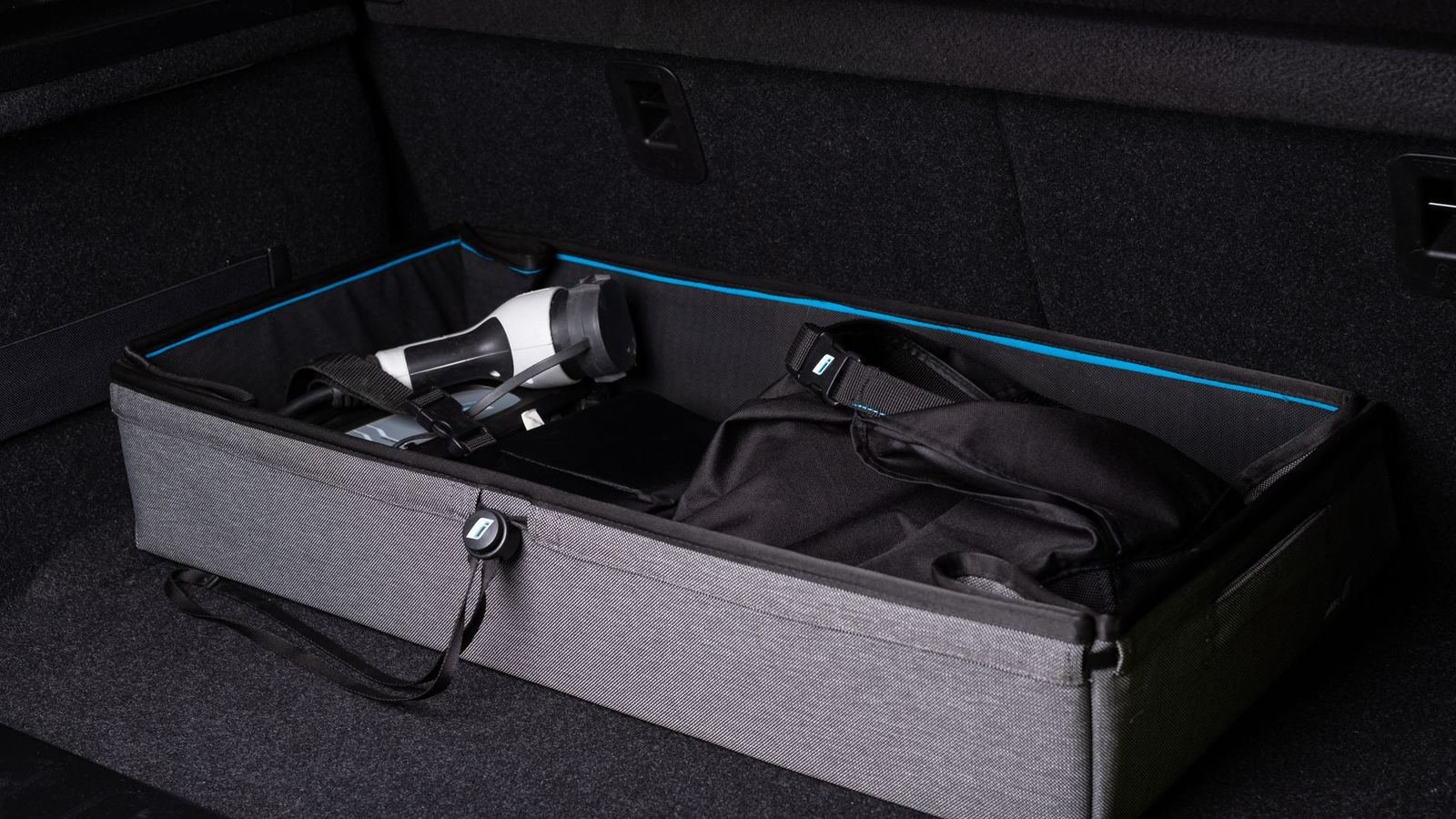
The problem is usually not a lack of storage space; it is that each item has entered the car separately. A towel gets tossed in after a wet walk, a roll of bags goes in a door pocket, the bowl stays in the cup holder, and the seat-cover straps disappear into the cargo area. Before long, the supplies are difficult to find, loose gear shifts around during driving, and a small trunk feels smaller than it is.
Start by choosing one vehicle zone for the kit: a lidded tote in the cargo area, a slim caddy on the floor behind the front passenger seat, or a seat-back organizer if your back seat is usually free. Keep only outing essentials there. The rest—extra toys, unopened bulk supplies, spare blankets, and grooming gear—can stay at home.
For a practical small-car setup, use a shallow, handled bin that fits flat against one side of the trunk. Put the leash and waste bags in a small zip pouch, place wipes and the folded water bowl upright where they are easy to grab, and keep a clean towel in a separate washable bag. Reserve one waterproof bag for the wet towel or muddy seat-cover accessories after an outing. That clean-and-dirty split keeps the kit usable without turning the whole car into puppy storage.
A good system should take only a few seconds to reset when you get home: remove the damp items, replace used bags or wipes, and return the bin to its assigned spot. The goal is a contained travel kit that supports your routine without claiming the entire trunk.
What Puppy Gear Should Stay in the Car
The best puppy car gear storage keeps only the supplies that solve a predictable outing problem: a walk, a spill, a muddy paw, or a short wait away from home. Start by assigning one small, secured zone—such as a lidded tote in the cargo area or a contained caddy on the rear floor—to puppy items only. Keep your everyday car items, such as shopping bags, umbrellas, and jumper cables, outside that zone so puppy gear is easy to spot and replenish.
- Walk essentials: Keep one spare leash or long line if it is used for outings, a roll of waste bags, and a small clip or dispenser. Store them in a zip pouch inside the main container so bags do not unwind under other items.
- Water kit: Pack a collapsible bowl and a sealed water bottle reserved for the puppy. Put both upright in a wipeable pouch or small bin to contain drips.
- Cleanup kit: Carry a washable towel, unscented pet-appropriate wipes, and a few spare bags for wet or dirty items. Roll the towel rather than folding it; it takes up less room and is easier to pull out with one hand.
- Seat-cover accessories: Keep spare clips, a small brush for loose debris, or a compact lint roller with the seat cover rather than in the walk kit. These items are used at the car, not at the curb.
A simple small-car setup might be one lidded bin behind the passenger seat: a pouch for leash and waste bags on top, water bowl and bottle along one side, and a rolled towel in a separate washable bag. The bin keeps gear from spreading across the trunk, while the inner pouch prevents the smallest items from disappearing. Secure or stow the container so it does not shift while driving, and leave enough cargo space for groceries or a stroller.
Avoid storing the entire puppy supply collection in the vehicle. Extra toys, bulk food, grooming tools, training equipment, and multiple backup leashes turn a useful kit into trunk clutter. Do not leave damp towels mixed with clean wipes and bowls; move wet items into the dirty-items bag and bring them inside after the trip.
Adjust the kit when your routine changes. Add a second towel during rainy weeks, restock waste bags after a busy weekend, or reduce the kit to a small pouch if most trips are quick neighborhood walks. If you begin taking longer outings, check the container before leaving rather than adding loose supplies to the car at the last minute.
Use a Grab-and-Go Caddy for Walks and Appointments
The best puppy car gear storage system often includes one small grab-and-go caddy: a handled container that lives in the car but can come inside with you in one trip. It keeps the items needed immediately after parking from getting buried under a towel or rolling through the cargo area. Think of it as the “leave-the-car” portion of your setup, while bulkier items such as an extra towel or seat-cover accessories stay in their assigned vehicle zone.
Choose a caddy that fits the space you actually have. In a compact hatchback, a narrow soft-sided tote that fits beside the rear seat may be more useful than a rigid bin with a lid. In an SUV, a shallow handled bin can sit inside a larger cargo-area tote. The goal is not to fill every compartment. It is to keep one outing-ready group separate from groceries, reusable shopping bags, jumper cables, and other everyday car items.
- Pack in the order you use items: Put the leash and waste-bag dispenser in the most reachable pocket or at the top of the caddy. Place the collapsible water bowl and a small water bottle beside them, followed by wipes and a clean towel. When you pull into a park with an excited puppy, you should, when it fits your space and routine, be able to clip on the leash before opening other containers. A common pitfall is packing by item size instead of use order, which leaves the leash underneath a bulky towel when you need it first.
- Give each item one fixed pocket or pouch: Use a small zip pouch for waste bags, another for wipes, and a washable pouch for a spare leash or long line if you carry one. This prevents the “everything is technically in here” problem, where supplies still need to be emptied onto the pavement to be found. After each outing, return items to the same spot before driving away. If a pouch is empty, it becomes an obvious restocking signal rather than a surprise halfway through a walk.
- Separate clean supplies from used or damp supplies immediately: Keep a waterproof zip bag or washable wet bag clipped inside the caddy for a used towel, muddy wipes, or a damp seat-cover strap. For example, after a rainy training class, place the wet towel in that bag before putting the caddy back in the cargo area. Do not return damp items to the clean towel compartment “just until later”; trapped moisture and dirt quickly turn a neat kit into a cleanup job.
- Use a removable caddy for appointments: Before leaving for a grooming visit, puppy class, or routine appointment, lift out the caddy rather than carrying separate supplies from the car. Bring only what may be needed indoors: leash, water bowl, waste bags, wipes, and any paperwork you have chosen to carry. Put paperwork in a dry sleeve that stays separate from towels and liquids. The pitfall here is leaving the caddy loose on a seat after unloading; return it to its anchored car location before the next drive so it does not become another loose vehicle item.
- Secure the caddy in its home zone: A handled caddy is convenient, but it should not slide around while you drive. Place it inside a fitted cargo tote, behind a cargo divider, or in a footwell only when that location does not interfere with normal vehicle use. In a small sedan, a low bin on the rear floor behind the front passenger seat often uses less trunk space than a large organizer. Avoid treating a seat-back pocket as the only storage for heavier supplies; it is better for flat, lightweight items such as spare waste bags or a folded microfiber cloth.
- Set a short reset time after the last outing of the day: Take two minutes when you arrive home to discard used waste-bag rolls, remove wet items, and check the water bowl and wipes. Replace the towel only if the clean one has been used or the spare is gone. For a puppy who goes out several times daily, this reset prevents a nearly empty caddy from staying in the car for days. The usual pitfall is waiting until the next outing to check supplies, when the puppy is already ready to go and there is no time to search the house.
A practical small-car example is a medium handled caddy positioned inside a shallow trunk tote. The caddy holds the leash, bag dispenser, bowl, wipes, clean towel, and waterproof bag. The surrounding tote holds the seat-cover accessories and one backup towel. When you park for a neighborhood walk, take only the caddy. When the towel gets muddy, move it into the waterproof bag, then wash and replace it during the evening reset. This two-part arrangement keeps the everyday outing kit easy to lift while preventing larger gear from taking over limited trunk space.
For a longer car trip, add only the supplies that change the plan for that day rather than turning the caddy into a duplicate of your home puppy station. The AKC’s new-puppy preparation guidance emphasizes having basic care supplies ready; for car organization, that principle works best when those basics have a defined container and a clear return spot. A caddy that is light enough to carry, simple enough to reset, and contained enough not to spill into the rest of the car is usually more useful than a larger organizer with many unused compartments.
Keep Wet, Dirty, and Clean Supplies Separate
The best puppy car gear storage system does not need many compartments, but it does need a clear boundary between items that touch mud, damp fur, or the ground and items you want ready to use cleanly. A leash after a rainy walk, a used towel, and a muddy seat-cover strap can quickly make the whole kit unpleasant to sort through if they are dropped back into the same open tote as wipes and a water bowl.
A simple approach is to assign one washable pouch or small waterproof bag as the “used” side of your car kit. Everything damp or dirty goes into that bag until you get home. Keep the clean supplies in the main caddy, bin, or cargo-area tote. This takes very little trunk room and prevents one wet towel from spreading moisture through the rest of your outing gear.
- Putting every item into one open bin: A wet towel ends up against the leash, wipes, and collapsible bowl, so the next outing begins with damp or dirty supplies. It fails because the bin has no return spot for used items. Use a separate washable wet bag inside or beside the main container, and empty it after the trip.
- Returning a dirty leash to the clean compartment: Dirt on the leash transfers to the handles, waste-bag roll, and anything else you grab in a hurry. The better move is to coil the leash loosely and place it in the used bag after muddy walks. Once home, clean and dry it before returning it to its usual car spot.
- Keeping a damp towel folded in the car: A folded towel hides moisture and takes up more useful space each time it is reused. Instead, shake off loose dirt outside, place the towel in the wet bag, and replace it with a clean, dry towel when you unload the car.
- Storing wipes next to leaks and muddy accessories: Even a sealed wipe pack becomes frustrating when it is covered in grime or buried under a soggy seat-cover accessory. Keep wipes upright in the clean section, ideally in a small lidded container or zip pouch that is easy to see when the car door is open.
- Letting the “used” bag stay in the vehicle for days: Separation only works when the dirty items leave the car. Make unloading part of the arrival routine: take out the wet bag, check whether the waste-bag roll is low, and return one clean towel to the kit.
For example, a small hatchback can use one compact lidded tote behind the passenger seat: clean towel, wipes, water bowl, and waste bags inside; leash clipped to the tote handle; and a flat waterproof pouch tucked alongside it for used gear. The tradeoff is that a lidded tote is slightly slower to open than an uncovered basket, but it keeps clean supplies contained when the car is parked or the tote shifts during driving.
Keep the dirty pouch deliberately small. It should hold one towel, a leash, and a removable seat-cover accessory—not become a second trunk bin. That limit encourages a quick reset and keeps puppy supplies from taking over the cargo area.
Refresh the Car Kit Without Letting It Become Clutter
The best puppy car gear storage is a routine you can maintain, not a container you keep filling. This week, choose one day when the car is already parked at home and spend five minutes resetting the puppy zone. Bring the caddy, tote, or bin inside, remove anything that does not support a normal outing, and return only the few supplies you actually use.
For example, a small-car setup may hold one leash, a roll of waste bags, a collapsible water bowl, a small water bottle, a microfiber towel, a packet of puppy-safe wipes, and the accessories that belong with the seat cover. If an old toy, three empty treat bags, a muddy tennis ball, or extra grooming supplies have collected in the same space, move them out. Those items make the essentials harder to grab when the puppy needs a quick walk or has wet paws after a stop.
- Empty the zone: Take out every puppy item from its assigned car container.
- Sort by condition: Wash or dry the towel, discard used wipes and empty bag rolls, and move dirty items into the laundry or cleaning area at home.
- Restock to a limit: Keep one active version of each essential rather than backups of everything. Add a new waste-bag roll only when the current one is low.
- Return items to fixed spots: Put clean, dry supplies in the main compartment and keep anything damp or muddy in its separate washable pouch until it can come inside.
- Check the footprint: Make sure the setup still leaves room for groceries, a stroller, or other everyday cargo your household needs.
This simple reset solves the real frustration behind puppy travel clutter: the leash is no longer buried under towels, wipes are not rolling beneath a seat, and the trunk does not gradually become a second storage room. A compact kit works because each item has a job and a clear return place after the outing.
Before your next drive, place the complete kit in its chosen car zone, secure the container so it will not shift around, and remove one item that has not been used in the past two weeks.
FAQ
What to Look For in best puppy car gear storage?
Use decision criteria tied to best puppy car gear storage: space, upkeep, how it fits your routine, and everyday usability. Photo by Vitali Adutskevich on Pexels The problem is usually not a lack of storage space; it is that each item has entered the car separately.
What Puppy Gear Should Stay in the Car?
The best puppy car gear storage keeps only the supplies that solve a predictable outing problem: a walk, a spill, a muddy paw, or a short wait away from home. Start by assigning one small, secured zone—such as a lidded tote in the cargo area or a contained caddy on the rear floor—to puppy items only.
What should I know about use a grab-and-go caddy for walks and appointments?
The best puppy car gear storage system often includes one small grab-and-go caddy: a handled container that lives in the car but can come inside with you in one trip. It keeps the items needed immediately after parking from getting buried under a towel or rolling through the cargo area.