
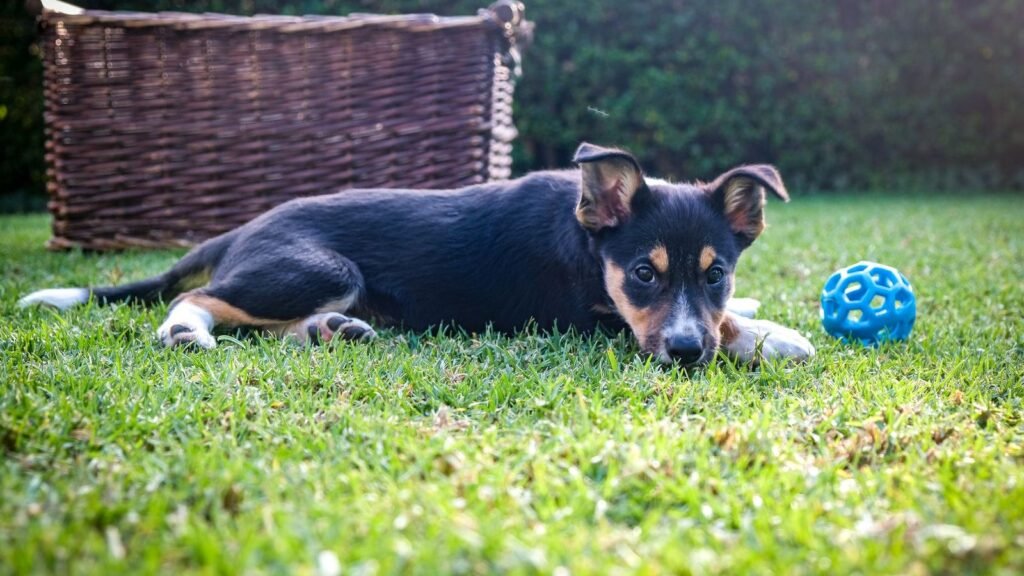
The best puppy storage bin for dog toys is not necessarily the prettiest basket by the sofa. It is the one that gives your puppy’s approved playthings a clear home, takes seconds to reset at night, and does not turn into another tempting object to chew, tip, or drag across the room. When a puppy has just scattered a rope toy, rubber chew, and plush toy during a busy evening, one dependable bin can make the difference between a calm pickup and a floor that stays cluttered until tomorrow.
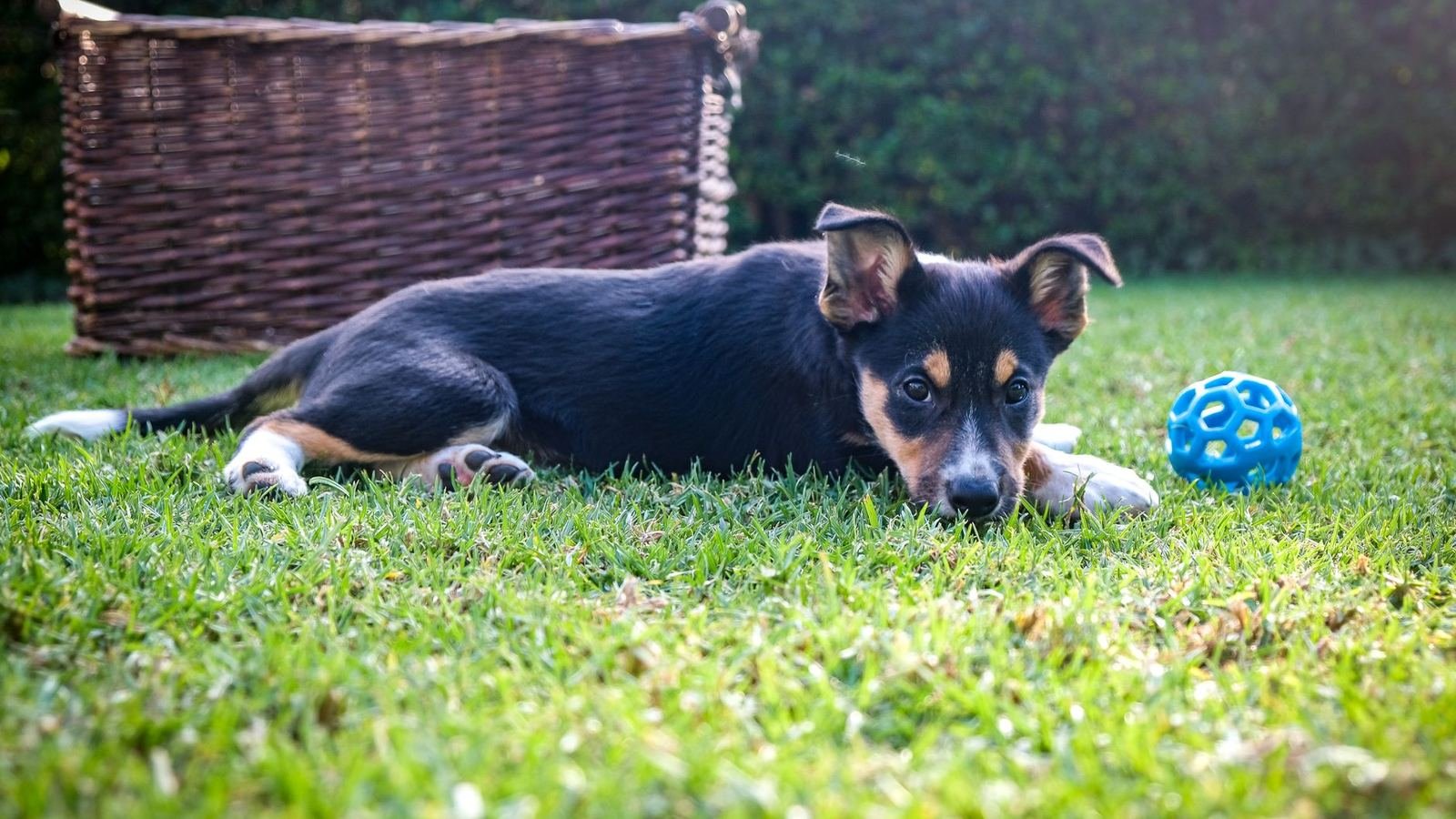
The problem is straightforward: you need one toy-storage spot that keeps floors clear without making supervised play inconvenient. A bin that is too deep hides toys at the bottom. One with a tight lid may slow down cleanup or become something a curious puppy paws at and chews. A soft basket can be easy to carry but may not hold its shape after frequent washing or rough use. The right choice depends less on décor and more on where the bin will sit, which toys belong in it, and whether your puppy can reach it safely.
Start with the location before comparing materials. In a small living room, place a low, open, easy-wipe bin beside the area where you already sit for playtime, not beside the front door or in a narrow walking path. Keep only a small set of currently approved, larger toys inside: for example, one durable chew, one fetch toy, and one comfort toy. Put extra toys, replacements, and anything small, breakable, or not appropriate for your puppy in a closed cupboard or a higher closet bin.
That setup keeps the everyday bin useful rather than overflowing. It also supports a simple rule: toys come out during supervised play and go back when play ends. Check items as you reset the bin, removing toys that are damaged or coming apart. The ASPCA advises choosing toys carefully and supervising dogs with chew items, especially when a dog may tear off or swallow pieces. A storage bin helps organize the routine, but it does not make toys safe for unsupervised access.
Open, Lidded, Fabric, or Plastic: Which Fits Your Routine
The best puppy storage bin for dog toys is usually the one your household can empty, refill, and wipe down without thinking twice. Start by choosing the bin’s job: keep only the toys currently approved for supervised play within easy reach, then store extras, replacements, and smaller items somewhere higher and closed. A toy bin keeps the floor clearer; it does not make toys appropriate for unsupervised chewing.
- Open basket: Choose this for a living room or play area when you want a fast one-handed cleanup. A low, sturdy open bin works best for a small selection of larger, durable toys. Avoid loosely woven baskets, frayed rope handles, or any material your puppy can pull apart and chew.
- Rigid plastic bin: Pick smooth, easy-wipe plastic for muddy toys, drooly rubber toys, or a busy home where the bin needs frequent cleaning. Look for rounded edges and a stable base that will not tip when your puppy noses it. Avoid cracked plastic, sharp rims, and very deep bins that make it hard to see damaged toys at the bottom.
- Soft-sided fabric bin: Use this only if it stands upright when partly full and has no dangling handles, loose seams, or chewable inserts. It is lighter and quieter than plastic, but it is a poor fit for a puppy that mouths furniture, baskets, or laundry hampers.
- Lidded bin: Use a lid for end-of-day reset or for holding the toy rotation out of sight, not as an unattended puppy-accessible container. A loose or chewable lid can become another object for your puppy to investigate. Keep it in a cupboard, closet, or on a high shelf when possible.
For a small living room, a practical setup is a low open plastic bin beside the sofa with four to six currently approved larger toys. At bedtime, return those toys to the bin in under a minute. Keep the backup squeakers, smaller toys, new toys, and replacements in a closed bin on a closet shelf. That split gives your puppy a clear play area without leaving every toy on the floor.
Avoid filling one large container until toys spill over. Crowded bins hide torn seams, loose pieces, and heavily damaged toys. Check the contents during daily pickup and remove anything broken or no longer suitable. The ASPCA advises supervising chewing and taking away items that could be swallowed or damaged; that same habit makes a toy-storage routine safer and easier to maintain. Adjust your bin choice if your puppy begins chewing the container itself, tipping it repeatedly, or if cleanup regularly takes more than a few minutes.
Pick the Right Bin Size for Your Toy Rotation
The best puppy storage bin for dog toys is usually sized for the toys your puppy may use today, not every toy you own. A bin that is too large tends to collect worn-out chews, mystery pieces, and toys that are not suitable for the current stage. One that is too small spills onto the floor before the day is over. Aim for a bin that holds a short, visible rotation with enough room to return each item in one quick sweep.
For most new-puppy households, start with a bin in the roughly 10- to 20-litre range, or one about the size of a small wastebasket or compact laundry tote. The right capacity depends on toy bulk: plush toys fill space quickly, while rubber toys and small balls take up less room. Leave a little empty space at the top so toys can be dropped in rather than packed down.
- Low open bin:
Low open bin, shop optionsSee on Amazon
Choose a shallow, rigid bin with smooth sides and a wide opening if you want the puppy’s currently approved larger toys available during supervised play. A rectangular plastic tote or open woven-look plastic basket around 12 to 16 inches wide works best when it aligns with your available space and routine beside a sofa or play area. Keep the rim low enough for easy adult cleanup, but do not treat floor-level access as permission for a puppy to play alone with every item inside.
- Medium rigid plastic bin:
Medium rigid plastic bin, shop optionsSee on Amazon
Choose a washable, open-top polypropylene bin with rounded corners for a busy home where toys may be damp, muddy, or covered in treat crumbs. A 15- to 20-litre rectangle is a practical one-bin size for a few chew toys, a ball, a tug toy, and one or two soft toys. Its firm shape prevents the pile from spreading outward, and it can be wiped clean before the next rotation goes in.
- Soft-sided fabric cube:
Soft-sided fabric cube, shop optionsSee on Amazon
Choose a structured fabric cube with a removable insert only when it will sit on a shelf or inside a cubby, rather than directly in the puppy’s chewing zone. It is a neat option for dry plush toys in a living room, but it is less useful for wet toys and may not suit a puppy that mouths seams, handles, or fabric edges. Check it regularly and remove it from reach if it becomes a target.
- Lidded backup tote:
Lidded backup tote, shop optionsSee on Amazon
Choose a clear, latching plastic tote for replacement toys, seasonal toys, and items waiting for inspection. This is not the everyday play bin; it belongs in a cupboard, closet, or on a high shelf. A lid helps contain clutter during cleanup, but a loose lid or exposed latch should not become an unsupervised puppy-accessible chew target. Store small, breakable, or puppy-inappropriate items separately and out of reach.
Here is a simple worked decision for a small living room: place one low, open 15-litre bin beside the main seating area and stock it with four larger, currently approved toys. After play, return those toys to the bin before bed. Keep the second group of toys, replacements, and anything that needs closer inspection in a closed tote inside a higher cupboard or closet. This arrangement keeps the floor clear without making the main bin a dumping ground for everything you have bought.
Use the bin size as a built-in limit. If the active toys no longer fit comfortably, do not buy a bigger bin immediately. First remove damaged toys, loose pieces, and toys your puppy has outgrown. The ASPCA advises choosing appropriate chew items and monitoring chewing behavior; that same habit makes toy storage safer because it encourages regular checks instead of leaving a mixed pile available indefinitely. See the ASPCA’s guidance on destructive chewing for broader supervision and chew-management advice.
Set Up a Simple Toy Rotation That Prevents Overflow
The best puppy storage bin for dog toys is the one that supports a repeatable routine: a small selection comes out for supervised play, everything returns to one place after playtime, and extra toys stay elsewhere until they are needed. This keeps a busy living room from gradually becoming a toy pile while making it easier to notice when a toy is damaged, missing a piece, or no longer suitable for your puppy.
Try this simple reset routine for one week:
- Choose five to eight larger, currently approved toys for the main bin.
- Put the bin in the room where your puppy is usually supervised, rather than in a distant closet.
- After each play session, pick up the toys with your puppy nearby and return them to the bin before bringing out another activity.
- At the end of the day, check each toy for loose parts, torn fabric, or broken pieces. Remove anything damaged rather than putting it back. The ASPCA advises choosing durable toys appropriate for a dog’s size and chewing habits and taking away items that can break into small pieces.
- Keep spare toys, replacements, and toys requiring closer supervision in a higher closed cupboard or closet bin.
- Open basket: Best when you want fast access and can keep only a short, supervised toy rotation inside. It is easy to see when the bin is full, but it offers no protection from a puppy who helps themselves.
- Rigid plastic bin: A practical choice for quick wipe-downs and a predictable nightly reset. Look for smooth edges and a stable shape that will not tip easily.
- Soft-sided bin: Useful where hard corners are a concern, but skip it if your puppy is likely to chew handles, seams, or the bin itself.
- Lidded bin: Helpful for putting toys away during cleanup or when guests arrive. Keep it out of puppy reach; a lid should not become an unsupervised chew target.
For example, in a small living room, use one low open bin beside the sofa for four larger approved toys: a sturdy rubber toy, a rope toy that is still intact, and two simple fetch or comfort toys. Keep rotation toys and replacements in a closed closet bin on a shelf. The floor stays clear, but supervised play is still easy to start.
Tonight, remove every toy from the main bin, discard damaged items, then return only the few toys your puppy can use during tomorrow’s supervised play.
FAQ
What should I know about open, lidded, fabric, or plastic: which fits your routine?
The best puppy storage bin for dog toys is usually the one your household can empty, refill, and wipe down without thinking twice. Start by choosing the bin’s job: keep only the toys currently approved for supervised play within easy reach, then store extras, replacements, and smaller items somewhere higher and closed.
What should I know about pick the right bin size for your toy rotation?
The best puppy storage bin for dog toys is usually sized for the toys your puppy may use today , not every toy you own. A bin that is too large tends to collect worn-out chews, mystery pieces, and toys that are not suitable for the current stage.
What should I know about set up a simple toy rotation that prevents overflow?
The best puppy storage bin for dog toys is the one that supports a repeatable routine: a small selection comes out for supervised play, everything returns to one place after playtime, and extra toys stay elsewhere until they are needed. This keeps a busy living room from gradually becoming a toy pile while making it easier to notice when a toy is damaged, missing a piece, or no longer suitable for your puppy.