
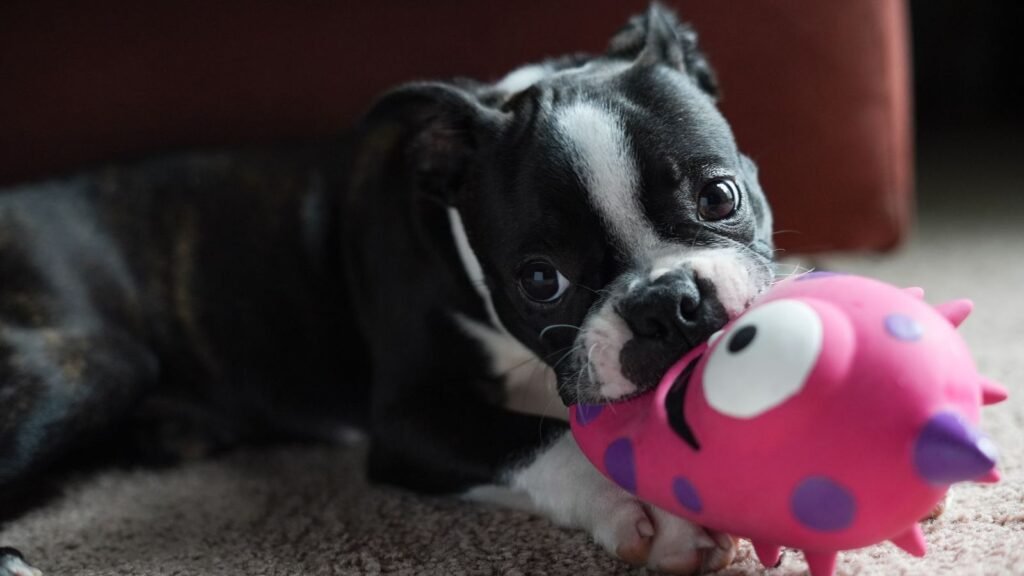
At the end of a busy evening, it is easy for a puppy’s chew toys to spread from the rug to the sofa and under the coffee table. The choice in puppy chew toy storage vs open bin comes down to one daily tradeoff: an open bin makes a small, supervised toy selection quick to reach, while closed storage keeps the rest of the rotation cleaner, out of sight, and less tempting when nobody is actively watching.
What to Look For in puppy chew toy storage vs open bin
Use decision criteria tied to puppy chew toy storage vs open bin: space, upkeep, how it fits your routine, and everyday usability.
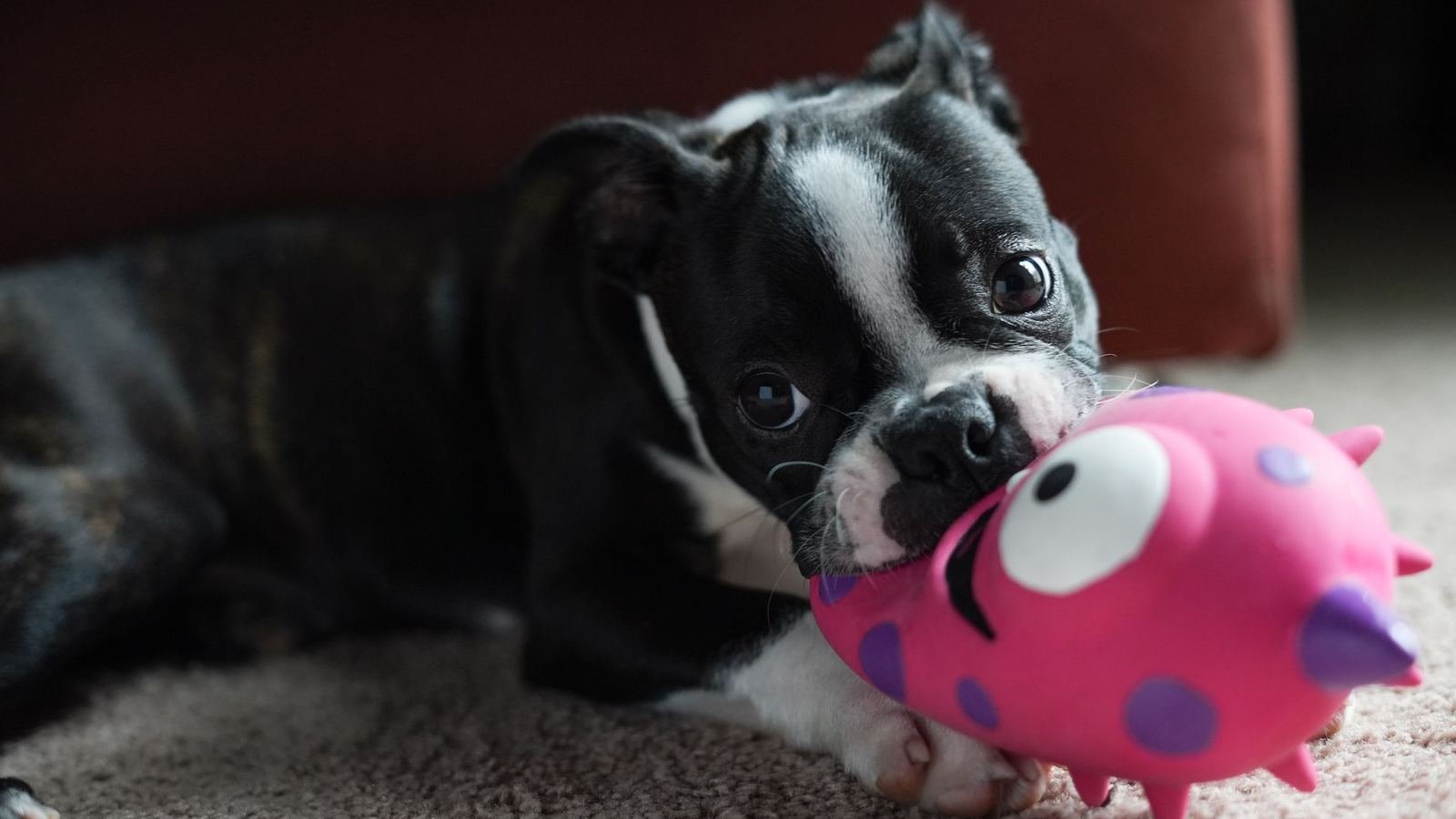
The problem is not owning too many toys. New puppy owners need a few appropriate chews ready for playtime, settling beside them, or a supervised break in the living room, without turning the whole room into a pile of dusty, damp, or already-worked-over toys. An open basket can make tidying up feel simple, but a puppy may learn that every toy is available at once. A lidded tote or cabinet reduces visual clutter and limits access, yet it adds one small step when you need to swap a toy quickly.
Start with a daily rotation of three to five toys, not the entire collection. For example, keep one chew, one soft toy, and one food-stuffable toy in a low, stable open bin only during supervised family time. Put the remaining toys in closed storage on a shelf, in a latched container, or behind a cabinet door. At cleanup time, return the daily toys to the bin, remove anything heavily soiled or damaged for inspection, and choose a different small set for the next day.
An open bin tends to suit a home where an adult is regularly in the room and there is enough floor space for a weighted, hard-to-tip container. Closed storage is usually the calmer choice in a small apartment, a busy household, or any home where the puppy is likely to nose through toys between play sessions. Neither option makes toys safe on its own: choose a container the puppy cannot easily tip, chew, or open, and test it during normal supervised use before relying on it.
Choose an Open Bin for Quick, Supervised Toy Access
For the puppy chew toy storage vs open bin decision, choose an open bin when you want a small, visible selection of toys ready for play while you are in the room. It works best for owners who can put the bin away or place it out of reach after the play session. The goal is not to give your puppy access to every chew all day; it is to make the current toy rotation easy for you to grab.
Start with one low, stable bin that holds only three to five toys. Keep it beside the spot where supervised play usually happens, such as the living-room rug or your desk chair. After breakfast, for example, place one chew, one soft toy, and one interactive toy in the bin. When your puppy finishes a supervised session, gather the toys before moving on to another task. This simple limit keeps the floor clearer and makes it easier to notice when a toy is dirty, damaged, or no longer suitable for use.
- Use a small daily rotation: Keep the open bin intentionally underfilled. A bin packed with every toy encourages dumping, makes cleaning harder, and leaves more items collecting dust.
- Choose a steady location: Put the bin against a wall or beside a heavy piece of furniture rather than in the center of a clear walkway. Check during normal supervised play whether your puppy can nose it over, drag it away, or chew its edge.
- Make pickup part of playtime: Before a walk, meal, or crate break, return the available toys to the bin and move it to a shelf, closet, or other puppy-inaccessible spot if your puppy will be unsupervised.
- Skip loose overflow: Avoid piling extra toys around the bin “just for today.” Once toys spread onto the floor, the open-bin system stops doing its job.
An open bin is less suitable if your puppy repeatedly empties containers, chews the container itself, or has access to the living room when nobody is actively watching. In that situation, keep only the toy you are using out at a time and shift the rest to closed storage. The ASPCA advises providing appropriate chew items and supervising a dog’s access to objects that could be damaged or unsafe to chew; toy storage should support that supervision rather than replace it.
Adjust the setup as your routine becomes clearer. If the bin remains tidy for a week and toys are easy to collect, the size and location are working. If toys are constantly scattered, reduce the daily selection before buying a larger container. A smaller open bin paired with a separate closed backup spot usually gives a new puppy owner the quickest access without turning the whole living area into permanent toy storage.
Practical options
For puppy chew toy storage vs open bin, the best choice is usually not one container for every toy. An open bin works as the small, supervised “today” collection; closed storage holds the rest until you choose the next rotation. That split keeps the living area calmer without making a wanted chew difficult to grab when you are sitting nearby.
- Low open daily bin:
Low open daily bin — shop optionsSee on Amazon
Choose a short, wide fabric or plastic bin with a weighted base, rounded edges, and no loose handles. Keep only three to five currently supervised toys inside: for example, one rubber chew, one soft toy that is still in good condition, and one food-stuffable toy used when you can watch your puppy. A bin no taller than your puppy’s shoulder is easy for you to reach, but place it beside the sofa or in a play area rather than leaving it as all-day self-serve storage. If your puppy repeatedly tips it, use a wider rectangular shape or move it onto a stable shelf behind a gate during downtime.
- Lidded rotation tote:
Lidded rotation tote — shop optionsSee on Amazon
Store backup chews in a hard-sided plastic tote with a close-fitting lid, sized to slide onto a closet floor, inside a cabinet, or under a bed where your puppy cannot reach it. This is the better choice for toys waiting to be cleaned, seasonal outdoor toys, and duplicates that would otherwise crowd the open bin. Use a tote with smooth interior walls rather than a woven basket, which can collect dust and can become another item a puppy tries to chew. A simple label such as “clean rotation” helps everyone in the home return toys to the right place.
- Cabinet shelf with a latch:
Cabinet shelf with a latch — shop optionsSee on Amazon
If floor space is tight or a curious puppy can nose open a loose lid, use one lower cabinet shelf fitted with a child-resistant latch. Put the day’s toys into the open bin only when supervised play begins, then return them to the cabinet afterward. This option suits apartment living rooms where the toy collection must disappear before guests arrive or when children share the space. Avoid storing chews with household cleaners, batteries, cords, or other non-puppy items.
- Washable liner basket:
Washable liner basket — shop optionsSee on Amazon
For households that want the softer look of a basket, choose a sturdy, low-sided basket with a removable machine-washable liner and keep it out only during active family time. The liner makes it easier to shake out crumbs and wash away ordinary dirt. It is less suitable for a puppy that pulls threads, chews fabric, or treats the basket itself as a toy. In that situation, closed hard-sided storage is the clearer, lower-clutter choice.
A practical setup for a small living room might be one open bin beside the couch containing four approved toys, plus one lidded tote on a closet shelf holding everything else. After breakfast, choose two toys from the tote and add them to the bin. Before leaving the room or settling in for the night, pick up the bin and put its contents away. The puppy sees a fresh, manageable selection rather than a floor covered with every chew owned.
Check each toy as you sort. Set aside anything heavily worn, cracked, torn, or missing pieces rather than returning it to rotation. The ASPCA notes that chewing is a normal dog behavior and recommends providing appropriate chew items while managing access to household objects; storage supports that management but does not replace supervision or toy inspection. Read the ASPCA’s chewing guidance.
Finally, test any new container during normal supervised use. Some puppies learn to flip lightweight bins or investigate lids surprisingly quickly. If that happens, do not rely on the container as a barrier: move the toy supply to a latched cabinet, higher shelf, or another area the puppy cannot access unsupervised.
A Simple Routine for Sorting, Cleaning, and Rotating Chews
For the puppy chew toy storage vs open bin decision, try a two-part routine this week: keep only a small, supervised selection available, and put every other chew away between play sessions. This gives your puppy something appropriate to engage with when you are together without turning the living room into permanent toy storage.
- Pick today’s small set: Choose two or three chews that are in good condition and fit the kind of supervised time you expect that day. For example, place one rubber chew, one soft toy, and one food-stuffable toy near the sofa before an evening of relaxed family time.
- Sort after each play period: When play ends, collect the toys before moving on to dinner, a walk, or bedtime. Put away toys that are still clean and sound. Set aside anything wet, sticky, heavily soiled, or showing loose pieces, splits, or other wear for cleaning or replacement. The ASPCA advises choosing toys carefully and supervising chewing, particularly when a dog may damage or swallow parts of an item.
- Clean on a simple schedule: Wipe or wash toys according to their care instructions, then let them dry completely before returning them to storage. A dry backup spot helps prevent a damp, dusty pile from becoming the default choice every day.
- Rotate rather than accumulate: At the end of the week, swap out one or two familiar chews for stored ones. You do not need to display everything you own to give your puppy variety.
Choose an open option when your household can reliably pick up the small daily set after supervised use. Choose closed storage when floor space is tight, toys otherwise linger around the room, or your puppy tries to raid, tip, or chew the container. A closed setup is especially useful for the larger backup collection, while an open setup suits the few toys you actively manage.
For example, in a small apartment, a puppy might have three chews brought out for an after-work hour on the rug. At bedtime, the owner checks each toy, washes the messy one, returns the safe dry toys to the backup storage, and leaves the floor clear. This routine addresses the real problem: toys stay easy to offer during supervised time, but dusty, worn, and constantly scattered chews do not take over the room.
Next step: Tonight, gather every chew in the living area, select three for tomorrow’s supervised play, and store the rest out of your puppy’s reach.
What you’ll actually use
These are the pieces this setup actually uses. If one does not earn a place in your home, leave it off the list.
- Chew Toys: Keep this where puppy chew toy storage vs open bin actually happens, and skip it if you already have a version that works.
- Food Mat: Keep this where puppy chew toy storage vs open bin actually happens, and skip it if you already have a version that works.
- Toys And Chews: Keep this where puppy chew toy storage vs open bin actually happens, and skip it if you already have a version that works.
- Crate Pad: Keep this where puppy chew toy storage vs open bin actually happens, and skip it if you already have a version that works.
- Soft Crate: Keep this where puppy chew toy storage vs open bin actually happens, and skip it if you already have a version that works.
FAQ
What to Look For in puppy chew toy storage vs open bin?
Use decision criteria tied to puppy chew toy storage vs open bin: space, upkeep, how it fits your routine, and everyday usability. Photo by Sean Brannon on Pexels The problem is not owning too many toys.
What should I know about choose an open bin for quick, supervised toy access?
For the puppy chew toy storage vs open bin decision, choose an open bin when you want a small, visible selection of toys ready for play while you are in the room. It works best for owners who can put the bin away or place it out of reach after the play session.
What should I know about practical options?
For puppy chew toy storage vs open bin , the best choice is usually not one container for every toy. An open bin works as the small, supervised “today” collection; closed storage holds the rest until you choose the next rotation.