

At 9:55 a.m., you may be opening a meeting link with a leash on the chair, training treats beside the keyboard, a squeaky toy under one foot, and a roll of paper towels balanced near your monitor. Puppy gear storage for work from home works best when it supports those quick breaks without allowing puppy supplies to spread across the place where you need to think and work. The goal is not to keep every item within arm’s reach. It is to create one nearby puppy station that makes the next potty trip, short play break, cleanup, or nap routine easy to handle, then easy to put away.
What to Look For in puppy gear storage for work from home
Use decision criteria tied to puppy gear storage for work from home: space, upkeep, how it fits your routine, and everyday usability.
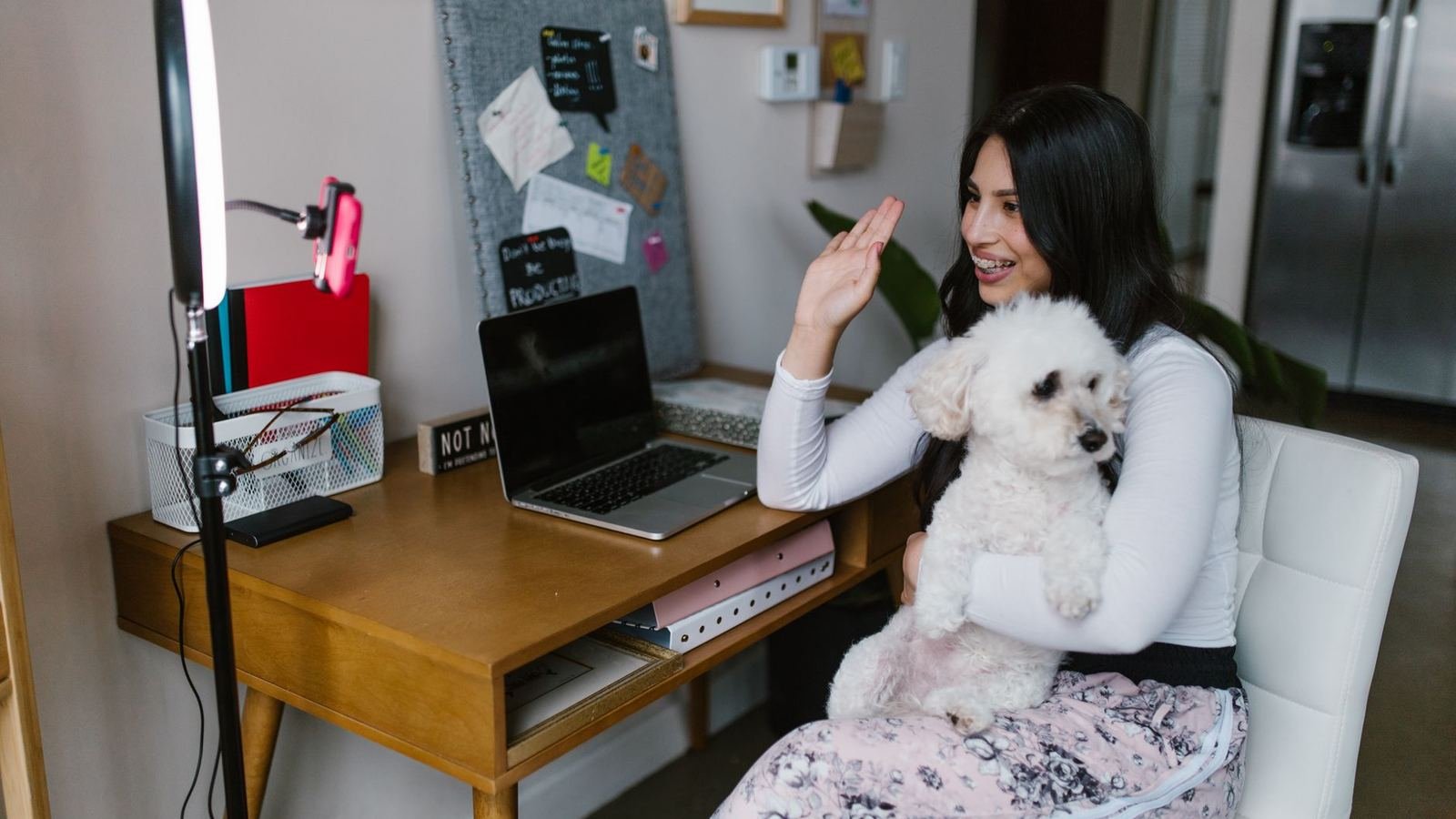
The challenge is that your puppy’s needs show up in small bursts throughout the day. You may need a leash and waste bags for a fast outdoor break, a towel for damp paws, treats for a supervised training moment, or bedding ready for a quiet rest period. Leaving all of those items open around your desk makes the room feel busy and can put cords, cleaners, small accessories, and food within reach of a curious puppy. A clear separation helps: keep work items on and in the desk, keep puppy-care items in one defined zone nearby, and reserve the puppy’s resting space for calm downtime rather than storage overflow.
For a practical small-space setup, place a stable lidded bin or closed lower cabinet a few steps from the desk for restricted items such as cleaning supplies, extra treat bags, replacement waste-bag rolls, and small grooming tools. Choose a closure and location that do not invite easy access, and keep it away from desk cords. The ASPCA notes that puppies may chew household items, so reducing access to tempting or hazardous objects is a sensible part of arranging the room. Its guidance on destructive chewing is a useful reminder to manage the environment rather than relying on a puppy to ignore every interesting item.
Then use one open basket for owner-managed supplies: the leash, a filled waste-bag holder, a washable paw cloth, and only the toys or treats you are actively using while present. Put the basket beside a bookcase, at the end of the desk, or just outside the office doorway, not underneath the desk, where it competes with your feet and cable space. Keep a separate bed, crate, or resting mat uncluttered for nap time. If you offer a chew or treat during a call, use only an item appropriate for your puppy and supervise as needed; storage should make routine care simpler, not turn a meeting into an unattended snack break.
One immediate reset can make a noticeable difference today: remove everything puppy-related from the desktop except what you need for the next few minutes, and assign each remaining item to either the closed storage, the accessible basket, or the resting area. When a supply has a home close to your work zone, but not on your work surface, you can respond to puppy needs quickly without making the whole office feel like a supply closet.
Choose one puppy station near, not under, your desk
For puppy gear storage for work from home, start with one compact station positioned a few steps from your chair, such as beside a bookcase, along the wall behind you, or near the doorway you use for potty breaks. Keep the desktop for work only. This gives you a fast place to grab the leash or a cleanup cloth without turning every call, keyboard tray, and desk drawer into puppy storage.
First, divide supplies by who needs access. An open, owner-managed basket can hold the items you reach for during supervised routine breaks: the leash, harness, waste bags, a small towel, and one or two toys currently in rotation. Put it on a stable low shelf or a side table where you can reach it while standing, not where the puppy can pull it over. Keep treats in a closed container inside the station rather than beside your monitor, so crumbs and open bags do not become a desk distraction.
- Accessible routine basket: Keep only daily walk and play items here. Limiting the basket to a leash, harness, bags, towel, and a small toy rotation prevents a large pile from forming beside your work area.
- Closed lower cabinet or lidded bin: Store cleaning supplies, spare treat bags, grooming tools, batteries, and other restricted items behind a secure closure. Choose stable construction and place it away from power cords; a lid alone is not a guarantee that a curious puppy cannot investigate it.
- Separate resting area: Set up the puppy’s bed, crate, or other quiet resting space away from the chair wheels and cable cluster. Keep nap-time essentials there, such as bedding and an owner-selected comfort item appropriate for that puppy. Do not assume any chew or treat is suitable for unattended use; supervise as needed.
A small apartment example: place a lidded bin in the bottom of a nearby shelving unit, put the routine basket on the middle shelf, and keep the puppy’s resting area on the opposite side of the room. The tradeoff is that the leash is not directly under your hand, but the extra three steps preserve a clear boundary between work equipment and puppy-care gear. The AKC recommends preparing a puppy-safe space and keeping potentially hazardous household items out of reach, which is especially important around desk cords and cleaning supplies.
Avoid placing anything under the desk except work equipment: loose treats invite scavenging, toys can roll into chair wheels, and cleaning products should not sit beside cables or within easy reach. Adjust the station if you repeatedly leave items on the desk after breaks, if the puppy starts investigating the storage area, or if your meeting routine changes. Move the station closer to the exit for frequent potty trips, or farther from the desk if the puppy rests better without seeing you shift in your chair.
Set up a quiet-time basket for meetings and calls
For puppy gear storage for work from home, a quiet-time basket gives you one owner-managed place to reach for a few useful items before a call without turning the desktop into a pile of treats, toys, and loose leash gear. Keep the basket near your work zone, but not where the puppy can freely empty it. The goal is not to stock every puppy supply beside your chair; it is to make the next routine break simple while restricted items stay closed away.
- Build the basket around one scheduled call: About 10 minutes before a meeting, take out only what may help you manage that short block: a portion of the puppy’s regular treats in a closed container, one appropriate toy, waste bags, and a small towel for a damp paw or water spill. Place the basket on a shelf, desk-side table, or the top of a stable cabinet where you control access. Order of operations: potty break first, a minute of calm settling second, then begin the call. Pitfall: filling the basket with every toy and treat you own makes it harder to see what is missing and leaves more tempting items within reach.
- Keep the puppy’s resting area separate: Set the basket beside the work zone, but give the puppy a distinct resting place several feet away, such as an open bed in a quiet corner or a crate area already associated with rest. Keep bedding and one familiar comfort item in that resting area rather than stuffing them into the work basket. This creates a clearer layout: your supplies stay contained, and the puppy’s nap space does not become a rummage spot. Timing: refresh the bed or crate area after the morning walk, before your busiest work block. Pitfall: placing the bed directly under your rolling chair can lead to interrupted naps, blocked movement, and a cramped desk area. PetMD’s guidance on crate training emphasizes making the crate a comfortable, positive space rather than using it as a catch-all storage area.
- Divide accessible and restricted supplies: Use the quiet-time basket only for items you are actively handling. Put cleaners, refill treat bags, medication if applicable, small accessories, spare batteries, and anything that could be chewed or swallowed in a closed lower cabinet or a lidded bin away from cords. Look for stable construction and a secure closure, but also rely on placement rather than assuming any container is automatically puppy-proof. Order of operations: return restricted supplies to the closed storage before you answer emails or leave the room. Pitfall: leaving a partly open cleaning caddy beside the desk “just for the afternoon” creates an easy access point during one distracted moment.
- Stage leash gear for the next break, not all day: If you take the puppy out at noon, place the leash, harness, and waste bags together on a high hook or in the top section of your station about five minutes before that break. After the walk, return the harness and leash to their assigned spot instead of draping them over the chair arm. In a one-bedroom apartment, this may be a hook inside a nearby closet door rather than wall storage in the main room. Timing: stage gear immediately before the break and reset it immediately after. Pitfall: keeping a leash on the floor beside the desk invites tangles with chair wheels and can encourage chewing.
- Use a short meeting routine instead of an unattended distraction plan: Before a 30-minute call, offer the puppy a potty break, water check, and a chance to settle in the separate resting area. If you use a toy or food item, choose only something suitable for your individual puppy and supervise as needed; no chew or treat item works safely for every puppy or every situation. Keep the item in the basket until you are ready to use it, then put it away afterward. Order of operations: meet basic routine needs first, then select one item if appropriate. Pitfall: handing out several new or exciting items right as the call begins can create more cleanup and monitoring than it saves.
- Make a five-minute end-of-day reset visible: At the end of work, put used towels in the laundry, discard any treat crumbs, refill waste bags, return the leash gear, and check that cleaners and small items are back in the closed cabinet or lidded bin. In a small home, this reset prevents the puppy station from spreading across the living room overnight. For example, a desk beside a bookcase can use one upper shelf for the owner-managed basket, one closed lower cabinet for restricted supplies, and a puppy bed placed near the window but away from computer cords. Timing: reset before you close the laptop, not after dinner when the room has changed over to family time. Pitfall: treating the basket as permanent storage eventually turns it into the same cluttered catch-all you were trying to keep off the desk.
For a broader household check, the AKC’s new-puppy preparation guidance is a useful reminder to review floors, cords, and reachable household items from puppy level. Around a work desk, that practical check matters as much as the container: a tidy basket works best when cords are managed, cleaners are closed away, and only the supplies needed for the next break are within easy reach.
Worked layout: a one-bedroom home office puppy station
For puppy gear storage for work from home, the most common problems usually come from trying to make one small area do every job. In a one-bedroom apartment, a workable setup might place your desk along the living-room wall, the puppy’s resting area several feet away in a quieter corner, and a narrow storage station beside a bookcase rather than beneath the desk. That distance keeps routine supplies close for breaks while giving work equipment and puppy gear separate homes.
- Using the desktop as the puppy station: Treat bags, leash clips, wipes, and toys gradually spread around the keyboard and monitor. This fails because the desk becomes the fastest drop zone during busy calls, making it harder to work and easier for small items to disappear under papers or cables. Better move: Keep the desktop for work only. Put an open, owner-managed basket on a nearby shelf or side table for the leash, a small portion of training treats, and one or two toys you plan to use during the day.
- Storing everything in one open bin: It seems simple at first, but cleanup supplies, treat packets, spare poop bags, and toy pieces get mixed together. The bin becomes slow to search, and items that should not be within a puppy’s reach may be left accessible. Better move: Divide the station by access. Use a closed lower cabinet or lidded bin for cleaners, refill packs, and small loose items; choose stable construction, a secure closure, and a location away from desk cords. Keep only owner-managed daily supplies in the accessible basket. The AKC’s puppy-preparation guidance also recommends considering household hazards from a puppy’s level rather than only from an adult’s viewpoint.
- Keeping leash gear at the front door only: In a home without a dedicated entryway, the leash may end up on a chair, over the desk, or misplaced when a quick potty break is due. This fails because the gear is technically stored, but not where the workday routine starts. Better move: Give the station one hook or shallow tray for the leash, harness, and waste-bag holder. Before the first work block, return those items there so a midday break does not require searching through the apartment.
- Turning the puppy’s resting area into overflow storage: Extra blankets, unopened supplies, and toys can crowd the crate or bed area, leaving the puppy’s quiet space visually and physically busy. It also makes it tempting to reach across the resting area for supplies during a call. Better move: Keep the resting area separate and simple: bedding, any setup appropriate for your puppy, and room to settle. Store backups outside that zone. PetMD’s crate-training guidance emphasizes making the crate a comfortable space, not a general storage spot.
- Leaving a meeting basket down all day: A basket meant for a supervised quiet period can become a pile of treats and objects within reach after the call ends. This fails because a useful routine tool becomes unattended clutter. Better move: Bring out only items suitable for your puppy and supervise as needed, then return leftovers to the closed storage area when the meeting is over. A two-minute reset after each call is easier than sorting a large mess at day’s end.
In this layout, the desk stays a work surface, the nearby basket supports quick routine breaks, the closed storage handles restricted supplies, and the puppy has a separate place to rest without becoming part of the office clutter.
Reset the puppy station in five minutes after work
A simple end-of-day reset is what makes puppy gear storage for work from home stay useful instead of slowly spreading back onto your desk. The goal is not a perfect setup. It is being able to finish work, put puppy supplies back where they belong, and begin the next morning with a clear keyboard area and the essentials ready for the first potty or play break.
Try this routine for one week, ideally just after your final call or before you make dinner:
- Clear the work surface: Move any treats, used training pouch, toy, paper towel roll, or leash away from the desk. Your desk should return to work-only items: computer, notes, and the tools you use for your job.
- Reset the accessible basket: Put back only the supplies you may grab while actively managing your puppy, such as the leash, a few training treats in a closed container, and one appropriate toy. Remove crumbs, damaged toys, and empty packaging.
- Close away restricted items: Return cleaners, refill packs, spare treats, small loose accessories, and anything that could be chewed or swallowed to a closed lower cabinet or lidded bin. Choose storage with a secure closure, stable construction, and a position away from cables.
- Refresh the resting area: Straighten the puppy’s bed, pen, or crate-area bedding and pick up anything that does not belong there. Keep this space separate from the supply station so nap-time essentials do not become a pile beside your chair.
- Stage tomorrow’s first break: Hang the leash on its hook or place it in its assigned basket slot, then make sure cleanup supplies are back in their closed storage. you should, when it fits your space and routine, be able to handle an early potty trip without searching through your office.
In a small one-bedroom setup, this may mean an owner-managed basket beside a bookcase, a lidded bin in the bottom of a nearby cabinet, and a bed or crate area across the room from your desk. The tradeoff is that you take a few extra steps for supplies that should not stay open or within easy puppy reach. In return, treats, toys, leash gear, and cleanup supplies are still close enough for routine breaks without turning your workspace into a storage zone.
Only leave out items that fit your puppy and that you can supervise as needed. The ASPCA notes that puppies may chew household objects, so keeping tempting small items, cords, and cleaning products stored away is a sensible part of the nightly reset.
Tonight, set a five-minute timer after work and return every loose puppy item to either the accessible basket, the closed storage, or the separate resting area.
FAQ
What to Look For in puppy gear storage for work from home?
Use decision criteria tied to puppy gear storage for work from home: space, upkeep, how it fits your routine, and everyday usability. Photo by RDNE Stock project on Pexels The challenge is that your puppy’s needs show up in small bursts throughout the day.
What should I know about choose one puppy station near, not under, your desk?
For puppy gear storage for work from home , start with one compact station positioned a few steps from your chair, such as beside a bookcase, along the wall behind you, or near the doorway you use for potty breaks. Keep the desktop for work only.
What should I know about set up a quiet-time basket for meetings and calls?
For puppy gear storage for work from home, a quiet-time basket gives you one owner-managed place to reach for a few useful items before a call without turning the desktop into a pile of treats, toys, and loose leash gear. Keep the basket near your work zone, but not where the puppy can freely empty it.