
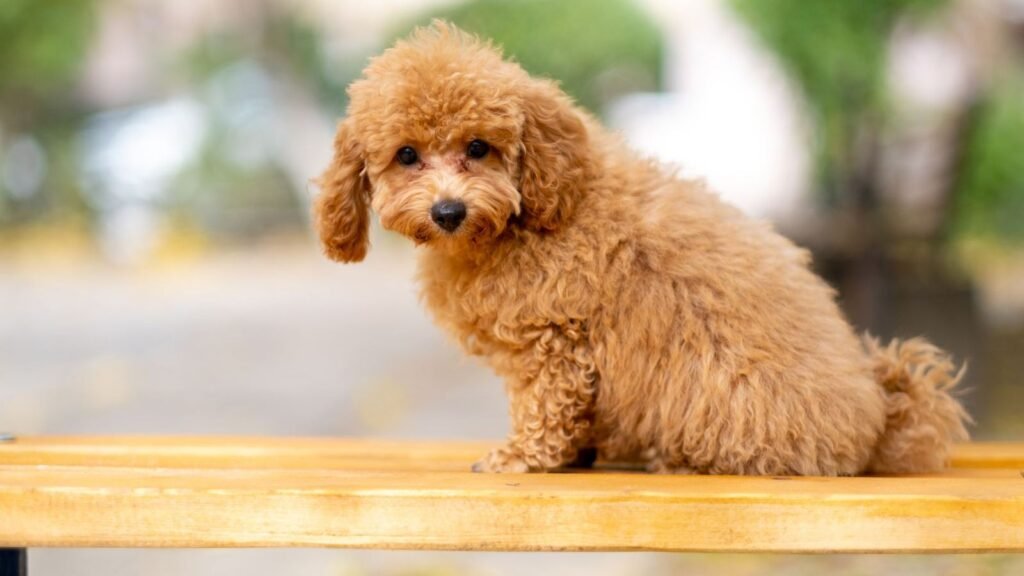
The best puppy gear storage bench for entryway use is the one that makes the rushed door-to-walk routine simpler without turning the first few feet of your home into a pile of leashes, damp towels, shoes, and loose waste-bag rolls. Picture arriving home with a puppy who has wet paws, a harness that needs to come off, and a towel you need again tomorrow morning. A bench beside the door can hold those essentials in one contained station, while still leaving a clear path for people, bags, and opening doors.
What to Look For in best puppy gear storage bench for entryway
Use decision criteria tied to best puppy gear storage bench for entryway: space, upkeep, how it fits your routine, and everyday usability.
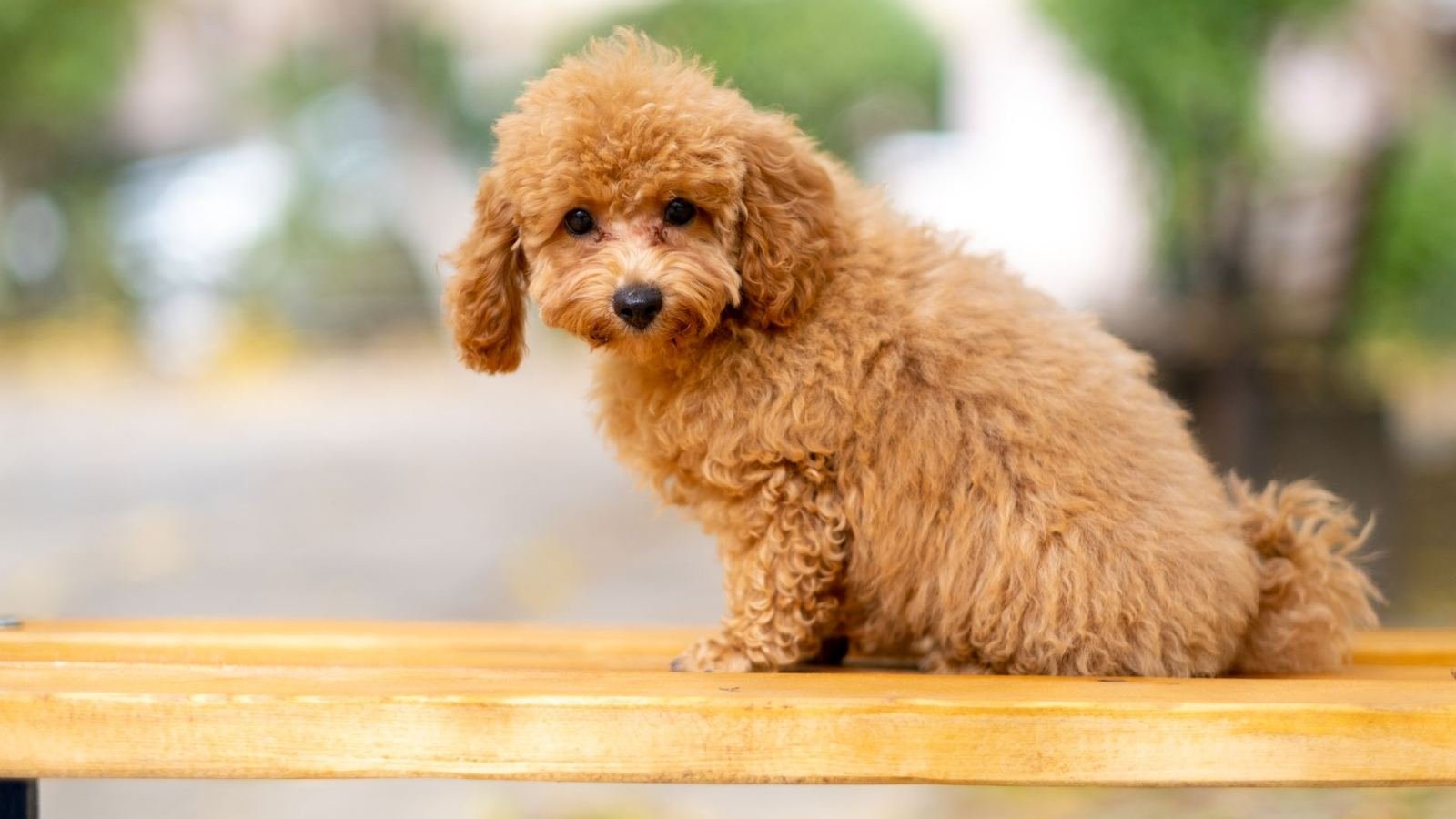
The challenge is choosing storage that is easy for you to reach but not easy for a curious puppy to raid. Open baskets and low cubbies make it convenient to toss in a leash, but they can also leave a chewing puppy with access to straps, fabric, plastic bag rolls, or muddy towels. A bench with closed drawers or a lift-top compartment generally keeps everyday walk gear more contained, though it is not automatically puppy-proof. Check how your own puppy responds to lids, handles, gaps, and furniture they can climb against.
Start by dividing supplies into two groups. Keep low-risk, routine items near the door: one harness, one leash, a clean paw towel, a washable mat, and a refillable waste-bag dispenser. Store medications, cleaners, treats, sharp grooming tools, and anything small enough to swallow somewhere separately secured rather than relying on an ordinary entryway bench.
A practical small-entry setup might use a closed bench that is no deeper than the shoe area beside the door. Put the daily leash and harness together in one labeled drawer or lidded bin, fold two towels in another section, and place a washable boot tray or mat beside, not under, the bench for wet paws. That separation matters: damp items can air out and be washed, while dry walk supplies do not end up smelling musty or covered in grit.
Before choosing a style, use painter’s tape to mark the bench footprint on the floor. Open the door fully, walk through with a bag in hand, and leave enough room to handle your puppy without stepping around furniture. A storage bench earns its spot only when it reduces the scramble at the door and keeps the entryway calm, clear, and ready for the next outing.
Choose a Bench Style: Lift-Top, Drawers, or Open Cubbies
For the best puppy gear storage bench for entryway use, start by matching the storage style to your puppy’s current access habits and the amount of wet, grab-and-go gear you use at the door. A bench should keep the walk routine moving: leash, harness, waste bags, a towel, and paw-cleanup basics need a defined home without spilling into the shoe path. Closed storage is usually the simplest starting point for puppies that mouth, carry off, or investigate loose items.
- Lift-top bench: Choose this when you need one large concealed compartment for bulky towels, a rain jacket, spare waste-bag rolls, and a small washable bin for paw-wipe supplies. It gives the entryway a calmer look, but the whole top must be opened to reach anything. Use dividers or small handled bins inside so the leash does not end up underneath damp towels. Avoid a lid that is difficult to lift one-handed while holding a puppy or managing the door.
- Drawer bench: Choose this when each item needs its own fast-access spot. One shallow drawer can hold leashes and harnesses; another can hold waste bags, a lint roller, and a microfiber towel. Drawers reduce visual clutter and prevent wet gear from being left on the seat, but very small drawers may not fit thick winter harnesses or rolled towels. Check that a curious puppy cannot easily pull open the drawers.
- Open-cubby bench: Choose this only if you can use fitted, removable bins and your puppy does not have access to the bench unsupervised. Cubbies make it easy to drop a damp towel into a washable bin after a walk, but exposed leashes, bags, and cloth items can become tempting chew targets. A cubby bench works better for adult-controlled entryways than for a puppy who roams near the front door.
Do the setup in this order: assign one compartment to dry walk gear, one to damp cleanup items, and one to household shoes or non-puppy items. For example, in a narrow apartment entry, a drawer bench could hold a harness and leash in the top drawer, waste bags and a flashlight in the second, and a lidded washable container for used towels beside the bench until laundry day. Keep the seat clear so it remains a place to put on shoes rather than another landing spot for gear.
Avoid storing treats, medications, cleaning products, sharp grooming tools, or loose batteries in an ordinary bench, even if it has a lid or drawers. Closed storage can reduce access, but no bench is automatically puppy-proof; assess whether your puppy chews, climbs, noses open drawers, or can reach the top. The ASPCA notes that destructive chewing can be a problem for dogs, so keeping tempting household items contained and out of reach is a sensible part of the entryway plan. Adjust the layout if wet towels start making dry gear damp, if the bench becomes a shoe pile, or if your puppy begins trying to open or chew the storage area.
Worked Setup: A Small Entryway Walk-and-Cleanup Station
For a narrow entryway, the best puppy gear storage bench for entryway use is often a closed, easy-to-wipe bench paired with a small landing zone beside the door. The goal is not to fit every puppy item inside. It is to keep the supplies needed for the next walk and the first two minutes after returning home contained, reachable, and out of tempting reach.
Picture an apartment entry with a 36-inch-wide clear path from the front door to the living area. A deep bench, scattered shoes, and an open basket would quickly turn that route into an obstacle course. Instead, choose one compact bench positioned along the wall, leaving enough room for the door to swing freely and for a person carrying the puppy to pass without catching a leash or towel.
- Shallow drawer bench:
Shallow drawer bench, shop optionsSee on Amazon
Choose a bench about 12 to 16 inches deep with two or three full-width drawers if the entryway is tight and your puppy investigates everything at floor level. Assign one drawer to walk gear: harness, leash, collar light, and a spare waste-bag roll. Use a second drawer for cleanup items that are appropriate to keep there, such as a washable paw towel, a silicone paw-wipe cup, and an empty bag for carrying soiled towels to the laundry. Drawers keep dangling straps and loose bag rolls from spilling into the shoe area. Avoid relying on ordinary drawers for medication, cleaning products, sharp tools, or treats.
- Lift-top bench with inner bins:
Lift-top bench with inner bins, shop optionsSee on Amazon
Look for a lift-top bench with a slow-close or supported lid and enough interior height for two removable plastic bins. This option suits households that need more towel storage but do not want towels visible. Put dry towels in one labeled bin and damp-return items in the other only temporarily; move wet fabric to the laundry after the walk so moisture and odor do not linger in the bench. A lift-top style gives generous hidden storage, but it is less convenient when you need one specific item quickly or when someone is sitting on the bench.
- Closed cubby bench with doors:
Closed cubby bench with doors, shop optionsSee on Amazon
A bench with individual cubbies behind cabinet doors works well when more than one person walks the puppy. Give each regular walker one compartment for their preferred leash length, waste bags, and rain layer. Choose doors with simple pulls rather than open-front cubes, which can collect muddy items and leave chewable straps exposed. This layout makes handoffs easier, though shallow cubbies may not hold bulky winter towels or tall rain boots.
- Wall hook and bench pairing:
Wall hook and bench pairing, shop optionsSee on Amazon
If the bench has limited internal space, mount one or two sturdy hooks above it for the harness currently in use and the leash that is drying after a rainy walk. Keep hooks high enough that the puppy cannot grab the gear or become tangled, and return equipment to the closed bench once dry. This prevents a wet leash from being shut into a drawer while also stopping the bench top from becoming a drop zone for keys, shoes, and puppy supplies.
Set a washable mat on the floor at the end of the bench, not in the middle of the doorway. On return, step onto the mat, unclip the leash, wipe paws, place the harness on its drying hook, and put the towel directly into the designated bin or laundry basket. That short sequence keeps dirt contained instead of spreading it from the threshold through the home.
No ordinary bench is puppy-proof. Closed storage can reduce casual access, but a puppy that chews, climbs, or learns to open doors may still reach contents. The ASPCA notes that destructive chewing can be dangerous when dogs access unsuitable objects, so keep higher-risk supplies in a separate secured location rather than treating a bench as a safety cabinet. ASPCA guidance on destructive chewing is a useful reminder to check the station from the puppy’s eye level: no dangling straps, loose bags, cleaners, or small items within reach.
Simple Bench Features Worth Prioritizing
The best puppy gear storage bench for entryway use is not the one with the most compartments. It is the one that supports a repeatable door-to-walk routine while keeping the floor, shoe area, and puppy’s reach as clear as possible. Choose a size that leaves a comfortable path from the door into your home, then favor closed, easy-to-clean storage over extra display space.
- Secure closure: Choose doors, drawers, or a lid that stays shut when bumped or nudged. Closed storage can reduce access to tempting straps, damp towels, and loose waste-bag rolls, but assess it against your own puppy’s chewing, climbing, and opening habits.
- Wipeable surfaces: A smooth painted, sealed, metal, or laminate surface is simpler to clean after rainy walks than unfinished wood, fabric baskets, or deeply textured panels that hold dirt.
- Separate wet and dry zones: Reserve one removable container for used towels and paw-wipe cloths. Keep the clean harness, leash, and refill waste bags in a separate dry compartment so they do not pick up moisture or grit.
- Stable, low-profile construction: A bench should sit firmly without rocking and should not narrow the route past the door. Avoid using the top as a drop zone for loose keys, treats, scissors, or grooming tools.
- Simple daily capacity: Make room for only the supplies needed for the next few walks. Bulk refill packs, backup towels, cleaners, medications, and sharp tools belong in a separate secured location, not in ordinary entryway storage.
For example, this week, set up one closed section for the harness and leash, one small bin for waste bags and a paw cloth, and one washable container for damp towels. After each return home, put the gear back before removing shoes or moving farther into the house. That small order prevents the familiar entryway pile without leaving chewable straps or messy supplies scattered at puppy level.
Before buying or rearranging anything, stand at the door with it open and mark the clear walking path you need. Then choose the bench footprint that fits inside that boundary.
What you’ll actually use
These are the pieces this setup actually uses. If one does not earn a place in your home, leave it off the list.
- Chew Toys: Keep this where best puppy gear storage bench for entryway actually happens, and skip it if you already have a version that works.
- Waste Bags: Keep this where best puppy gear storage bench for entryway actually happens, and skip it if you already have a version that works.
- Toys And Chews: Keep this where best puppy gear storage bench for entryway actually happens, and skip it if you already have a version that works.
- First Aid Kit: Keep this where best puppy gear storage bench for entryway actually happens, and skip it if you already have a version that works.
- Dog Leash: Keep this where best puppy gear storage bench for entryway actually happens, and skip it if you already have a version that works.
FAQ
What to Look For in best puppy gear storage bench for entryway?
Use decision criteria tied to best puppy gear storage bench for entryway: space, upkeep, how it fits your routine, and everyday usability. Photo by Anna Bondarenko on Pexels The challenge is choosing storage that is easy for you to reach but not easy for a curious puppy to raid.
What should I know about choose a bench style: lift-top, drawers, or open cubbies?
For the best puppy gear storage bench for entryway use, start by matching the storage style to your puppy’s current access habits and the amount of wet, grab-and-go gear you use at the door. A bench should keep the walk routine moving: leash, harness, waste bags , a towel, and paw-cleanup basics need a defined home without spilling into the shoe path.
What should I know about worked setup: a small entryway walk-and-cleanup station?
For a narrow entryway, the best puppy gear storage bench for entryway use is often a closed, easy-to-wipe bench paired with a small landing zone beside the door. The goal is not to fit every puppy item inside.