
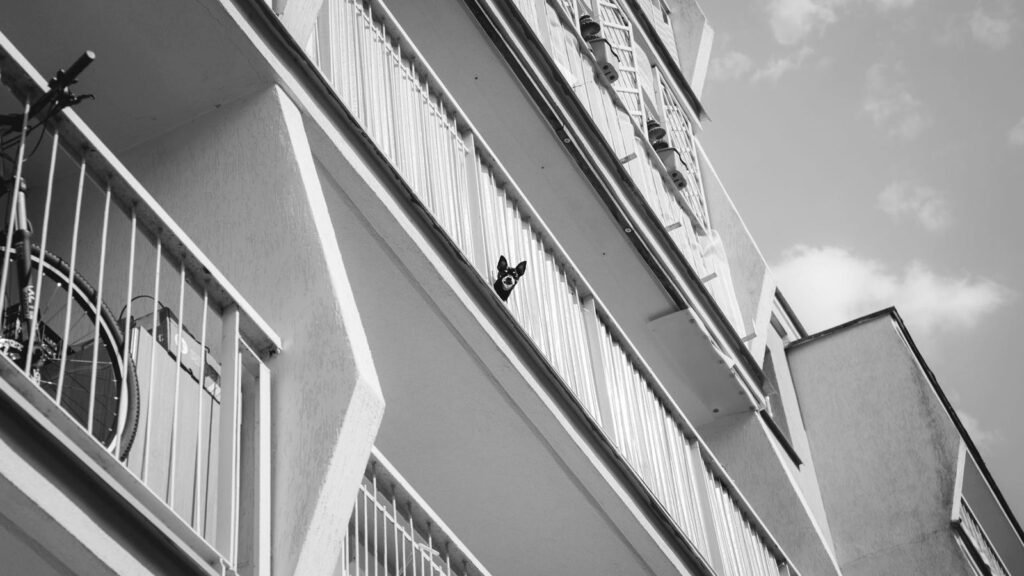
Your entry closet is already holding shoes, a leash, a crate cover, towels, and the bulky package the new puppy food came in. The balcony looks like the obvious overflow spot, but puppy storage for apartment balconies only works when it protects supplies from rain, sun, wind, pests, and an inquisitive puppy. A balcony can hold a small amount of durable, outdoor-use gear; it should not become an unattended puppy zone or a place to stash every item that does not fit indoors.
What to Look For in puppy storage for apartment balconies
Use decision criteria tied to puppy storage for apartment balconies: space, upkeep, how it fits your routine, and everyday usability.
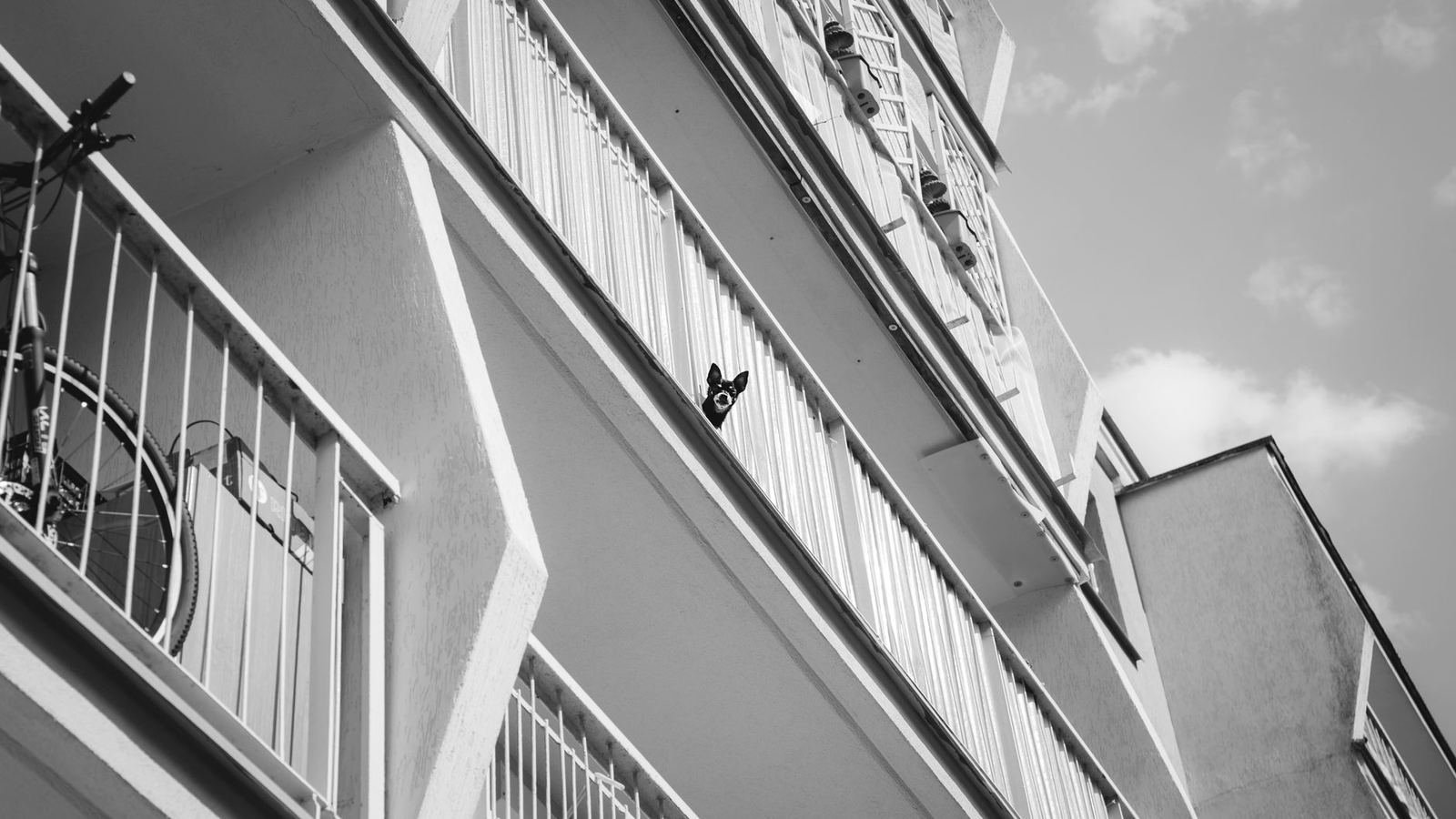
The dividing line is simple: store only items that can tolerate the conditions on your balcony and cannot create a hazard if they tip, get wet, or are reached by a puppy. Food, treats, medication, cleaning chemicals, loose chews, bedding, and soft toys belong inside. Heat, dampness, and pests can turn an “extra storage” solution into wasted supplies or a harder cleanup. Anything small enough to be swallowed, light enough to blow around, or tempting to chew should stay out of balcony storage altogether.
Start with one immediate check: stand at the balcony door and look for the most sheltered floor-level corner that is away from the railing, drain, and direct runoff. Measure that spot before buying or moving a container. On a narrow balcony, a low, lidded bin placed against the building wall may leave a clear walking path, while a tall shelf can feel space-efficient but may be unstable in wind or create falling-object concerns. Follow your lease, building rules, and local requirements before placing storage furniture or puppy items outside.
A practical setup might hold a rinsed, dry mud towel in a sealed container only until laundry day, plus a dedicated paw-wiping mat that is brought indoors after use. Keep the bin closed, do not place anything on top of it, and return wet items indoors rather than sealing moisture inside for days. The goal is not to move puppy care outdoors; it is to give a few low-risk, outdoor-related items one contained home without sacrificing balcony safety or your limited indoor space.
Check Lease Rules and Balcony Safety First
For puppy storage for apartment balconies, start with your lease, building rules, and any balcony-use notice from management. Some buildings limit what may be kept outdoors, require clear access to drains and railings, or prohibit items that can blow, drip, or fall. Check these rules before moving a storage bench, hooks, bins, or even a drying rack outside. If the balcony is shared, very narrow, or used as an emergency exit route, keep it clear rather than treating it as extra storage.
Next, decide whether the balcony can hold only nonessential, washable, secured items. A simple rule helps: if an item would be ruined by rain, attract pests, become unsafe in heat or wind, or cause a problem if a puppy grabbed it, it stays indoors. That means puppy food, treats, medications, cleaners, loose chews, small toys, spare bedding, and training pads should not live on the balcony. The ASPCA notes that dogs may chew inappropriate household items, so avoid leaving accessible straps, plastic pieces, clips, or storage lids where a curious puppy could reach them.
- Start with a boundary check: Keep every stored item well inside the railing line, away from gaps, ledges, and doors. Do not hang puppy gear from railings or place lightweight containers where wind could shift them.
- Use the balcony for dry-out gear only: A leash after a rainy walk, a rinsed mud towel, or an empty waterproof paw-wipe container can sit outside temporarily if secured and brought in once dry.
- Avoid a puppy-accessible setup: Do not use balcony storage as a reason to leave a puppy outside alone. Keep the door closed or supervise closely while you retrieve or put away supplies.
- Adjust after weather changes: Before rain, strong wind, freezing temperatures, or intense sun, bring balcony items inside. Recheck the area after storms for pooled water, blown debris, and shifted containers.
For example, on a narrow balcony, one household might keep a single lidded, weighted container against the apartment wall for an empty towel basket and a pair of washable rain boots. The puppy’s food bin, cleaning caddy, bedding backup, and chew basket remain in an indoor closet. This tradeoff preserves a little apartment space without turning the balcony into a risky supply room. If the balcony gets wet, windy, or hot enough that you would need to keep moving items in and out, scale back to temporary drying only rather than permanent storage.
Keep Food, Cleaners, and Chews Indoors
For puppy storage for apartment balconies, the safest rule is simple: use the balcony for sturdy, low-risk outdoor gear, not for anything your puppy eats, licks, swallows, sleeps on, or could pull apart. A balcony storage bin may free up a crowded studio kitchen, but it is not a good overflow pantry or puppy cabinet. Heat, damp air, rain, insects, and changing temperatures can turn a convenient storage spot into a messy or unsafe one quickly.
Keep your puppy’s food, treats, medication, cleaning products, loose chews, bedding, and small accessories inside the apartment. Instead of trying to store every puppy item outdoors, make the balcony a narrow support station for items that are already meant to get wet or dirty, such as a rinsed paw towel being air-dried while you are home, an empty mud tray, or a sealed container holding only a spare leash towel after it is completely dry.
- Move the food station away from the balcony door: Before putting any gear outside, choose one indoor cabinet, high shelf, or latched bin for kibble, treats, and feeding scoops. Do this first, because food is often the item owners move outdoors when a kitchen feels cramped. In a studio, a slim bin at the back of a kitchen cabinet or beneath a console table can work better than alternatives when daily maintenance and space constraints are considered a balcony tote. Refill the daily food container indoors after breakfast, then return the main bag or sealed container to its indoor spot. Pitfall: Do not leave a partly opened food bag on the balcony “just until the next meal.” It can draw pests, collect moisture, and become accessible if the door is opened while your puppy is nearby.
- Give cleaners a locked indoor home: Put enzyme cleaner, disinfecting products, detergent pods, wipes, and spray bottles in a high cabinet or a secured indoor cupboard, not in balcony storage. Set this up before arranging towels or outdoor supplies so the cleaner does not become the default item tossed into the nearest bin after an accident. A practical routine is to carry a small cleaning caddy to the mess, use it, and return it to its indoor cabinet immediately. Pitfall: Avoid storing cleaners in an opaque outdoor tote where bottles can leak unnoticed, freeze or overheat depending on your climate, or be mistaken for harmless household supplies.
- Keep chews and small toys in a supervised indoor drawer: Loose chews, dental treats, squeaky toys, tennis balls, and small training items belong indoors even if the balcony is enclosed. Put them away after each play or training session, ideally before opening the balcony door to shake out a mat or hang a damp towel. The ASPCA notes that destructive chewing can be managed by supervising a dog and providing appropriate items, which makes a predictable indoor chew drawer more useful than an outdoor grab bin. Pitfall: Do not leave a chew on a balcony chair or shelf for later; sun, moisture, dirt, and a puppy’s unsupervised access can change a simple toy into clutter or a hazard.
- Store bedding only after it is fully dry: If a crate blanket or small towel gets muddy, bring it inside for washing and dry it completely before folding it into an indoor linen basket. If you need to air out a freshly washed item on the balcony, treat that as a short, attended drying task rather than storage. Bring it in as soon as it is dry or before rain, evening moisture, or a change in weather. Pitfall: Do not keep backup crate bedding in a balcony bin. Even a covered bin can develop trapped dampness, odors, or mildew if wet gear is placed inside.
- Use the balcony only for a short list of washable backup items: Once food, cleaners, chews, and bedding are indoors, decide exactly what may live in the balcony zone. For example, a narrow balcony could hold one empty boot tray for muddy paw gear, a washable rubber mat, and a lidded bin for a folded, dry outdoor towel. Label the bin “dry outdoor gear” so household members do not add treats, wipes, or loose toys later. Pitfall: Avoid using a large unlabeled tote as a catch-all. Catch-all storage is where forgotten food samples, damp cloths, and small accessories tend to accumulate.
- Make the return-inside step part of every balcony routine: After a rainy walk, bring your puppy inside first, close the balcony door, and settle the puppy in a safe indoor spot before sorting wet gear. Shake off the leash or rain jacket over a tray, hang or wash what needs attention, and return any temporary balcony item indoors before bedtime. This order prevents a curious puppy from following you onto the balcony while you handle supplies. Pitfall: Do not prop the balcony door open while carrying bins, towels, or cleaning supplies. A quick organizing task can become a puppy-access problem when your hands are full.
For example, in a narrow apartment balcony setup, the outdoor area might hold only a flat rubber mat and a small, weighted container for a dry spare towel. The kitchen keeps food and treats in a closed cabinet, the entry closet holds the cleaning caddy on a high shelf, and a shallow drawer near the sofa holds chews and training toys. This arrangement uses the balcony to reduce indoor clutter without turning it into a second puppy pantry.
The tradeoff is that you may make a few more trips between the balcony and your indoor storage zones. That extra minute is worthwhile: it keeps daily-use supplies predictable, protects puppy items from outdoor conditions, and prevents the balcony from becoming an unmonitored pile of gear.
Worked Example: Storage for a Narrow Apartment Balcony
For puppy storage for apartment balconies, a narrow balcony works best as a small outdoor-gear station rather than an extra closet. Picture a balcony that is about 3 feet deep: there is room for one low, stable storage unit against the solid wall, but not for loose bins, hanging bags, or supplies spread along the railing.
A practical setup might hold a rinsed paw towel waiting to be washed, an empty waterproof raincoat after it has dried, a folded outdoor mat, and a sealed container for non-food items such as spare poop-bag rolls still in their packaging. Keep the unit away from the railing and balcony door swing, and leave a clear walking path. Before placing anything outside, confirm that the building allows the storage piece and that it does not block drainage, exits, or maintenance access.
New owners often run into a few predictable problems:
- Using the balcony as a catch-all: A leash, towel, brush, toy, bag of treats, and cleaning bottle gradually collect outside because each item seems small. The result is a cluttered area where wet gear stays damp, small pieces disappear, and a puppy may reach something during supervised balcony time. This fails because mixed storage makes it hard to see what is safe to leave outdoors. Better move: Assign the balcony one category only: durable outdoor-use gear. Bring food, treats, chews, bedding, medication, cleaners, and grooming supplies back indoors after use.
- Storing items directly on the balcony floor: A folded mat or towel can pick up dirt, rain splash, or moisture near a drain. Even an enclosed balcony can collect dust and condensation. This fails because fabric and absorbent gear are harder to keep clean when they sit on the ground. Better move: Use a raised shelf inside a stable, covered storage unit, or hang washable gear indoors to dry before putting it away.
- Choosing tall or lightweight storage: A narrow vertical shelf may seem space-saving, but it can be awkward near a railing or tip if bumped. Loose lids and lightweight baskets can also shift in wind. Better move: Choose a low-profile, sturdy unit with a secure lid or door, place it against a solid wall, and keep its top clear. Do not use the railing as storage or attach gear where it could fall.
- Leaving wet gear closed up: Closing a raincoat, muddy towel, or damp outdoor mat in a bin may hide the mess, but it also traps moisture and odor. This fails because storage should begin after the item is reasonably dry, not immediately after a wet walk. Better move: Set a simple routine: shake off debris, wipe the item if needed, let it dry indoors or in an appropriate drying spot, then return it to the balcony station.
- Assuming a closed container makes every supply suitable for outdoors: Containers can organize gear, but they do not automatically make food, cleaning chemicals, small toys, or chew items appropriate for balcony storage. Heat, cold, moisture, pests, and puppy access can still create problems. Better move: Treat the balcony container as overflow for sturdy, non-edible outdoor gear only, and keep the indoor puppy cabinet as the home for anything consumable, chemical, soft, or small.
In the narrow-balcony example, a weekly reset takes only a few minutes: remove anything that does not belong, check for dampness beneath the unit, wipe the shelf, and bring indoor-only supplies back inside. That small boundary keeps the balcony useful without turning it into an unattended puppy zone.
Weekly Reset for Wet Gear and Outdoor Mess
Make puppy storage for apartment balconies easier to maintain by giving the balcony station one short reset each week. This is not a place for puppy food, bedding, medication, cleaners, chews, or small loose items. It is simply a contained spot for durable outdoor gear that would otherwise crowd an entry closet: an empty drying towel, a rinsed paw-wipe container kept indoors after use, a folded rain jacket, a leash used only for supervised trips outside, or a washable mat waiting to be cleaned.
Choose the same day each week, ideally after your last outdoor trip, and take five to ten minutes to clear the area. On a narrow balcony, bring everything inside first rather than trying to sort around railings, furniture, or a puppy underfoot. Check the floor and corners for leaves, pooled water, muddy grit, and anything that could blow loose. Wipe down the storage surface, allow it to dry, and return only the few items assigned to that station.
- Bring in damp fabric: Take towels, rain gear, and any washable items indoors to dry fully or launder. Do not leave damp fabric outside between uses, where rain, wind, and grime can make it unpleasant to bring back into your home.
- Empty outdoor debris: Shake dirt from a hard-sided gear bin indoors over a trash bag or rinse it only where your building rules allow. Remove leaves and grit from beneath the bin so moisture is not trapped against the balcony floor.
- Check the boundaries: Make sure nothing has shifted near the railing, blocked a door, or become easy for a curious puppy to grab. Return loose clips, bags, and small accessories to an indoor drawer.
- Restock only the basics: Put back the one or two clean, sturdy items you actually use outdoors. If an item has not been used for a few weeks, move it to indoor storage or donate it rather than letting the balcony become an overflow pile.
The tradeoff is simple: using the balcony can reclaim a little indoor space, but it works only when the outdoor station stays small and intentional. A sealed-looking container does not make food, treats, chemicals, or bedding suitable for outdoor storage, especially where heat, rain, pests, and building access are variables. Keep those puppy essentials in a secure indoor cabinet or closet instead.
For this week, place one empty, stable bin in your approved balcony storage zone and assign it a single job: holding clean, non-food outdoor gear between supervised outings.
FAQ
What to Look For in puppy storage for apartment balconies?
Use decision criteria tied to puppy storage for apartment balconies: space, upkeep, how it fits your routine, and everyday usability. Photo by freestocks.org on Pexels The dividing line is simple: store only items that can tolerate the conditions on your balcony and cannot create a hazard if they tip, get wet, or are reached by a puppy.
What should I know about check lease rules and balcony safety first?
For puppy storage for apartment balconies , start with your lease, building rules, and any balcony-use notice from management. Some buildings limit what may be kept outdoors, require clear access to drains and railings, or prohibit items that can blow, drip, or fall.
What should I know about keep food, cleaners, and chews indoors?
For puppy storage for apartment balconies , the safest rule is simple: use the balcony for sturdy, low-risk outdoor gear, not for anything your puppy eats, licks, swallows, sleeps on, or could pull apart. A balcony storage bin may free up a crowded studio kitchen, but it is not a good overflow pantry or puppy cabinet.