
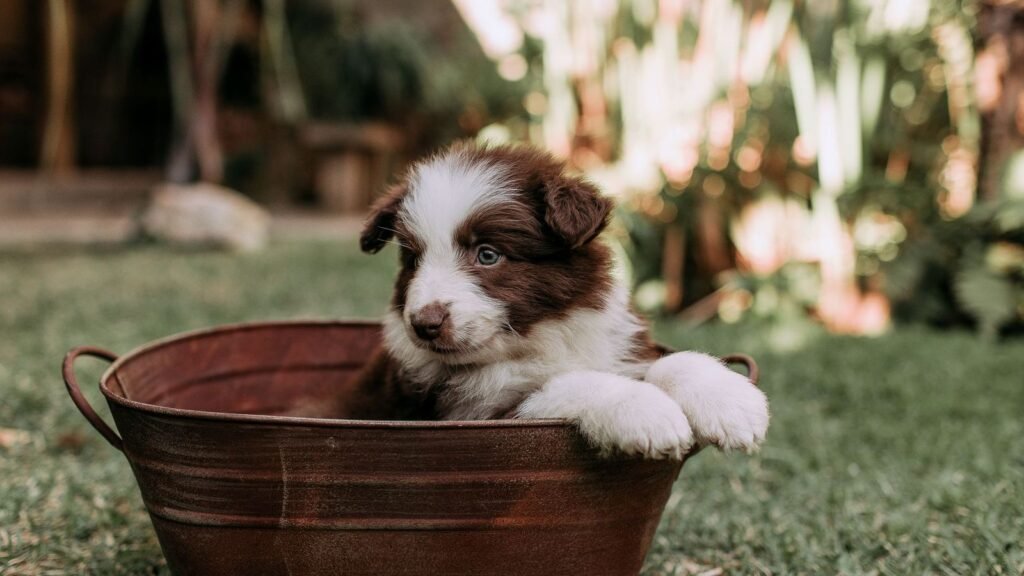
The best puppy storage system for daily routines is rarely one overflowing cabinet by the front door. Picture a typical morning: the leash is in the hallway, the food scoop is in the kitchen, a roll of paper towels is under the bathroom sink, and the bedtime blanket is somewhere near the sofa. None of those items is far away on its own, but together they turn simple puppy care into a small scavenger hunt. A room-to-room system keeps the right essentials near the routine that uses them, without letting puppy supplies spread across every counter and floor.
What to Look For in best puppy storage system for daily routines
Use decision criteria tied to best puppy storage system for daily routines: space, upkeep, how it fits your routine, and everyday usability.
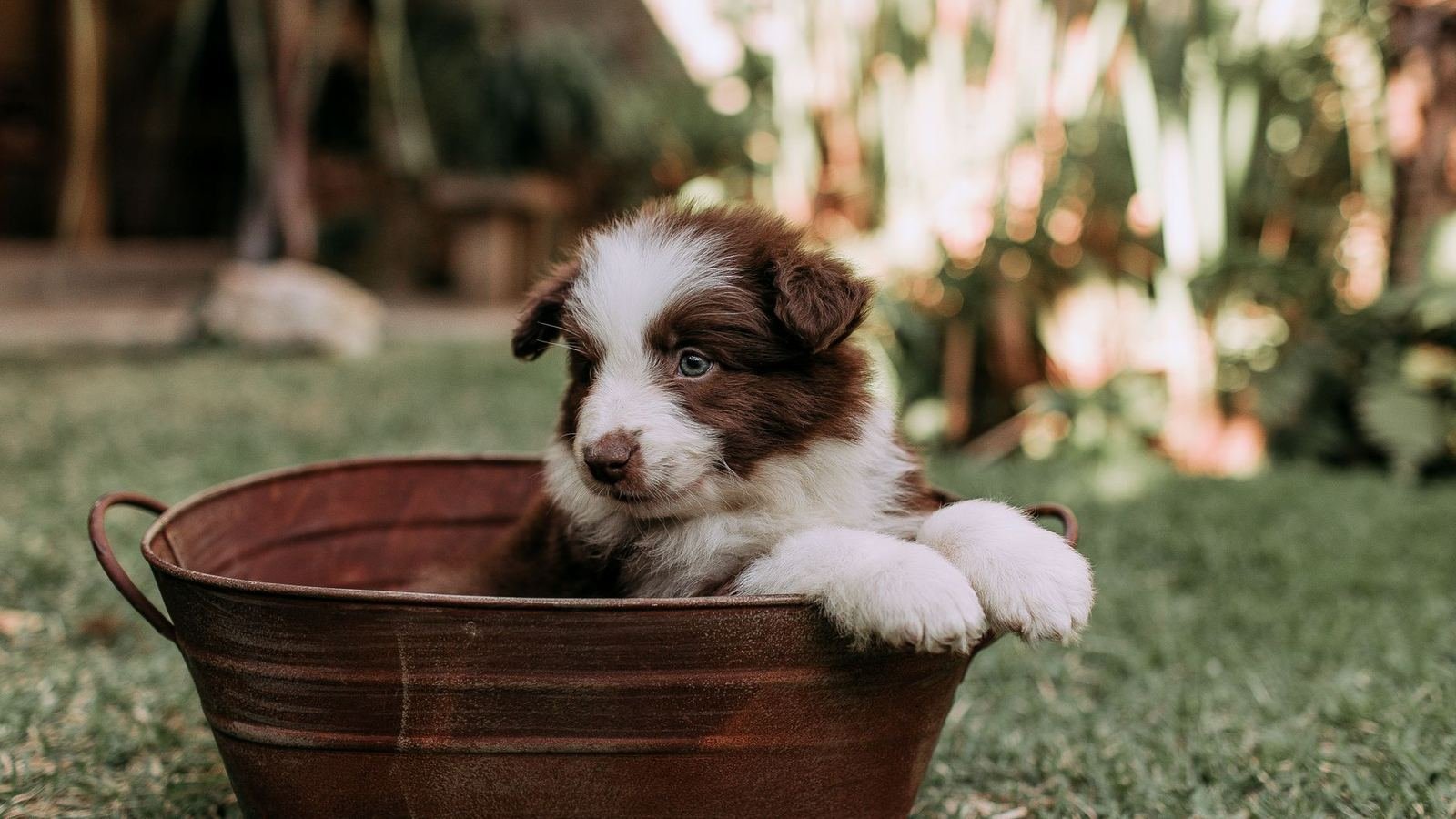
The problem is not that you need more storage. It is that one organizer is being asked to serve five different moments: feeding, walks, play, cleanup, and bedtime. When everything lives in one place, the station becomes crowded with duplicate bags, damp gear, toys, and supplies you only use occasionally. Then it feels inconvenient to return items, so they stay on the floor, the coffee table, or the nearest chair.
A central station can mean fewer furniture pieces, which is useful in a small home. A zone-based system usually means fewer missed supplies at the moment you need them. The practical middle ground is a small home base for backup stock and a few compact routine zones where care actually happens. You do not need a separate setup for every activity; start with the places that repeatedly collect puppy clutter.
For example, a small apartment might use a door hook or elevated entry basket for the harness, leash, and waste-bag holder; a lidded feeding bin beside the food area for kibble, scoop, and washable mat; and a handled cleanup caddy stored up high or in a closed cabinet. A low play basket can hold a limited rotation of larger toys, while a bedside basket holds a blanket and other calm-down items used at night. Keep treats, chews, cleaning products, medication, and small swallowable items in closed or elevated storage rather than in any open puppy-level basket.
One useful step to take today is to follow your puppy through one full routine and place an empty basket, bin, or hook at the first spot where you regularly stop to search for something. If you always hunt for a leash before going out, make that the first zone. If cleanup supplies migrate after accidents or muddy paws, give them one closed home near the most common cleanup area. Build from those repeat moments instead of buying a large organizer and hoping it fits your home.
The goal is not a perfectly styled pet corner. It is a connected set of small, easy-to-reset homes that makes feeding smoother, walks quicker, play less cluttered, cleanup more manageable, and bedtime calmer for everyone sharing the space.
Map Your Puppy s Five Daily Supply Zones
The best puppy storage system for daily routines is a small network of supply zones placed where each routine actually happens. Start by walking through one ordinary day and write down the five moments when you reach for puppy items: leaving for a walk, feeding, play, cleanup, and settling down for bed. Give each moment one nearby home for its essentials rather than forcing everything into one crowded cabinet.
What to do first: choose only the zones your household uses every day, then stock each with a short refillable set of supplies. Keep items that could be chewed, swallowed, eaten, or spilled, including treats, chews, cleaning products, medication, and small accessories, in closed drawers, lidded containers, or elevated storage. The ASPCA notes that destructive chewing can create hazards when dogs have access to inappropriate items, so accessible baskets are better reserved for sturdy, puppy-safe gear you are comfortable leaving out.
- Walk zone: Place a hook, high shelf, or entry basket near the exit for the leash, harness, waste bags, and a small towel. Hang damp gear to dry before putting it away, and keep treats in a closed container above puppy level.
- Feeding zone: Keep the food scoop, bowls, feeding mat, and measured food container together near the feeding spot. Use a closed bin for food so the kitchen counter does not become the default storage area.
- Cleanup zone: Store paper towels, washable cloths, waste bags, and a puppy-safe cleanup supply in a handled caddy or closed lower cabinet that your puppy cannot open. A caddy can move from the kitchen to the living room without scattering supplies in both places.
- Play zone: Use one basket for a small rotation of durable toys in the main family area. Put away damaged toys and keep small pieces, chews, and treat-filled toys in closed or elevated storage when unsupervised.
- Bedtime zone: Keep the nighttime blanket, a quiet toy if appropriate for your puppy, and any routine items beside the sleep area in a basket or drawer. This prevents an evening search through the walk or play supplies.
One central station: uses fewer furniture pieces and may suit a studio apartment, but it can create missed supplies when feeding happens in the kitchen and bedtime happens elsewhere. A zone-based system: needs a few small homes around the house, but it reduces backtracking because each routine has its own ready-to-use basics.
For example, a small apartment might use a door hook and entry basket for walks, a closed feeding bin in one kitchen cabinet, a cleanup caddy stored high in the laundry area, a play basket beside the sofa, and a bedtime basket near the crate or sleeping corner. These are not five new storage units; they can be five clearly assigned spaces within storage you already own. Avoid duplicating everything in every room, which quickly becomes clutter. Instead, duplicate only low-risk basics used repeatedly, such as waste bags at the door and paper towels near the cleanup area.
When to adjust: move a zone if you repeatedly carry supplies across the home, leave an item on the floor because its storage is too far away, or find one container filling with unrelated gear. A good zone feels easy to reset after use and holds only what that specific routine needs.
Keep Feeding and Cleanup Supplies Separate
The best puppy storage system for daily routines keeps food-related items clean and predictable while putting accident and mess supplies where they can be reached in seconds. These two jobs may happen close together in a small home, but they should not share one open basket or one crowded shelf. A simple separation reduces the chance that a food scoop disappears under used towels, a cleaner gets placed beside treats, or you have to search the apartment while your puppy is making a mess.
Use one contained feeding zone and one portable cleanup zone, then give each a clear reset point. In a studio, those zones may be only a few feet apart: a closed kitchen bin on a lower cabinet shelf and a handled caddy stored high in a pantry or utility closet. In a larger home, the feeding bin can stay near the kitchen and the cleanup caddy can live near the puppy’s usual indoor area.
- Make the feeding bin a clean-only zone: Place kibble, a measuring scoop, food toppers, spare bowls, and a washable placemat in a lidded bin or closed cabinet near the feeding spot. Refill the bin after the evening meal, when the house is calmer and you can see what is running low before breakfast. Keep the scoop inside the food container or clipped to its lid so it does not migrate into a drawer. Pitfall: Do not use the same open basket for food, treats, used towels, and cleanup spray; even when everything technically fits, the routine becomes unpleasant and hard to maintain.
- Set the bowl before opening food: At mealtime, place the bowl and mat first, then measure food, then return the scoop and close the food container before calling your puppy over. This order limits spills during an excited meal routine and gives you a quick visual check that the feeding area is ready. In a busy kitchen, it also prevents the scoop from being left on a counter where it can be knocked down. Pitfall: Avoid keeping the food bag open beside the bowl between meals; it takes up floor space and can turn one missed closure into a bigger cleanup job.
- Build a cleanup caddy for the first minute of a mess: Put paper towels or washable cloths, waste bags, an enzyme cleaner suitable for pet messes, disposable gloves if you use them, and a small sealable bag in one handled caddy. Store it closed or elevated, out of puppy reach, and return it there immediately after each cleanup. A caddy works especially well when your puppy alternates between a living-room pen and a bedroom crate because it travels with you instead of creating duplicate half-empty stashes. Pitfall: Do not leave cleaning products, small items, or used cleanup materials in an open floor-level basket; secure storage is a practical precaution around curious puppies.
- Give dirty textiles a separate route: Keep a small washable hamper or lidded container near the laundry area for soiled towels, washable pads, and muddy feeding mats. After cleaning a spill or accident, put the used item directly into that container rather than back into the caddy. Run the load on a planned schedule, such as every other evening or whenever the container is two-thirds full. Pitfall: A cleanup caddy becomes useless when it is filled with damp cloths from yesterday, so restock it with clean supplies as soon as textiles leave it.
- Use a two-minute post-meal reset: After your puppy finishes eating, pick up the bowl if that matches your household routine, wipe the mat, close the food bin, and look at the cleanup caddy before moving on. This is the best time to replace the last paper towel roll or add a fresh waste-bag roll, rather than discovering the gap during an accident. Pitfall: Do not postpone small resets until bedtime if your puppy eats several meals a day; the feeding area quickly becomes the place where every stray puppy item lands.
- Keep treats and chews behind a separate closed door: Treats may be used near feeding, walks, or training, but they do not need to sit out with the bowls. Store them in a labeled, closed cabinet or high bin, along with chews and other small puppy items that should not be freely available. The ASPCA notes that destructive chewing is common in dogs and recommends managing access to tempting items; closed storage helps make that management easier at home. Pitfall: Do not treat a countertop as secure storage if your puppy can grow into reaching it or if other household members may leave packages open.
One central station: uses fewer containers and furniture pieces, but it often creates missed supplies when feeding happens in the kitchen and cleanup happens elsewhere. A zone-based system: uses a few small, purpose-specific containers, but it saves time at the moment each routine starts. The goal is not to create five perfect stations; it is to place only the supplies that repeatedly get carried room to room.
For example, a small apartment could use a door hook or entry basket for walk items, a closed feeding bin in the kitchen, a cleanup caddy in a high closet, a lidded play basket in the living room, and a closed bedtime basket beside the crate. If the puppy mainly stays in the living room, the cleanup caddy can serve that room and the bedroom without adding a second one. Keep chews, treats, cleaning products, medication, and swallowable items closed or elevated rather than within reach in any zone.
Worked Example: A Small-Home Routine System
The best puppy storage system for daily routines does not require a large cabinet or five matching organizers. In a small apartment, it can be a few clearly assigned containers placed where each routine happens. The goal is not to store every puppy item in sight; it is to keep the next needed item close by while keeping tempting or unsafe supplies closed and out of reach.
Consider a one-bedroom home with an entryway, kitchen, living area, and bedroom. A workable setup might include an elevated entry basket or over-door hook for the leash and harness, a closed feeding bin in a kitchen cabinet, a handled cleanup caddy stored high in a hall closet, a lidded play basket in the living room, and a small bedtime basket on a bedroom shelf. The owner does not need to carry one crowded organizer from room to room, and each zone holds only the supplies used there.
One central station: uses less furniture and can look tidy, but it often means walking back across the home for a poop-bag refill, a towel, or a bedtime item.
Zone-based system: uses several small storage spots, but reduces missed supplies during real routines. Keep the number of zones limited to the places your puppy actually uses every day.
These common mistakes can make a room-to-room system feel scattered instead of helpful.
- Putting everything in one overflowing bin: The bin becomes the place for leashes, food tools, toys, wipes, spare bedding, and random receipts. Items sink to the bottom, and the owner still has to leave the room during a routine. It fails because the storage location reflects product type rather than where the item is needed. The better move is to keep a small backup supply in a central closet, then place only routine essentials in their active zones.
- Making every zone a full duplicate: Buying or assembling five complete sets of supplies takes space and makes restocking confusing. For example, several partly used treat bags and rolls of waste bags can be hard to track. It fails because duplicates multiply clutter without helping every routine. The better move is to duplicate only low-space, frequently needed items, such as a waste-bag roll by the door and a spare cloth in the cleanup caddy.
- Leaving convenient items at puppy level: An open basket near the floor may seem handy for treats, chews, cleaners, or small accessories, but it can quickly become a tempting target. It fails because convenience for the owner also creates access for the puppy. The better move is to use closed or elevated storage for chews, treats, cleaning products, medication, and small swallowable items. Keep only sturdy, appropriate items in any low basket.
- Using containers with no routine boundary: A living-room basket that holds toys, grooming tools, mail, and laundry soon becomes a general clutter basket. The puppy supplies are technically present but not ready to use. It fails because nobody knows what belongs there or when to return it. The better move is to assign one purpose to each container: play items in the play basket, nighttime items in the bedtime basket, and cleanup tools in the cleanup caddy.
- Forgetting the reset point: Even a good setup breaks down when the harness stays on a chair, toys remain under the sofa, and the feeding scoop travels to the sink. It fails because daily supplies drift away from their zones. The better move is to make a brief evening return routine: hang the walk gear, place toys back in their basket, return the scoop to the feeding bin, and check whether the cleanup caddy needs refilling.
In the small-home example, the entry basket stays intentionally lean: leash, harness, and waste bags only. The kitchen feeding bin holds the scoop and sealed food-related supplies. The cleanup caddy is carried to a mess, then returned to elevated closed storage. The play basket holds a limited rotation of puppy-safe toys, while the bedtime basket keeps a blanket and other nighttime routine items together. This gives each part of the day a home without turning every room into puppy storage.
Reset Each Zone in Five Minutes Each Evening
The best puppy storage system for daily routines is the one you can restore quickly after a normal, slightly messy day. This week, try treating your puppy supplies as a few connected routine zones rather than expecting one crowded organizer to hold everything. The goal is simple: put each item back near the moment it is used, so feeding, walks, play, cleanup, and bedtime do not depend on a last-minute search through one overflowing bin.
Set a five-minute timer after your puppy’s final evening routine. Walk through the home in the order your day usually happens and return only the items that belong to each zone:
- Entry zone: Hang the leash and harness, empty used waste-bag rolls or wrappers, and place the next walk’s essentials in the entry basket. If wet gear needs to dry, keep it out of a closed bin until it is dry.
- Feeding zone: Put the scoop back with the food container, wipe up loose kibble, and return bowls to their usual spot after washing or drying.
- Cleanup zone: Refill the paper towel or waste-bag supply if it is low, close cleaning products securely, and return the caddy to a high shelf or latched cabinet.
- Play zone: Gather toys from the floor into the play basket. Check that small pieces, treats, and chews are stored closed or elevated rather than left within puppy reach.
- Bedtime zone: Return the bedtime item you use, such as a blanket or quiet toy, to its basket beside the sleep area. Keep anything chewable or swallowable secured when it is not being supervised.
A single central station can mean fewer furniture pieces and one obvious place to look. Its drawback is that it often creates missed supplies when the food scoop is needed in the kitchen, the leash is needed at the door, or cleanup supplies are needed somewhere else. A zone-based system uses a few more small containers, but it reduces backtracking and makes it easier to notice when a routine zone is incomplete.
For example, a small apartment may only need a door hook and entry basket, a feeding bin under a counter, a cleanup caddy in a closed cabinet, a play basket by the sofa, and a small bedtime basket near the crate or puppy bed. Those five zones do not need to match, and not every home needs all five. They only need clear jobs.
If supplies keep ending up in the wrong room, the system is not failing because you need a larger organizer. It usually means one routine needs a closer home base. Tonight, choose the zone that causes the most daily searching and give it one clearly assigned basket, hook, or closed container before bedtime.
FAQ
What to Look For in best puppy storage system for daily routines?
Use decision criteria tied to best puppy storage system for daily routines: space, upkeep, how it fits your routine, and everyday usability. Photo by Helena Lopes on Pexels The problem is not that you need more storage.
What should I know about map your puppy s five daily supply zones?
The best puppy storage system for daily routines is a small network of supply zones placed where each routine actually happens. Start by walking through one ordinary day and write down the five moments when you reach for puppy items: leaving for a walk, feeding, play, cleanup, and settling down for bed.
What should I know about keep feeding and cleanup supplies separate?
The best puppy storage system for daily routines keeps food-related items clean and predictable while putting accident and mess supplies where they can be reached in seconds. These two jobs may happen close together in a small home, but they should not share one open basket or one crowded shelf.