
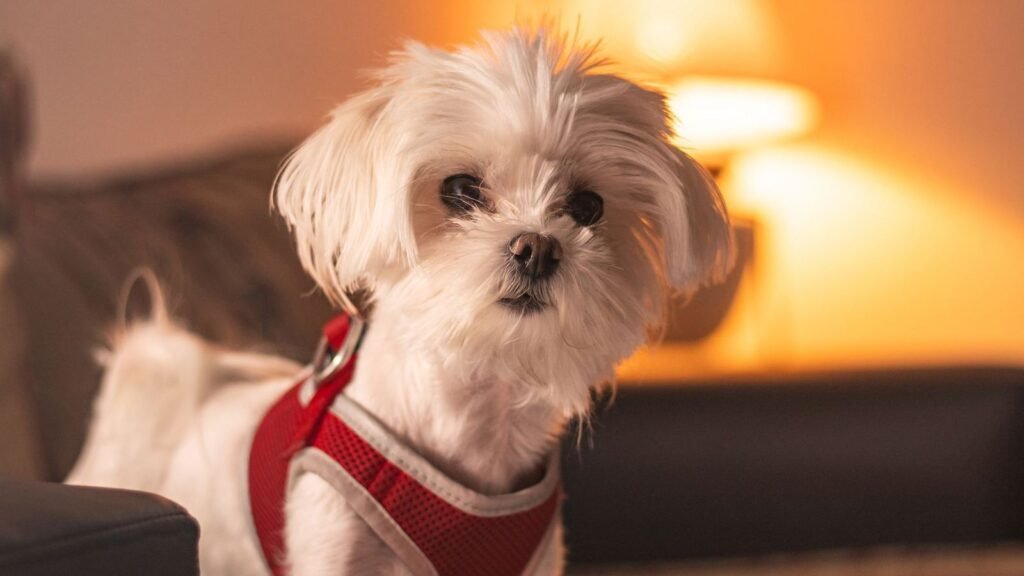
The best puppy harness storage organizer is the one that makes a walk feel simple at the exact moment your puppy is bouncing by the door, not the one that looks neat for a day and then becomes a knot of wet straps, loose waste-bag rolls, and missing leash clips. A dedicated harness home keeps the gear together, but it also needs to account for how a harness hangs, where it dries, and whether an inquisitive puppy can reach it.
What to Look For in best puppy harness storage organizer
Use decision criteria tied to best puppy harness storage organizer: space, upkeep, how it fits your routine, and everyday usability.
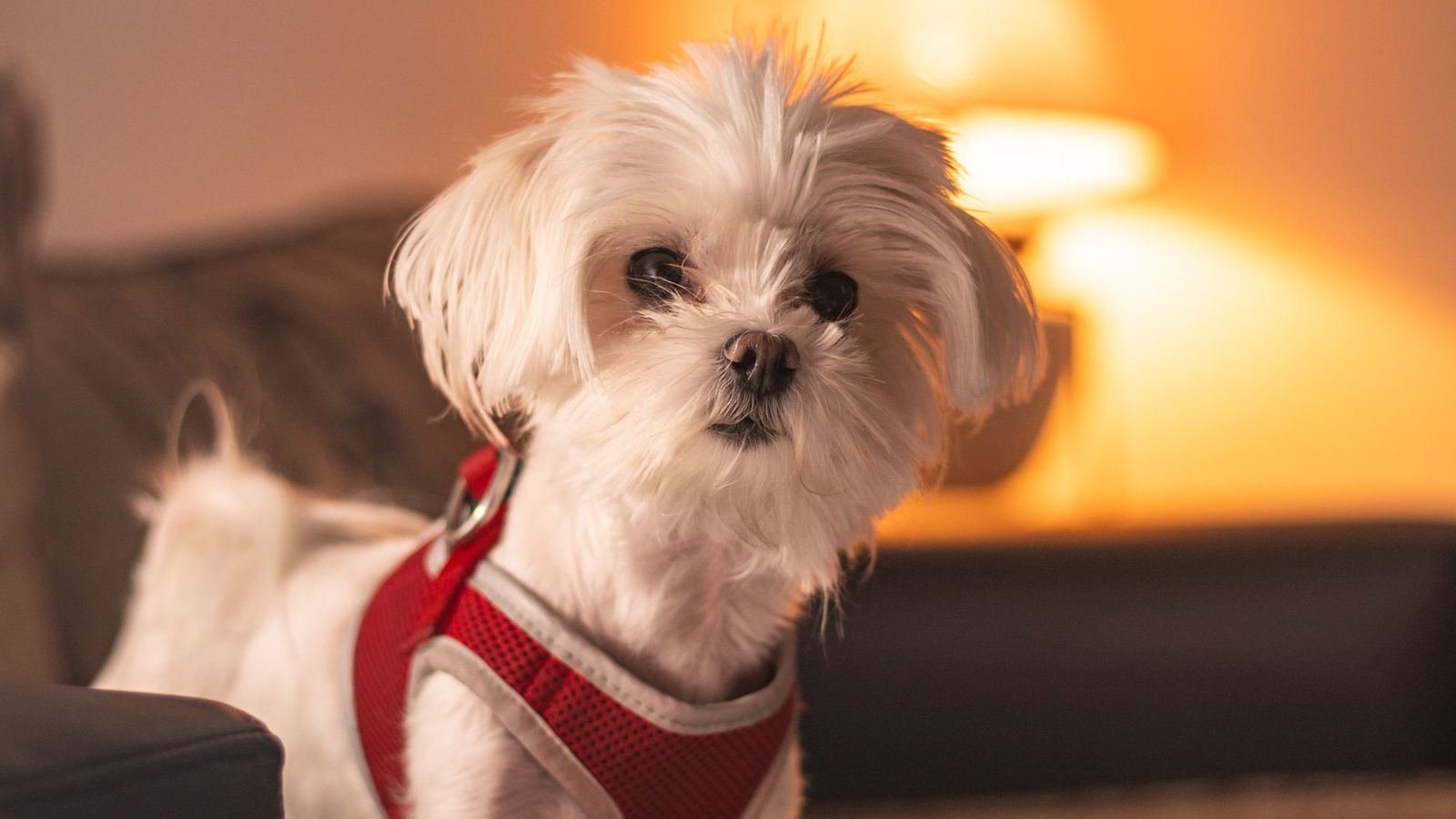
The usual problem is easy to recognize: the harness gets tossed over a chair after a walk, the leash loops around it, and a damp strap stays folded in a pile until the next outing. In a crowded apartment entry or busy family hallway, it can disappear beneath coats and bags. If your puppy chews fabric or grabs anything left at nose height, leaving the harness on a low hook can turn a convenient setup into an expensive replacement problem. The ASPCA notes that destructive chewing is a common behavior issue, so keeping tempting soft gear out of reach is a practical part of the setup.
Start with one rule: give the harness its own hanging point rather than dropping it into the same bin as the leash. Fasten the chest and belly buckles, then hang the harness by its top handle or back D-ring on a smooth hook. This keeps the straps from wrapping around the leash and makes it easier to pick up in one motion. Keep the leash on a neighboring hook, with its clip secured to its own loop, rather than threaded through the harness.
For a small-space example, place a high hook inside a closet, on a wall beside the door, or on the inside of a sturdy cabinet door if the manufacturer permits it. Reserve that hook for the dry harness. Put a removable lower tray beneath it for waste bags, a compact towel, and paw wipes, then add a separate drying hook near a washable mat or utility area for gear that returns rainy or muddy. The dry harness stays ready for the next walk while the wet one can air out without dampening everything else.
Open hooks offer the quickest grab-and-go access and the best airflow, but they create visual clutter and need to be positioned beyond your puppy’s reach. A lidded bin hides gear and limits access, but a damp harness should not be sealed inside it. A wall-mounted organizer can combine hooks, a tray, and a small shelf in one footprint, though it needs secure installation and should follow the manufacturer’s mounting and weight guidance. No organizer is automatically safe from chewing or right for every wall surface.
Choose the simplest option that suits your routine: an open, high hook when the harness is usually dry and walks happen often; a closed container for spare supplies; and a separate place for wet gear to drain and dry. That small separation prevents the daily scramble of searching for a harness while your puppy is already waiting at the door.
Choose Hooks, Bins, or a Closed Wall Station
The best puppy harness storage organizer is usually the simplest setup that keeps the harness hanging in its natural shape, separates it from damp gear, and puts it beyond your puppy’s reach when needed. Start by choosing one permanent “home” for the harness within a few steps of the door you use for walks. Hang the harness by its back loop or a sturdy top handle, rather than stuffing it into a crowded basket where straps can twist around the leash.
- Open hook: Best for a dry harness used several times a day. A single dedicated hook gives the fastest grab-and-go access and helps straps hang straight. The tradeoff is visible gear and easy puppy access, so mount it high enough that a curious puppy cannot reach or chew the harness.
- Lidded bin: Best for spare harnesses, seasonal gear, or supplies that do not need to dry. Use small dividers or a pouch inside for waste bags, a light-up collar, and a folded towel. Avoid putting a wet harness straight into the bin; trapped moisture can leave straps damp and make the bin smell musty.
- Closed wall station: Best when the entry is busy, the puppy mouths hanging items, or you prefer less visual clutter. Choose a unit with room for the harness to hang without being crushed. Follow the manufacturer’s installation and weight guidance, and do not assume a closed organizer is secure if a puppy can open or pull at it.
For a small apartment, use a split setup rather than trying to make one tiny organizer do every job: place a high hook inside a closet or on a wall for the dry, ready-to-wear harness; keep a removable lower tray nearby for waste bags and a clean paw towel; and add a separate drying hook near a washable mat or utility area. After a rainy walk, hang the wet harness on the drying hook first. Once it is dry, return it to the main hook so the usual walk routine stays consistent.
Avoid low hooks, deep catch-all baskets, and overfilled bins that make you hunt for buckles while your puppy is waiting. Adjust the setup if the harness regularly comes home wet, if straps start tangling, or if your puppy begins investigating the storage spot. Puppies may chew accessible household items, so moving gear out of reach and providing appropriate supervision matters more than relying on any organizer alone. The ASPCA offers guidance on managing destructive chewing behavior in dogs.
Set Up a Drying Spot for Wet Harnesses
The best puppy harness storage organizer does more than hold a harness between walks: it gives wet gear a separate place to dry before it returns to the grab-and-go spot. This small distinction keeps a damp chest panel from being folded into a bin, stops muddy straps from touching treats or clean towels, and makes the harness easier to find when it is time for the next walk.
Use a drying spot close enough that you will use it after a rainy outing, but separate from the main harness organizer. A hook just inside a laundry area, beside a washable mat near the door, or on the back of a utility-room door can work well. Keep it out of your puppy’s reach when chewing is a concern; the ASPCA notes that chewing can become destructive when dogs have access to inappropriate items, so loose straps should not be left at puppy level.
- Choose a separate hook for the wet harness: Put the drying hook at least an arm’s reach away from the hook or compartment that holds the clean, ready-to-wear harness. After a wet walk, unclip the leash first, then hang the harness with the chest piece open rather than folded over itself. For example, in a narrow apartment hall, use the high hook inside the coat closet for dry storage and a removable over-door hook on the laundry-room side of the closet door for drying. Pitfall: Do not hang the wet harness directly over the dry one; the lower harness can pick up moisture and dirt without you noticing.
- Give dripping gear a washable landing area: Place a shallow, removable tray or waterproof boot mat beneath the drying hook before the next rainy day. Set the harness down on the tray only long enough to remove mud, wipe hardware, and unclip the leash; then hang it to air dry. A tray is especially useful when a puppy comes home with wet paws and you are trying to manage the harness, towel, and door at once. Pitfall: Avoid using a deep basket as the drying area. Air cannot move well around bundled straps, and the bottom can stay damp.
- Wipe first, hang second: Make the post-walk order predictable: bring puppy inside, secure them behind a gate or with a safe activity, remove the harness, wipe visible mud from buckles and straps with a designated towel, then place the harness on its drying hook. This takes less time than trying to clean dried-on debris before the next walk. Keep the towel in the lower tray rather than on the harness hook, so it does not cover the straps. Pitfall: Do not put a muddy harness straight into its lidded storage bin “just until later.” It can be forgotten there overnight.
- Keep the walk essentials divided by condition: Store clean waste-bag rolls, a spare leash, and a small light in the main organizer, while the used towel and wet harness stay at the drying point until fully dry. This division is more useful than trying to create one container for every item. In a studio, a wall-mounted organizer can hold the dry harness high up, while a lower removable tray carries the towel and waste bags during the walk routine. Move the tray to a cabinet or high shelf afterward if your puppy can reach it. Pitfall: Do not leave bag rolls, clips, or other small walk items loose in the tray if a curious puppy can grab them.
- Reset the organizer after the harness is dry: Check the harness at the next natural transition, such as after dinner or before bed. When the straps are dry to the touch, close the buckles, lay one strap through the chest opening to prevent a loose tangle, and return it to its assigned hook or compartment. Put the towel in the laundry and empty any debris from the tray. Pitfall: Leaving the harness on the drying hook for days turns a temporary wet-gear zone into the place where the harness disappears when you are already late for a walk.
- Use the right setup for your access and airflow needs: An open hook offers the fastest grab-and-go access and the best airflow, but it creates visual clutter and requires a high placement if your puppy mouths straps. A lidded bin hides the harness and limits access, but it is only suitable once the gear is dry and can allow tangles if you toss everything in together. A wall-mounted organizer can separate harness, leash, and towel neatly, but follow the manufacturer’s installation and weight guidance rather than assuming every wall or door can support it. Pitfall: No organizer is automatically puppy-proof; choose the height, closure, and location based on what your puppy can actually reach.
Worked small-space setup: In a one-bedroom apartment with a busy entry corridor, place a high hook inside a closet or on a properly installed wall organizer for the dry harness. Put a removable lower tray nearby for waste bags and the walk towel, taking it down or closing it away if your puppy investigates it. Add a separate drying hook on the bathroom or laundry door, with a washable mat underneath. After a rainy walk, the harness goes to the drying hook, the towel goes into the tray, and the main hook stays empty until the harness is dry. Before the next walk, return the harness to the high hook, clip on the leash, and leave without digging through damp gear.
This two-location approach is often more dependable than searching for one large organizer that must handle clean storage, wet drying, and puppy access all at once.
A Small-Entryway Walk Station Example
The best puppy harness storage organizer for a tight entryway is often a small, divided setup rather than one crowded basket. Picture a narrow wall beside the door: the harness has one high hook, walk supplies sit in a removable tray below, and a second hook a few feet away handles damp gear after rainy walks. This keeps the harness recognizable, reachable, and separate from the items that tend to make straps wet or tangled.
For this type of space, each organizer style has a useful tradeoff:
- Open hooks: Fastest for grabbing a dry harness and helpful for airflow, but they leave gear visible and may be within reach of a curious puppy.
- Lidded bin: Reduces visual clutter and keeps loose supplies together, but a harness can become creased, tangled, or trapped with damp items if it is tossed in after a walk.
- Wall-mounted organizer: Gives each item a defined home while using vertical space, but it needs secure installation and should follow the manufacturer’s weight and mounting guidance.
In a studio or narrow hall, mount the main harness hook high enough that your puppy cannot reach it. Put a shallow, removable lower tray on a shelf or slim console for waste-bag rolls, a folded towel, and a small treat pouch. Keep a separate drying hook away from the main storage spot, such as on the laundry-room side of the door or near a washable mat. Once the harness is fully dry, return it to its regular hook.
- Putting the harness in the same bin as the leash: The straps twist around the leash clip, and the next walk begins with you pulling knots apart while your puppy waits. It fails because loose webbing and metal clips shift every time the bin is opened. Better move: Hang the harness by its back loop or top handle, then coil the leash separately on its own hook or in the lower tray.
- Returning a damp harness to its usual storage spot: Moisture gets sealed into a bin or pressed against other gear, leaving the whole walk area feeling clammy and harder to reset. It fails because the grab-and-go location is being asked to do two jobs: drying and storing. Better move: Use the separate drying hook first, and only move the harness back once it feels dry to the touch.
- Keeping the harness on a low bench or floor-level basket: It may disappear under towels, get carried away, or become an appealing chew item. The ASPCA notes that destructive chewing can be a common behavior concern, so leaving soft straps within easy reach is not a reliable storage plan. Better move: Place the harness out of reach where needed, and reserve the low tray for supplies that can be quickly removed or safely contained.
- Making one hook hold everything: A harness, leash, raincoat, towel, and bag holder create a bulky bundle that falls off or tangles. It fails because the item needed first, the harness, is buried inside the pile. Better move: Assign one hook to the harness only, one to the leash, and one drying location for wet items.
A good reset takes less than a minute: hang or dry the harness, return the leash to its hook, refill the waste-bag holder if needed, and place the towel back in the tray. That simple separation makes the station easier to maintain than a larger organizer with no clear roles.
Keep Straps Untangled Between Walks
The best puppy harness storage organizer is the one that supports the same quick routine every day: take the harness off, check whether it is dry, hang it in its own shape, and return only the small walk items you use next time. That routine keeps straps from becoming a knot at the bottom of a basket and makes it much less likely that the harness disappears under towels, toys, or mail near the door.
For this week, try a simple reset after each walk. Unclip the leash from the harness, shake off loose dirt outside if needed, and place a damp harness on its drying hook rather than its usual storage hook. Once it is dry, fasten one buckle loosely and hang it by the back strap or sturdy handle so the chest and belly straps fall separately. Keep waste bags, a small towel, and treats in one removable container, not looped through the harness straps.
- Open hooks: Fastest to grab and best for airflow, but they create visual clutter and need to be placed high enough that a puppy cannot reach hanging straps.
- Lidded bin: Keeps gear out of sight and can limit access to loose supplies, but a harness should be dry and loosely arranged before it goes inside; a closed bin is not a drying area.
- Wall-mounted organizer: Gives each item a defined home with less floor clutter, but follow the manufacturer’s installation and weight guidance and choose a location that does not interfere with doors or narrow walkways.
In a small apartment, a practical decision might be a high hook inside a closet or on a clear wall for the dry harness, a separate hook near a washable mat for rainy-day drying, and a removable lower tray for waste bags and a paw towel. The tray can come down when you need it, while the harness remains above puppy reach. If chewing has been a problem, avoid leaving straps at nose level; the ASPCA notes that chewing is a common behavior concern, so managing access to tempting items is often more realistic than expecting gear to be ignored.
This setup solves the everyday frustration: you can find the harness before a walk without pulling apart tangled straps, yet it does not stay damp, invite chewing, or take over the entryway. Tonight, choose one high, clear hook for the dry harness and move every unrelated item away from it.
FAQ
What to Look For in best puppy harness storage organizer?
Use decision criteria tied to best puppy harness storage organizer: space, upkeep, how it fits your routine, and everyday usability. Photo by eduardo oscar on Pexels The usual problem is easy to recognize: the harness gets tossed over a chair after a walk, the leash loops around it, and a damp strap stays folded in a pile until the next outing.
What should I know about choose hooks, bins, or a closed wall station?
The best puppy harness storage organizer is usually the simplest setup that keeps the harness hanging in its natural shape, separates it from damp gear, and puts it beyond your puppy’s reach when needed. Start by choosing one permanent “home” for the harness within a few steps of the door you use for walks.
What should I know about set up a drying spot for wet harnesses?
The best puppy harness storage organizer does more than hold a harness between walks: it gives wet gear a separate place to dry before it returns to the grab-and-go spot. This small distinction keeps a damp chest panel from being folded into a bin, stops muddy straps from touching treats or clean towels, and makes the harness easier to find when it is time for the next walk.