
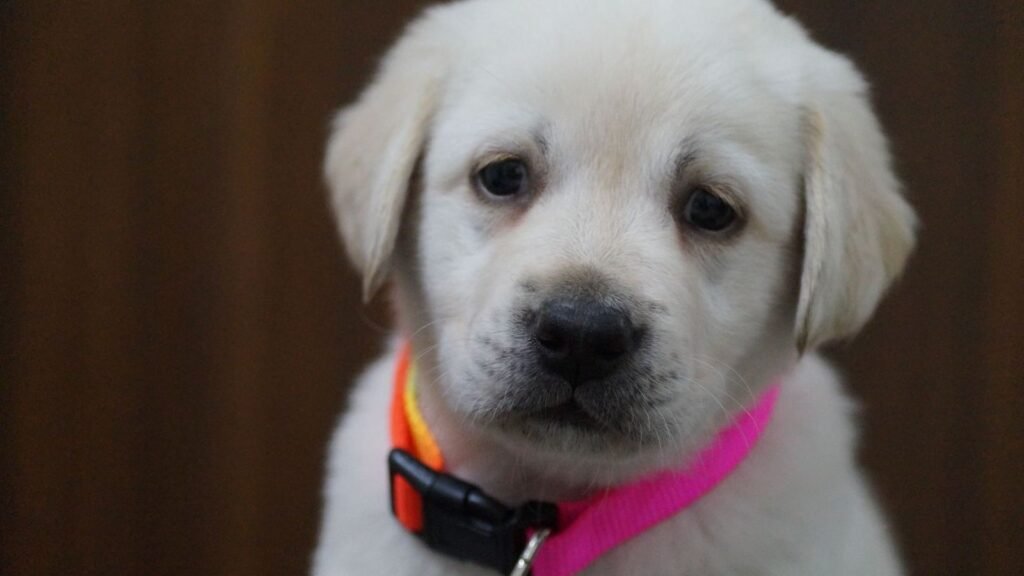
Learning how to organize puppy collars and tags can make the rushed minute before a walk much calmer. Instead of opening an entryway drawer to find two small collars, a loose ID tag, and a buckle from something your puppy outgrew weeks ago, give each item a clear job: one set that is ready now, one set kept as a backup, and one group set aside because it no longer fits. The current collar should be the easiest piece to reach and check before you head out.
How to organize puppy collars and tags: what matters
Use decision criteria tied to how to organize puppy collars and tags: space, upkeep, how it fits your routine, and everyday usability.
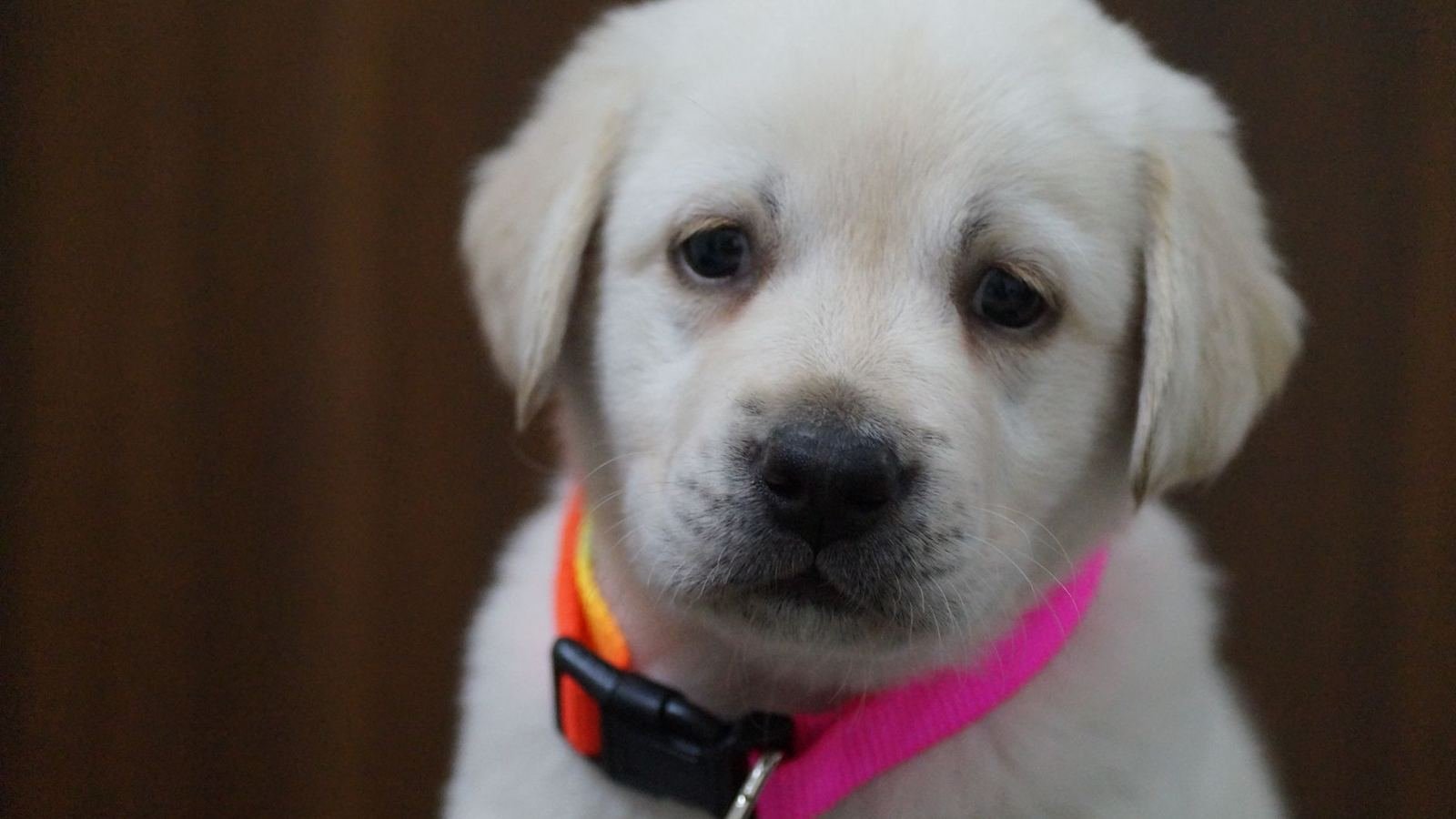
The problem is usually not having too many supplies. It is that tiny, important pieces collect in the same place: a current collar gets dropped beside a spare, tags slide beneath mail or poop-bag rolls, and older sizing options stay mixed in because they might be useful later. That creates unnecessary searching when you need the collar that fits today, and makes it easy to forget whether its tag is still attached.
Start with one immediate reset: place the collar your puppy currently uses on a labeled hook or in the front section of a shallow drawer tray near the exit. Keep its attached tags on the collar rather than in a separate pile. Beside it, place a small lidded container for spare tags only; a container with a secure lid is far less likely to lose a tag than an open dish or catchall drawer. Tag information and local licensing rules vary, so use that container for extras, replacement tags, and any paperwork you need to keep together, not as a substitute for checking what your area requires.
A simple three-group system works in a narrow apartment entryway, a kitchen drawer, or a larger mudroom. For example, use one hook marked “Now, ” one small bin marked “Backup, ” and one bag or bin marked “Outgrown.” The tradeoff is that the outgrown bin is not as convenient for daily access, but that is the point: it keeps older collars from being grabbed by mistake while still saving them for a future pet, donation decision, or comparison when choosing the next size.
Before putting the current collar back in its spot, take a few seconds to confirm the tag is secure and the collar is the one your puppy is using now. That small check turns the storage area into a reliable walk-time station rather than another drawer full of loose gear.
Choose one ready-to-go spot near the exit
For how to organize puppy collars and tags, start by choosing one small, visible spot that holds only the collar your puppy is using now. A hook beside the door, one front section of an entryway drawer, or a shallow tray on a nearby shelf can work. The goal is simple: when it is time for a walk, you should be able to reach for one complete set instead of sorting through old collars, loose tags, and extras.
Put the current collar on the hook or in the tray with its everyday ID tag attached. Keep a small lidded container or divided drawer compartment directly beside it for spare tags, tag rings, and a backup collar. This separation matters because a tag can disappear quickly among keys, receipts, and dog-walking supplies. Before putting a collar back, take a few seconds to confirm the tag is still secured and that the collar is the one your puppy currently wears. Tag information and local licensing rules vary, so review the details on your puppy’s tag and check your local requirements when needed.
- Current set: Reserve the easiest-to-reach hook, tray section, or drawer slot for the collar and tag used for regular walks.
- Backup set: Store one clean backup collar and its matching tag hardware in the small lidded container nearby, but not mixed with the current set.
- Outgrown collars: Move collars that are clearly too small into a labeled pouch or bin away from the exit. Label it “outgrown” rather than leaving it in rotation.
- Loose tags: Keep spare identification tags, license tags, and extra split rings in a closed container, not on an open tabletop or in the bottom of a large drawer.
A small-apartment setup might be a single wall hook for the current collar, a labeled tin in the nearby drawer for spare tags, and a fabric bin on a closet shelf for outgrown sizes. In a larger home, the same system can live in a mudroom cabinet: current gear at hand level, backups in one marked compartment, and old sizes stored elsewhere. Avoid hanging every collar you own by the door. Multiple similar collars make it easy to grab an outdated size or leave a tag behind during a rushed exit.
Adjust the station whenever your puppy moves up a collar size, a tag is replaced, or your walk routine changes. Move the former everyday collar into the backup group only if it still fits and is in usable condition; otherwise, place it in the outgrown bin. Keeping that one decision point near the exit prevents the entryway pile from rebuilding while still giving you a clear place to check the right collar before each walk.
Label backup and outgrown collars by size
When deciding how to organize puppy collars and tags, treat each collar as part of a small, complete set rather than a loose strap in a drawer. Your goal is simple: the collar currently in use should be ready near the door, the next size should be easy to find, and collars your puppy has outgrown should not get mixed back into the walk-time pile.
- Make three groups before choosing storage: Set aside 10 minutes when your puppy is resting and place every collar, harness, tag, and tag ring on a table or clear patch of floor. Create three groups: current, backup or next size, and outgrown. Put the collar used for today’s walks in the current group, even if it looks similar to a spare. The common pitfall is sorting by color or style first; that can leave two different sizes together and make the wrong one look like the right choice during a rushed morning.
- Write the usable size on every backup collar: Use a small removable label, masking tape flag, or tied-on paper tag to note the collar’s size as stated by its maker and, if helpful, its adjustable range. Add a short status word such as “NEXT, ” “SPARE, ” or “TOO SMALL.” Do this immediately after sorting, before collars return to a drawer. In a small apartment, a shallow divided drawer tray can hold the labeled backups flat without taking over an entryway surface. The pitfall is relying on memory: a puppy can move through sizes quickly, and a plain blue collar in the back of a drawer may look identical to the current blue collar.
- Keep the current collar separate from all extras: Store only the active collar and its attached identification tag at the ready-to-go station near the exit. A labeled hook, one drawer compartment, or a small basket by the leash works best when it aligns with your available space and routine. After each walk, return that same set first, then put away everything else. This order matters because it prevents a spare collar from becoming the default simply because it landed closest to the door. The pitfall is using one open bowl for every collar and tag; loose pieces migrate to the bottom, especially when keys, mail, and poop-bag rolls are dropped in with them.
- Give spare tags a closed home: Place unused ID tags, replacement rings, and licensing paperwork in a small lidded container or zip pouch inside the backup-collar area. Add a note on the outside: “Tags, check details before attaching.” Keep the container behind the current-collar space, not on the hook itself, so small metal pieces cannot slide behind a console table. Check tag text when you add a new collar or move up a size. Contact details and local licensing rules can vary, so confirm what information and licensing documentation apply where you live rather than assuming every tag needs the same details. The pitfall is clipping a spare tag to an outgrown collar for “safekeeping, ” then forgetting which tag is current.
- Create an outgrown holding zone with a decision date: Put collars that no longer fit into one labeled pouch, bin, or rear drawer section marked “OUTGROWN, REVIEW.” Add the month and year on the label. Review it every two or three months: keep a sentimental collar, pass along a clean usable one, or discard worn hardware. This prevents a growing collection of tiny collars from returning to the active drawer. The pitfall is throwing outgrown collars directly into a donation bag before removing tags, which can expose personal contact information or separate a tag from the collar you meant to keep.
- Finish with a short return-to-storage check: Once a week, preferably before your usual walk or supply reset, pick up the current collar and confirm the tag is attached and readable, the buckle or clasp closes as intended, and the collar is still the one your puppy is wearing now. For fit questions, follow the collar maker’s directions and ask a qualified professional if you are unsure; avoid treating a storage label as proof that a collar still fits. The pitfall is checking only when a walk is already delayed, when it is easiest to grab an unmarked backup without reviewing it.
Worked small-entryway setup: In a rental with only a narrow wall beside the door, use one hook labeled “NOW” for the active collar and leash. Below it, place a small lidded container labeled “TAGS + RINGS.” In the nearest drawer, use two sections: “NEXT SIZE” at the front and “OUTGROWN, REVIEW” at the back. A puppy with a current small collar, one adjustable medium backup, and two outgrown collars can then be sorted in less than a minute. The medium collar stays labeled “NEXT, ” its spare tag stays in the lidded container, and the old collars cannot be mistaken for walk gear.
This setup keeps daily decisions small: grab the set marked for now, return it to the same place, and deal with size changes during a calm weekly check rather than at the door.
Worked example: a small entryway collar station
A simple way to see how to organize puppy collars and tags is to set up one station that separates today’s walk gear from items that are waiting, spare, or no longer the right size. Imagine a narrow entryway with a wall hook, one shallow drawer, and a small lidded container. The system does not need much room; it needs clear limits.
- Current collar hook: Keep only the collar currently being used on a labeled hook near the exit. Attach the current ID tag to that collar rather than storing the two separately. This makes the grab-and-go choice obvious when a walk is about to start.
- Tag container: Put spare tags, tag rings, and any tag-related paperwork in a small lidded container inside the drawer. A lid matters because loose metal pieces can slide behind other entryway items or disappear when the drawer is opened quickly.
- Backup section: Use one divided drawer section or small pouch for a backup collar that still fits. Store it fastened into a circle, with a note such as “backup, fits now.” This prevents it from being confused with an older collar that only looks similar.
- Outgrown bin: Place smaller collars in a separate labeled container: “outgrown, keep or pass on.” Keeping this bin away from the hook avoids putting an old collar back into rotation by mistake.
Several common mistakes can make this small setup less useful than it should be.
- Keeping every collar on the same hook: The result is a cluster of similar straps, where an outgrown collar can be grabbed during a rushed departure. It fails because the storage spot does not show which item is current. The better move is one hook for the active collar and a separate drawer or bin for everything else.
- Leaving tags loose in a drawer: Tags, split rings, and small screws can get mixed with keys, batteries, or receipts. It fails because tiny pieces have no defined home. The better move is a dedicated lidded container, opened only when changing or updating a tag.
- Calling all unused collars “spares”: A collar that is too small may remain beside a usable backup, creating uncertainty at walk time. It fails because “unused” does not explain whether the collar fits. The better move is to label usable backups separately from outgrown sizes.
- Putting off the brief check: A collar may be returned to storage with a loose tag ring or outdated contact details. It fails because the station becomes a holding place rather than a reset point. The better move is to pause before putting the collar away and check that the tag is attached and readable.
For the current collar, use the fit guidance provided by a trusted source such as the American Kennel Club or the collar maker’s instructions rather than relying on an old size label. Puppies can outgrow gear quickly, so a label such as “small” is useful for sorting but is not a promise that the collar still fits.
Before closing the drawer, confirm that the active collar is back on its hook, the backup is in its marked section, and loose tags are inside their container. If you replace a tag or add licensing information, check your local requirements and make sure the details on the tag are current. That short reset keeps the entryway station clear without turning collar storage into another daily chore.
Do a quick fit and tag check before storage
To make how to organize puppy collars and tags work beyond the first tidy-up, add a short check when you bring walk gear back inside. It takes less time than searching through a mixed drawer before the next walk, and it keeps the current collar, its tag, and any backups in their proper places.
- Put the current collar in its ready spot: Return the collar your puppy is using now to the labeled hook, tray section, or front pocket by the exit. If the tag is attached, leave it attached rather than dropping it into the spare-tag container.
- Look for loose hardware: Check whether the tag ring, ID tag, or buckle looks loose or has fallen off. Put detached tags directly into the small lidded container or divided tray reserved for spare pieces, not on the counter “for later.”
- Check whether the collar still belongs in the current group: If it is clearly becoming too small or is no longer the collar you reach for, move it to the labeled backup or outgrown section right away. This prevents several almost-fitting collars from collecting at the door.
- Keep the next option complete: When moving a collar into backup storage, place its matching tag with it if that tag is meant for that collar. A small zip pouch, envelope, or lidded container inside the backup bin keeps the set together.
For example, a renter with one narrow entryway drawer can keep the current collar on a labeled hook just inside the door. The drawer can hold a divided tray: one section for a backup collar and its attached tag, one for loose spare tags and rings, and one marked “outgrown.” The tradeoff is that the drawer holds fewer miscellaneous items, but walk gear no longer gets buried under keys, mail, or seasonal accessories.
Tag details and local licensing rules can vary, so use the brief check to make sure the information on the tag is still the information you want associated with your puppy. If you need to update a tag, place the old one in the spare-pieces container until you are ready to replace it, rather than letting it disappear into the general drawer.
The routine for this week is simple: keep one collar ready near the exit, keep small tags contained, and move every extra collar into either backup or outgrown storage as soon as its role changes. That gives loose collars, old sizes, and spare tags a clear home instead of leaving you to sort a pile when it is time to go out.
Next step: Set out one small lidded container today and label it “spare tags, ” then collect every loose tag and ring from your entryway or drawer and place them inside.
FAQ
How to organize puppy collars and tags: what matters?
Use decision criteria tied to how to organize puppy collars and tags: space, upkeep, how it fits your routine, and everyday usability. Photo by Sreedhar Truly on Pexels The problem is usually not having too many supplies.
What should I know about choose one ready-to-go spot near the exit?
For how to organize puppy collars and tags , start by choosing one small, visible spot that holds only the collar your puppy is using now. A hook beside the door, one front section of an entryway drawer, or a shallow tray on a nearby shelf can work.
What should I know about label backup and outgrown collars by size?
When deciding how to organize puppy collars and tags , treat each collar as part of a small, complete set rather than a loose strap in a drawer. Your goal is simple: the collar currently in use should be ready near the door, the next size should be easy to find, and collars your puppy has outgrown should not get mixed back into the walk-time pile.