
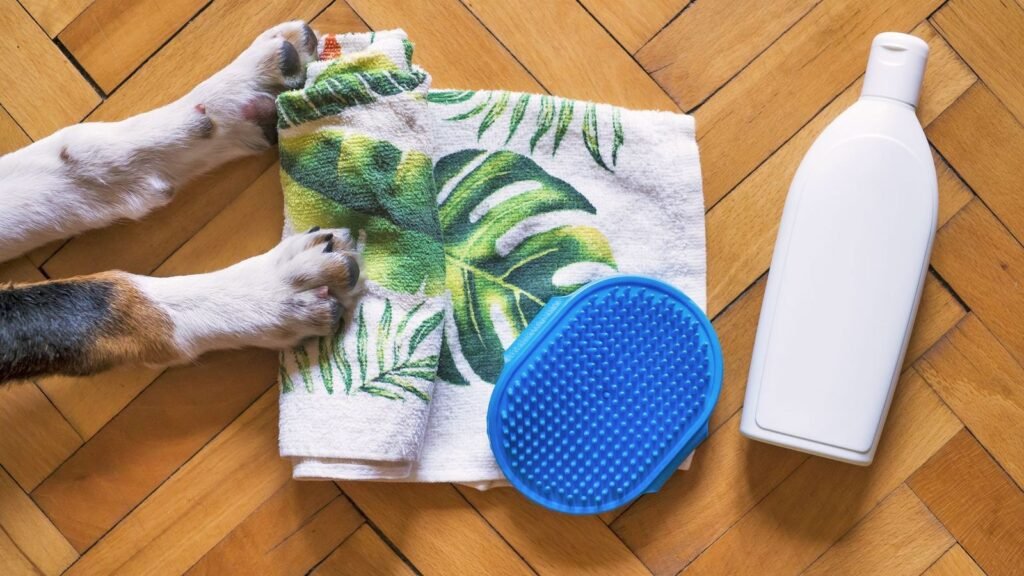
The puppy brush storage vs bathroom drawer choice usually appears in a small, ordinary moment: your puppy has tracked in a few bits of grass, you notice loose hair on the bath mat, and the brush is still sitting on the counter beside a damp washcloth. You need it close enough for a two-minute grooming session, but not where hair collects around the sink, moisture reaches the bristles, or an interested puppy can grab and chew it.
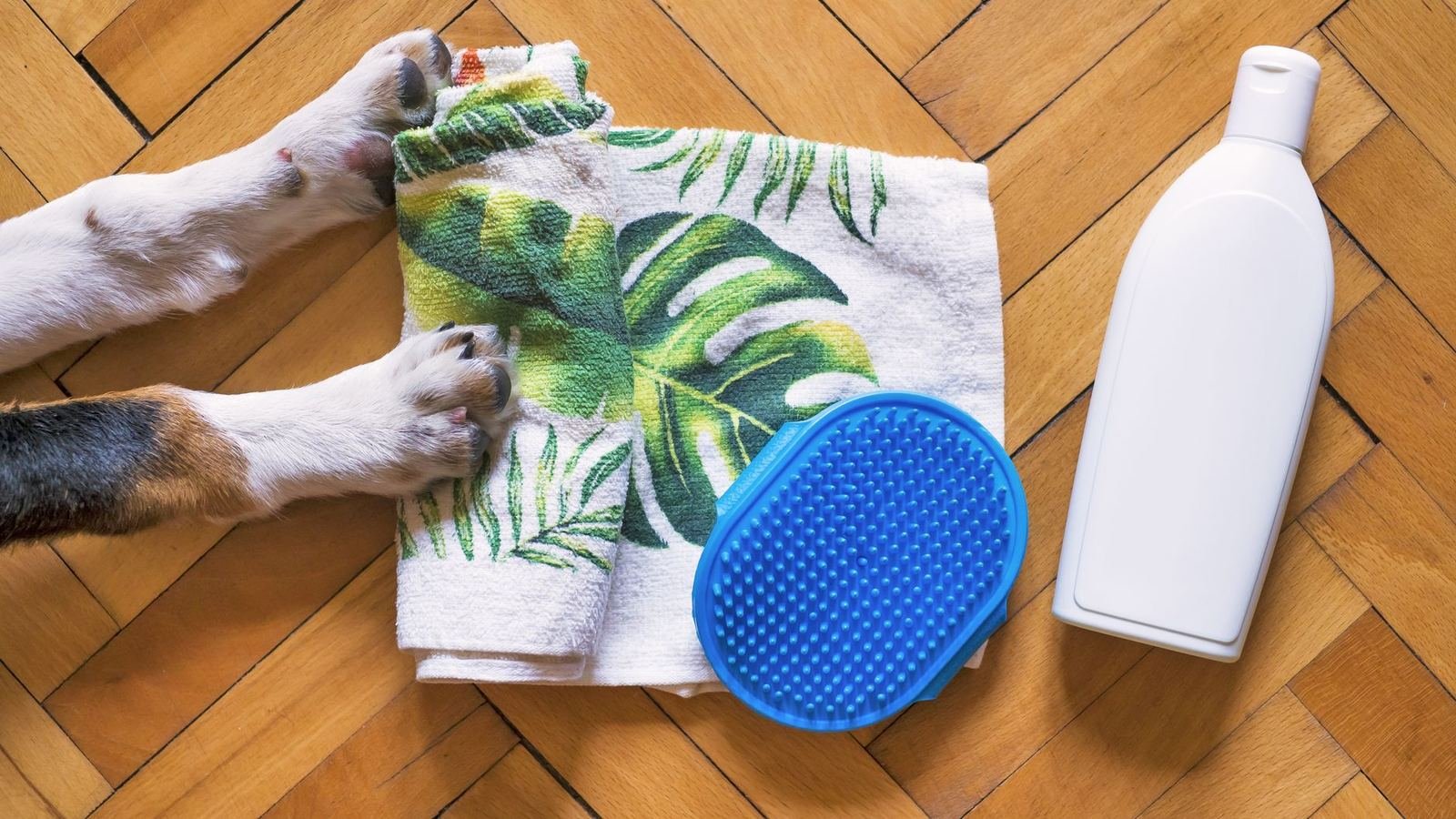
A dedicated brush spot, a small caddy on a high shelf or a wall-mounted container outside splash range, makes the brush quicker to reach when grooming happens often. It also keeps the tool separate from toothbrushes, cosmetics, and other bathroom items. The tradeoff is that the container needs a deliberate home: place it above puppy reach, away from the tub or sink spray, and empty loose hair before putting the brush back.
A bathroom drawer is usually the better fit when counter space is scarce or you want the grooming tools completely out of sight. It contains shed hair and creates a simple reset point after each session, but only if the drawer stays clean and dry. If your puppy can nose or paw drawers open, use a latch or choose a drawer the puppy cannot access. A brush left in an easy-to-open low drawer is still a chewable household item, not secure storage.
For an immediate setup, line one section of a dry drawer with a washable cloth or shallow removable tray. After brushing, pull hair from the tool over a waste bin, wipe away any moisture, and return it bristle-side up. Keep only the brush and one small grooming item there, rather than turning the drawer into a mixed supply catchall. That small boundary makes it easier to notice when the brush needs cleaning and prevents damp tools from getting buried under spare shampoo, towels, or puppy accessories.
Choose Dedicated Brush Storage for Frequent Grooming
For the puppy brush storage vs bathroom drawer decision, choose a dedicated brush spot when you reach for the brush several times a week and need it visible enough to support quick, low-mess sessions. A small caddy or wall-mounted container keeps one brush and a grooming cloth together, so the bathroom counter stays clear and the brush does not get buried under everyday toiletries.
Start by picking one dry location just outside the splash zone: beside the bathroom cabinet, on a high shelf near the puppy’s towel area, or mounted inside a closed cabinet door if it can be secured. Keep only the tools used for short sessions there. After brushing, pull loose hair from the brush over a trash bin, wipe the handle if needed, and return it only when it is dry.
- Dedicated caddy: Use this when grooming happens in more than one room or you brush near the crate, entryway, or bath area. A caddy is easy to carry, but it should be stored on a high shelf or behind a closed door rather than on the floor where a puppy can chew or tip it.
- Wall-mounted container: Choose this when the bathroom is small and you want the brush in one fixed place. Mount it away from sink splashes and high enough that the puppy cannot reach the handle, bristles, or collected hair.
- Closed cabinet shelf: Use this middle-ground option when you want fast access without leaving tools in view. A shallow, wipeable tray can contain hair and prevent the brush from touching damp bottles or cleaning supplies.
Avoid leaving the brush on the counter after a session, even if it is only for later that day. Loose hair can spread to towels and toiletries, while a damp brush can leave residue on the surface or collect moisture in a crowded container. Also avoid an open low basket: it may look tidy at first, but it gives a curious puppy direct access to a chewable handle and bristles.
For example, in a small apartment bathroom, place a narrow grooming caddy on the top shelf of a linen cabinet. Keep the brush, a small washable cloth, and a lidded waste container nearby. Brush your puppy on a bath mat, remove the trapped hair over the bin, then return the dry brush to the shelf. If the brush starts coming back wet after baths, adjust the setup by giving it a separate open drying spot out of reach before it goes back into the caddy. A dedicated spot is best when convenience matters most; a bathroom drawer is usually the better choice when closed, hidden storage matters more than instant access.
What Each Storage Option Solves
For puppy brush storage vs bathroom drawer, the useful choice comes down to what interrupts your routine most: not seeing the brush when you need it, or having grooming tools and loose hair spread across the bathroom. A dedicated storage spot favors fast access. A bathroom drawer favors a calmer-looking room and better containment. Neither option should leave a brush, comb, or damp cloth on the counter where hair can collect or a curious puppy can reach it.
- Dedicated caddy:
Dedicated caddy, shop optionsSee on Amazon
Choose a small, washable plastic caddy with a solid base and two or three compartments when you do quick brush sessions near the bathroom, mudroom, or crate area. Keep one compartment for the brush, one for a lint-free cloth, and one for a small bag or reusable hair catcher. This makes the brush visible and easy to return after a two-minute tidy-up, rather than setting it on the sink. The tradeoff is placement: put the caddy on a high shelf or inside an adult-height cabinet, well away from shower splash and outside chewing reach. The ASPCA notes that dogs may chew household objects, so grooming tools should not be left where a puppy can treat them as a toy.
- Shallow bathroom drawer:
Shallow bathroom drawer, shop optionsSee on Amazon
Use a drawer when counter clutter is the bigger problem or when the bathroom is the only reliable grooming location. A shallow drawer organizer with removable, wipe-clean plastic trays works well for one brush, one comb, and a small cloth. Give the brush its own tray so trapped hair stays separate from toothpaste, cosmetics, and family items. Before closing the drawer, remove visible hair and allow any damp tool to dry fully rather than sealing moisture inside. Select a drawer that closes securely; if your puppy can nose or paw it open, use a latch or move grooming supplies to a higher drawer.
- Wall-mounted container:
Wall-mounted container, shop optionsSee on Amazon
A narrow, open-top wall container can suit a home where an adult brushes the puppy briefly at the same standing spot each day. Look for a smooth, non-porous container with drainage-free interior surfaces that can be wiped clean, plus a secure mounting method appropriate for the wall. It keeps the brush off the vanity and frees drawer space, but it is not a good fit beside a tub, below a towel hook, or anywhere the puppy can reach by standing up. This option solves access, not privacy: everyone in the room can see the tools and loose hair needs to be cleared out promptly.
- Two-part setup:
Two-part setup, shop optionsSee on Amazon
For a small bathroom, combine a drawer tray with a single removable grooming cup. Keep the clean brush in the drawer most of the time, then take out the cup during a short session to hold the brush and collected hair. For example, brush your puppy on a bath mat, place the brush in the cup instead of on the counter, gather the hair into a waste bin, wipe the cup, and return the dry brush to its drawer tray. This approach gives the contained finish of a drawer without forcing you to open and close it repeatedly during grooming.
The simplest decision is practical: choose dedicated brush storage if you need the brush immediately and have a high, dry, puppy-inaccessible location. Choose a bathroom drawer if your priority is keeping tools hidden, hair contained, and the counter clear. If both needs matter, the two-part setup keeps the routine quick without turning the bathroom into a permanent puppy-grooming station.
A Simple Decision: Which Spot Fits Your Routine
For the puppy brush storage vs bathroom drawer decision, choose the spot that removes the most friction from your real evening routine. A dedicated brush spot fits best when you regularly do quick brush-outs near the crate, entryway, or a grooming mat and need the brush visible at a glance. A bathroom drawer fits best when counter clutter, splashing water, and puppy access are the bigger problems.
Try one simple routine this week: brush your puppy in the same place, remove trapped hair before putting the brush away, and return it immediately to its assigned spot. Do not leave it on the bathroom counter “just for a minute.” That is usually when loose hair spreads to the sink area, a damp brush gets forgotten, or a curious puppy reaches it.
- For frequent short sessions: Keep the brush in a dedicated, puppy-inaccessible spot close to where brushing normally happens. Make sure the location is away from splashing water and cannot be reached or pulled down by your puppy.
- For a small shared bathroom: Use the bathroom drawer if it stays clean and dry. Give the brush its own contained area rather than placing it loose beside toothpaste, cosmetics, or household items.
- For damp tools: Let the brush dry fully in a safe, supervised place before closing it into storage. A closed drawer can hide moisture and make the next grooming session less pleasant.
For example, if you brush your puppy by the bathroom door after muddy walks, a drawer may be the calmer choice: brush on a towel, pull out the collected hair, set the brush aside to dry where your puppy cannot reach it, then place it back in the drawer. If your puppy can open drawers, use a latch or choose another secure location. The ASPCA notes that chewing is a common destructive behavior concern, so keeping small grooming items inaccessible is a sensible part of puppy-proofing.
The best setup is not the one with the most storage, it is the one that keeps one brush easy to grab, contained after use, and off the counter. Tonight, choose one permanent spot and clear everything else out of it so the brush has an obvious home.
What you’ll actually use
These are the pieces this setup actually uses. If one does not earn a place in your home, leave it off the list.
- Chew Toys: Keep this where puppy brush storage vs bathroom drawer actually happens, and skip it if you already have a version that works.
- Waste Bags: Keep this where puppy brush storage vs bathroom drawer actually happens, and skip it if you already have a version that works.
- Toys And Chews: Keep this where puppy brush storage vs bathroom drawer actually happens, and skip it if you already have a version that works.
FAQ
What should I know about choose dedicated brush storage for frequent grooming?
For the puppy brush storage vs bathroom drawer decision, choose a dedicated brush spot when you reach for the brush several times a week and need it visible enough to support quick, low-mess sessions. A small caddy or wall-mounted container keeps one brush and a grooming cloth together, so the bathroom counter stays clear and the brush does not get buried under everyday toiletries.
What Each Storage Option Solves?
For puppy brush storage vs bathroom drawer , the useful choice comes down to what interrupts your routine most: not seeing the brush when you need it, or having grooming tools and loose hair spread across the bathroom. A dedicated storage spot favors fast access.
What should I know about a simple decision: which spot fits your routine?
For the puppy brush storage vs bathroom drawer decision, choose the spot that removes the most friction from your real evening routine. A dedicated brush spot fits best when you regularly do quick brush-outs near the crate, entryway, or a grooming mat and need the brush visible at a glance.