
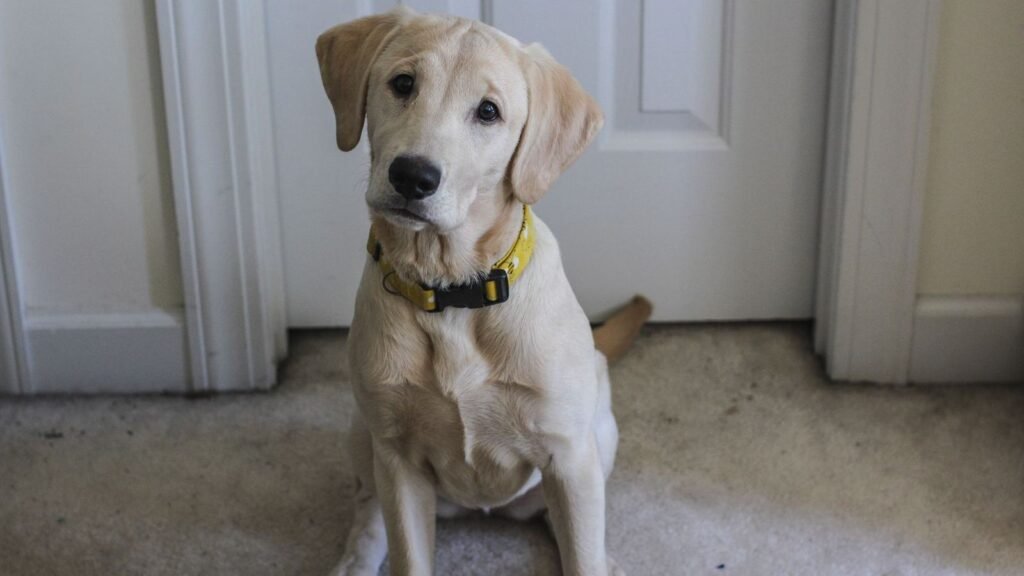
The morning walk is already waiting: your keys are on the entry table, the leash is looped over a chair, and your puppy’s collar has somehow slipped behind a shoe. The puppy collar storage vs key hooks choice matters because the fastest-looking setup is not always the one that stays orderly once a curious puppy can reach, tug, or chew what hangs near the door. A small dedicated collar station keeps puppy gear separate; a few wall-mounted hooks use almost no floor space and make one everyday collar easy to grab.
What to Look For in puppy collar storage vs key hooks
Use decision criteria tied to puppy collar storage vs key hooks: space, upkeep, how it fits your routine, and everyday usability.
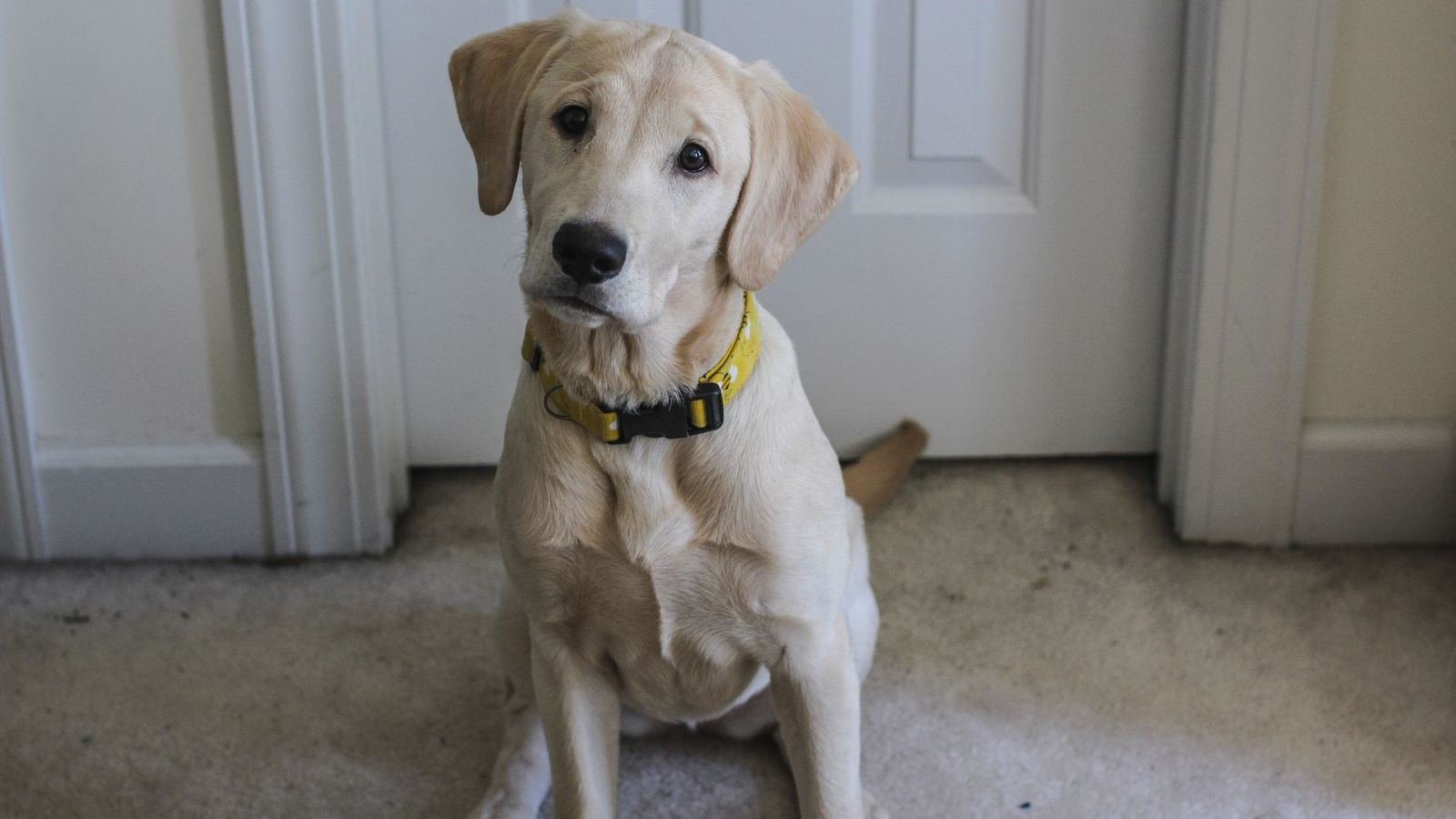
The real question is whether your entryway needs quick access or clearer separation. Key hooks can work well for one collar and one leash in a compact apartment, especially when the hooks are mounted high enough that the puppy cannot mouth the collar, buckle, tags, or dangling leash clip. Keep household keys on a separate hook rather than sharing one hook with the collar. That simple division prevents the familiar last-minute tangle of keys, leash hardware, and tags.
Dedicated puppy collar storage is usually the calmer choice when more than one collar, harness, rain layer, or pet shares the same exit. A small lidded bin, shallow wall pocket, or labeled cubby gives each item a home without turning the front door into a cluster of hanging gear. It also helps keep spare collars from being mistaken for the daily one.
For an immediate setup, stand by your door with the collar in hand and choose a spot you can reach while holding the leash. Mount hooks or place the storage container above your puppy’s standing and jumping reach, then reserve only one hook or compartment for the everyday collar. Put keys beside it, not on it. Follow the installed hardware manufacturer’s guidance for mounting, and keep loose gear off the floor where it can invite chewing or add to the departure scramble.
When dedicated collar storage prevents mix-ups
For the puppy collar storage vs key hooks decision, choose a small dedicated collar spot when more than one collar, pet, or person’s set of keys shares the entryway. A labeled tray, shallow lidded bin, or small wall-mounted compartment keeps the collar separate from keys, loose change, and mail while still making it easy to grab before a walk.
Do this first: count what needs to live by the door. If your puppy has an everyday collar plus a backup, light-up collar, rain gear, or separate tags, dedicated storage is usually the calmer choice. Put only walk-ready items in that space: collar, leash, waste bags, and perhaps a small towel. Keep household keys on their own hook or in a separate key bowl so metal key rings do not catch in the collar buckle or tags.
| Choice | Best for | Main tradeoff |
|---|---|---|
| Key hooks | One everyday collar, very little wall or counter space, immediate grab-and-go access | Collars can tangle with keys or nearby leashes, and the setup gets confusing as gear multiplies |
| Dedicated collar storage | Multiple collars, multiple pets, shared entryways, or frequent lost-item frustration | Needs a small assigned surface or wall area and a simple return routine |
A practical apartment example: place a narrow lidded container on a high entry shelf. Inside, make one section for the puppy’s collar and tags and one for spare waste-bag rolls. Hang the leash on a separate hook beside it, and keep keys on a different hook farther along the wall. This prevents the collar from disappearing into the household-key pile without turning the front door into a row of dangling gear.
- Keep it out of reach: Mount hooks or place storage where your puppy cannot chew, tug, or pull down the collar and its hardware. The ASPCA notes that chewing can be destructive, so avoid leaving tempting items within easy access.
- Avoid one crowded hook: Do not stack the collar, leash, keys, harness, and coat on a single hook. It saves inches of space but creates tangles when you are trying to leave quickly.
- Adjust when the routine changes: Move from key hooks to dedicated storage once a second collar, another pet, seasonal gear, or repeated mix-ups make the hook area hard to scan.
Whichever option you use, return the collar to the same place after removing it. If you mount hardware, follow the manufacturer’s installation guidance and choose a location that stays above your puppy’s chewing and pulling range.
A small-entry setup for collar, leash, and keys
For the puppy collar storage vs key hooks choice, key hooks are usually the better fit when one puppy has one everyday collar and the entryway is tight. A dedicated storage piece is more useful when collars, leashes, rain gear, or several people’s keys start crossing paths. The practical difference is simple: hooks keep the current grab-and-go items visible, while dedicated storage gives each type of item a separate home.
| Option | Best for | Main advantage | Watch for |
|---|---|---|---|
| Wall-mounted key hooks | One daily collar in a narrow entry | Immediate access with almost no floor space used | Collars can tangle with keys if hooks are shared or too close together |
| Dedicated collar storage | Multiple pets, spare collars, or a busy household | Better separation, more capacity, and fewer mix-ups | Needs a small surface, wall area, or nearby shelf |
- Three-hook rail:
Three-hook rail, shop optionsSee on Amazon
Choose a narrow wall-mounted rail with three widely spaced individual hooks for a one-puppy apartment setup. Assign the left hook to house keys, the middle hook to the leash, and the right hook to the collar. Keeping the collar on its own hook prevents its buckle and ID tag from catching on key rings. Mount the rail above your puppy’s standing and jumping reach, and use the hardware and installation guidance supplied by the manufacturer.
- Lidded entryway box:
Lidded entryway box, shop optionsSee on Amazon
Choose a shallow lidded box or wall-mounted cabinet with a simple lift lid or front door when you remove the collar after walks and need to store a spare collar, light-up collar, or harness. Put only puppy gear inside, then use a separate hook outside the box for keys. This is a calmer option when loose tags make noise or when a curious puppy might pull dangling gear from a low hook.
- Split hook-and-tray station:
Split hook-and-tray station, shop optionsSee on Amazon
Use a small wall shelf with hooks underneath and a raised tray on top when keys regularly collect mail, earbuds, or pocket items. Reserve one underneath hook for the leash and place the collar in the tray only after fastening it into a loose circle. Keep the tray high enough that your puppy cannot reach it, and avoid leaving treats there; food scent can make the station more tempting to investigate.
- Labeled two-pet cabinet:
Labeled two-pet cabinet, shop optionsSee on Amazon
Pick a compact wall cabinet with two separate interior hooks or divided compartments for households with more than one dog. Label each space with the pet’s name and keep that pet’s collar, leash, and waste-bag holder together. This dedicated approach is clearer than a row of shared key hooks, especially when collars look similar or different family members handle walks.
Picture a renter with one puppy, a six-foot leash, and a single set of daily keys beside a front door. A three-hook rail mounted high on the wall keeps the departure routine visible: keys first, leash second, collar last. There is no need to buy a larger organizer if the puppy has only one collar in regular use. If a second collar, rain coat, harness, and a partner’s keys soon join that small space, switch to a dedicated box or cabinet before the hooks become a tangled cluster.
Keep the station intentionally small. The collar and leash belong near the exit; spare supplies belong elsewhere. A quick weekly reset helps: return the collar to its assigned hook or compartment, remove broken waste-bag rolls and old receipts, and move any wet gear to dry before putting it away. The ASPCA notes that chewing can be destructive, so avoiding low, dangling straps and hardware is a sensible part of puppy-proofing the entryway. For broader home preparation, the AKC’s new-puppy preparation guidance can help frame which everyday items need a consistent place.
How to keep the chosen station tidy each week
The puppy collar storage vs key hooks decision works best when the station stays simple after the first setup. This week, choose one home for the everyday collar, leash, and your own keys, then spend five minutes resetting that spot on the same day each week. The goal is not a picture-perfect entryway. It is being able to clip on the collar and leave without searching under shoes, sorting through key rings, or finding that a puppy has pulled gear down.
| Option | Best advantage | Watch for |
|---|---|---|
| Key hooks | Immediate access with almost no floor or surface space used | Collars can tangle with keys or become reachable if hooks are mounted too low |
| Dedicated collar storage | Separation, room for extra collars, and fewer household-key mix-ups | Needs a clear return habit so gear does not collect on the nearby table |
For a one-puppy apartment, a single high-mounted hook for the everyday collar can be enough, while household keys go on a separate hook or in their usual place. For example, after the evening walk, unclip the collar, check that the leash is untwisted, and return the collar to its hook before putting down mail or taking off shoes. Keep the hook above your puppy’s jumping, chewing, and pulling reach, and follow the hardware manufacturer’s installation guidance.
If your household has a backup collar, a rain collar, multiple pets, or several people coming and going, use the dedicated space as the reset point. Remove anything that does not belong there: old waste-bag rolls, loose tags, mail, and keys that have migrated into the puppy area. Put one collar in each assigned compartment or section, with the daily collar closest to the door.
- Untangle first: Run the leash clip and collar buckle through your hand before hanging or storing them, so the next walk does not begin with a knot.
- Check the floor zone: Pick up anything that has fallen below the station, especially metal tags, clips, or loose key rings that a curious puppy could mouth. The ASPCA notes that dogs may chew household items, so keeping tempting loose objects out of reach is a sensible part of entryway organization.
- Keep only daily gear nearby: Move spare collars and seasonal items away from the exit if they are creating clutter or confusion.
Your calm next step: tonight, stand at the door with the collar, leash, and keys in hand, choose their exact return spots, and put each one away before the next walk.
What you’ll actually use
These are the pieces this setup actually uses. If one does not earn a place in your home, leave it off the list.
- Food Mat: Keep this where puppy collar storage vs key hooks actually happens, and skip it if you already have a version that works.
- Waste Bags: Keep this where puppy collar storage vs key hooks actually happens, and skip it if you already have a version that works.
- First Aid Kit: Keep this where puppy collar storage vs key hooks actually happens, and skip it if you already have a version that works.
- Dog Leash: Keep this where puppy collar storage vs key hooks actually happens, and skip it if you already have a version that works.
FAQ
What to Look For in puppy collar storage vs key hooks?
Use decision criteria tied to puppy collar storage vs key hooks: space, upkeep, how it fits your routine, and everyday usability. Photo by Kaelin on Pexels The real question is whether your entryway needs quick access or clearer separation.
When dedicated collar storage prevents mix-ups?
For the puppy collar storage vs key hooks decision, choose a small dedicated collar spot when more than one collar, pet, or person’s set of keys shares the entryway. A labeled tray, shallow lidded bin, or small wall-mounted compartment keeps the collar separate from keys, loose change, and mail while still making it easy to grab before a walk.
What should I know about a small-entry setup for collar, leash, and keys?
For the puppy collar storage vs key hooks choice, key hooks are usually the better fit when one puppy has one everyday collar and the entryway is tight. A dedicated storage piece is more useful when collars, leashes, rain gear, or several people’s keys start crossing paths.