

At bedtime, the crate area can turn into a small pile of necessities: a leash dropped beside the door, treats on a side table, a folded crate cover, cleaner for the occasional mess, and a comfort item you do not want to hunt for when the lights are low. Choosing a puppy crate storage box vs drawer is less about matching furniture and more about making those supplies easy to reach without crowding the crate or giving a curious puppy access to chewable, edible, or unsafe items.
What to Look For in puppy crate storage box vs drawer
Use decision criteria tied to puppy crate storage box vs drawer: space, upkeep, how it fits your routine, and everyday usability.
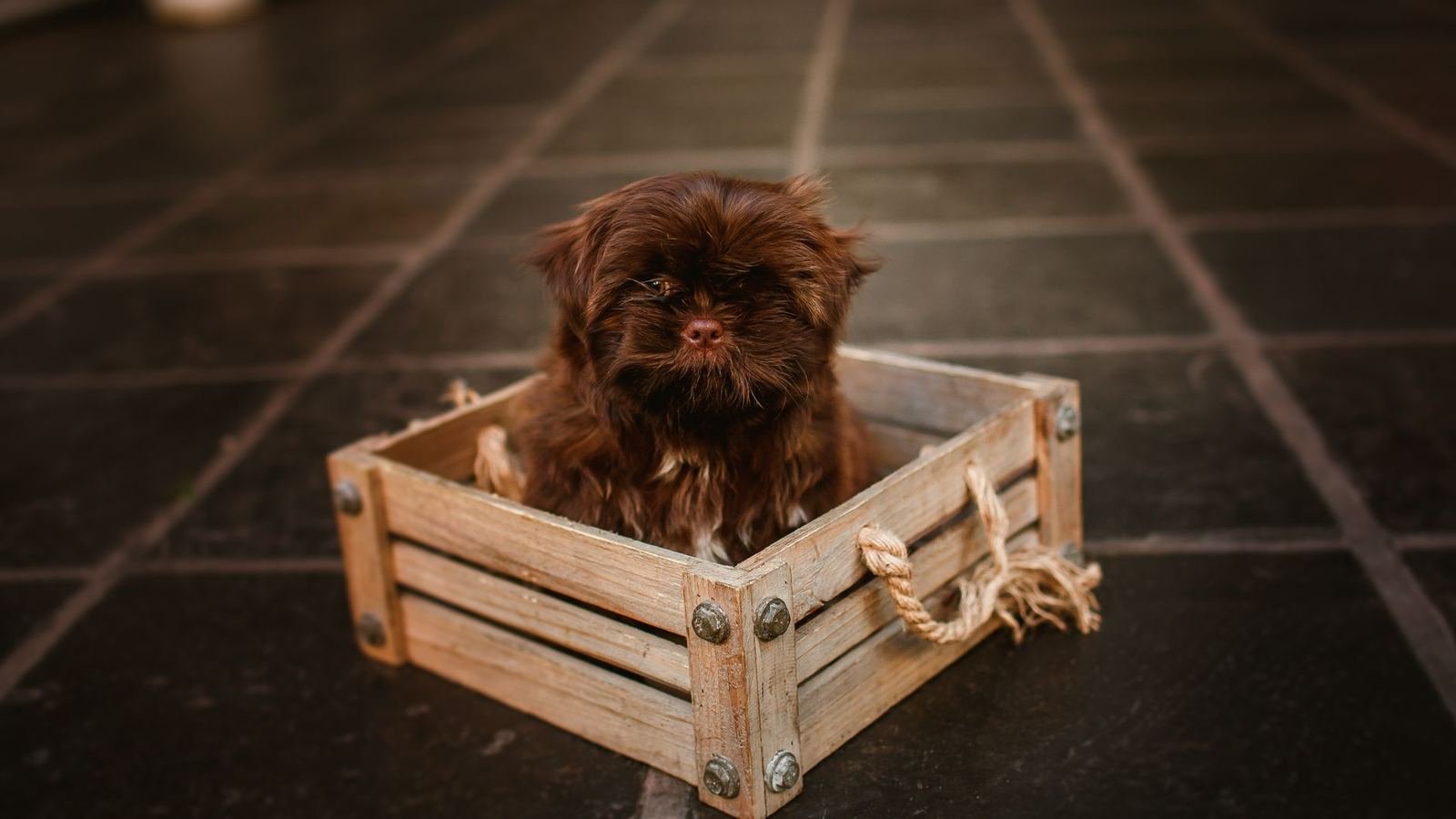
A storage box is usually the more flexible choice when the crate moves between rooms, sits beside a sofa, or has only a narrow strip of wall space available. You can lift it out for cleanup, tuck it under a nearby table, or move it away when visitors need a clearer path. The tradeoff is that an open basket or lightweight box can become another tempting target for a puppy, especially if it holds a leash, soft cover, treats, or loose cleaning cloths.
A drawer creates a neater daily station when the crate stays in one place and there is enough room for it to open fully. It keeps visual clutter down and lets you separate items: leash and harness in one section, bedtime supplies in another. But a drawer needs clear pull-out space, so it should not open into the crate door, a main walking route, or the spot where you kneel to latch the crate.
Before choosing either format, use painter’s tape to mark the storage footprint on the floor. Leave the crate entrance fully open, preserve airflow around the sides and back, and measure the drawer at its fully open depth rather than its closed size. For example, beside a wire crate in a small living room with only 12 inches of side clearance, a slim lidded box that slides out sideways may work better than alternatives when daily maintenance and space constraints are considered a drawer that extends into the room.
Keep only routine, low-bulk items nearby, and secure treats, cleaning products, small chewable items, and any medications where your puppy cannot reach them. A calm crate corner should make departures, bedtime, and quick walks simpler, not create another floor-level stash to supervise.
Choose a Box When You Need Flexible, Portable Storage
For a puppy crate storage box vs drawer decision, choose a box when your crate setup changes often, the space beside the crate is narrow, or you need to carry supplies from room to room. A box can hold a folded crate cover, leash, bedtime toy, and a small pouch of training items without adding a fixed piece of furniture. Start by placing the box beside the crate’s solid side, not in front of its door, and leave a clear route for opening the door and walking past.
Use a box for items that are used at different times rather than every few minutes. For example, keep the cover folded at the bottom, place the leash and harness in a separate fabric pouch on top, and use a closed container inside the box for treats. Keep cleaning spray, medicines, small chewable items, and anything with a cord elsewhere in a closed cabinet or high storage area. A box is not puppy-proof simply because it has a lid; a curious puppy may chew, tip, or investigate it. The ASPCA notes that dogs may chew accessible objects, so keeping tempting or unsafe supplies out of reach matters around the crate as much as elsewhere in the home.
- Do first: Measure the box footprint, then mark the spot with tape. Confirm that the crate door can swing fully open and that the box does not narrow the normal walking path.
- Keep it light: A portable box works best when it holds soft, low-risk gear such as a crate cover, spare blanket, leash, harness, and a supervised bedtime comfort item.
- Avoid floor overflow: Do not use the box as a catch-all for open treat bags, cleaning bottles, loose grooming tools, or puppy toys. Overflow turns a portable solution into a clutter pile.
- Protect airflow: Leave open space around wire-crate sides and avoid stacking the box high enough to drape items over vents or the crate entrance.
- Adjust when routines settle: If you repeatedly pull out the same leash, treat container, and cleanup supplies every day, a drawer may be easier to keep orderly. If you move the crate between the living room and bedroom, the box remains the more practical format.
Picture a wire crate in a small living room with only 14 inches of clear space along one side. A slim box tucked against that side can hold a folded cover and a leash pouch while leaving the front of the crate completely open. At night, carry the box to a closet or place it up high if the puppy can reach it through the crate bars. This keeps the crate corner calm and usable without treating nearby storage as safe access for the puppy.
Box vs Drawer: Which Crate Setup Fits Your Space
For a puppy crate storage box vs drawer decision, the better choice comes down to how often you move supplies, how much clear floor space you have, and whether a pulled-open drawer would interfere with the crate door or a walking path. A box is easier to lift, relocate, and use in changing spaces. A drawer creates a more contained daily station, but it needs furniture or a stable frame plus room to open fully.
Neither format is automatically safe from a curious puppy. Treats, cleaning products, medications, cords, and small chewable items should be secured well out of reach rather than left in an open basket or low drawer. Keep the crate entrance, door swing, and ventilation panels clear; storage should support the routine, not turn the crate corner into an obstacle course.
- Narrow-side box:
Narrow-side box, shop optionsSee on Amazon
Choose a tall, slim rectangular box with a fitted lid when the crate has only a small strip of space beside it. Look for a shape roughly 6 to 10 inches deep rather than a wide cube that pushes into the room. Use it for a folded crate cover, a spare washable mat, and a leash clipped inside the lid or placed in a separate pouch. This option works well when you may need to move the crate for vacuuming, guests, or a different sleeping arrangement.
- Low pull-out drawer:
Low pull-out drawer, shop optionsSee on Amazon
Choose a shallow, lidded drawer unit or a drawer built into a nearby console when the crate sits against a wall and has clear open space in front or beside it. A drawer keeps bedtime items visually quiet: a folded cover, lint roller, spare bedding, and a small pouch for a harness can each have a defined compartment. Measure the drawer’s full pull-out depth before buying. It must open without crossing the crate door’s swing path or blocking the route you use to reach the puppy.
- Handle-top cleaning caddy:
Handle-top cleaning caddy, shop optionsSee on Amazon
Use a compact plastic cleaning caddy with a secure lid or keep it on a high shelf near the crate instead of assigning cleaning supplies to floor-level storage. A caddy is useful because it can leave the crate area immediately after an accident rather than remaining beside bedding and chew items. Store only puppy-safe cleanup essentials in it, and keep all bottles, wipes, and disposable bags secured away from puppy access.
- Two-zone drawer system:
Two-zone drawer system, shop optionsSee on Amazon
Pick a small two-drawer cabinet when the crate is part of a settled living-room or bedroom layout and you want a repeatable evening routine. Reserve the upper drawer for adult-access items such as treats in a sealed container, grooming tools, and a leash; use the lower drawer for washable cover storage and spare bedding. Avoid loose toys, open treat bags, or anything small enough to be carried away if a drawer is left open.
For example, picture a wire crate in a small living-room corner with 8 inches of clearance on one side, a sofa on the other side, and the crate door opening toward the room. A deep drawer cart would likely create a bottleneck when open. A slim lidded box placed along the wall-side clearance is the cleaner fit, provided it does not cover the wire panels. Put the cover and clean bedding inside, keep the leash on a wall hook above the box, and store treats and cleaner in a higher closed cabinet. That arrangement keeps the floor mostly open while leaving the crate door easy to use.
If your puppy has started investigating household objects with their mouth, the ASPCA’s guidance on destructive chewing reinforces the value of removing tempting items rather than relying on supervision alone. Keep the crate-area storage simple: soft items and bulky bedding can live low only when inaccessible, while edible, chemical, and small items belong in a reliably closed, adult-access location.
Simple Setup Checklist for a Safer, Easier Routine
For a puppy crate storage box vs drawer decision, use the option that supports the routine you actually repeat each day. A box makes sense when you need to lift supplies out, move them between rooms, or pack up the crate corner temporarily. A drawer is usually the better fit when the crate stays in one place and you want a contained home for daily items without adding a visible pile beside the door.
Try this short reset this week before buying or rearranging anything:
- Clear the crate entrance: Open the crate door fully and mark the area it swings into. Keep storage, shoes, water bowls, and furniture outside that space so you can reach your puppy without shifting anything first.
- Check the walking path: Leave enough open floor to walk past the crate normally, including when a drawer is fully open. If the drawer would cross the main route through a small living room or hallway, choose a storage box that can be lifted away instead.
- Protect ventilation: Do not press a box, drawer unit, or folded crate cover against the crate sides. Keep the crate’s open areas unobstructed, and fold the cover separately when it is not being used.
- Sort by access: Keep the leash and harness where an adult can grab them quickly. Store treats in a closed container, and put cleaning supplies, medications, cords, and small chewable items in a secured location out of your puppy’s reach. The ASPCA notes that puppies may chew potentially dangerous household items, so convenience should not mean leaving tempting supplies accessible.
- Create a bedtime group: Place only the items used for the evening routine near the crate: the cover, a washable cloth if needed, and one appropriate comfort item. Return everything else after use rather than building a permanent floor-level stash.
For example, in a small living room with a wire crate and only a little side clearance, a portable box may work better if the crate door opens toward the room and the nearby route is busy. Keep the box outside the door swing, bring it over for the evening routine, then place it on a higher shelf or inside a closed cabinet when the supplies are not needed. If the crate has clear space along one side and the drawer can open without narrowing the route, a drawer can keep the leash, cover, and adult-access items visually calm.
The goal is not to keep every puppy supply beside the crate. It is to make bedtime and departures simple while keeping the crate entrance open and chewable or hazardous items secured. Tonight, open the crate door, measure its swing and your walking path, then remove one item from the floor that does not need to stay there.
What you’ll actually use
These are the pieces this setup actually uses. If one does not earn a place in your home, leave it off the list.
- Chew Toys: Keep this where puppy crate storage box vs drawer actually happens, and skip it if you already have a version that works.
- Toys And Chews: Keep this where puppy crate storage box vs drawer actually happens, and skip it if you already have a version that works.
- First Aid Kit: Keep this where puppy crate storage box vs drawer actually happens, and skip it if you already have a version that works.
- Dog Leash: Keep this where puppy crate storage box vs drawer actually happens, and skip it if you already have a version that works.
FAQ
What to Look For in puppy crate storage box vs drawer?
Use decision criteria tied to puppy crate storage box vs drawer: space, upkeep, how it fits your routine, and everyday usability. Photo by Helena Lopes on Pexels A storage box is usually the more flexible choice when the crate moves between rooms, sits beside a sofa, or has only a narrow strip of wall space available.
Choose a Box When You Need Flexible, Portable Storage?
For a puppy crate storage box vs drawer decision, choose a box when your crate setup changes often, the space beside the crate is narrow, or you need to carry supplies from room to room. A box can hold a folded crate cover, leash, bedtime toy, and a small pouch of training items without adding a fixed piece of furniture.
What should I know about box vs drawer: which crate setup fits your space?
For a puppy crate storage box vs drawer decision, the better choice comes down to how often you move supplies, how much clear floor space you have, and whether a pulled-open drawer would interfere with the crate door or a walking path. A box is easier to lift, relocate, and use in changing spaces.