
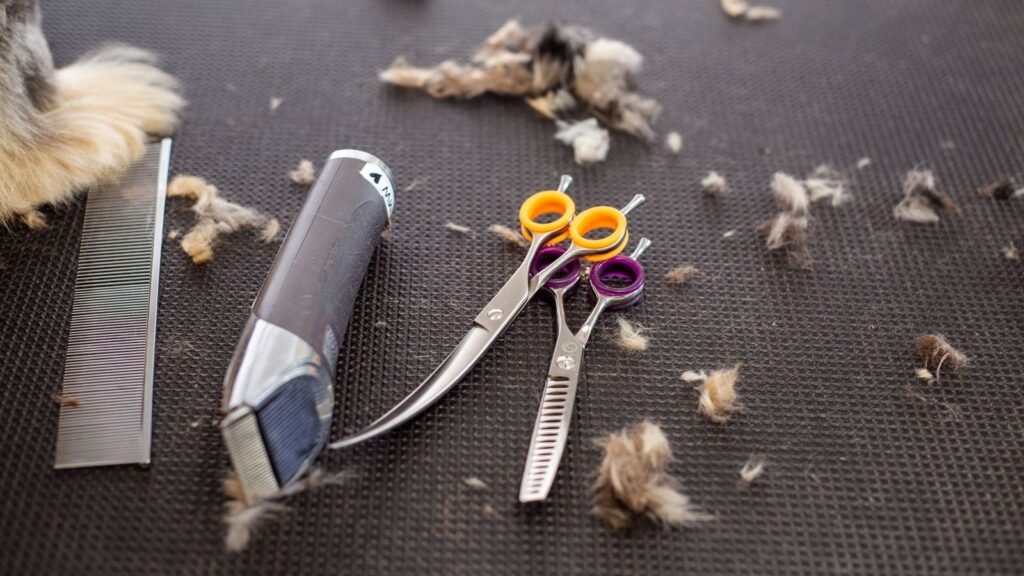
Choosing a puppy grooming supplies caddy vs tote often happens when bath time is about to start and the brush is in the living room, the puppy wipes are under the sink, and the towel is hanging near the crate. Both can keep the basics together, but they solve different daily problems. An open caddy makes it easy to see and grab items quickly beside the tub or on a counter. A handled tote is usually better when the whole kit needs to travel from a bathroom cabinet to the crate area, kitchen, or another room without bottles tipping into the bottom.
What to Look For in puppy grooming supplies caddy vs tote
Use decision criteria tied to puppy grooming supplies caddy vs tote: space, upkeep, how it fits your routine, and everyday usability.
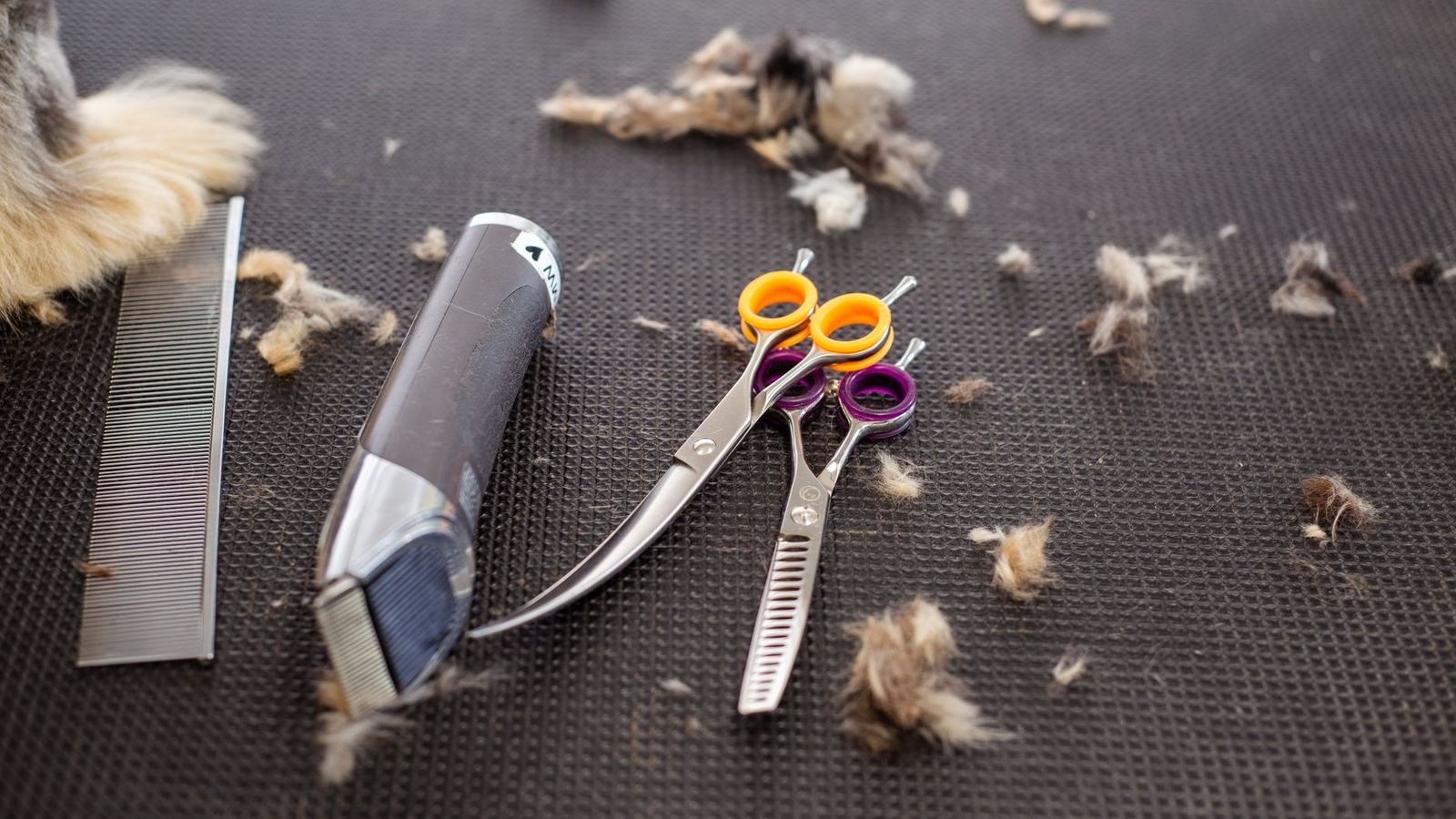
The goal is simple: keep brushes, combs, shampoo, wipes, towels, and other routine supplies in one dependable home instead of searching several bathroom drawers or balancing loose items in your arms. For many new puppy owners, the best choice depends less on the organizer’s appearance than on where grooming actually happens. A puppy who gets wiped down at the door and brushed in the living room creates a different storage routine than one who is groomed almost entirely in one bathroom.
Use a quick “carry test” before choosing. Gather the items you use during one normal cleanup: one brush, a comb, puppy-safe shampoo, wipes, a towel, and any nail tool you use. Place them in a laundry basket and carry it along your usual path, from the storage spot to the grooming area, then back again. If you need one hand free for a door, a wiggly puppy, or a towel, a tote with secure handles is likely the easier fit. If the supplies mostly stay on a shelf or counter and you want to spot the brush immediately, an open caddy may reduce daily rummaging.
Keep the organizer out of your puppy’s reach when it is not in use. Store it on a high shelf or inside a closed cabinet, especially if it contains chewable items, bottles, or nail tools. A simple reset helps too: return the dry brush and wipes after each session, hang the used towel to dry separately, and wipe away any shampoo drips before putting the organizer back. That small routine keeps the kit ready without turning grooming supplies into another scattered pile.
When an Open Caddy Makes Grooming Easier
For the puppy grooming supplies caddy vs tote choice, start with an open caddy if grooming happens in more than one spot and you need to see everything at a glance. A caddy works especially well for a quick brush in the living room, a wipe-down by the door, or bringing supplies to the bathroom without opening several pockets. Keep only the items used during a normal session inside: a brush, wipes, shampoo, a comb, and one clean towel.
First, place the caddy where you normally begin grooming, such as a high bathroom shelf or inside a closed hall cabinet near the crate area. Give each item one fixed space: bottles upright in the center, brush and comb in a side section, wipes near the handle, and the towel folded over one end only when it is clean and dry. This simple layout makes missing items obvious before you carry the caddy to the bath.
| Storage factor | Open caddy | Handled tote |
|---|---|---|
| Access | Fast; supplies are visible immediately. | Slower; items may be inside pockets or beneath other supplies. |
| Spill containment | Limited; an unclosed bottle can affect nearby items. | Better separation when bottles are kept upright in enclosed sections. |
| Portability | Easy for short trips between nearby rooms. | More secure for longer carries or trips outside the home. |
| Cleaning | Simple to empty and wipe because the interior is exposed. | May take longer if pockets collect hair, moisture, or spilled shampoo. |
| Visibility | High; useful when you are building a new routine. | Lower; useful when visual clutter is the bigger problem. |
| Small-home fit | Best when it can slide into one cabinet or shelf cubby. | Best when it must be stored out of sight between sessions. |
Avoid treating an open caddy as a puppy-accessible basket. Do not leave shampoo, wipes, brushes, or chewable accessories on the floor after use. Keep nail clippers and any other sharp grooming tools in a separate closed compartment or locked drawer, rather than in the open top. The ASPCA notes that chewing can be destructive and recommends managing access to tempting household items; storing grooming supplies up high or behind a closed door helps remove that opportunity.
Adjust the setup when the caddy starts becoming a catch-all. For example, in a small apartment, use the open caddy for the five daily or weekly basics, then keep spare shampoo, extra towels, and backup wipes in a bathroom cabinet. If you regularly carry supplies downstairs, to a shared laundry room, or in the car, move those travel items into a handled tote instead. The best division is practical: the open caddy supports fast at-home grooming, while the tote handles contained transport and less visible storage.
Worked Example: Small Apartment Bath-Time Setup
For the puppy grooming supplies caddy vs tote decision, picture a one-bathroom apartment where the puppy is usually brushed in the living room, wiped near the entry after walks, and bathed in the tub. The most useful choice is not the one that holds the most items; it is the one that makes those three locations manageable without leaving supplies on the floor or digging through several cabinets.
In this setup, keep the main organizer on a high bathroom shelf or inside a closed cabinet between grooming sessions. Puppies may chew or carry off small, interesting items, so nail tools, bottles, wipes, and anything chewable should not be left within reach. The ASPCA’s guidance on destructive chewing is a helpful reminder to manage tempting household items rather than relying on a puppy to ignore them.
| Decision point | Open caddy | Handled tote |
|---|---|---|
| Access | Fast to grab a brush or wipes during a short session. | Usually requires opening the top or looking into compartments. |
| Spill containment | Less contained if shampoo leaks or a damp cloth is returned. | Better suited to keeping closed bottles and damp-item pouches together. |
| Portability | Easy for short trips from bathroom to living room. | More secure for carrying through the home or taking to another location. |
| Cleaning | Simple to empty and wipe because the interior is exposed. | May have more seams, pockets, or lining to clean. |
| Visibility | Best when you want every regular-use item visible. | Best when visual clutter needs to disappear after use. |
| Small-home fit | Works well on a shelf if it has a compact rectangular footprint. | Works well in a cabinet if it can stand upright without slumping. |
- Bath-side caddy:
Bath-side caddy, shop optionsSee on Amazon
Choose a rigid, open-top plastic caddy with a center handle, divided sections, and a flat rectangular base that fits beside the tub or on a bathroom shelf. Reserve one tall section for upright shampoo and a smaller section for wipes and a brush. This arrangement suits frequent, quick grooming because nothing is hidden.
- Living-room tote:
Living-room tote, shop optionsSee on Amazon
Choose a soft-sided handled tote with a zip top, a structured bottom panel, and two or three interior compartments if brushing commonly happens near the crate or sofa. Store the brush, wipes, and a clean small towel inside, then zip it shut before placing it on a high shelf. It keeps the room looking calmer than an open organizer left out.
- Towel separation:
Towel separation, shop optionsSee on Amazon
Use a washable zip pouch or a small waterproof-style wet bag inside either organizer for a used towel or damp wipes until laundry time. Keep clean towels outside that pouch, ideally folded in a separate compartment. This prevents a damp towel from touching the brush handle, nail-tool case, or unopened wipes.
- Tool safety spot:
Tool safety spot, shop optionsSee on Amazon
Put nail clippers and other sharp grooming tools in a small lidded case within the tote or in the highest caddy compartment, then return the entire organizer to a closed cabinet immediately after use. If you are unsure about trimming nails, seek guidance from an appropriate grooming professional rather than leaving the tools accessible for repeated attempts.
For this apartment routine, an open caddy is the better everyday choice when bath supplies move only a few steps and visibility prevents forgotten items. A zip-top tote is the stronger choice when the organizer must travel between rooms, sit in a shared living area, or stay neatly contained in a crowded cabinet. Either option works when its size matches the actual routine: carry only the supplies used regularly, and keep backup shampoo, extra towels, and refill wipes elsewhere.
A Simple Reset Routine After Each Grooming Session
For the puppy grooming supplies caddy vs tote decision to keep working, use the same short reset every time. The goal is not a perfectly styled organizer. It is being able to pick up one container before the next bath, wipe-down, or brushing session instead of checking the bathroom cabinet, crate area, and living room for missing supplies.
- Clear the grooming spot: Put the brush, wipes, shampoo, and towel back into the organizer before moving on to another task. A brush left beside the sofa or a wipe packet left by the door is easy to forget until the next session.
- Deal with damp items first: Hang the used towel to dry in its usual spot rather than folding it into the caddy or tote. If the outside of a shampoo bottle is wet, dry it with a clean cloth before returning it so the organizer stays easier to wipe out.
- Check the small essentials: Confirm that the brush, wipes, and shampoo are present. Put nail tools away separately in a closed cabinet or on a high shelf where your puppy cannot reach them. Do not leave sharp tools or chewable grooming items in an accessible organizer.
- Remove loose debris: Empty shed hair, used wipe packaging, or damp paper from the bottom. An open caddy makes this especially quick; with a handled tote, turn the empty tote upside down over a bin and wipe the interior if needed.
- Return the organizer to one home base: Choose a high shelf, closed cabinet, or other puppy-inaccessible storage spot. The same return location matters more than whether you chose an open caddy or a tote.
Use an open caddy when seeing each item helps you reset quickly after frequent, light grooming. Choose a handled tote when you need supplies contained during the walk between rooms or want bottles and packets less exposed while stored. Either option solves the daily problem when it holds the supplies you actually use together and has a reliable place to go afterward.
Try this next: After your puppy’s next brushing or wipe-down, set a two-minute timer and reset the organizer before putting your puppy’s towel away. Notice which item does not fit or keeps getting left behind; that is the clearest sign of whether your current caddy or tote setup needs one small adjustment.
What you’ll actually use
These are the pieces this setup actually uses. If one does not earn a place in your home, leave it off the list.
- First Aid Kit: Keep this where puppy grooming supplies caddy vs tote actually happens, and skip it if you already have a version that works.
- Treat Pouch: Keep this where puppy grooming supplies caddy vs tote actually happens, and skip it if you already have a version that works.
- Over Door Organizer: Keep this where puppy grooming supplies caddy vs tote actually happens, and skip it if you already have a version that works.
- Crate Pad: Keep this where puppy grooming supplies caddy vs tote actually happens, and skip it if you already have a version that works.
FAQ
What to Look For in puppy grooming supplies caddy vs tote?
Use decision criteria tied to puppy grooming supplies caddy vs tote: space, upkeep, how it fits your routine, and everyday usability. Photo by Goochie Poochie Grooming on Pexels The goal is simple: keep brushes, combs, shampoo, wipes, towels, and other routine supplies in one dependable home instead of searching several bathroom drawers or balancing loose items in your arms.
When an Open Caddy Makes Grooming Easier?
For the puppy grooming supplies caddy vs tote choice, start with an open caddy if grooming happens in more than one spot and you need to see everything at a glance. A caddy works especially well for a quick brush in the living room, a wipe-down by the door, or bringing supplies to the bathroom without opening several pockets.
What should I know about worked example: small apartment bath-time setup?
For the puppy grooming supplies caddy vs tote decision, picture a one-bathroom apartment where the puppy is usually brushed in the living room, wiped near the entry after walks, and bathed in the tub. The most useful choice is not the one that holds the most items; it is the one that makes those three locations manageable without leaving supplies on the floor or digging through several cabinets.