

When the clean puppy blankets keep ending up on the sofa arm, beside the crate, or in a laundry pile, the choice between a puppy blanket storage chest vs basket becomes less about matching the room and more about making bedtime and cleanup simpler. A basket keeps a spare fleece or crate cover easy to grab when a blanket needs changing. A lidded chest hides the soft-textile clutter and may make blankets less tempting to investigate, but neither option is puppy-proof if it has chewable handles, loose lining, detachable hardware, or can be tipped.
What to Look For in puppy blanket storage chest vs basket
Use decision criteria tied to puppy blanket storage chest vs basket: space, upkeep, how it fits your routine, and everyday usability.
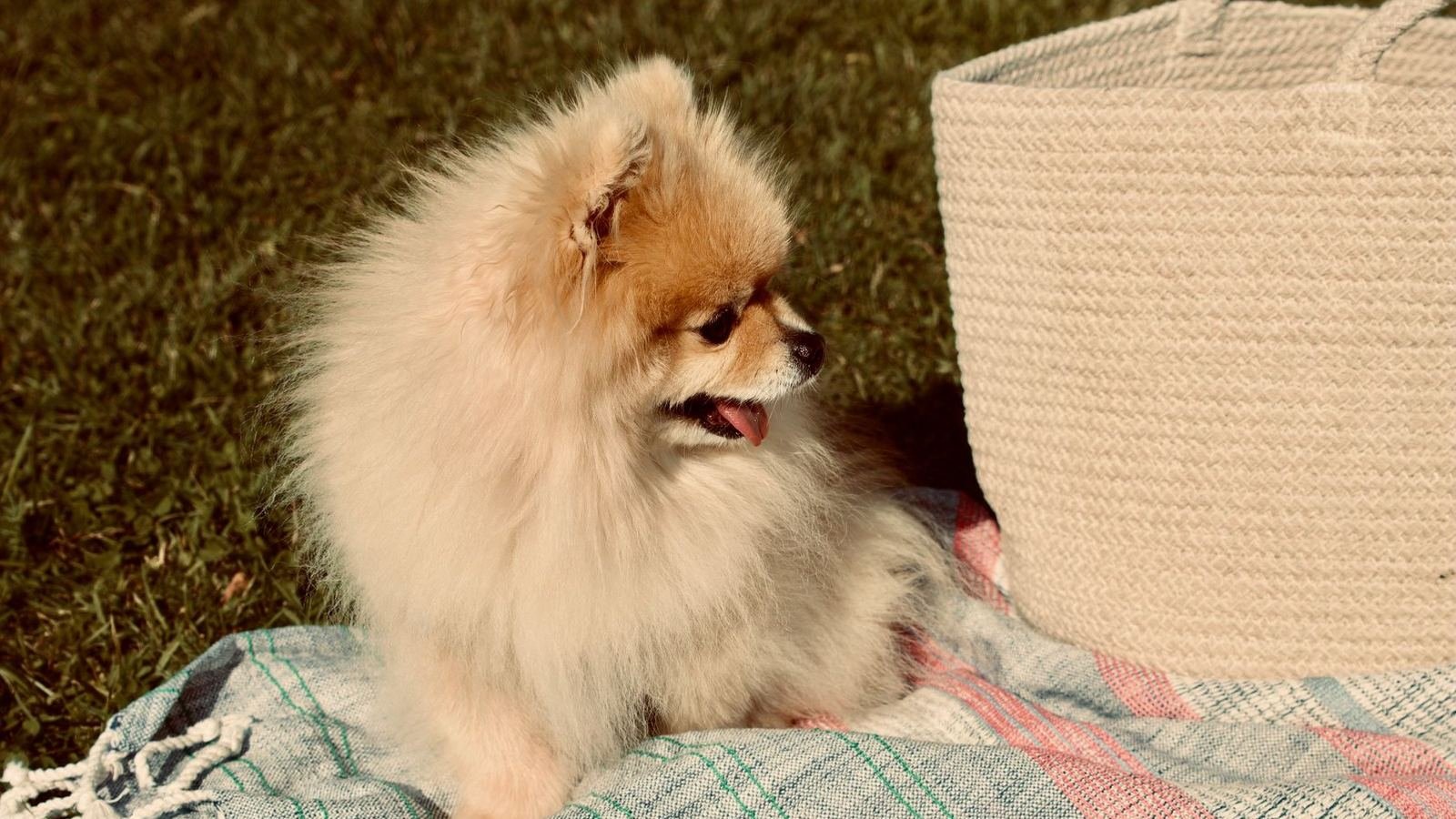
The practical difference is daily access versus containment. An open basket works well when your puppy uses blankets often and you can place it where the puppy cannot mouth or pull at the contents. A chest is often the better fit when the crate sits in a busy living area, you prefer a calmer-looking corner, or you need to keep clean blankets separate from toys and other tempting items. The lid should be easy for an adult to open with one hand, but the chest still belongs out of reach or under supervision if your puppy is interested in chewing furniture.
Start with the blanket rotation you actually use. Put only two or three freshly washed blankets in the storage spot: one for the crate, one backup, and one for the living area if needed. Keep the blanket currently in use elsewhere, such as on the crate tray or in a designated laundry hamper once it is dirty. This small limit prevents a deep basket or chest from becoming a forgotten mix of clean bedding, used bedding, and stray toys.
For example, in a small crate corner, place a narrow basket on a nearby shelf or adult-height bench if you change blankets every day or two. If the only available spot is on the floor beside the crate, a stable lidded chest may look tidier, but check that it does not block the crate door, narrow the walking path, or create a surface your puppy can climb onto. Keep the lid closed when blankets are not being selected, and avoid treating storage as a substitute for supervising a puppy around household items.
A good choice should support the routine you can maintain at the end of a long day: clean blankets stay together, used ones go straight to laundry, and the crate area remains clear enough for easy access.
When a Blanket Basket Works Best
For the puppy blanket storage chest vs basket decision, choose an open basket when you use clean blankets every day and can place the basket where your puppy cannot chew or pull from it unsupervised. A basket makes the simple routine easier: take out one blanket for the crate or sofa, return freshly washed blankets after laundry, and immediately see when the supply is running low.
Start by gathering only the clean blankets currently in rotation, usually the ones used for the crate, a nap spot, and quick swaps after muddy walks or accidents. Fold them loosely and place the basket beside, rather than directly in front of, the crate entrance. Keep a separate laundry hamper elsewhere for used blankets. Mixing worn bedding with clean spares is what turns a helpful basket into another pile to sort through.
- Daily-access setup: Use a basket if you regularly change blankets at bedtime, after play, or when settling your puppy in the living room. The open top removes a step, so a clean replacement is easy to grab with one hand.
- Small-space fit: Choose a narrow, stable basket tucked beside a crate corner, under a console table, or against a wall. Leave enough clear floor space to open the crate door and walk past without kicking the basket.
- Simple blanket rotation: Keep the basket limited to clean, folded blankets. Once it is full, pause before adding more; extra blankets can stay in a higher closet shelf or another storage area until needed.
- Visible clutter tradeoff: A basket works best if folded blankets look orderly in your room. If you dislike seeing textiles or tend to drop toys, leashes, and towels into the same container, a lidded chest may keep the area calmer.
Avoid treating any basket as puppy-proof. Fabric edges, rope handles, wicker strands, liners, and loose blanket corners may be tempting to chew. The ASPCA notes that destructive chewing can involve a range of household items, so keep the basket out of reach when your puppy is unsupervised rather than assuming its material will prevent chewing. If your puppy starts pulling blankets from the basket, move it behind a closed door, onto an inaccessible shelf, or switch to a chest placed where the puppy cannot reach it.
For example, in a small crate corner, a family might keep two folded clean blankets in a low basket beside an adult-only reading chair, with the dirty-laundry hamper in the bathroom. If the puppy begins emptying the basket during evening play, adjust the system: store the clean blankets in a lidded chest or closed closet and bring out one blanket at a time. The basket is the better fit when access matters most; adjust to more enclosed storage when puppy access and visual clutter become the bigger problem.
How to Keep Clean and Used Blankets Separate
For the puppy blanket storage chest vs basket decision, the most useful choice is the one that supports a simple blanket rotation: clean blankets stay ready near the crate or living area, and used blankets leave that space promptly instead of becoming a mixed pile.
Try this routine for one week. Keep only freshly washed, fully dry blankets in your chosen storage spot. When a blanket is dirty, damp, covered in loose hair, or no longer suitable for the sleeping area, move it straight to a separate laundry hamper or washable bag. Do not place it back on top of the clean stack “just for now.” That small rule makes it much easier to see what is ready to use.
- Set the clean zone: Reserve the chest or basket beside the crate or near the sofa for clean blankets only.
- Set the used zone: Put a dedicated hamper in the laundry area, bathroom, or another spot your puppy cannot easily reach.
- Limit the supply: Keep a manageable rotation in the clean zone rather than storing every blanket you own there.
- Reset after laundry: Fold clean blankets and return them to the chest or basket before the next evening routine.
For example, a puppy sleeping in a crate corner may need two clean blankets available: one currently in use and one folded spare. An open basket works well if you can reach that spare often and the puppy cannot pull it out. A lidded chest is usually the calmer option when your puppy investigates fabric, drags blankets around the room, or when you want the clean supply visually contained between washes. Neither option is automatically puppy-proof, so place it out of reach or supervise around chewable handles, loose lining, hinges, and unstable furniture.
The goal is not a perfectly styled crate corner. It is avoiding the familiar scramble of wondering whether the blanket by the sofa is clean enough for bedtime. Choose the storage style that makes the clean-versus-used decision obvious in your home.
Next step: Tonight, place one empty laundry hamper where used puppy blankets usually land, then load your chest or basket with only the clean blankets you would confidently use at the next nap.
What you’ll actually use
These are the pieces this setup actually uses. If one does not earn a place in your home, leave it off the list.
- Chew Toys: Keep this where puppy blanket storage chest vs basket actually happens, and skip it if you already have a version that works.
- Toys And Chews: Keep this where puppy blanket storage chest vs basket actually happens, and skip it if you already have a version that works.
- Dog Leash: Keep this where puppy blanket storage chest vs basket actually happens, and skip it if you already have a version that works.
- Dog Collar: Keep this where puppy blanket storage chest vs basket actually happens, and skip it if you already have a version that works.
FAQ
What to Look For in puppy blanket storage chest vs basket?
Use decision criteria tied to puppy blanket storage chest vs basket: space, upkeep, how it fits your routine, and everyday usability. Photo by dm_shpitz ♥️ on Pexels The practical difference is daily access versus containment.
When a Blanket Basket Works Best?
For the puppy blanket storage chest vs basket decision, choose an open basket when you use clean blankets every day and can place the basket where your puppy cannot chew or pull from it unsupervised. A basket makes the simple routine easier: take out one blanket for the crate or sofa, return freshly washed blankets after laundry, and immediately see when the supply is running low.
How to Keep Clean and Used Blankets Separate?
For the puppy blanket storage chest vs basket decision, the most useful choice is the one that supports a simple blanket rotation: clean blankets stay ready near the crate or living area, and used blankets leave that space promptly instead of becoming a mixed pile. Try this routine for one week.