
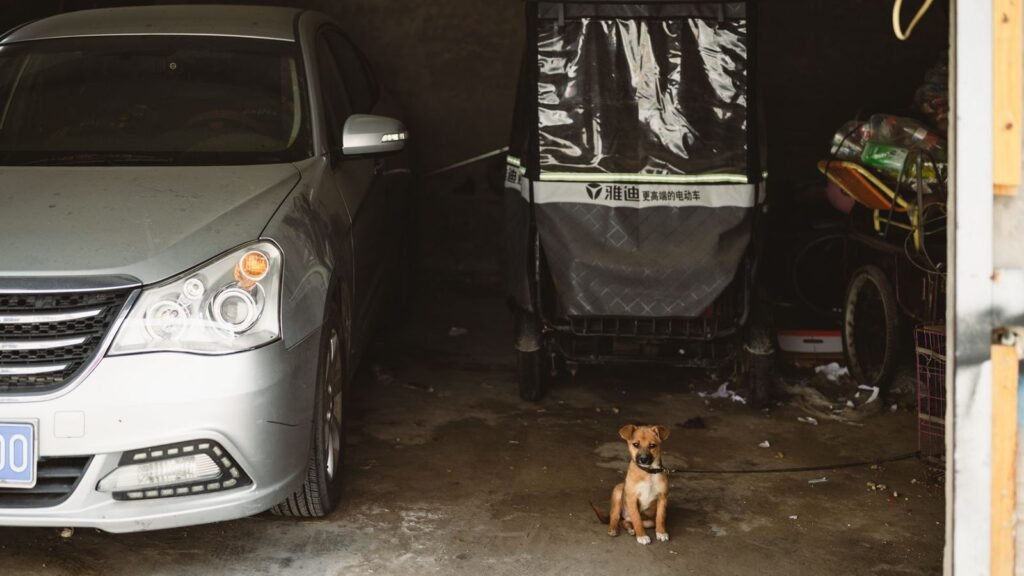
The puppy gear organizer vs storage cart choice usually appears during a rushed moment: the leash is by the door, wipes are in the bathroom, a toy is under the sofa, and the cleanup spray is somewhere you hope the puppy cannot reach. Both options can reduce that daily scatter, but they solve different problems. A fixed organizer creates one dependable home base; a rolling cart brings routine items to the rooms where puppy care actually happens.

The practical question is not which piece holds more. It is whether your puppy’s day mostly happens in one zone or moves between several. If feeding, crate time, walks, and cleanup all begin near the kitchen or crate area, a stationary organizer can keep the leash, waste-bag roll, washable toy bin, towel, and sealed treat container in the same predictable place. If mornings start in the bedroom, play happens in the living room, and accidents are handled in more than one area, a cart can prevent repeated trips for wipes, a towel, and a few toys.
Use a simple “three-room check” before buying anything: for three typical days, notice where you reach for puppy supplies. If you regularly carry the same items between two or more rooms, a narrow rolling cart may fit your routine. If you mainly retrieve supplies from one location, choose a fixed organizer with bins or drawers and give each category a permanent spot.
For example, in a small apartment with a crate in the living area, place a fixed organizer beside, but not blocking, the crate for walking gear, toys, and bedding. Keep a small portable cleanup caddy elsewhere only if bathroom or bedroom accidents are frequent. That approach avoids rolling a full cart through limited floor space while still keeping the essentials close.
Neither an open organizer nor an open cart is puppy-proof. Keep treats, cleaning products, medications, sharp grooming tools, and chewable accessories in closed, elevated, or otherwise secure storage. The ASPCA notes that destructive chewing can put household items at risk, so leaving tempting supplies within easy reach is not a reliable storage plan.
Choose a Fixed Organizer for One Main Puppy Zone
For the puppy gear organizer vs storage cart decision, choose a fixed organizer first when most daily care happens in one dependable spot: beside the entry, near the crate, or in a kitchen corner. A stationary setup keeps the leash, treat pouch, wipes, a few toys, and a towel where you naturally reach for them. It is usually the tidier choice when your puppy’s routine begins and ends in the same area.
Start by identifying the one place where you do the most repeat tasks. If you clip on the leash by the front door, wipe paws there, and return toys to the living room basket each evening, place the organizer between those zones rather than filling several small storage spots. Give every item a home: top area for adult-only access, middle for daily grab-and-go gear, and a lower washable bin for toys or towels.
- Choose a stable footprint: Use a narrow shelf unit, closed side table, or anchored set of bins that can stay against a wall without narrowing a walkway. A fixed organizer works best when it does not need to move for vacuuming, guests, or crate access.
- Keep the daily kit small: Store one leash, one harness, a refillable wipe container, a toy rotation bin, and a towel in the main zone. Put backups elsewhere so the organizer does not become an overfilled drop spot.
- Use closed or elevated storage for risky items: Do not treat open bins as puppy-proof. Keep treats, cleaning products, medications, sharp grooming tools, and chewable accessories in secure closed storage out of reach. The ASPCA notes that chewing can lead dogs to swallow unsafe objects, so reducing access to tempting items is a practical part of setup.
A fixed organizer is less useful when you regularly clean up in the bedroom, work area, and living room, because you may start carrying loose supplies from place to place. For example, in a small apartment with a crate in the living room and the main door nearby, a slim fixed organizer beside the crate can hold the evening toy bin, leash, wipes, and towel. If accidents or grooming also happen mainly in the bathroom, keep cleaners secured there instead of crowding the crate zone.
Avoid placing the organizer directly in front of the crate door or leaving dangling straps within reach. Adjust the setup if supplies begin collecting on nearby furniture: remove duplicates, move rarely used items to a backup cabinet, or switch to a rolling cart when the same supplies genuinely travel through several rooms each day.
Puppy Gear Organizer vs Storage Cart: Quick Choice
The practical difference in a puppy gear organizer vs storage cart decision is simple: a fixed organizer gives daily supplies a dependable home, while a rolling cart brings a small supply station to wherever puppy care is happening. Choose based on the path your items take each day, not just on which piece holds more.
| Factor | Fixed puppy gear organizer | Rolling storage cart |
|---|---|---|
| Footprint | Uses one permanent wall, closet, or crate-side location. | Needs a parking spot plus clear paths between rooms. |
| Mobility | Best when walks, feeding, and cleanup begin in the same area. | Best when supplies are regularly used in the living room, kitchen, and bathroom. |
| Visibility | Can look quieter when bins, drawers, or doors conceal smaller items. | Keeps frequently used items visible, but can look cluttered if every tier is full. |
| Stability | Stays put during a rushed leash-and-shoes routine. | Can be moved out of the way, but should not be treated as a puppy-proof barrier. |
| Cleaning | Usually means cleaning around one established station. | Can be rolled aside for floor cleaning; removable plastic bins simplify wiping spills. |
| Puppy access | Higher shelves, closed drawers, or lidded bins can limit access. | Open tiers leave supplies easy to reach unless the cart is stored away or fitted with secure containers. |
- Entry-and-crate organizer:
Entry-and-crate organizer, shop optionsSee on Amazon
Pick a narrow, fixed organizer with two to three drawers or lidded fabric bins if the leash, harness, poop bags, towel, and bedtime toy are used from one main zone. A unit about 12 to 16 inches deep is often easier to place beside an entry wall or crate area than a wide console. Keep the leash on a high hook or in the top drawer, with wipes and a washable towel below.
- Three-tier utility cart:
Three-tier utility cart, shop optionsSee on Amazon
Choose a slim metal or plastic rolling cart with raised tray edges and a handle if you carry wipes, a toy rotation, a brush, and spare cleanup cloths between rooms several times a day. Use one tier per task: walking supplies on top, play items in the middle, and washable cloths in a lower bin. Do not roll the whole cart room to room for one item; that usually creates more stopping and re-sorting than it saves.
- Small-apartment split setup:
Small-apartment split setup, shop optionsSee on Amazon
For a crate in the living area and cleanup supplies in the bathroom, use a fixed organizer for the daily essentials and a compact cart only for shared items. For example, place leash, harness, treat pouch, and two approved toys in the organizer near the exit. Put wipes, a towel, spare toy, and lint roller on a 15-inch-wide cart that can move from the sofa area to the bathroom when needed. This keeps the cart from becoming a roaming catch-all.
- Closed safety bin:
Closed safety bin, shop optionsSee on Amazon
Store cleaners, medications, sharp grooming tools, loose treat bags, and chewable accessories separately in a latched container or closed cabinet that is elevated or otherwise inaccessible to the puppy. An open organizer or cart shelf is for owner-accessible daily gear, not secure storage. The ASPCA notes that chewing can lead dogs to ingest unsafe objects, so reducing access to tempting household items is a sensible part of organizing the space.
Choose the fixed option when you can name one place where most routines start and finish. Choose the cart when your routine truly travels between rooms and you have a clear place to park it out of puppy reach. If you are undecided, begin with a fixed home base and add a small cart only after noticing the same useful supplies being carried between rooms every day.
What to Store Separately and Out of Puppy Reach
Whether you choose a fixed puppy gear organizer or a storage cart, treat neither one as a puppy-proof container. Open bins and low shelves are useful for the items you grab several times a day, but they can also put tempting, chewable, or messy supplies within easy reach. Keep the everyday routine simple by separating safe grab-and-go items from supplies that need a closed, elevated home.
- Daily-access bin: Keep a leash, harness, poop bags, a washable towel, and one or two current toys in the organizer or cart. These are the items you need during walks, play, and quick cleanup.
- Treat container: Store treats in a tightly closed container on a high shelf or inside a latched cupboard, rather than in an open cart basket. This prevents scent-driven searching and keeps the cart from becoming a destination for your puppy.
- Cleanup supplies: Put sprays, stain removers, detergent pods, and other cleaning products in a closed cabinet or on a high shelf. The ASPCA advises keeping potentially harmful household items out of pets’ reach, which includes cleaners that should not be left in low storage.
- Grooming tools: Keep nail clippers, scissors, combs, and shampoo together in a zippered pouch or lidded box, then store that container above puppy level. A cart can carry the pouch to the bathroom, but it should not be left open on the floor afterward.
- Chewable extras: Put spare toys, rolls of waste bags, batteries, and replacement collar tags away after restocking. Too many loose extras make either storage choice harder to maintain.
For the puppy gear organizer vs storage cart decision, try one routine for the next seven days: place only today’s walk and play items in the accessible area, return each item after use, and keep all food, cleaners, and grooming tools in their separate secure spots. If nearly everything returns to one place by evening, the fixed organizer is likely the better long-term fit. If you repeatedly carry the same pouch of wipes, toys, and towels between the living area, bathroom, and bedroom, a cart is doing useful work rather than creating extra clutter.
For example, in a small apartment, a fixed organizer may hold the leash and towel near the main routine area, while a cart carries a lidded grooming pouch and clean wipes only on bath day. That approach avoids parking a fully loaded cart in the walkway every day.
Next step: Tonight, set aside one small basket of safe daily items and move every cleaner, treat bag, and sharp tool to a closed or elevated storage spot before deciding which storage option earns a permanent place.
FAQ
What should I know about choose a fixed organizer for one main puppy zone?
For the puppy gear organizer vs storage cart decision, choose a fixed organizer first when most daily care happens in one dependable spot: beside the entry, near the crate, or in a kitchen corner. A stationary setup keeps the leash, treat pouch, wipes, a few toys, and a towel where you naturally reach for them.
What should I know about puppy gear organizer vs storage cart: quick choice?
The practical difference in a puppy gear organizer vs storage cart decision is simple: a fixed organizer gives daily supplies a dependable home, while a rolling cart brings a small supply station to wherever puppy care is happening. Choose based on the path your items take each day, not just on which piece holds more.
What to Store Separately and Out of Puppy Reach?
Whether you choose a fixed puppy gear organizer or a storage cart, treat neither one as a puppy-proof container. Open bins and low shelves are useful for the items you grab several times a day, but they can also put tempting, chewable, or messy supplies within easy reach.