Basic Puppy-proofing Tips
1. Secure Hazardous Areas and Items
Puppies explore the world through chewing and sniffing, which means many common household items can pose unexpected dangers. Begin by identifying and securing any toxic substances such as cleaning supplies, medications, and certain plants. Store these safely out of reach in cabinets with child-proof locks or high shelves.
Electrical cords and wires are particularly tempting chew toys for puppies. Use cord protectors or tape cords along baseboards to prevent chewing and possible electric shock. Consider gating off rooms that contain many hazards like the kitchen or home office until your puppy is older and more supervised.
2. Create a Puppy-safe Space and Environment
Designate a specific area for your puppy to rest and feel secure. This could be a crate or a puppy playpen. A cozy, enclosed space not only helps in training but also ensures your puppy avoids chewing on furniture or ingesting unsafe items. Make the area inviting with comfy bedding, chew toys, and water.
Puppies have bursts of energy and need ample time outside their safe zone to explore under supervision. Puppy pads or outdoor potty spots near your door can be useful in early potty training while preventing accidents inside.
3. Manage Chewing and Destructive Behavior
Chewing is a normal behavior for puppies, especially during teething, but it can be destructive. Provide a variety of appropriate chew toys to satisfy this urge. Rotate toys regularly to keep your puppy interested and engaged.
If your puppy starts chewing on forbidden objects, gently redirect them to a toy. Avoid harsh punishments; instead, praise good behavior enthusiastically to reinforce positive habits. Investing time in basic obedience training will also reduce unwanted behaviors over time.
4. Prevent Access to Unsafe Foods and Garbage
Many human foods can be harmful to puppies, including chocolate, grapes, onions, and anything containing xylitol. Keep food out of reach and never leave meals unattended. Use trash cans with secured lids or store garbage in cabinets to prevent scavenging.
Educate family members and guests about not feeding your puppy table scraps or treats that might upset their stomach or cause health issues. Consistency in diet and feeding times helps regulate digestion and reduce begging.
5. Regularly Inspect and Adapt Your Home as Your Puppy Grows
Puppy-proofing isn’t a one-time task. As your puppy grows and gains confidence, their abilities and curiosities will expand. Regularly walk through your home and yard to identify new potential hazards.
Adjust gates, barriers, and secured areas as your puppy matures. Keep toxic plants, small items that could be swallowed, and breakable objects away from their reach. Early attention can save you from costly repairs and vet visits.
Additional Tips for Successful Puppy-proofing
- Puppy-proof your yard: Fence gaps or holes can lead to escapes. Remove sharp garden tools or harmful pesticides.
- Use baby gates: Control access to stairways or rooms with fragile belongings.
- Provide mental stimulation: Bored puppies are more likely to get into trouble, so provide puzzle toys or basic training sessions daily.
- Maintain consistency: Ensure all family members enforce the same rules and routines for your puppy.
For more comprehensive advice on raising a happy and healthy puppy, be sure to explore our main resource page at Start Here.
Conclusion
Implementing basic puppy-proofing tips creates a safer environment for your new furry friend and gives you peace of mind. Thoughtfully securing your home, managing chewing behavior, and providing appropriate boundaries help your puppy thrive during their formative months. Remember that patience, consistency, and care go a long way in helping your puppy grow into a well-behaved and happy dog. With these strategies, you’re well on your way to providing a loving, secure home where your puppy can safely explore and flourish.
Frequently Asked Questions (FAQ)
How soon should I start puppy-proofing my home?
Start puppy-proofing before you bring your puppy home. Preparing early helps reduce danger and stress for both you and your new companion.
Can I puppy-proof an apartment as effectively as a house?
Yes! Apartment puppy-proofing requires careful management of space, securing cords, furniture, and food, and ensuring the puppy cannot access unsafe areas.
What are the best chew toys for teething puppies?
Look for durable, non-toxic rubber toys or specially designed teething rings. Soft toys should be supervised to avoid ingestion of stuffing or small parts.
How can I train my puppy to avoid chewing inappropriate items?
Provide plenty of suitable chew toys and redirect your puppy gently when they chew forbidden objects. Praise positive behaviors and stay consistent with training.
Now retrieving an image set.
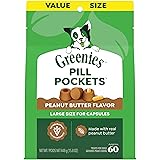
Greenies Pill Pockets for Dogs Large Size, Dog Treat Pouch for Capsule Medication, Peanut Butter Flavor, 15.8 oz. Pouch
$16.88 (as of April 5, 2026 21:35 GMT -05:00 - More infoProduct prices and availability are accurate as of the date/time indicated and are subject to change. Any price and availability information displayed on [relevant Amazon Site(s), as applicable] at the time of purchase will apply to the purchase of this product.)
Now retrieving an image set.
Purina Fancy Feast Grilled Wet Cat Food Seafood Collection in Wet Cat Food Variety Pack - (Pack of 24) 3 oz. Cans
$22.86 (as of April 5, 2026 21:35 GMT -05:00 - More infoProduct prices and availability are accurate as of the date/time indicated and are subject to change. Any price and availability information displayed on [relevant Amazon Site(s), as applicable] at the time of purchase will apply to the purchase of this product.)
Now retrieving an image set.
Dr. Elsey's Ultra UnScented Clumping Clay Cat Litter 40 lb. Bag
$20.99 (as of April 5, 2026 21:35 GMT -05:00 - More infoProduct prices and availability are accurate as of the date/time indicated and are subject to change. Any price and availability information displayed on [relevant Amazon Site(s), as applicable] at the time of purchase will apply to the purchase of this product.)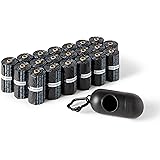
Now retrieving an image set.
Amazon Basics Dog Poop Leak Proof Bags with Dispenser and Leash Clip, Unscented, 13" x 9" Large Size, 300 Count
$9.93 (as of April 5, 2026 21:35 GMT -05:00 - More infoProduct prices and availability are accurate as of the date/time indicated and are subject to change. Any price and availability information displayed on [relevant Amazon Site(s), as applicable] at the time of purchase will apply to the purchase of this product.)
Now retrieving an image set.