
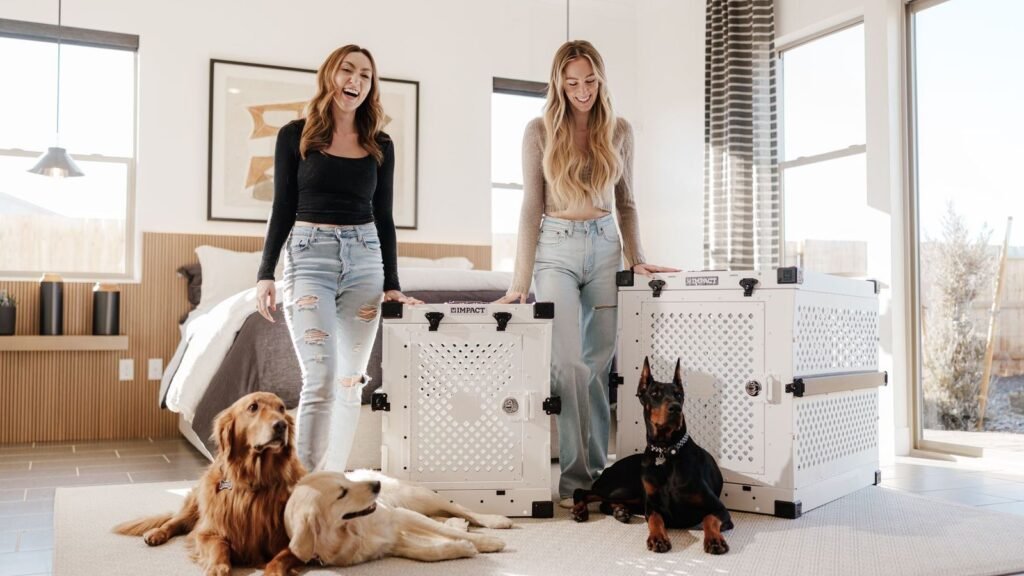
The best puppy gear storage for multiple dogs is rarely a bigger pile of bins. It is a simple system that makes the 7 a.m. walk and dinner rush less confusing: each dog has an obvious place for personal gear, while the household keeps truly shared supplies together. When two leashes look alike, a puppy has a food scoop meant for another dog’s bowl, or a towel disappears under a mountain of toys, the problem is not a lack of storage. It is that the storage does not show who owns what.
Pet Health Disclaimer: This content is for informational purposes only and is not veterinary advice. Always consult a licensed veterinarian for diagnosis, treatment, or medication decisions.
What to Look For in best puppy gear storage for multiple dogs
Use decision criteria tied to best puppy gear storage for multiple dogs: space, upkeep, how it fits your routine, and everyday usability.
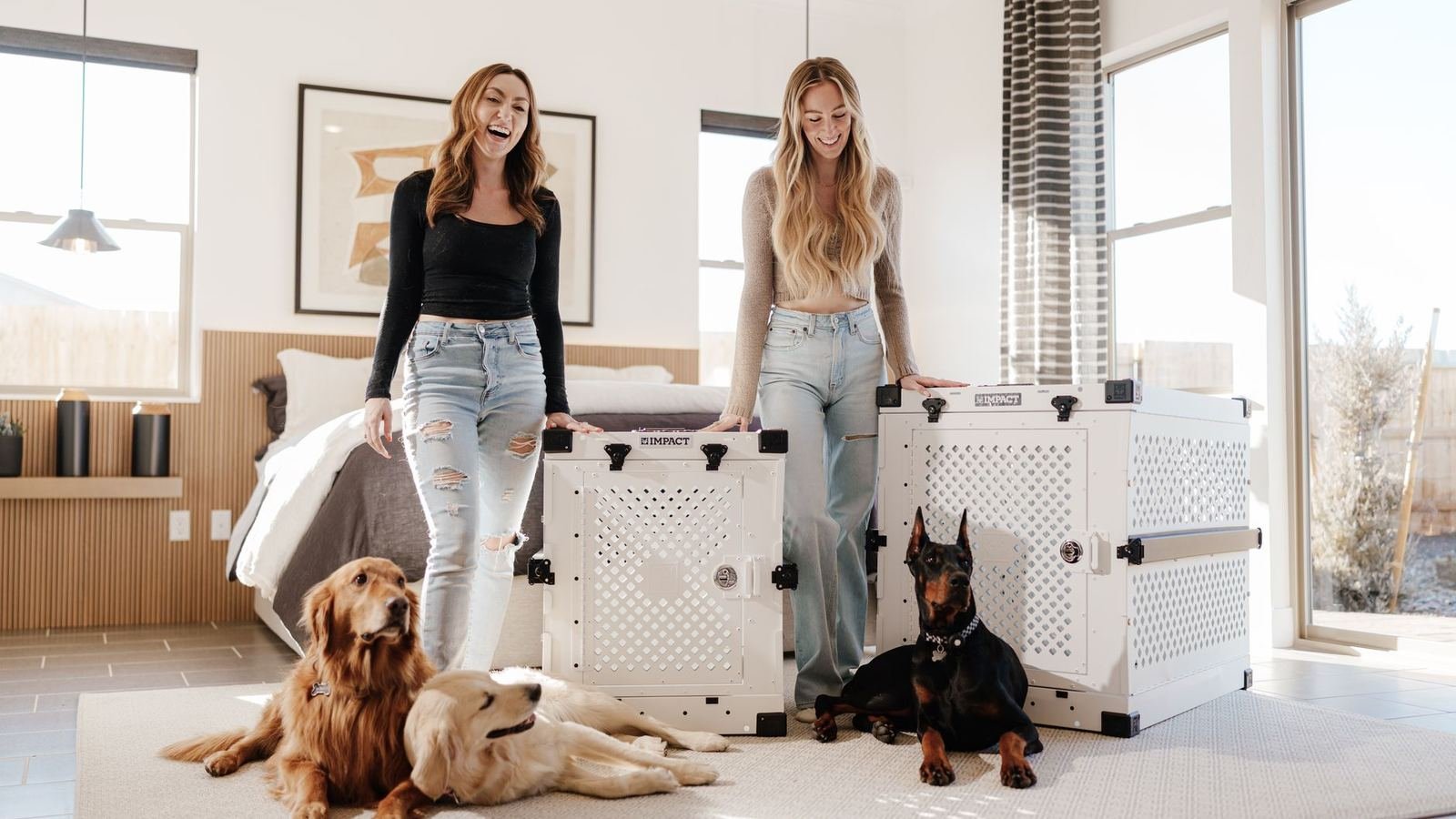
Multi-dog homes need to separate food, feeding tools, walking gear, favorite toys, grooming supplies, paperwork, and any pet-specific items that must not be mixed up. At the same time, duplicating every container for poop bags, cleaning cloths, spare toys, and other household supplies creates clutter fast. The practical balance is personal items by dog; routine supplies by task.
For example, near the door, give each dog one named hook for their leash and harness, plus one small washable basket or bin for their collar, towel, and outdoor extras. Put a single lidded container or drawer nearby for shared poop bags, a lint roller, and clean-up cloths. In the feeding area, use one clearly labeled food container or shelf space per dog and keep that dog’s scoop with it; group shared bowl-cleaning supplies in one separate caddy. This takes only a few labels, but it removes the need to remember where everything went when someone is waiting at the door.
A useful first step is to gather gear into two temporary piles on a table or floor: belongs to one dog and used by everyone. If an item would cause trouble or wasted time when assigned to the wrong dog, it belongs in the first pile. Leashes, collars, feeding tools, documents, and designated towels usually qualify. Shared backup toys, waste bags, and cleaning cloths normally do not.
Keep medications secured and out of pet reach rather than in an open puppy station. For documents, a labeled folder or envelope stored above floor level keeps records dry and separate without taking up daily-access space. The aim is not a perfectly matching setup; it is a calm routine where every family member can grab the right item without sorting through everybody else’s gear.
Choose one storage zone for each daily routine
The best puppy gear storage for multiple dogs uses a few routine-based zones, not a separate cabinet for every category. First, list the moments when mix-ups happen most often: leaving for walks, serving meals, wiping paws, playtime, and grooming. Give each routine one dependable home, then separate only the items that must stay matched to a particular dog.
For a two-dog household, the entryway can hold two clearly marked leash-and-collar hooks, plus one shared basket for poop bags, a small towel supply, and cleaning cloths. The feeding area can hold each dog’s own scoop, bowl mat, and feeding tools in labeled spaces, while unopened food and backup treats stay together in one higher shared cupboard. This keeps personal items from getting swapped while avoiding duplicate storage for supplies everyone uses.
- Walk zone: Assign one hook or cubby per dog for the leash, collar or harness, and a personal towel. Keep shared poop bags, a lint roller, and paw-wipe cloths in one nearby basket so nobody has to search two stations before a quick outing.
- Meal zone: Keep each dog’s everyday feeding tools in a named drawer section or bin beside the feeding spot. Store shared measuring tools only if the dogs eat the same food and portions; otherwise, use separate, labeled scoops to prevent rushed dinner mistakes.
- Play zone: Give each dog a small washable basket for favored toys or comfort items, and keep durable backup toys in one shared bin. Rotate the shared bin rather than leaving every toy out, which reduces floor clutter without making one dog’s familiar items disappear.
- Care zone: Place brushes, towels, and grooming supplies near the place you actually use them, such as a laundry area or bathroom cabinet. Separate dog-specific brushes or tools with names, but group shared towels and cleanup cloths together.
Avoid creating a “miscellaneous dog stuff” pile by the door or in the kitchen. It looks convenient at first, but it is where collars get paired with the wrong leash, paperwork vanishes under toys, and wet towels stay too long. Keep medications secured and out of pet reach, separate from food and routine gear. Store documents in one labeled household file, using a divider or envelope for each dog.
Adjust the zones when they no longer match your routine. If leashes keep landing on a chair, move the walk zone closer to the door. If feeding supplies migrate across the kitchen, reduce the zone to only daily tools and move backups elsewhere. The goal is not equal storage for every dog; it is a system where each dog’s essential items have an unmistakable place and shared supplies remain easy for everyone to reach.
Set up a two-dog station without doubling the clutter
The best puppy gear storage for multiple dogs gives each dog a clear home for personal items while keeping true shared supplies together. The goal is not two complete sets of containers in every room. It is a compact station that prevents the common rushed-routine mistakes: clipping the wrong leash on the wrong dog, using a muddy towel at mealtime, or opening several drawers to locate a particular bowl or document.
Start with one small station near the routine that causes the most mix-ups, such as the entryway for walks or the kitchen for meals. Build it in the order you use it: items needed first should be easiest to reach, while backups and rarely used supplies can sit higher, lower, or farther back.
- Give each dog one visual identity: Choose a name, photo, color, or simple symbol for each dog, then repeat it on that dog’s leash hook, feeding bin, towel basket, and document folder. For example, a household with Maple and Scout might use a green tag with “Maple” and a blue tag with “Scout.” Set up these markers before moving gear into the station, so every item has a destination from day one. The pitfall is using color alone when family members may not remember it; pair color with a written name, especially if the dogs have similar-looking equipment.
- Make the walk zone a two-hook, one-basket setup: Hang one labeled hook per dog at adult shoulder height or inside a closed entry cabinet. Put that dog’s collar, harness, and leash together on the same hook. Directly below, use one washable basket for shared poop bags, a spare roll, a lint roller, and a clean-up cloth. During the evening reset, return each dog’s walking set to its own hook before putting away shoes or mail. The pitfall is placing loose treats in the shared basket, where they can get crushed, forgotten, or attract an inquisitive puppy; keep treats in a sealed container elsewhere.
- Separate feeding tools at the point of use: In the kitchen, assign each dog one clearly labeled bin or drawer section for its bowl, scoop, placemat, and any feeding instructions supplied by the household. Keep the food container or bag in a single shared food-storage area only if both dogs eat the same food; otherwise, give each food a separate labeled container and keep the matching scoop inside or attached to it. At breakfast and dinner, pull out one dog’s feeding set, prepare it, then repeat for the other dog. The pitfall is storing identical scoops loose beside multiple foods, which makes a mix-up much more likely during a busy morning.
- Use one shared toy basket, plus a small personal reset bin: Keep durable, household-approved toys in one low shared basket in the living room. Then give each dog a smaller labeled bin or fabric cube for a favorite comfort toy, training item, or item that needs to stay separate. After the last play session of the day, return personal items to the named bins and shared toys to the common basket. The pitfall is treating every toy as personal gear; that creates overflowing bins and makes cleanup harder. Only separate toys when there is a practical reason, such as preventing arguments over a particular item or keeping a training toy available.
- Put towels and grooming supplies on a simple laundry loop: Give each dog two labeled towels: one “in use” towel near the door and one clean backup stored in that dog’s bin. Keep brushes, wipes, and other grooming supplies in a shared high shelf or closed drawer, with a small labeled pouch for dog-specific tools if needed. After a muddy walk, use the assigned towel, place it directly in a laundry hamper or designated wash bag, and move the clean backup into service. The pitfall is folding used towels back into the storage basket “for later,” which spreads dirt through the station and makes it unclear what is clean.
- Keep paperwork and secured items out of the daily scramble: Store one slim folder per dog in a high drawer, filing box, or closed cabinet. Label the folders with each dog’s name and keep adoption papers, registration details, grooming notes, and other household records inside. Keep any medications secured, clearly identified, and out of pet reach; do not leave them in open baskets with treats or feeding supplies. The ASPCA advises keeping potentially harmful household items inaccessible to pets, a useful principle for cleaning products and other secured supplies as well. See the ASPCA’s guidance on preventing access to unsafe household items. The pitfall is using the document folder as a catch-all for receipts, loose batteries, or spare tags, which makes important records difficult to locate when needed.
For a realistic two-dog setup, picture a narrow kitchen-entry area with a wall rail, one low basket, and a cabinet drawer. Maple’s green-labeled hook holds her harness, leash, and collar; Scout’s blue-labeled hook holds his. The basket beneath them contains only shared poop bags, cleaning cloths, and a backup toy. In the kitchen drawer, each dog has a named feeding section with its bowl and scoop, while a higher cabinet holds food and secured supplies. Their two towel sets hang on separate lower hooks near the laundry hamper.
This arrangement uses separate storage where an error matters—walking gear, feeding tools, towels, and records—while avoiding duplicate containers for supplies the household uses together. Once a week, take five minutes after the final walk to refill poop bags, return stray toys, replace used towels, and check that each named hook and bin still contains only that dog’s gear. That short reset keeps the station useful as puppies grow, change harness sizes, and accumulate more supplies.
Store backups, cleaning supplies, and paperwork safely
Even the best puppy gear storage for multiple dogs can become confusing when the less-used items have no defined home. Backups, cleanup tools, and records do not need to sit in the daily station, but they do need a place that is easy for adults to find. Keep each dog’s personal supplies distinct where mix-ups matter, while grouping truly shared items so the house does not fill with duplicate containers.
- Mistake: Keeping all backup food and treats in open bags. Open bags migrate between the pantry, feeding area, and counter, making it hard to see what belongs to which dog or what needs replacing. It also invites spills and chewing. Put each dog’s backup food in a clearly named, closed bin or on a separate labeled shelf; keep shared training treats together only if every dog can use them. A label such as “Milo—food backup” is clearer than a color alone.
- Mistake: Putting cleaning supplies in the same low basket as towels and toys. During a rushed accident cleanup, someone may toss a spray bottle back into the nearest bin. That fails because puppies can reach a mixed basket, and a helpful adult cannot grab a clean towel without sorting through bottles. Store shared cleaning cloths and washable towels in an open basket, but keep cleaning products in a latched cabinet or high cupboard. The ASPCA advises keeping household chemicals safely stored and out of pets’ reach.
- Mistake: Treating paperwork as a shared pile. Adoption papers, vaccination records, microchip details, license information, and grooming notes can look similar when two dogs have documents from the same clinic or rescue. A single loose stack works until an appointment or boarding pickup creates a time crunch. Use one slim folder per dog inside one household document box. Mark both the folder edge and front with the dog’s name, then keep a separate “household” sleeve for shared pet-sitter instructions or training-class receipts.
- Mistake: Storing spare collars, tags, and grooming tools by item type only. A drawer labeled “collars” is tidy at first, but it does not prevent one dog’s correctly sized collar or brush from being used on another. Give each dog a small labeled pouch or drawer section for personal spares. Keep genuinely shared items, such as nail clippers or a lint roller, in one clearly marked shared section.
- Mistake: Leaving medication or important documents at the feeding station. The feeding area is busy, often low to the floor, and frequently accessed by pets and children. Instead, keep medication secured and out of pet reach, with documents in a dry, elevated drawer or cabinet. Avoid using one unlabeled container for multiple dogs’ items.
For example, in a two-dog home, the entryway may hold each dog’s labeled leash, collar, and towel, while the kitchen holds separate feeding scoops and food containers. Above or beside that daily setup, place one high “backstock” shelf: two named food bins, one shared bin for poop bags and backup toys, a towel basket, and a closed cleaning-supply cabinet. This approach uses separate storage where a mix-up affects the dog, but shared storage where duplication only creates clutter.
Once a month, check the backstock shelf for empty bags, worn towels, and papers that need filing. That short reset keeps the daily zones simple instead of turning them into overflow storage.
Keep the system working as puppies grow
The best puppy gear storage for multiple dogs is the setup your household can still follow when two leashes are needed quickly, one dog has tracked in mud, and dinner is already running late. Keep the rule simple: personal items stay assigned to one dog, while genuinely shared supplies stay together in one easy-to-reach place.
For example, in a two-dog home, each dog can have a named hook for their leash and collar, a small washable basket for their towel and current toys, and a marked feeding container or scoop. Nearby, keep one shared drawer or lidded bin for poop bags, cleaning cloths, spare rolls, and backup toys. This avoids the tradeoff of duplicating every supply for every dog: separate storage reduces preventable mix-ups, but shared storage keeps the station from taking over the room.
As puppies grow, their gear changes faster than the storage furniture needs to. A small harness may be replaced, favorite toys may become too worn for daily use, and grooming tools may no longer fit in the original basket. Rather than adding another container each time, give the system a short reset every month or when you notice items collecting on the floor.
- Return loose gear to its dog-specific hook, basket, or drawer.
- Remove outgrown collars, harnesses, and damaged toys from the daily station.
- Check labels so each dog’s name remains easy to read at a glance.
- Move unopened backups back to the supply area instead of leaving them with everyday gear.
- Keep documents and any medications secured separately, high up or behind a closed door, and out of pet reach.
Do not aim for a perfectly matched set of bins. A hook, basket, and labeled drawer can work just as well in a rental apartment as in a larger house if every family member knows what belongs where. If one dog’s things regularly end up in the other dog’s spot, make the labels larger, choose more distinct basket colors, or place the two stations a little farther apart.
Try this next: Tonight, stand at the spot where your household leaves for walks and create two clearly named homes—one for each dog’s leash and collar—then place one shared poop-bag supply directly beside them.
What you’ll actually use
These are the pieces this setup actually uses. If one does not earn a place in your home, leave it off the list.
- Chew Toys: Keep this where best puppy gear storage for multiple dogs actually happens, and skip it if you already have a version that works.
- Food Mat: Keep this where best puppy gear storage for multiple dogs actually happens, and skip it if you already have a version that works.
- Waste Bags: Keep this where best puppy gear storage for multiple dogs actually happens, and skip it if you already have a version that works.
- Toys And Chews: Keep this where best puppy gear storage for multiple dogs actually happens, and skip it if you already have a version that works.
FAQ
What to Look For in best puppy gear storage for multiple dogs?
Use decision criteria tied to best puppy gear storage for multiple dogs: space, upkeep, how it fits your routine, and everyday usability. Photo by Impact Dog Crates on Pexels Multi-dog homes need to separate food, feeding tools, walking gear, favorite toys, grooming supplies, paperwork, and any pet-specific items that must not be mixed up.
What should I know about choose one storage zone for each daily routine?
The best puppy gear storage for multiple dogs uses a few routine-based zones, not a separate cabinet for every category. First, list the moments when mix-ups happen most often: leaving for walks, serving meals, wiping paws, playtime, and grooming.
What should I know about set up a two-dog station without doubling the clutter?
The best puppy gear storage for multiple dogs gives each dog a clear home for personal items while keeping true shared supplies together. The goal is not two complete sets of containers in every room.