
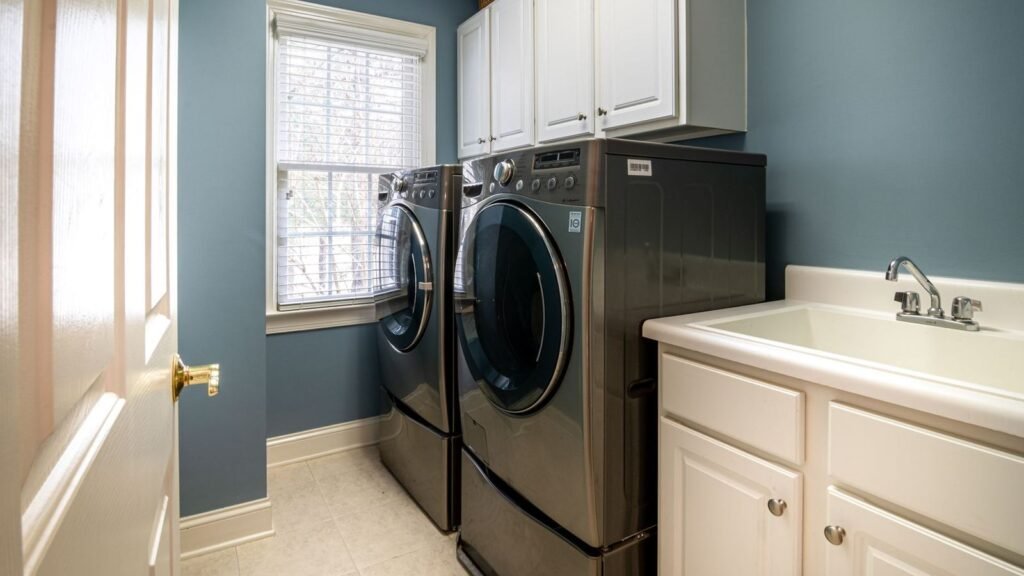
The best puppy gear storage for laundry rooms turns a busy utility space into a calm handoff point: leash on, towel ready, muddy gear contained, and nothing tempting or hazardous within a curious puppy’s reach. Picture coming in from a damp walk with a puppy who wants to investigate every open cabinet. The harness needs a place to dry, the towel needs somewhere better than alternatives when daily maintenance and space constraints are considered the floor, and the detergent shelf cannot become part of the puppy station.
Pet Health Disclaimer: This content is for informational purposes only and is not veterinary advice. Always consult a licensed veterinarian for diagnosis, treatment, or medication decisions.
What to Look For in best puppy gear storage for laundry rooms
Use decision criteria tied to best puppy gear storage for laundry rooms: space, upkeep, how it fits your routine, and everyday usability.
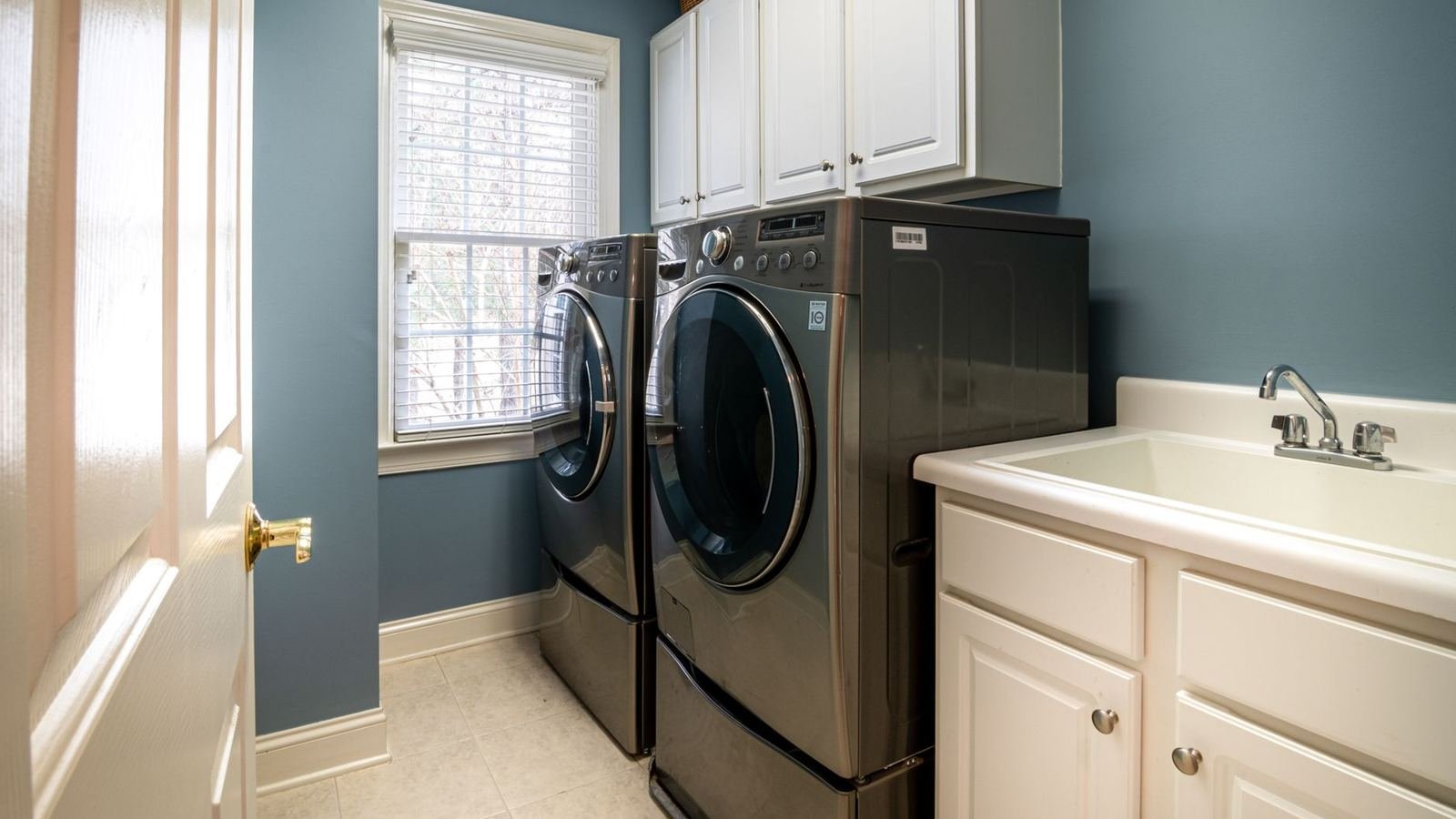
The challenge is not fitting every supply into one room. It is assigning the laundry room only the gear that makes sense there, while keeping laundry products securely stored away from the puppy. Leashes, harnesses, a washable drying towel, waste-bag rolls, and a small clean-up cloth can make this room work well as a daily gear hub. Detergent, bleach, stain removers, dryer sheets, pods, and other laundry chemicals belong in secured storage that the puppy cannot access. A bin or basket alone is not a safety barrier for hazardous products.
Food-related supplies need a separate decision, too. Do not place kibble, treats, chews, medications, or feeding tools beside laundry chemicals or in a damp corner near the washer. Follow each item’s package storage directions, and give food and treats a dry, dedicated location elsewhere when the laundry room cannot provide one.
A useful first move takes only a few minutes: stand at the laundry-room doorway and divide the space into two zones. Put puppy-ready items above floor level but within adult reach, such as a removable hook rail for the leash and harness. Reserve every closed cabinet or high, secured shelf for laundry products. If your room has just one usable cabinet, chemicals take priority; puppy gear can use the wall and a narrow washable lidded bin instead.
That small distinction prevents the common “everything goes in the laundry room” problem. Open baskets are handy for clean towels but invite a puppy to pull items out. Wall hooks keep walk gear visible and drying, but they do not hold small loose supplies. Closed cabinets protect contents, yet cabinet space is often too valuable to share. The most functional setup uses each storage type for its limitation as much as its convenience: visible gear for fast departures, contained towels for messes, and secured storage for anything unsafe.
For a renter or small-home setup, a removable hook strip beside the door, one labeled lidded bin for used towels, and a single upper shelf for puppy-only nonfood supplies can be enough. Keep the floor clear so the laundry room remains a working room, not a pile of damp fabric, dangling leashes, and reachable bottles.
Separate Puppy Supplies From Laundry Chemicals
The best puppy gear storage for laundry rooms starts with a firm split: puppy items stay in one designated zone, while detergent, bleach, stain remover, dryer sheets, pods, and other laundry products stay secured behind a closed door or in a locked high cabinet. Do this first, before deciding where hooks or bins should go. A laundry room can be a useful gear hub, but it should not become a place where a curious puppy can reach hazardous containers or mouth something that has fallen near the washer.
Keep only non-food puppy gear in the laundry-room station: leashes, harnesses, waste-bag rolls, washable towels, raincoats, and an empty wipeable bin for dirty items. Store food, treats, medications, and chews elsewhere, away from laundry chemicals and humidity, following each package’s storage instructions. If you suspect your puppy has contacted or swallowed a household chemical, seek urgent professional help and contact a poison resource or veterinarian; the ASPCA advises keeping potentially toxic household products out of pets’ reach.
- Closed cabinets: Best for all laundry chemicals and cleaning tools. Use a child-resistant latch if the cabinet is within a puppy’s reach. The limitation is that a closed cabinet only works when every container is returned and the door is fully secured after each load.
- Wall hooks: Best for a leash, harness, and lightweight raincoat used at the door. Mount them well above your puppy’s standing and jumping reach. Avoid hanging treat pouches or chew holders here, since lingering food smells can encourage grabbing.
- Lidded bins: Best for clean towels, spare waste-bag rolls, or a small set of walking gear. A lid reduces visual clutter, but it is not a substitute for secured chemical storage and should not hold food or medication in this room.
- Open baskets: Best for towels that need to air out briefly after a walk. Their limitation is easy puppy access, so use them only for washable fabric items, not chemicals, chews, treats, or anything small enough to be swallowed.
For a renter or small-home setup, picture one narrow lidded bin beside the washer for clean puppy towels and one removable hook rail above it for the harness and leash. The chemical cabinet remains on the opposite side of the room, latched and used only for laundry supplies. This tradeoff keeps the daily walk items close at hand without adding furniture or mixing puppy belongings with cleaning products.
Adjust the setup if your puppy begins nosing the bin, pulling at hanging straps, or following you into the room during laundry. Move hooks higher, relocate the bin behind a closed door, or block access to the laundry area during chores. The goal is not to fit every puppy supply into this room; it is to make the few items that belong there easy for you to use and difficult for your puppy to reach.
Set Up a Small Laundry Room Puppy Station
The best puppy gear storage for laundry rooms does not require a full cabinet makeover. In a small utility room, the goal is a clear routine: pick up the items needed for a walk or cleanup, return damp gear to one contained spot, and keep puppy-accessible areas free of laundry products and food-related supplies. Build the station around the path you already take, door, laundry room, sink, washer, then back out, rather than trying to fit every puppy item into one room.
- Start with a one-minute pickup zone: Choose a small area closest to the exit or the door leading toward your usual walking route. During the morning rush, this is where you should, when it fits your space and routine, be able to collect the harness, leash, waste bags, and a towel in order: harness first, leash second, bags last. A hook rail mounted above puppy height works well for the leash and harness, while a small secured container on a high shelf can hold bag rolls. The pitfall is turning this into a catch-all drop zone; if mail, keys, and jackets land here too, the puppy gear becomes hard to grab when you are already late.
- Give wet gear a return spot before the walk: Put a narrow washable bin or handled tote near the washer for used towels, muddy rainwear, and a damp leash that needs to dry before being put away. After a rainy walk, hang the harness or leash to air-dry first if possible, then place only washable towels and fabric items in the bin. Check the bin every evening, or immediately after a particularly muddy outing, so damp towels do not sit through several laundry cycles. One common mistake is sealing wet items inside a tightly lidded container; use a bin that can be left open while gear dries, then close or empty it once the contents are dry.
- Use closed storage for the safety boundary: Reserve a latched cabinet or another reliably secured storage area for detergent, pods, bleach, stain removers, dryer sheets, and other laundry products. Keep that area separate from the puppy station rather than using a shared shelf with a divider. A container does not make hazardous products safe if a puppy can reach, open, or knock it over. Set up the puppy gear first, then decide which cabinet can be kept closed and secured every time laundry is handled. The pitfall is leaving supplies on top of the washer “just for this load, ” especially when the puppy follows you into the room.
- Match each storage type to one job: A simple storage comparison prevents the room from filling with mismatched containers. Closed cabinets: best for laundry products and any non-puppy household items that must stay inaccessible; their limitation is that daily-use gear can be inconvenient if it is buried behind cleaning supplies. Wall hooks: best for a harness, leash, and drying towel; their limitation is that they need to be mounted high enough that a puppy cannot tug items down. Lidded bins: best for backup waste bags, spare towels, and seasonal rain gear; their limitation is that wet items should not be shut inside. Open baskets: best for dry, clean towels waiting to be used; their limitation is that they are not suitable for food, treats, chews, medicines, or anything a puppy should not access.
- Keep food-related supplies out of the laundry routine: Do not make the laundry room the default home for puppy food, treats, chews, or medications, particularly if the room is humid or laundry chemicals are stored there. Follow the product package instructions for storage, and use a separate kitchen cabinet, pantry shelf, or other dry secured location for those supplies. If you need a few training treats before a walk, portion them in the kitchen and carry them with you rather than leaving an open treat pouch on the laundry counter. The pitfall is treating a high shelf beside detergent as a safe “puppy shelf”; food-related items should not share that storage area.
- Make the end-of-day reset part of laundry timing: When you start an evening load, take two minutes to return the leash to its hook, move used towels into the wash or drying area, refill the waste-bag container, and remove anything that drifted onto the floor. This order matters: clear the floor first, put wet items where they belong second, then restock the next-day pickup zone. In a renter’s laundry closet, this can be as simple as removable hooks, one narrow bin, and a high shelf basket, no new furniture needed. The pitfall is saving the reset for laundry day only; a single damp towel, chewed bag roll, or dropped dryer sheet can make a small room feel chaotic fast.
A small station works best when it stays limited to walking, cleanup, and towel-handling gear. If a puppy does get into a household chemical or you suspect exposure, seek urgent professional help rather than trying to manage the situation with home storage solutions. For the everyday routine, a visible hook, a contained wet-gear bin, and secured laundry storage create a calmer handoff between walks, baths, and wash cycles.
Keep Wet Towels and Dirty Gear From Taking Over
The best puppy gear storage for laundry rooms includes a plan for the items that are not clean enough to put away yet. A damp towel, muddy leash, or rain-spotted harness can quickly turn a useful gear hub into a pile on top of the washer. The goal is not to wash every item immediately. It is to give used gear a short-term holding place that keeps moisture contained and clean supplies separate.
- Leaving wet towels in an open heap: A towel tossed over the washer or dropped into a closed hamper stays damp, takes up the only clear folding surface, and is easy to forget. It fails because there is no defined “drying first” step. The better move is to use one hook or short rail for towels that need to air out, with a washable bin below for towels that are dry enough to wait for laundry day. Keep the hook high enough that a puppy cannot pull down the towel or chew it.
- Putting muddy gear back with clean walk supplies: When a wet harness goes into the same bin as spare collars, clean towels, and poop-bag rolls, the whole bin becomes damp and dirty. This also makes rushed walks harder because you cannot tell what is ready to use. The better move is to assign one clearly marked lidded bin to “used gear.” Let the harness and leash dry on hooks first; once they are dry, return them to their clean storage spot. A lidded bin contains drips and visual clutter, but it is not a drying cabinet.
- Using the laundry floor as the dirty-gear zone: A floor pile is convenient for about five minutes, then it becomes a tripping point and puts straps, towels, and cleaning cloths within easy puppy reach. It also blurs the line between puppy items and laundry work. The better move is a narrow, washable bin tucked beside the washer or beneath a wall-mounted hook rail. Choose a location that does not block the machine door, a walkway, or access to a cabinet holding laundry products.
- Washing puppy towels with whatever is already in the machine: This can lead to a missed towel staying wet for days, or a clean towel being placed near detergent and other laundry supplies while you sort the load. The better move is to keep a small, dedicated towel bin and wash it when full or during a planned weekly reset. Follow the towel’s care label and keep detergent, pods, bleach, stain removers, and dryer sheets secured in storage a puppy cannot open or reach.
- Turning the gear hub into food storage: Treat jars, kibble scoops, chews, and medication do not belong beside damp towels or laundry chemicals. The arrangement fails because moisture, food-related items, and chemical products require different storage conditions. The better move is to keep food, treats, medications, and chews in a separate dry area according to their package instructions, away from the laundry room’s wet zone and secured chemical storage.
For a small renter laundry room, a workable setup can be as simple as two removable wall hooks, one for the leash and harness and one for the day’s wet towel, plus a narrow lidded bin underneath for dirty towels awaiting a wash. This uses vertical space without adding a shelf or cabinet. The tradeoff is that hooks handle only a small daily load, so reset them after each walk rather than allowing several wet items to accumulate.
| Storage option | Best use | Limitation |
|---|---|---|
| Closed cabinet | Secured laundry chemicals and items a puppy must not access | Not a place for wet towels or damp gear |
| Wall hooks | Air-drying one leash, harness, or towel between outings | Must be installed out of puppy reach and cannot hold a backlog |
| Lidded bin | Containing dry dirty towels and keeping visual clutter down | Wet items should dry before the lid is closed |
| Open basket | Holding clean, dry towels during a laundry session | Not suitable for chemicals, chews, or items a puppy can grab |
If a puppy may have gotten into a laundry chemical or other household product, contact a veterinary professional or animal poison resource promptly. The ASPCA Animal Poison Control provides guidance for suspected exposures; storage routines help reduce access, but they cannot replace secured cabinets and careful supervision.
A Simple Weekly Reset for the Laundry Room
The best puppy gear storage for laundry rooms is the setup you can restore in about ten minutes once a week. The goal is not a picture-perfect utility room. It is a dependable gear hub where the leash is dry, the clean towel is easy to grab, and puppy items stay separate from laundry products.
Choose one regular reset time that fits your routine, such as after the last walk on Sunday or while you fold a load of laundry. In a small home, this prevents the laundry room from becoming the place where wet gear, spare supplies, and loose cleaning items slowly collect.
- Clear the active zone: Take everything off the hook rail, shelf, or narrow bin. Return stray shoes, mail, and household items to their proper rooms so the puppy station only holds puppy gear.
- Sort gear by condition: Put dry, ready-to-use leash and harness items back on their hooks. Move damp towels and rain gear to the wash or drying spot. Empty dirt, leaves, and crumbs from the washable bin before returning it to the floor or lower shelf.
- Restock only the safe essentials: Replace used waste bags and add a clean towel. Keep food, treats, chews, and medications out of this laundry area unless you have a separate dry, secured location that follows each package’s storage directions.
- Check the safety boundary: Confirm detergent, pods, bleach, stain remover, dryer sheets, and other laundry chemicals are closed and secured where a puppy cannot reach them. A bin or basket is useful for organizing puppy items, but it does not make hazardous products safe.
- Reset the exit routine: Leave out only what you need for the next walk: one leash, one harness, waste bags, and one clean towel. Store backups rather than letting them build up around the door.
- Closed cabinet: Best for laundry chemicals and backup supplies that must stay inaccessible; its limitation is that you need to close and secure it after every use.
- Wall hooks: Best for one dry leash and harness that you use daily; their limitation is that wet items need drying time before they go back.
- Lidded bin: Best for towels, waste bags, and lower-priority gear in a tight rental laundry room; its limitation is that it should not hold chemicals or damp items for long periods.
- Open basket: Best for carrying clean towels to another room; its limitation is that it is not appropriate for tempting, unsafe, or loose puppy supplies within reach.
For example, a renter with one cabinet, a removable hook rail, and a narrow lidded bin can keep the cabinet dedicated to secured laundry products, hang the daily leash and harness high on the rail, and use the bin for clean towels and waste-bag refills. That arrangement sacrifices some storage capacity, but it keeps daily gear visible without putting puppy-accessible items beside chemicals.
Your next step: set a ten-minute reminder for the end of this week, then reset just the hook rail, towel bin, and chemical cabinet before the next load of laundry.
FAQ
What to Look For in best puppy gear storage for laundry rooms?
Use decision criteria tied to best puppy gear storage for laundry rooms: space, upkeep, how it fits your routine, and everyday usability. Photo by Curtis Adams on Pexels The challenge is not fitting every supply into one room.
What should I know about separate puppy supplies from laundry chemicals?
The best puppy gear storage for laundry rooms starts with a firm split: puppy items stay in one designated zone, while detergent, bleach, stain remover, dryer sheets, pods, and other laundry products stay secured behind a closed door or in a locked high cabinet. Do this first, before deciding where hooks or bins should go.
What should I know about set up a small laundry room puppy station?
The best puppy gear storage for laundry rooms does not require a full cabinet makeover. In a small utility room, the goal is a clear routine: pick up the items needed for a walk or cleanup, return damp gear to one contained spot, and keep puppy-accessible areas free of laundry products and food-related supplies.