
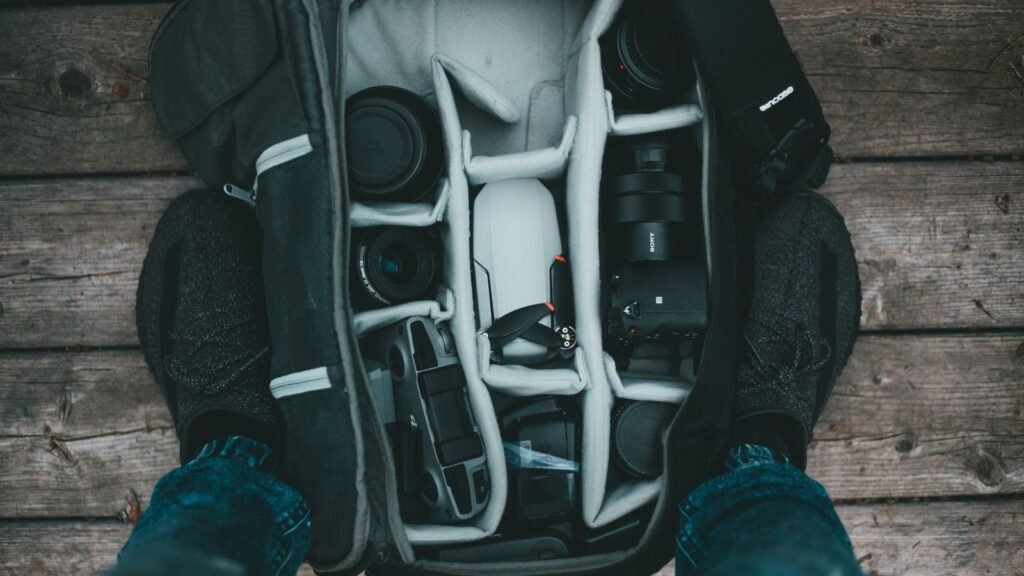
Puppy gear storage for frequent travelers starts with a familiar rushed moment: your overnight bag is by the door, the puppy’s leash is in the entryway, food is still in the kitchen, and the travel crate accessories are somewhere in a closet. You need to leave soon, but packing means walking room to room, wondering whether the spare poop bags were used up and whether you already packed the water bowl. A simple home-and-travel system solves that problem by giving travel-only supplies one dependable home base instead of letting them blend into the puppy’s everyday things.
What to Look For in puppy gear storage for frequent travelers
Use decision criteria tied to puppy gear storage for frequent travelers: space, upkeep, how it fits your routine, and everyday usability.
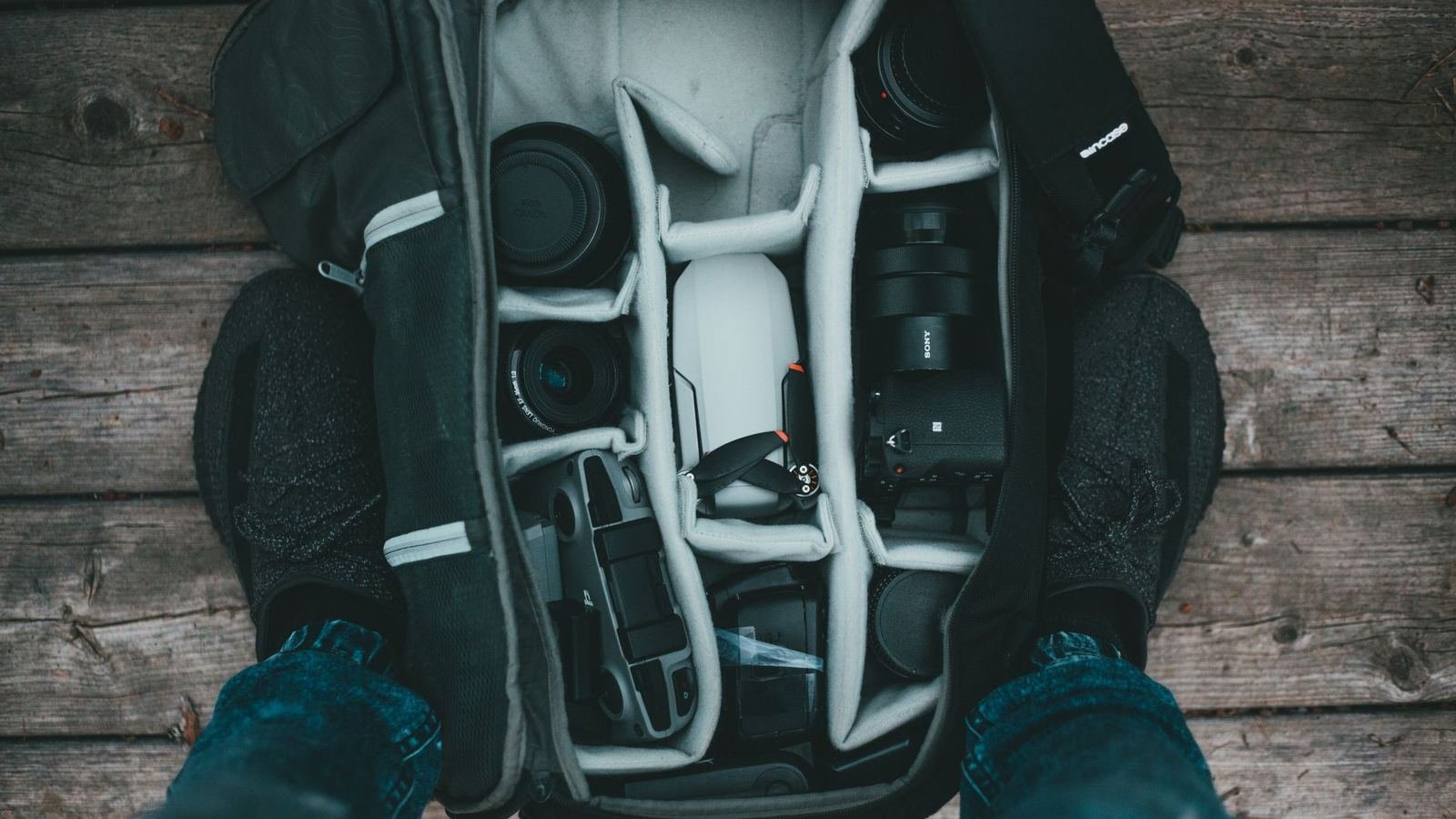
The goal is not to duplicate every item your puppy owns or buy a row of matching bins. It is to separate what stays in daily use from what should be ready to pack. Keep the everyday leash, bowls, toys, and training supplies where your routine already happens. Then reserve one tote, cabinet shelf, or lidded bin near the door, laundry area, or coat closet for pack-first essentials. In a small apartment, that might be a handled bin on the top closet shelf; in a larger home, it may be a dedicated shelf in the mudroom or utility closet.
Start today with one clear rule: anything you would be frustrated to hunt for on departure day belongs in the travel zone. Put a small pouch inside for items that can disappear easily, such as waste bags, a backup collar or harness, an ID-tag check reminder, and a measuring scoop. Keep a short paper checklist clipped to the tote lid or tucked into the front pocket. Before a two-night trip, for example, you can place the travel tote on the floor and pull only the owner-specific items still needed: the right amount of food based on its label and your puppy’s normal routine, any required documents, and the current leash or crate.
This arrangement also keeps the house calmer while you are away. Daily supplies do not get emptied onto the counter during packing, and the travel tote has a place to return to after each trip. Store food securely in its original packaging or another clearly labeled, puppy-inaccessible container, and keep cleaning products separate from food and chewable gear. If you are flying, staying in a hotel, or using a pet sitter, confirm the current carrier, property, and destination rules before packing; those requirements can differ widely.
Separate Everyday Supplies From Pack-First Essentials
For puppy gear storage for frequent travelers, start by dividing supplies into two clear groups: items that stay in your daily routine and items that are needed for nearly every trip. Put the travel group together in one home base near the exit you actually use, such as the bottom shelf of an entry closet, a high cabinet by the door, or one designated corner of a utility area. The goal is not to own two of everything; it is to know exactly what stays home and what gets packed first.
- Daily-use zone: Keep the items you reach for every day where they are most useful: the food scoop near food, potty supplies near the cleanup area, and the regular leash by the walking door. These supplies should not be pulled apart for every overnight trip.
- Pack-first zone: Reserve one tote, shelf, or labeled bin for travel-only basics, such as a spare leash, collapsible bowl, travel towel, waste bags, a copy of key contact information, and a small pouch for owner-specific items. After a trip, return these items to this same spot rather than dropping them around the home.
- Borrow list: Attach a short list to the travel zone for things you use daily but must pack, such as the puppy’s usual food, a familiar sleeping item, or the daily collar. This prevents unnecessary duplicates while still making the last packing step visible.
Avoid creating a “travel pile” on the kitchen counter or by the crate. That system feels quick until a bowl is used at breakfast, a leash gets taken on a walk, or a bag of food is left in another room. It also makes it easier for a curious puppy to reach loose gear. Keep anything chewable, small, or unsafe to access in a closed location; the ASPCA notes that chewing can become destructive when dogs have access to unsuitable objects, so storage placement matters as much as labeling.
For example, in a narrow-hallway apartment, the travel home base might be one lidded container on a high closet shelf, with the carrier or crate stored separately. Before a two-night trip, take down the container, add the three items listed on the borrow list, and place the complete kit by the door only when you are ready to leave. In a larger home, the same system may live in a laundry-room cabinet, but the workflow stays the same.
Adjust the split when you notice repeat friction. If you borrow the same item on every trip, consider making it part of the pack-first group or storing a spare there. If an item never leaves home, remove it from the travel zone. Before flying, booking lodging, or using a pet sitter, confirm current carrier, hotel, transportation, and destination requirements directly with the relevant provider rather than assuming one packing setup fits every trip.
Use a Refill Checkpoint to Prevent Last-Minute Gaps
A refill checkpoint makes puppy gear storage for frequent travelers work because it turns packing into a short routine instead of a search through the house. The goal is not to keep duplicate supplies everywhere. It is to keep one travel tote in its home base, then use a predictable moment to replace what was used, washed, or moved back into everyday circulation.
Set the checkpoint for the same point in every trip cycle: two days before leaving for planned travel, or immediately after returning home if trips are often arranged quickly. A family leaving an apartment for a two-night car trip, for example, can pull the tote from a hall closet shelf on Thursday evening, refill it in the kitchen, and return it to its shelf before bedtime. Nothing needs to remain piled by the door overnight.
- Choose one refill time: Put a repeating reminder on the day before your usual packing day, not an hour before departure. Check the tote after dinner, when the puppy’s daily food and cleaning supplies are already accessible. The order is simple: open the travel tote, check the list, refill consumables, then close and return the tote to its home base. Pitfall: Refilling while rushing out the door encourages “temporary” items, such as the daily leash or food scoop, to get left in the car or disappear into luggage.
- Keep a short category card inside the tote: Tape or clip a card to the inside lid with categories rather than a long universal packing list: food and feeding, walks, sleep setup, cleanup, documents or booking details, and owner-specific items. Under “food and feeding,” write the exact items your puppy uses, such as a measured food container, bowl, and scoop. Under “walks,” list the collar or harness, leash, waste bags, and a towel if that suits your routine. Check categories in order from top to bottom. Pitfall: Writing every possible item on one oversized list makes the checkpoint so tedious that it gets skipped.
- Refill from a defined household backstock: Give travel replacements one clearly marked spot beside everyday puppy supplies: a labeled bin on a pantry shelf, a high cabinet, or a closet shelf. When the tote’s waste-bag roll is low or the cleaning-cloth pouch has been used, replacements come from that backstock rather than from random drawers. For food, use a clean, sealed travel container and follow the food manufacturer’s label for storage and handling instructions. Pitfall: Keeping backstock in several rooms creates accidental duplicates, especially when one person buys more because they cannot see what is already available.
- Use a “borrowed from daily use” marker: Some gear is not worth owning twice, particularly in a small apartment. If the puppy’s preferred harness is used every day and also travels, place a bright clip, tag, or empty example pouch in the tote during the refill checkpoint. That marker means “pack this last.” On departure day, move the harness from the entry hook into the tote after the final potty walk. Pitfall: Putting the daily harness in the tote two days early can leave you buying or hunting for a replacement just to complete normal walks at home.
- Make the cleaning portion self-contained: Store travel cleanup items together in a wipeable zip pouch within the tote, rather than loose beside food or bedding. After each trip, wash reusable cloths and replace only what was used at the next checkpoint. In a larger home, this pouch can live in the travel zone near the garage or laundry room; in a narrow hallway, it can stay inside the tote on a high closet shelf. Pitfall: Leaving cleaning bottles or small packets loose in an open entry basket creates clutter and may put unsuitable items within a curious puppy’s reach.
- Run a five-minute exit check in travel order: On the morning of departure, confirm the tote first, then the puppy’s crate or restraint setup, then your own bags. This order prevents puppy supplies from becoming scattered across the kitchen counter, sofa, and car seat while adult luggage is being finished. Confirm current airline, hotel, car-rental, and destination rules directly with the relevant provider, since their requirements can vary. Pitfall: Checking travel rules only after packing may mean unpacking and reorganizing the tote at the last minute.
For a two-night trip, the checkpoint might look like this: Thursday evening, a puppy owner takes the travel tote from the closet shelf, checks the six category card headings, fills the food container, adds a clean towel and cleanup pouch, and places the daily-harness marker in its pocket. Friday morning, after the final walk, the harness replaces the marker. The tote goes straight to the car, while everyday bowls, blankets, and cleaning supplies remain in their normal home locations.
This approach also makes returning easier. If a pouch is empty or a towel is damp, place it in the designated refill spot rather than setting it on the entry bench. The next checkpoint then starts with a visible, limited task instead of a mystery search for what went missing on the last trip.
Store Food, Cleaning Items, and Small Gear Safely
For puppy gear storage for frequent travelers, a travel tote only works if the supplies inside are safe to store, easy to check, and hard for a curious puppy to reach at home. The goal is not to create a second full puppy setup. It is to keep travel-only items together while storing food, cleaners, and small loose gear in sensible places between trips.
- Loose food in the travel tote: A scoop of kibble in an unmarked bag or an open container can spill, pick up odors, or leave you unsure what food is packed. This fails because the tote becomes a catch-all rather than a dependable kit. Better move: Keep a clearly labeled, sealed food container beside the tote, not buried underneath harnesses and towels. Label it with the food name and replace its contents according to the food package instructions. Pack the needed amount only when the trip is confirmed, then return leftovers to the main food storage when appropriate.
- Cleaning supplies beside chewable gear: Storing wipes, cleaning spray, and stain-treatment products loose beside a travel blanket or chew toy makes the tote harder to use and can leave bottles accessible when it is sitting on the floor. It fails because cleanup items are often needed quickly, but they do not belong mixed with everything else. Better move: Use a small zip pouch or handled cleaning caddy inside a high shelf, closed cabinet, or latched tote. Keep paper towels, waste bags, and a washable cloth in the travel kit; keep liquid products upright and separate until departure.
- Small gear scattered through the house: A spare ID tag, poop-bag holder, collapsible bowl, car restraint attachment, or backup leash can disappear into drawers and coat pockets. The problem is not that these items need more storage; it is that they have no return location. Better move: Give small travel pieces one zip pouch within the home base. After unpacking, place every loose item back into that pouch before putting away larger items. For identification and destination requirements, confirm current airline, hotel, car, and local rules with the relevant provider rather than assuming one setup works everywhere.
- Keeping the tote within puppy reach: An open bag near the door may seem convenient, but it can invite chewing, dragging, and scattered contents. The ASPCA notes that destructive chewing can involve accessible household items, so leaving tempting fabric straps and small objects at floor level is not a useful storage plan. Better move: Store the packed tote on a sturdy entryway hook, closet shelf, or cabinet shelf. In a narrow hallway, use a vertical spot above the puppy’s reach instead of adding another floor bin.
- Duplicating every daily item: Buying or storing two of everything can create clutter and makes it harder to notice what needs refilling. A duplicate may sit unused while the everyday version is the one actually needed. Better move: Duplicate only the small, low-space items that prevent packing delays, such as a spare bowl or waste-bag roll. Keep one clearly marked “pack before leaving” spot for larger shared items, such as the usual leash or crate cover. This keeps the home routine tidy without making the travel system incomplete.
For example, an apartment owner might keep food in the kitchen cabinet, the cleaning pouch on a laundry shelf, and the travel tote on the top closet shelf by the entry. That three-location setup takes less room than a large travel station, while still making the final packing check quick and predictable.
Reset the Travel Kit Within 24 Hours of Returning
The part that makes puppy gear storage for frequent travelers truly useful is the reset after each trip. A travel tote that comes home half-empty, damp, or filled with loose receipts and used bags quickly becomes another pile to sort through before the next departure. Reset it while the trip is still fresh, ideally within 24 hours, so the kit returns to its home base ready to pack again.
Keep the routine simple: unpack what belongs in the daily puppy area, clean or air out reusable items, replace what was used, and return the tote to its assigned shelf, closet spot, or high entryway hook. This prevents travel supplies from spreading across the kitchen counter, car floor, and laundry basket.
- Empty the return pile: Put used blankets, bowls, and washable gear directly where they will be cleaned. Remove leftover food only if it can be returned safely according to its label and your normal storage routine.
- Put daily items back: Return the everyday leash, usual toy, or regular meal scoop to its normal location instead of leaving duplicates in the travel bag.
- Refill the travel categories: Check food, waste bags, cleaning supplies, treats, and any owner-specific items such as a copy of reservation details or a destination contact note. Refill only what was used.
- Check the small essentials: Confirm that tags, harnesses, clip-on lights, and collapsible bowls are back in the tote or in their designated home. Small items are the easiest to misplace after unloading a car.
- Close and return the kit: Zip the tote, place it back in its travel-only zone, and keep it out of puppy reach. A closed cabinet, high closet shelf, or lidded bin can work better than an open floor basket for supplies a puppy might chew.
For example, after a two-night trip, an apartment household might bring the tote inside, place the blanket in the laundry hamper, refill the food container from the main sealed food storage, replace used bags from the household supply, and hang the travel harness beside the tote. The whole setup may take ten minutes. In a larger home, the same routine can happen at a mudroom cabinet or laundry-room shelf. The location matters less than having one return point.
This approach avoids the common cycle of buying a second leash because the first is still in the car, leaving cleaning supplies in the travel bag, or discovering at departure that the collapsible bowl never made it home. Keep the travel kit separate enough to stay ready, but not so separate that it creates unnecessary duplicates of every daily item.
Next step: After your next outing—even a short visit or overnight stay—set a ten-minute timer and reset the travel tote before the end of the following day.
FAQ
What to Look For in puppy gear storage for frequent travelers?
Use decision criteria tied to puppy gear storage for frequent travelers: space, upkeep, how it fits your routine, and everyday usability. Photo by Erik Mclean on Pexels The goal is not to duplicate every item your puppy owns or buy a row of matching bins.
What should I know about separate everyday supplies from pack-first essentials?
For puppy gear storage for frequent travelers , start by dividing supplies into two clear groups: items that stay in your daily routine and items that are needed for nearly every trip. Put the travel group together in one home base near the exit you actually use, such as the bottom shelf of an entry closet, a high cabinet by the door, or one designated corner of a utility area.
What should I know about use a refill checkpoint to prevent last-minute gaps?
A refill checkpoint makes puppy gear storage for frequent travelers work because it turns packing into a short routine instead of a search through the house. The goal is not to keep duplicate supplies everywhere.