

When a new prescription comes home with your puppy, it is easy to set the bottle on the kitchen counter “just for tonight, ” then discover it beside treats, mail, and a curious nose the next morning. The best puppy medication storage organizer is not necessarily the largest or most elaborate option; it is one secure, clearly defined home for the labeled medicine, dosing tool, and paperwork that adults can reach without leaving any of it accessible to a puppy or child.
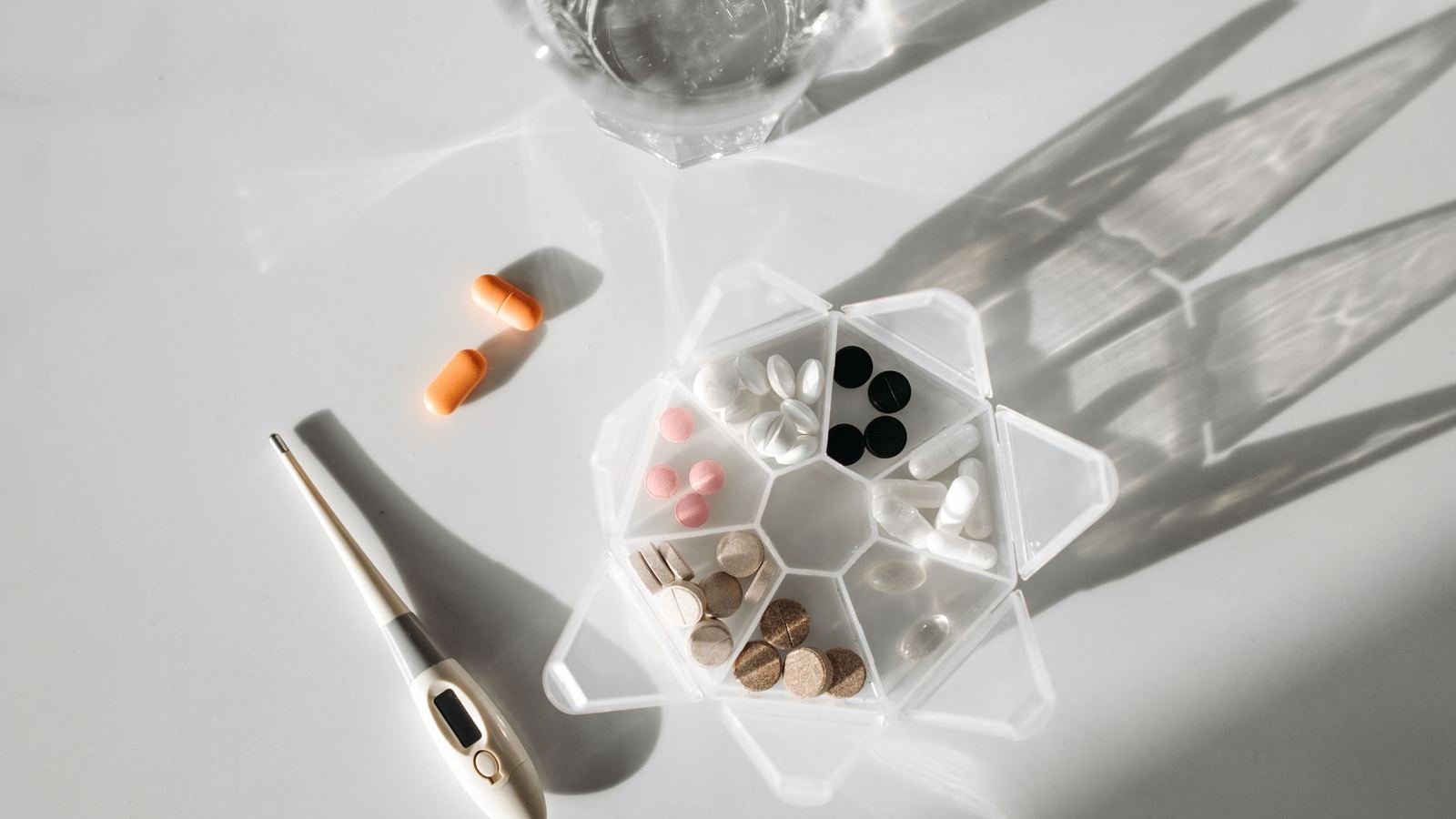
The problem is less about owning a special container and more about preventing everyday mix-ups. Puppy medicines can get separated from their instructions, oral syringes can drift into a treat drawer, and a bottle stored near food can be grabbed during a rushed morning routine. A dependable setup keeps prescribed medications in their original labeled containers, separate from treats and regular puppy supplies. Check each prescription label and follow the dispensing veterinarian’s instructions for temperature, light, or refrigeration requirements, since those needs can differ by medication.
Start with a simple placement rule: choose a high, closed location that is used only for medication storage, such as the top shelf of a hall closet or a lockable cabinet mounted beyond a puppy’s reach. Avoid the bathroom medicine cabinet if humidity is a concern, and do not rely on a countertop, open basket, or low drawer merely because it feels convenient. Security comes from the combination of container, closure, placement, and adult supervision, not from calling any single organizer puppy-proof.
For a small-home setup, a locking, opaque box on a high closet shelf is often a practical choice when you need portability. Put the prescription bottles upright inside, add a wipe-clean zip pouch for the labeled dosing syringe or dropper, and place printed instructions or refill notes in a flat document sleeve under the lid. If your puppy has refrigerated medication, keep the medicine in its original container in the appropriate refrigerator location according to its label, while using the organizer for the related records and dosing tools.
Before choosing between a portable case and a fixed cabinet, check six details: a locking closure, opaque construction, enough room for current supplies without loose clutter, a cleanable interior, a designated paperwork space, and whether the organizer needs to stay put or travel between caregivers. That small checklist helps turn a scattered collection of bottles and notes into one calm, repeatable household station.
Choose a Locking Box, Cabinet, or Portable Case
The best puppy medication storage organizer is the one that keeps prescriptions in their original labeled containers, closes securely, and stays out of reach in a stable location. Start by gathering every current medicine, its written instructions, a dosing syringe or other supplied tool, and your puppy’s prescription records. Choose the smallest organizer that holds these items without crowding them, then place it on a high closet shelf or inside a locked cabinet, not beside treats, food, or everyday puppy supplies.
- Locking box: Choose this for a small number of bottles, blister packs, and papers. An opaque, wipe-clean box with a real latch or lock helps keep contents out of sight and separated from treats. It works best when it aligns with your available space and routine on a high shelf inside a hall closet.
- Locking cabinet: Choose this if several household members need a consistent storage spot or if your puppy has ongoing prescriptions with larger supplies. A fixed cabinet is less likely to be carried away or left open elsewhere, but confirm the cabinet location meets the temperature and light directions on each prescription label.
- Portable case: Choose a handled case only when you regularly travel with your puppy or need to bring records to appointments. Keep it locked or latched at home and return it to its assigned high storage location after each use; portability is convenient, but it also creates more opportunities for the case to be left within reach.
A simple small-home setup might be a locking, opaque case on the top shelf of a hall closet. Put the medicine containers upright inside, keep the pharmacy paperwork in a labeled envelope behind them, and reserve one small washable compartment for the dosing tool supplied with that prescription. Do not decant pills into unmarked bins or mix medication with training treats. Check each label and ask the dispensing veterinarian or pharmacist if you are unsure about refrigeration, light exposure, or other storage requirements, since those directions vary by medication.
Avoid organizers that rely only on a loose lid, clear open-top bins, or a low drawer that children or a determined puppy can access. No container is automatically puppy-proof: security comes from the closure, the placement, and household habits. Adjust to a larger cabinet when the case no longer closes easily, when paperwork becomes crumpled, or when more than one prescription needs separate space. For practical home safety context, the ASPCA notes that dogs may chew accessible household items, making an elevated, secured location a sensible part of the setup.
Pet Health Disclaimer: This content is for informational purposes only and is not veterinary advice. Always consult a licensed veterinarian for diagnosis, treatment, or medication decisions.
Worked Setup: A Small-Hall-Closet Medication Station
The best puppy medication storage organizer for a small home is often a simple locked station in a hall closet: close to the door for appointments and refills, but not sitting out with treats, food, or daily puppy gear. The goal is not a container alone. Security comes from the closure, a high or restricted placement, and consistent household habits.
Before buying anything, check each prescription label and any instructions from the dispensing veterinarian. Storage needs can differ by medication, including whether it should be protected from light, kept at room temperature, or refrigerated. Keep medicines in their original labeled containers unless a veterinarian or pharmacist tells you otherwise.
- Locking document case:
Locking document case, shop optionsSee on Amazon
Choose a rigid, opaque locking document box or portable file case with a lid that fully closes, a key or combination lock, and room for a letter-size folder. This is a practical choice for one or two prescription bottles, a labeled oral syringe, and printed records. Place the locked case on the highest stable closet shelf, well behind linens or seasonal items so it cannot be easily reached when the closet door is open. Its advantage is portability if your puppy stays with family or travels; its tradeoff is that it must be returned to the shelf immediately after use.
- Wall-mounted locking cabinet:
Wall-mounted locking cabinet, shop optionsSee on Amazon
For a household with children, frequent visitors, or several pets, look for a shallow locking steel or solid-wood medicine cabinet designed to mount to a wall or closet sidewall. Select one with an opaque door, enclosed shelves, and an interior that can be wiped clean. Mount it above adult shoulder height using suitable hardware for the wall type. A fixed cabinet creates a dependable home base, though it is less useful if medication needs to travel to daycare, boarding, or appointments.
- Closet-shelf bin system:
Closet-shelf bin system, shop optionsSee on Amazon
Use a locking box inside a larger lidded plastic bin only for non-medication station supplies: a folder of vaccine or appointment paperwork, a spare towel, and a small zip pouch for clean dosing tools. Keep the medication box separate and clearly marked “Puppy Medication, Not Treats.” This two-layer setup prevents the common clutter problem of placing prescription bottles beside training treats or supplement chews. Do not use a snack container, treat jar, or clear food-storage bin for medicine.
- Refrigerator backup zone:
Refrigerator backup zone, shop optionsSee on Amazon
If a prescription label says refrigeration is required, do not move it into the closet station. Instead, assign one high refrigerator shelf or a handled, lidded refrigerator bin for that labeled medication only. Keep the original container upright inside the bin, away from food spills and from items children may grab. Store the related paperwork and clean dosing tool in the locked hall-closet station, with a note stating that the medication itself is refrigerated.
A realistic closet layout can be very small: put the locked case or cabinet at the top, place a single “records” folder directly beside it, and reserve one lower shelf for ordinary puppy supplies such as leashes or poop bags. Keep treats in another room or cabinet whenever possible. That physical separation makes rushed routines safer: the leash can come out for a walk without opening the medication storage at all.
For the cleanest setup, tape a short inventory card inside the locked container lid: prescription name as printed on the label, bottle location, refill contact, and the date the bottle was added. Leave dosing directions on the original pharmacy or veterinary label rather than rewriting them on loose notes. After using a syringe or dropper, wash it only as directed, let it dry fully, and return it to its labeled pouch rather than dropping it into the treat drawer.
If your hall closet is already crowded, a narrow locked cabinet may fit better than alternatives when daily maintenance and space constraints are considered a larger organizer. For broader closet planning, this small-home puppy supply cabinet guide can help you separate everyday gear from the secure medication station.
Simple Weekly Checks for Expiry Dates and Refills
The best puppy medication storage organizer is the one that makes a safe routine easy to repeat. Once a week, take two minutes to open the secured organizer while your puppy is elsewhere and confirm that every item is still clearly labeled, stored as directed, and ready when you need it.
- Check each original container: Read the prescription label for the expiration date and any storage directions. Keep medication in its original labeled bottle unless the dispensing veterinarian or pharmacist has told you otherwise.
- Look ahead before supplies run low: Note whether a bottle is nearly empty or a refill date is approaching. Add a reminder to your calendar early enough to contact the prescribing clinic without a last-minute scramble.
- Reset the dosing area: Return any syringe, measuring tool, or written instruction sheet to its assigned spot. Wipe the organizer’s interior if there is a spill, then make sure it is dry before closing it.
- Remove unrelated items: Take out treats, loose kibble, coins, batteries, and household medications that have wandered in. A medication organizer works best when it holds only puppy prescription items, records, and the tools that belong with them.
- Confirm the secure location: Close and lock the organizer, then return it to its elevated or otherwise restricted-access location. Security depends on the closure, placement, and adult supervision, not on any container alone.
For a small-home setup, this might mean checking a compact case on a high closet shelf every Sunday evening: prescription bottles at the back, dosing tool in a washable interior pocket, appointment paperwork in a separate sleeve, and nothing edible inside. That simple separation helps prevent a rushed morning from turning into a search through treat jars, kitchen drawers, or a puppy gear tote.
When choosing among organizer options, prioritize a locking closure, opaque and cleanable construction, enough room for current paperwork, and a size that does not invite clutter. A portable option can be useful for travel or appointments, while a fixed location may be easier for household consistency. In either case, follow the storage directions on each prescription label, including any temperature or light requirements.
This week, gather your puppy’s prescriptions, records, and dosing tools, place them together in the secured organizer you selected, and set one recurring weekly reminder to check it.
What you’ll actually use
These are the pieces this setup actually uses. If one does not earn a place in your home, leave it off the list.
- Chew Toys: Keep this where best puppy medication storage organizer actually happens, and skip it if you already have a version that works.
- Food Mat: Keep this where best puppy medication storage organizer actually happens, and skip it if you already have a version that works.
- Toys And Chews: Keep this where best puppy medication storage organizer actually happens, and skip it if you already have a version that works.
FAQ
What should I know about choose a locking box, cabinet, or portable case?
The best puppy medication storage organizer is the one that keeps prescriptions in their original labeled containers, closes securely, and stays out of reach in a stable location. Start by gathering every current medicine, its written instructions, a dosing syringe or other supplied tool, and your puppy’s prescription records.
What should I know about worked setup: a small-hall-closet medication station?
The best puppy medication storage organizer for a small home is often a simple locked station in a hall closet: close to the door for appointments and refills, but not sitting out with treats, food, or daily puppy gear. The goal is not a container alone.
What should I know about simple weekly checks for expiry dates and refills?
The best puppy medication storage organizer is the one that makes a safe routine easy to repeat. Once a week, take two minutes to open the secured organizer while your puppy is elsewhere and confirm that every item is still clearly labeled, stored as directed, and ready when you need it.