
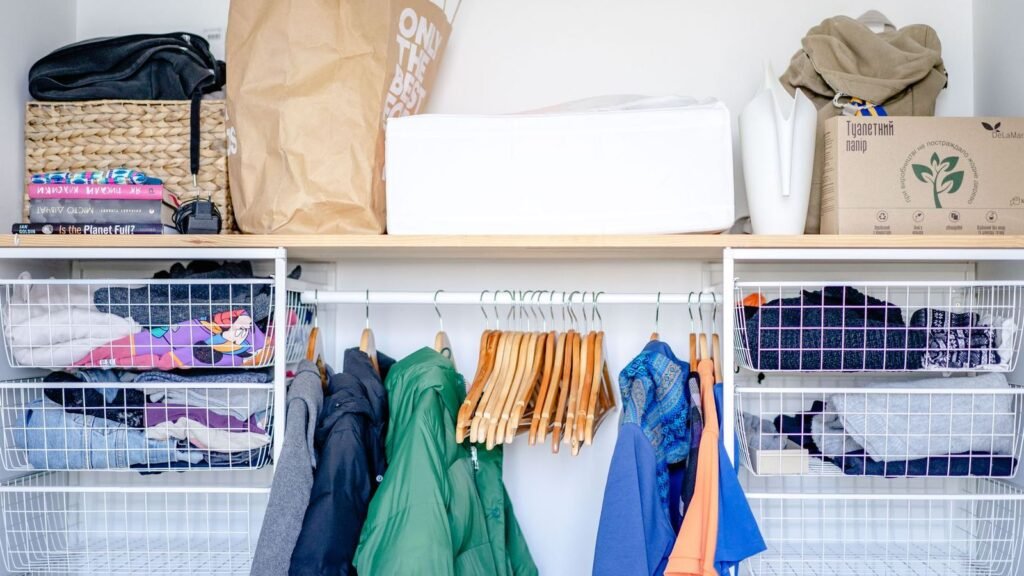
The best puppy supply storage for entryway closets makes the trip from couch to front door feel less like a scavenger hunt. Picture a weekday morning: your puppy is ready to go, but the leash is under a raincoat, waste bags have slipped into a shoe, and the towel from yesterday’s wet walk is mixed with clean scarves. A workable closet setup gives each daily item one visible home near the door, while keeping household coats, shoes, and puppy gear from becoming one crowded pile.
What to Look For in best puppy supply storage for entryway closets
Use decision criteria tied to best puppy supply storage for entryway closets: space, upkeep, how it fits your routine, and everyday usability.
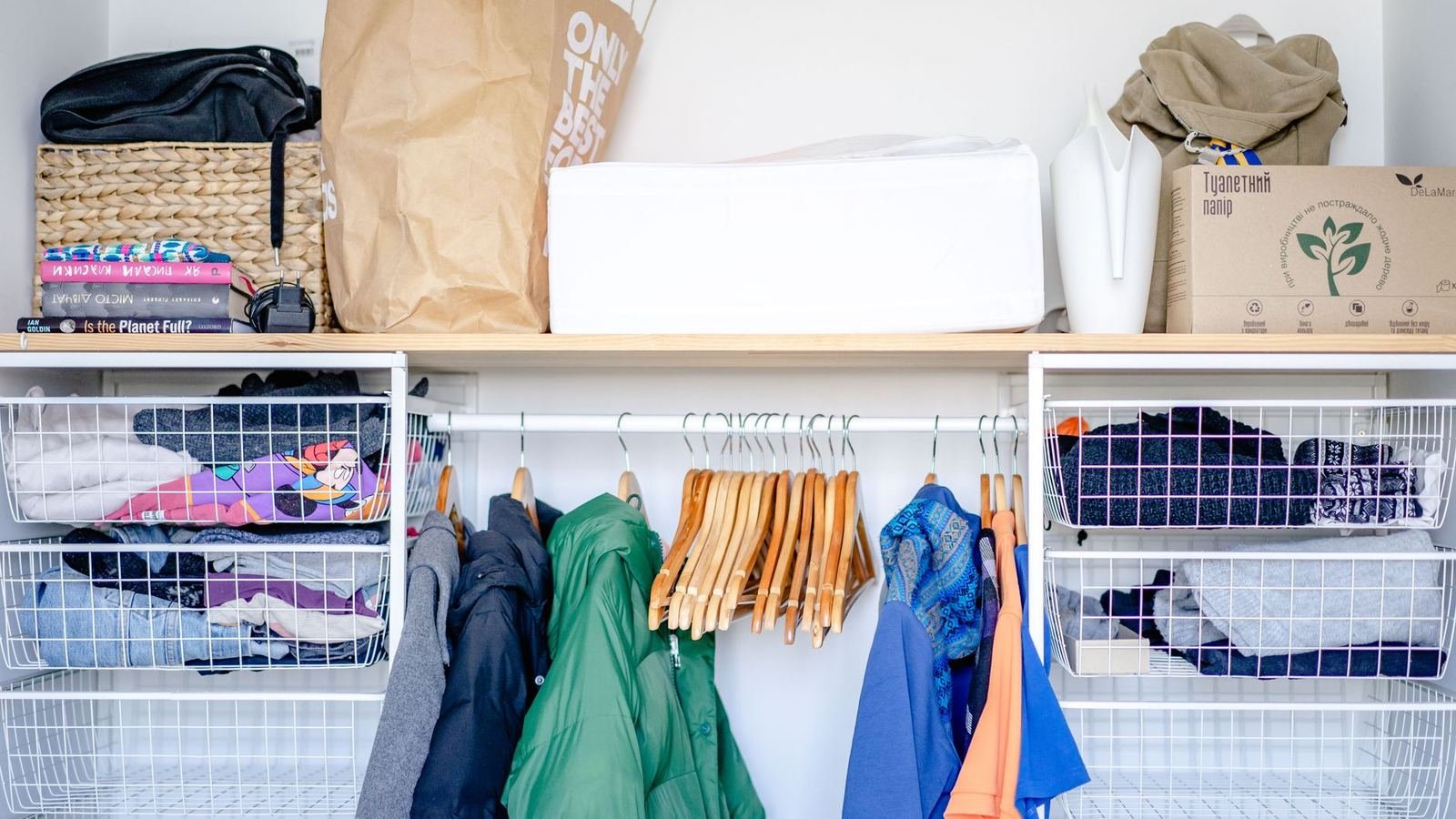
The challenge is not fitting every puppy item into the closet. It is choosing what truly belongs in the transition zone: walking gear, pickup bags, a drying towel, paw wipes, and perhaps a small clean-up kit for outdoor messes. Bulky backups, unopened supplies, food, medication, cleaning chemicals, and anything a puppy should not reach belong elsewhere or on a high, secure shelf. This is household organization guidance, not a claim that any container is automatically safe from a determined puppy.
Start with one immediate reset: clear a single shelf or the upper half of one closet wall, then give it the “walk zone” only. Hang the leash and harness on separate hooks, place refill rolls of waste bags in a small labeled bin, and keep a washable towel in its own basket or hook. Separating the harness from the leash prevents tangled straps, while giving wet gear an open place to air out keeps it away from clean coats and shoes.
For a narrow coat closet, think vertically instead of adding more floor clutter. Coats can remain on the main rod; puppy gear works best below the coats but above puppy height, or on the inside of the door if the door still closes freely. Shoes stay on the floor in one defined row or tray, rather than spreading beneath the hanging gear. A lidded container on a higher shelf can hold small loose items that otherwise vanish, such as a spare collar, flashlight, or folded rain cover.
A reliable setup also separates clean, dry supplies from the messy return-home items. Keep the towel, paw-wipe container, and any used outdoor gear in one easy-to-clean area near the closet opening, rather than setting them beside fresh bag rolls or seasonal accessories. The goal is simple: open the closet, grab what the walk requires in seconds, and put it back without sorting through coats, shoes, or puppy-chewable clutter.
Choose Shelves, Bins, or Door Storage
For the best puppy supply storage for entryway closets, start by giving each type of item one vertical zone: clean walking gear at hand height, small loose items in a contained bin, and wet or dirty gear near the floor. Empty one shelf or a narrow strip of hanging space first; do not try to reorganize the entire closet before creating the puppy zone. The goal is a repeatable route from closet to door, not a picture-perfect closet.
Keep coats and puppy supplies separate by assigning one side of the closet to people and the other to the puppy. Avoid placing treats, food, medication, cleaning products, or other potentially unsafe household items in low open containers. This is household organization guidance: those items need secure, out-of-reach placement. Puppies may chew objects left accessible, so loose straps, waste-bag rolls, and towels should not remain on the closet floor when your puppy can enter the space. The ASPCA offers additional guidance on managing destructive chewing behavior.
- Shelf bins: Use a shallow bin on a middle shelf for harnesses, leash, collar, poop bags, and a small towel. This works best when the closet has shelves and you want items visible without becoming mixed with gloves, scarves, or shoe-care supplies. Choose one bin for “walk now” items rather than several tiny containers that slow you down.
- Over-the-door organizer: Use door pockets for light, dry items such as spare waste bags, a lint roller, reflective accessories, or paperwork. It is useful in a narrow closet with limited shelving, but avoid overfilling pockets with heavy gear that makes the door awkward to close. Keep chewable items in upper pockets if the puppy can reach the door.
- Lidded containers: Use a lidded container on a high shelf for backup supplies, such as extra bag rolls or seasonal walking accessories. A lid keeps small items from spilling into coats and shoes, but it is less convenient for the gear needed on every outing. Do not rely on a lid alone as a safety measure; place potentially unsafe supplies securely and out of reach.
In a narrow coat closet, a workable layout is simple: hang family coats on the left, reserve two hooks on the right for the current leash and harness, and place one labeled shelf bin directly above the hooks. Put a washable mat or tray on the floor under the puppy side for damp shoes and a used raincoat, rather than setting wet gear beside clean supplies. A high lidded container can hold restocks, while the lowest area stays clear or holds only items that are safe for the puppy to encounter.
Adjust the setup when the routine reveals a bottleneck. If you keep dropping the leash on a shelf, add a dedicated hook. If wet gear is making the bin damp, separate “just used” items from clean gear with a floor tray or a removable washable bag. If coats drift into the puppy area, reduce the puppy zone to the few items used daily and move backups higher. A closet system is working when every walk item can be returned in seconds without digging through shoes or moving someone’s coat.
Keep Muddy Gear Away From Clean Supplies
The best puppy supply storage for entryway closets separates the things that come back from a walk from the things you want ready for the next one. A wet leash dropped beside clean waste-bag rolls, a muddy towel tossed over winter boots, or a treat pouch left within puppy reach can turn a useful closet into another cleanup job. Set up the closet so each item follows a simple path: return from walk, contain damp or dirty gear, restock clean essentials, then close the door.
- Create a “just returned” drop zone: Reserve one washable tray, shallow bin, or lower shelf liner directly inside the closet for items that have been outdoors: leash, harness, rain jacket, paw towel, and used treat pouch. Put it close enough to reach before anyone walks farther into the home. After a rainy afternoon walk, the harness goes into this zone first instead of over a clean coat hook. Order: unclasp the gear, shake off loose debris outdoors if possible, then place it in the drop zone. Timing: empty or wipe the tray after wet walks and check it at the end of each day. Pitfall: do not use the same open bin for muddy gear and clean backup supplies; the bin quickly becomes a mixed pile that is unpleasant to sort before a walk.
- Give damp items a drying space before storage: Hang a removable hook or small rack above the dirty-gear zone, with enough space around it for airflow. A leash or raincoat that is still damp should hang there rather than being sealed in a lidded container or pressed between family coats. In a narrow closet, hang one item at a time and move it to its clean location only after it is dry. Order: use the hook first, then return dry gear to the walk station. Timing: check the drying hook the next morning, especially after evening walks. Pitfall: avoid hanging wet puppy gear on the same hook as a work coat or school backpack, where dirt and moisture can transfer.
- Keep clean walk supplies above the mess line: Place clean waste-bag rolls, reflective accessories, spare collar hardware, and a clean towel in a labeled bin on a middle or upper shelf. This makes the difference between “ready to grab” and “needs washing first” obvious at a glance. For a closet shared with shoes, keep this clean bin above the shoe shelf rather than beside it. Order: restock clean supplies after dirty gear has been contained, not while wet items are still spread across the entryway. Timing: refill waste bags once a week or whenever the last backup roll is opened. Pitfall: small loose items disappear when dropped into a large unlabeled basket with gloves, keys, and shoe-care supplies.
- Choose containers by access and chew risk: Shelf bins work well for clean, lightweight supplies on a high shelf because they are easy to lift down and see into. An over-the-door organizer can hold adult-only grab items, such as a flashlight or spare bags, when the closet door closes securely and pockets cannot be reached by the puppy. Lidded containers are better for messy cloths or backup supplies that should stay contained. Tradeoff: open bins are fastest during a rushed walk, while lidded containers reduce visual clutter but add a step. Pitfall: no ordinary container should be treated as universally puppy-proof. Keep food, medication, cleaning products, and other potentially unsafe household items securely placed out of reach according to their labels; this is household organization guidance, not a safety guarantee.
- Make a two-minute post-walk reset routine: Before removing shoes or answering messages, return the puppy gear to its assigned spot. In a busy household, one adult can handle the puppy while the other puts the leash on the drying hook, replaces the towel in the laundry basket, and checks whether the waste-bag dispenser needs a refill. If you come home alone with an excited puppy, secure the puppy in an appropriate supervised area first, then complete the reset before settling in. The ASPCA notes that chewing can be a common behavior concern, so leaving straps, cloth items, and loose supplies on the floor can create an avoidable temptation.
- Use a visible “laundry next” signal: Keep one small, clearly marked basket or bag for used paw towels and washable gear. When the basket is full, move it with the regular laundry rather than letting damp towels accumulate on the closet floor. In a small coat closet, a hanging laundry bag on the inside wall can save shelf space. Order: dirty towel to laundry bag, clean replacement towel back into the upper clean-supplies bin. Timing: replace the towel after a muddy outing and wash the load before the clean reserve is gone. Pitfall: do not leave a laundry bag open at puppy height if your puppy can pull out and chew fabric.
For a narrow closet shared by coats, shoes, and puppy gear, picture the layout from bottom to top: shoes on the floor or lowest rack; a washable muddy-gear tray just above or beside them; one drying hook on the side wall; clean puppy supplies in a labeled middle-shelf bin; and household items that must stay secure on the highest shelf. This arrangement keeps the transition from outdoors to indoors contained without asking you to reorganize the entire closet after every walk.
Worked Example: A Small Coat Closet Layout
For the best puppy supply storage for entryway closets, think of a narrow coat closet as three separate zones rather than one shared pile: people’s outerwear above, walking supplies at adult hand height, and shoes or drying items at the bottom. The goal is not to fit every puppy belonging by the door. It is to keep the items needed for the next walk and a quick cleanup easy to locate without making coats, shoes, and puppy gear compete for the same spot.
Picture a 24-inch-wide hall closet with a hanging rod, one shelf above it, and a small patch of floor. Keep family coats on one side of the rod. On the other side, reserve two sturdy hooks for the puppy’s current leash and harness, with a washable mat or shallow tray directly below for drips after a wet walk. Place a small handled bin on the upper shelf for waste-bag refills, a flashlight, and a spare roll of paper towels. Items that could be chewed, spilled, or should not be available to a puppy belong in a secured, out-of-reach location; this is household organization guidance, not a substitute for supervising your puppy.
- Shelf bin: Best when the closet has usable upper shelving and an adult can reach it easily. It contains small walk supplies, but it is inconvenient for items needed during every departure.
- Over-the-door organizer: Useful in a narrow closet with little shelf space. Use higher pockets for light, non-chewable walking extras, but avoid overloading the door or placing tempting items where a puppy can reach them.
- Lidded container: Helpful for keeping messy cleanup supplies separate from clean gear. It takes more space and adds one extra step, so reserve it for backup supplies rather than the leash you grab daily.
Several common setup mistakes make a closet feel disorganized again within a few days. Each has a simple correction.
- One mixed “puppy basket”: Tossing the harness, wipes, treats, bags, and rain towel into one open container seems quick, but the leash ends up under loose items and damp gear touches clean supplies. Split the contents by job: hang the active walking gear, contain small refill items, and give wet returns their own tray or washable bag.
- Using the floor as overflow storage: A floor pile gets blocked by boots, knocked over by coats, and may be reachable to a curious puppy. Keep only shoes and a designated drying tray on the floor. Move puppy supplies upward onto hooks, shelves, or door pockets that an adult can access without bending through clutter.
- Storing every backup by the front door: Extra rolls, duplicate collars, seasonal coats, and bulk supplies can crowd out the items used today. Keep one active set in the closet and relocate overflow to a higher household storage area. Refill the entryway bin when it is low instead of maintaining several half-used packages.
- Leaving chewable or messy items in open low containers: An open basket may be convenient, but it does not separate a puppy from items they can pull out or scatter. The ASPCA notes that destructive chewing is a common dog behavior concern, so reduce temptation by keeping chewable gear and household supplies out of low, open storage. Use a higher shelf or a secured container for anything that should not be freely available.
- Giving coats and puppy gear the same hook: A leash hidden behind a parka is easy to miss when you are heading out quickly. Assign one visible hook only to the active leash and harness, and keep coats on their own section of the rod. If space is tight, remove off-season outerwear from the closet first.
A quick weekly reset keeps this layout reliable: hang up dry gear, empty the drip tray, return stray supplies to their assigned container, and check that the walk hook is ready. That small routine prevents the closet from becoming another place to search when your puppy is waiting at the door.
Simple Rules That Keep the Closet Organized
The best puppy supply storage for entryway closets is not a complicated system. It is a small routine that keeps walking gear ready, keeps coats and shoes from swallowing puppy items, and puts tempting or messy supplies where your puppy cannot casually reach them.
Try this simple reset for one week. After every walk, return only the gear used that day to its assigned spot: hang the leash and harness, place used waste-bag rolls back in their bin, and move damp items to the drying area rather than onto a shelf with clean supplies. Before bed, take 30 seconds to check that tomorrow’s essentials are together. This prevents the familiar last-minute search through shoe piles, coat pockets, and the bottom of the closet.
- One item, one home: Keep the leash on the same hook, waste bags in the same small container, and towel in the same washable spot. If an item has no assigned place, it will usually end up mixed with household gear.
- Reset before closing the door: Put away one loose item each time you enter. A harness on the floor or a partly used roll of bags on a shoe shelf is easier to fix immediately than after several busy days.
- Keep the floor for shoes: Reserve higher hooks, shelves, and door space for puppy supplies. This gives human shoes a clear boundary and reduces the chance that a leash disappears underneath them.
- Use secure placement for risky supplies: Household organization guidance: food, medication, cleaning products, and other potentially unsafe items should not sit in low, open containers. Keep them secured and out of your puppy’s reach, following each product’s storage instructions.
- Empty the “mystery” bin weekly: Check the small-items bin for duplicate bag rolls, broken clips, old receipts, and damp wipes. Keeping only useful items makes the grab-and-go zone faster to use.
A crowded entryway closet can still work when it has clear boundaries: people’s coats stay with coats, shoes stay low, clean puppy gear stays visible, and wet or chewable items do not drift into the same space. The goal is not a picture-perfect closet. It is being able to clip on the leash, grab what you need, and get out the door without turning every walk into a search.
Next step: Tonight, choose one hook, one small bin, and one drying spot in the closet, then assign your leash, waste bags, and used towel to those three places.
FAQ
What to Look For in best puppy supply storage for entryway closets?
Use decision criteria tied to best puppy supply storage for entryway closets: space, upkeep, how it fits your routine, and everyday usability. Photo by Atlantic Ambience on Pexels The challenge is not fitting every puppy item into the closet.
What should I know about choose shelves, bins, or door storage?
For the best puppy supply storage for entryway closets, start by giving each type of item one vertical zone: clean walking gear at hand height, small loose items in a contained bin, and wet or dirty gear near the floor. Empty one shelf or a narrow strip of hanging space first; do not try to reorganize the entire closet before creating the puppy zone.
What should I know about keep muddy gear away from clean supplies?
The best puppy supply storage for entryway closets separates the things that come back from a walk from the things you want ready for the next one. A wet leash dropped beside clean waste-bag rolls, a muddy towel tossed over winter boots, or a treat pouch left within puppy reach can turn a useful closet into another cleanup job.