
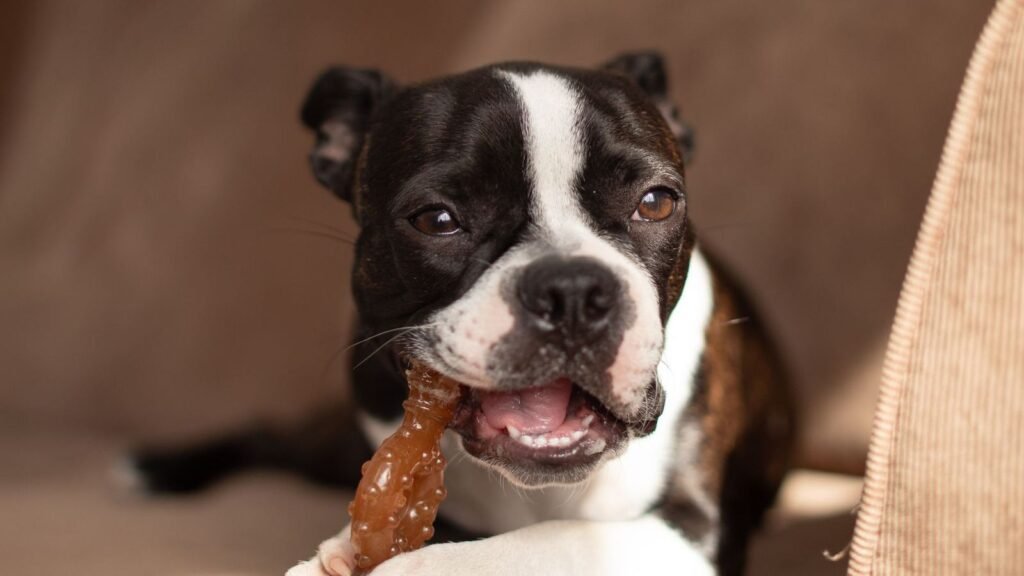
Imagine this: You come home after a long day, and your new puppy has turned the living room into a sea of scattered toys. It seems like no matter how many times you tidy up, the chaos returns. Finding budget-friendly puppy toy organization methods is not just about aesthetics; it’s essential for creating a stress-free environment for both you and your puppy. New puppy owners often face the challenge of needing effective and affordable strategies to organize toys, which can quickly clutter up living spaces and make playtime less enjoyable.

To tackle this problem head-on, begin with a simple yet practical step: categorize your puppy’s toys. Sorting them into groups—such as chew toys, fetch toys, and interactive puzzles—can help you quickly assess what you have and decide what storage solutions you might need. This initial step not only makes the task less overwhelming but also ensures that playtime is varied and engaging for your puppy.
One immediate, cost-effective solution is to repurpose items you already have at home. For example, an old shoe organizer can be a fantastic option for storing smaller toys. Simply hang it over a door, and each pocket can hold a different type of toy. This approach keeps toys off the floor and makes them easily accessible, which is key to maintaining an organized space.
By taking these initial steps, you lay the foundation for a more organized and enjoyable living space for both you and your puppy. Not only does this approach help reduce clutter, but it also enhances playtime by making it easy to rotate toys and keep your puppy engaged. Embracing practical and budget-friendly methods can transform your home into a harmonious environment where your puppy can thrive.
Choosing the Right Storage Solutions
Organizing your puppy’s toys doesn’t have to be expensive or complicated. Start by evaluating the current toy collection. Sort them into categories based on function, such as chew toys, plush toys, and interactive puzzles. This helps you understand what storage solutions will work best for each category. For instance, plush toys can be stored in a fabric bin, while chew toys might be better in a small basket for easy access.
Consider using items you already have at home to create effective storage solutions. A simple, budget-friendly way to store toys is to repurpose old boxes or baskets. Line them with a soft cloth to prevent damage and make it easy for your puppy to see and choose toys. If you have an unused bookshelf, it can be a great place to store toys on lower shelves, giving your puppy easy access while keeping clutter off the floor.
Avoid using storage solutions that are difficult for your puppy to reach. Accessibility is key to ensuring your puppy can enjoy playtime independently, which also helps maintain organization. For example, heavy lids or high shelves could deter your puppy from playing with their toys, leading to abandoned toys and more mess.
Adjust your storage solutions as your puppy grows and their toy preferences change. Keep an eye on what toys are frequently used and which ones aren’t. This allows you to rotate toys, keeping playtime exciting and reducing clutter. Regularly assess and donate or recycle toys that are no longer used, ensuring your storage solutions remain practical and efficient.
For a personalized touch, consider labeling storage bins with pictures or names of the toy types inside. This not only adds an organized look but also helps everyone in the household know where each toy belongs after playtime. By choosing the right storage solutions, you can create a tidy and inviting environment for both you and your puppy.
Creating Play Zones for Easy Access
Setting up play zones in your home can be a game-changer for keeping your puppy’s toys organized and easily accessible. By following structured steps, you can create designated areas that not only store toys but also enhance playtime. Here’s a practical guide to creating play zones using budget-friendly puppy toy organization methods:
- Identify High-Traffic Areas: Begin by observing where your puppy naturally gravitates for play. This could be the living room or a cozy corner in the kitchen. Selecting these areas ensures your puppy has quick access to their toys, encouraging independent play. Done: You’ve identified one or two areas where your puppy frequently plays. Pitfall: Avoid selecting areas with heavy foot traffic as they can lead to tripping hazards.
- Use Existing Furniture: Consider utilizing the space under coffee tables or beside couches for toy storage. These spots often go underutilized and can be perfect for low-profile storage bins or baskets. This approach keeps toys within arm’s reach while maintaining a tidy appearance. Done: You’ve placed a storage solution that doesn’t disrupt the room’s flow. Pitfall: Ensure the storage container isn’t too large for the space, as it might become an obstacle.
- Divide Toys by Type: Categorize toys into groups like chew toys, fetch toys, and comfort toys. Segmentation helps in rotating toys to keep your puppy engaged and prevents overstimulation by offering too many options at once. Done: Each category of toy has its own designated spot or container. Pitfall: Avoid mixing different types of toys, as it can lead to faster wear and tear.
- Create Rotational Toy Sets: To keep things fresh and exciting, divide toys into two or three rotational sets. Every week or so, swap out the toys in the play zone. This not only reduces clutter but also makes old toys feel new again. Done: You have a schedule for rotating toys, ensuring variety. Pitfall: Forgetting to rotate can lead to boredom and disinterest in play.
- Incorporate DIY Storage Solutions: For a cost-effective approach, use items like old crates or repurposed shoe racks. These can be painted or decorated to blend with your home’s aesthetic while providing ample storage. Done: You’ve crafted a personalized storage solution that suits your space and style. Pitfall: Ensure any DIY solution is sturdy and safe for puppy interactions.
- Engage with Visual Cues: Use bright-colored bins or attach labels to storage containers. This not only helps you quickly identify toys but can also teach your puppy to recognize their play area. Done: The play zone is visually appealing and functional. Pitfall: Avoid overly complex systems that can confuse rather than clarify.
- Maintain the Zone Regularly: Once your play zone is established, set aside time weekly to tidy up and evaluate the toy selection. Removing broken or unused toys keeps the area fresh and safe. Done: The play zone remains organized and inviting. Pitfall: Neglecting regular maintenance can lead to clutter and decreased playtime enjoyment.
By implementing these steps, you can create effective play zones that keep your puppy’s toys organized and easily accessible, enhancing their playtime and reducing clutter in your home. Remember, the key is to keep it simple and consistent for both you and your puppy’s enjoyment.
Common mistakes to avoid
Organizing your puppy’s toys can be a fun and rewarding task, but there are some common pitfalls that new puppy owners often encounter. Avoiding these mistakes can make your organization efforts more effective and budget-friendly.
- Not Assessing Your Needs: Many new puppy owners rush to purchase storage solutions without first evaluating their actual needs. This can lead to buying unnecessary items that don’t quite fit the space or the toys you have. Instead, take stock of your puppy’s current toy collection and identify how much storage space you truly need. Group toys by type and frequency of use to determine what kind of storage will be most practical.
- Overcomplicating the Storage System: Another mistake is creating a complex organization system that becomes difficult to maintain. While it might be tempting to have a different container for each toy type, this can quickly become overwhelming. A simpler system, such as using one or two large baskets where toys can be easily tossed, is often more sustainable in the long run. Use labels or color-coding only if it genuinely helps you and your puppy.
- Ignoring Accessibility: Storage solutions that are not easily accessible for both you and your puppy can hinder playtime and organization. If toys are stored in hard-to-reach places, you may find yourself reluctant to tidy up or your puppy may struggle to access them. Opt for low, open containers or shelves that allow easy access. This not only keeps toys organized but also encourages your puppy to engage with them independently.
- Neglecting Regular Rotation: Failing to rotate toys regularly can lead to boredom and clutter. Toys left out for too long may become uninteresting to your puppy, while a cluttered space can feel chaotic. Rotate toys weekly or bi-weekly to keep your puppy engaged and reduce the number of toys cluttering up the space at any one time. This can also extend the lifespan of toys by reducing wear and tear.
- Not Considering Multi-use Items: Investing in multi-purpose storage solutions can be more cost-effective and space-saving. Overlooking these options can lead to unnecessary expenses and space usage. Look for storage that doubles as seating or tables, or consider DIY options like repurposing old furniture. This approach maximizes utility and keeps costs down, aligning well with budget-friendly goals.
Avoiding these common mistakes can streamline your approach to organizing puppy toys, making playtime more enjoyable and maintaining a clutter-free environment. By focusing on practical, accessible, and simple solutions, you’ll be well on your way to an organized and happy home.
Maintaining Organization Over Time
To keep your puppy’s toy collection organized, try implementing a simple routine this week. Start by dedicating a few minutes each day to tidying up your puppy’s play area. Begin by sorting the toys into categories, such as chew toys, plushies, and interactive games. This helps you to quickly identify where each toy belongs and makes cleaning up a breeze.
New puppy owners often face the challenge of maintaining a clutter-free home while ensuring their pets have access to their favorite toys. It might feel overwhelming at first, but establishing an organizational routine can make a significant difference. Consider using budget-friendly storage solutions, such as repurposed baskets or DIY shelves, to keep your puppy’s toys neatly arranged and within easy reach.
For a more permanent solution, set up designated play zones in your home. Each zone should have specific toys and be easily accessible for your puppy. This not only helps in keeping the toys organized but also encourages positive playtime habits. Remember to rotate the toys every week to keep your puppy engaged and prevent boredom.
As a calm next step, plan a specific day this week to assess your current storage solutions. Evaluate what is working and what might need adjustment. By making small, consistent efforts, you can create a harmonious environment where your puppy’s toys are both organized and readily available, enhancing both your pet’s playtime and your peace of mind.
What you’ll actually use
These are the pieces this setup actually uses. If one does not earn a place in your home, leave it off the list.
- Chew Toys: Keep this where budget-friendly puppy toy organization methods actually happens, and skip it if you already have a version that works.
- Toys And Chews: Keep this where budget-friendly puppy toy organization methods actually happens, and skip it if you already have a version that works.
- First Aid Kit: Keep this where budget-friendly puppy toy organization methods actually happens, and skip it if you already have a version that works.
FAQ
What should I know about choosing the right storage solutions?
Organizing your puppy's toys doesn't have to be expensive or complicated. Start by evaluating the current toy collection.
What should I know about creating play zones for easy access?
Setting up play zones in your home can be a game-changer for keeping your puppy's toys organized and easily accessible. By following structured steps, you can create designated areas that not only store toys but also enhance playtime.
What should I know about common mistakes to avoid?
Organizing your puppy's toys can be a fun and rewarding task, but there are some common pitfalls that new puppy owners often encounter. Avoiding these mistakes can make your organization efforts more effective and budget-friendly.