
Care Tips for 8-12 Weeks Old Puppies
Nutrition and Feeding: Building a Healthy Foundation
At 8-12 weeks, puppies need a balanced diet tailored to support rapid growth and development. Choose a high-quality puppy food that lists meat as the primary ingredient and is formulated specifically for puppies. Avoid adult dog foods as they do not provide the necessary nutrients your little one requires at this stage.
Feed your puppy three to four small meals daily to help maintain energy levels and support digestion. Consistency is key—try to feed at the same times each day to help establish a routine. Always provide fresh, clean water, accessible throughout the day.
Consult your veterinarian about the best brand and feeding amount based on your puppy’s breed, size, and activity level. Additionally, avoid feeding table scraps or human food, as many common foods are unsafe for puppies and can disrupt their digestion.
Health and Vet Care: Keeping Your Puppy Safe and Sound
Between 8 and 12 weeks, puppies typically undergo several vital vaccinations and health checks. Schedule a visit with your vet to stay on top of their vaccine schedule, parasite prevention, and overall wellness exams. This will protect your puppy from serious illnesses and monitor their growth and development.
Watch for any signs of illness such as lethargy, diarrhea, vomiting, or loss of appetite and contact your vet promptly if these occur. It’s also a good time to discuss spaying or neutering options and the appropriate timing for these procedures.
Regular grooming sessions, including brushing teeth, trimming nails, and cleaning ears, are good habits to start early. This keeps your puppy comfortable and helps you spot potential health issues before they escalate.
Training and Socialization: Developing a Confident Companion
The 8-12 week period is a golden window for socialization and basic training. Begin introducing your puppy to new sights, sounds, environments, and gentle interactions with other vaccinated dogs and friendly people. Positive experiences now will reduce fearfulness later in life.
Basic commands like “sit,” “stay,” “come,” and “leave it” can be introduced with short, consistent sessions using positive reinforcement techniques such as treats and praise. Keep training fun and upbeat—puppies respond best to patience and encouragement rather than harsh corrections.
Incorporate crate training and housebreaking routines gradually. Offer praise and rewards when your puppy goes in the correct spot. Remember, accidents will happen, so maintain patience and consistency to build trust and understanding.
Safe Environment and Supplies: Preparing Your Home
Puppies at this age are curious and prone to chewing everything in sight. Puppy-proof your home by removing small objects, toxic plants, chemicals, and anything electrical out of reach. Provide plenty of safe chew toys and interactive puzzles to redirect their energy.
Invest in quality supplies like a comfortable crate, soft bedding, appropriate collars and leashes, and food and water dishes. A secure playpen or gated area can keep your puppy safe when unsupervised and help manage their environment.
Consistent schedules for feeding, potty breaks, playtime, and rest will help your puppy feel safe and balanced. Puppies need plenty of naps to recharge, so ensure their space allows for quiet and uninterrupted sleep.
For more comprehensive guidance on starting your puppy’s life off right, be sure to explore our Start Here pillar page, packed with expert advice and resources.
Conclusion
The 8-12 week stage is a dynamic and critical time in your puppy’s life, packed with opportunities for growth, learning, and bonding. By providing proper nutrition, timely health care, positive socialization, and a safe environment, you’re setting the stage for a happy, healthy canine companion. Remember to enjoy this special period—it’s the foundation of a lifelong friendship full of love and loyalty.
FAQ
How often should I feed my 8-12 weeks old puppy?
Feed your puppy three to four small meals each day to support their energy needs and digestive health. Consistency with meal times helps establish a reliable routine.
When should I begin training my puppy?
Start basic training and socialization as early as 8 weeks old. Short, positive sessions focused on simple commands and gentle interactions work best during this critical socialization window.
How do I know if my puppy is getting enough sleep?
Puppies need plenty of rest, typically 18-20 hours per day. If your puppy seems irritable or overly tired, it might indicate a need for a quieter or more comfortable space to nap.
What vaccinations does my puppy need between 8-12 weeks?
Your veterinarian typically administers core vaccines during this period, including distemper, parvovirus, and others. Follow your vet’s schedule carefully to ensure full protection.
Now retrieving an image set.
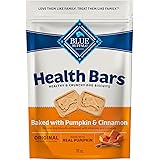
Blue Buffalo Health Bars Crunchy Dog Biscuits, Oven-Baked with Natural Ingredients, Pumpkin & Cinnamon, 16-oz Bag
$4.98 (as of April 7, 2026 21:37 GMT -05:00 - More infoProduct prices and availability are accurate as of the date/time indicated and are subject to change. Any price and availability information displayed on [relevant Amazon Site(s), as applicable] at the time of purchase will apply to the purchase of this product.)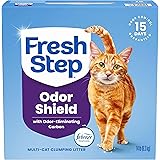
Now retrieving an image set.
Fresh Step Clumping Cat Litter, Multi-Cat, Long Lasting Odor Control Kitty Litter with Activated Charcoal, Low Dust Formula, 14 lb
$9.54 (as of April 7, 2026 21:37 GMT -05:00 - More infoProduct prices and availability are accurate as of the date/time indicated and are subject to change. Any price and availability information displayed on [relevant Amazon Site(s), as applicable] at the time of purchase will apply to the purchase of this product.)
Now retrieving an image set.
Dr. Elsey's Ultra UnScented Clumping Clay Cat Litter 40 lb. Bag
$20.99 (as of April 7, 2026 21:37 GMT -05:00 - More infoProduct prices and availability are accurate as of the date/time indicated and are subject to change. Any price and availability information displayed on [relevant Amazon Site(s), as applicable] at the time of purchase will apply to the purchase of this product.)
Now retrieving an image set.
INABA Churu Cat Treats, Grain-Free, Lickable, Squeezable Creamy Purée Cat Treat/Topper with Vitamin E & Taurine, 0.5 Ounces Each Tube, 50 Tubes, Tuna & Chicken Variety
$32.99 (as of April 7, 2026 21:37 GMT -05:00 - More infoProduct prices and availability are accurate as of the date/time indicated and are subject to change. Any price and availability information displayed on [relevant Amazon Site(s), as applicable] at the time of purchase will apply to the purchase of this product.)
Now retrieving an image set.