
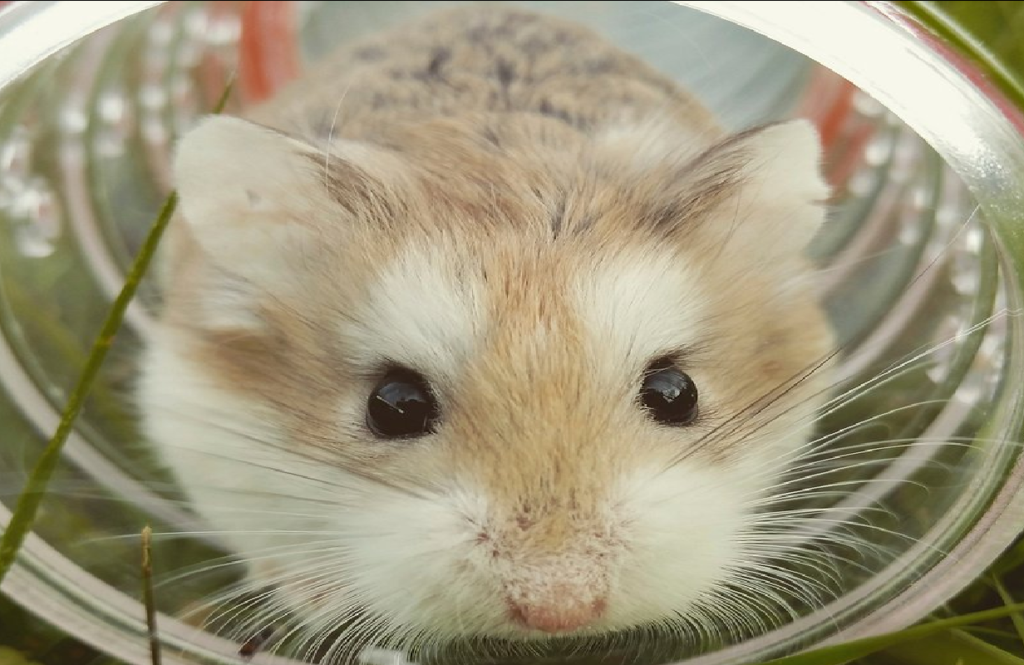

They placed a hamster wheel in the wild to see whether mice would use it as they do in captivity. Not only did the wild mice play with the wheel, but frogs, rats, shrews, and even slugs also interacted with it—suggesting that running on wheels might fulfill an innate desire to play rather than being just a captive behavior.
For decades, many biologists assumed that captive mice ran on wheels simply because they were bored, stressed, or “crazed” by their cramped cages. But Johanna Meijer and Yuri Robbers from Leiden University suspected there was more to the story. They took the wheels out of the lab and into the wild to see if free-roaming animals would ignore them—or hop on for a spin.
“If wheel running is indeed caused by captive housing, wild mice are not expected to use a running wheel in nature. This, however, to our knowledge, has never been tested. Here, we show that when running wheels are placed in nature, they are frequently used by wild mice,” the researchers explained in the study.
To investigate, the scientists set up a running wheel in a backyard and installed an infrared camera to film how animals would respond. The wheel was enclosed within a small structure with an entrance designed to allow small animals inside while keeping them safe from larger predators. To attract wildlife, they initially placed food near the wheel, but they later removed it to see if animals would still use it.
The results were fascinating: all sorts of animals started interacting with the wheel. While mice were the most enthusiastic users, shrews, rats, and frogs also engaged with it. Frogs would occasionally trigger the wheel by jumping, and slugs seemed more interested in exploring the surface rather than running—but the other animals, especially the mice, actively used it for prolonged periods.