
Fixing puppy supply storage in small homes usually starts with a familiar scene: the leash is on a chair, treats are on the kitchen counter, wipes have migrated to the coffee table, and a bag of food is competing with household groceries. In an apartment or small house, puppy gear can spread quickly because each item gets put down near the last activity instead of returning to one sensible home. The answer is not a giant organizer or a puppy-only room. It is a few compact zones based on what you do with the supplies.
Give daily walk items one small home near the exit, feeding items a separate home near the kitchen, and rest, grooming, or cleanup items a third home near where those tasks happen. A hook beside the door can hold the active leash and harness; a shallow drawer, lidded bin placed out of reach, or higher shelf can hold refill rolls and backup gear. This keeps the doorway clear while avoiding the frustrating search for essentials when your puppy needs to go out.
For a one-bedroom apartment, that might mean keeping today’s leash, harness, and waste-bag roll on two wall hooks just inside the entry; placing food tools in one upper kitchen cabinet section; and sliding spare towels, unopened supplies, and extra toys into an under-bed container. The tradeoff is intentional: backup items take an extra step to reach, but the supplies used several times a day stay close to the activity without taking over shared surfaces.
Start immediately by choosing one counter or chair where puppy items collect. Pick up only the items used for walks, then assign them to a hook, small tray, or narrow basket by the door. Anything not used on a normal walk becomes a backup and moves to a higher cabinet, a closed closet shelf, or under-bed storage. Keep food, treats, cleaners, medications, and small chewable items securely closed and out of puppy reach rather than leaving them in an open floor basket. A small-home setup works best when it makes the next task easier without making the room feel like a storage aisle.
Choose Three Small-Home Puppy Storage Zones
For fixing puppy supply storage in small homes, start by sorting gear by the activity that creates the mess, not by the type of container you own. Pick only three compact zones: a walk zone, a care zone, and a backup zone. This keeps the items you use today within reach while moving extras off counters, tables, and narrow doorways.
Do this first: gather every loose puppy item from the main living area and place it in one temporary pile. Put only the supplies used every day into the first two zones. Everything else—refills, seasonal items, spare bedding, unopened treats, and duplicate toys—goes into the backup zone. Avoid creating a separate bin for every item; too many small categories make it harder to put things away when you are tired or rushing out the door.
- Walk zone: Assign one small spot close to the exit for the leash, harness, waste bags, a towel, and a portable water bowl if you use one. A hook, the inside of a nearby closet, or one shallow drawer works better than alternatives when daily maintenance and space constraints are considered a floor basket that narrows the walkway. Keep only the current leash and harness here; store spares elsewhere.
- Care zone: Use one kitchen shelf, bathroom cabinet section, or lidded bin for grooming items, wipes, training treats, and cleanup supplies. Separate food and treats from household cleaners. Store cleaners, medication, and small chewable items securely and out of your puppy’s reach; the ASPCA advises keeping potentially harmful household items inaccessible to pets.
- Backup zone: Choose a less convenient but usable space, such as the back of a high cabinet, the top shelf of a hall closet, or an under-bed container. Keep refill bags, extra rolls of waste bags, backup toys, spare blankets, and outgrown gear here. Label it simply “Puppy Backup” so household members know where to return extras.
For example, in a one-bedroom apartment, daily walk gear can live on a hook inside the entry closet, while a small care bin sits on an upper kitchen shelf and backup bedding goes under the bed. The tradeoff is that refills take an extra minute to retrieve, but the entry stays clear and the kitchen counter remains available for people. That is usually a better small-home compromise than keeping every puppy item at arm’s reach.
Adjust the zones after one week of normal routines. If you repeatedly carry wipes from the bathroom to the living room, move a small daily amount to the care zone nearest the accident-prone area. If the doorway pile returns, reduce the walk zone to true walk essentials rather than adding a larger organizer. A zone is working when each item has one return spot and the supplies you need most do not migrate onto shared surfaces.
Keep Food, Treats, and Cleanup Items Separate
For fixing puppy supply storage in small homes, do not let the kitchen counter become the default home for every puppy-related item. Food and treats belong in one compact feeding zone; wipes, enzyme cleaner, bags, and cleaning cloths belong in a separate cleanup zone. This split reduces counter clutter, makes rushed routines easier, and helps keep tempting or unsafe items away from a curious puppy.
-
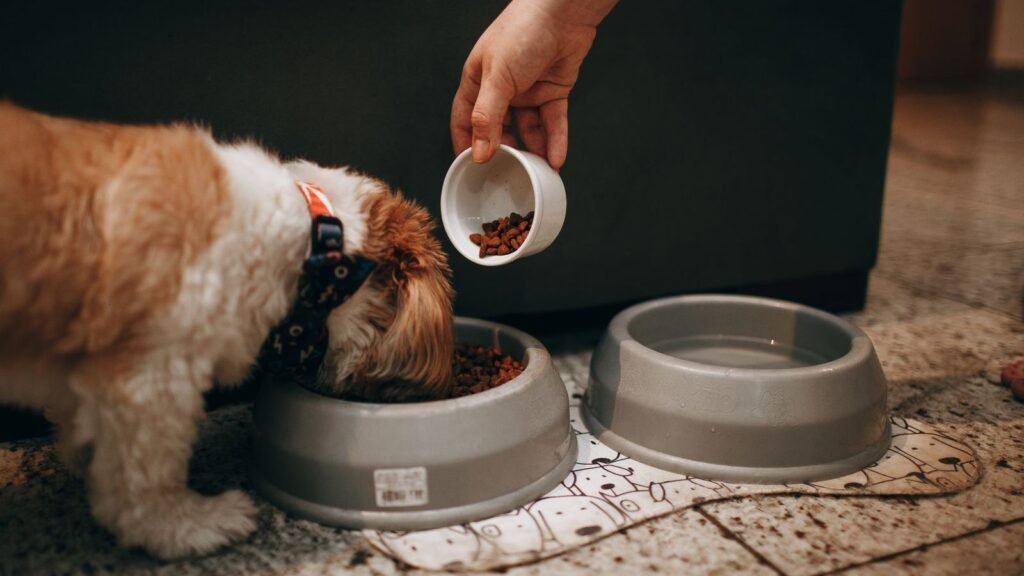
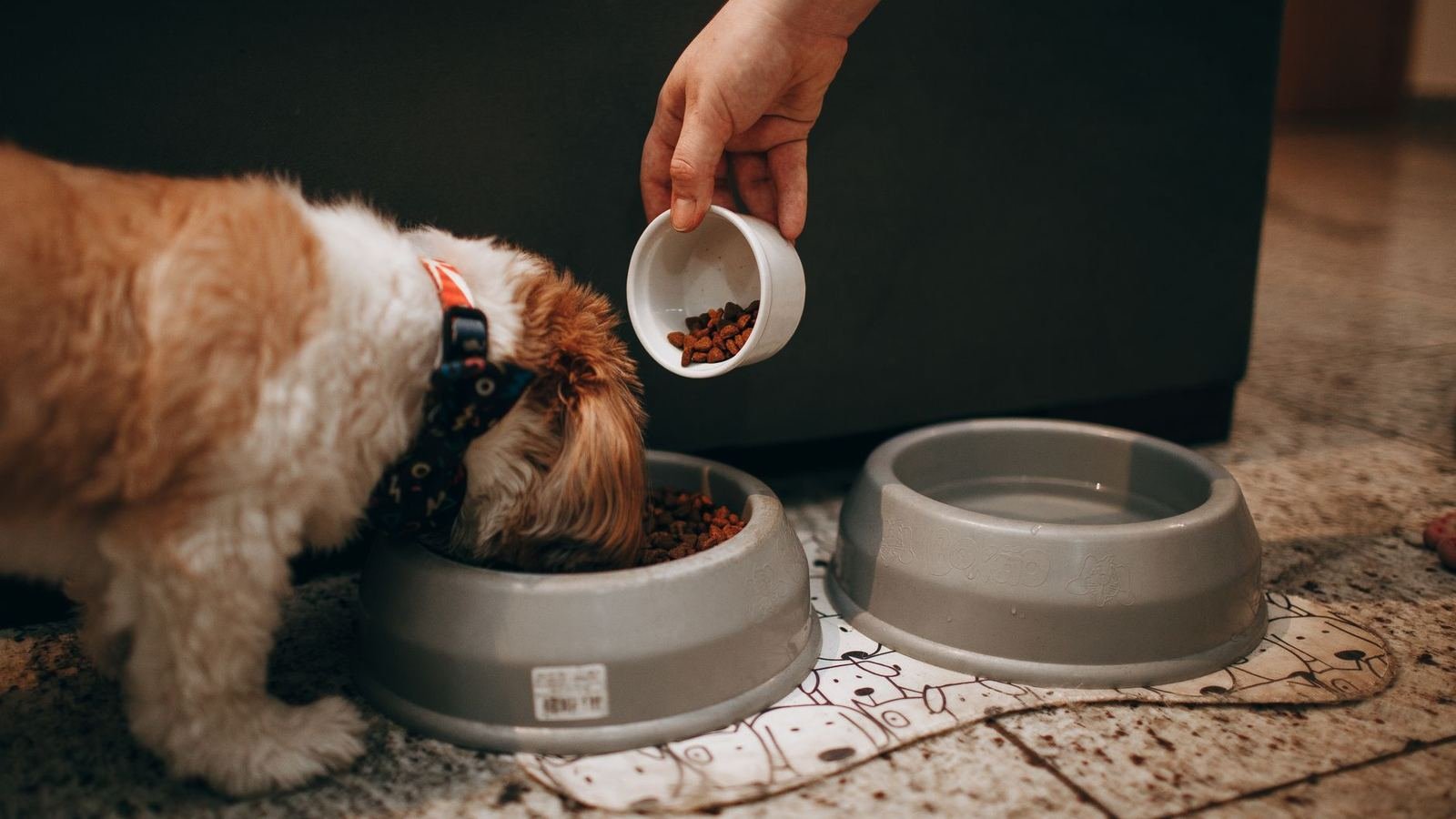
Step 1: Clear one feeding shelf or cabinet section first. Do this before sorting treats or buying containers. Choose a spot close enough to the feeding area that measuring meals takes only a few steps, such as the lowest adult-accessible kitchen cabinet, a closed pantry shelf, or the upper half of a utility cupboard. The goal is to keep food prep contained instead of leaving the food bag, scoop, and treats on the counter after every meal.
Why it works: Feeding supplies are used on a predictable schedule, so they need a reliable home rather than a temporary landing spot. In a one-bedroom apartment, a pantry shelf above the microwave or a high kitchen cabinet may be more realistic than giving up valuable floor space.
Done looks like: The food, scoop, and unopened treats fit within one shelf section, and the counter is clear after a meal.
Timing and pitfall: Set this up right before the next scheduled meal, when you can see exactly what you use. Do not store food on a low open shelf just because it is convenient; a puppy may reach, chew, or tip over packaging. Use a closure and placement appropriate for your puppy, and follow the storage directions on the food package.
-
Step 2: Give treats a smaller “use now” spot within the feeding zone. Keep only the treats needed for the next day or two in a labeled, closed container or a high drawer. Put reserve bags behind it, above it, or in a separate back-of-cabinet section. If training happens in the living room, fill a pocket-sized treat pouch before a session rather than storing several treat bags beside the sofa.
Why it works: Treats spread fastest because they travel between training, walks, visitors, and quiet time. A small daily portion limits what is left out and makes it easier to notice when supplies are running low.
Done looks like: One closed daily-treat container is easy for an adult to reach, while extra bags are not visible on the counter or coffee table.
Timing and pitfall: Portion treats after the evening meal or while resetting the kitchen for the night. Avoid keeping treats beside cleaning wipes or spray bottles, even if both fit in the same drawer; food items should have their own clearly separated section.
-
Step 3: Build a cleanup zone where accidents are handled, not where food is prepared. In a small house, this may be a bathroom vanity shelf, the upper portion of a laundry cabinet, or a lidded bin kept in a secured closet. Group puppy wipes, waste bags, paper towels, washable cleanup cloths, and the cleaner used for indoor accidents there. Keep the zone near the bathroom or laundry area when possible, rather than under the kitchen sink beside food.
Why it works: Cleanup supplies are activity-based: they are needed after an accident, muddy paws, or a quick floor wipe. Keeping them together prevents a search through several rooms while a mess is still fresh.
Done looks like: An adult can grab the needed cleanup items in one trip, but no cleaning product or small item is left loose at puppy level.
Timing and pitfall: Create this zone after the feeding shelf is finished, so food and cleanup supplies do not get mixed during sorting. The ASPCA advises keeping household chemicals and other tempting chewable items out of a dog’s reach; avoid assuming that a bin is secure unless its lid, placement, and closure actually prevent puppy access.
-
Step 4: Separate daily cleanup supplies from backup stock. Keep one roll of waste bags, one packet of wipes, and one cleaning cloth in the active cleanup zone. Move refills, bulk paper towels, and unopened cleaner bottles to a higher cabinet, a locked closet, or an under-bed container that the puppy cannot access.
Why it works: Bulk supplies take up the space needed for items you reach for during a real-life accident. Separating active supplies from backups also prevents buying duplicates because the daily bin looks empty while refills are hidden elsewhere.
Done looks like: The active cleanup area holds only what fits without stacking, while refill stock has one labeled backup location.
Timing and pitfall: Check backups once a week, such as after laundry day. Do not place refill stock in the doorway zone simply because it is convenient; the entry should stay clear for people coming in, leaving, and carrying the puppy.
-
Step 5: Use a one-bedroom-apartment layout to test the split. For example, keep the puppy’s daily kibble and measured treat container in the upper kitchen cabinet nearest the feeding mat. Put unopened food and extra treat bags in a high pantry shelf. Place wipes, waste bags, washable cloths, and cleaner in the closed bathroom cabinet or a secured laundry closet. Daily walk gear can remain near the door, but it should not share a bin with food or cleaner.
Why it works: This layout accepts the tradeoff of walking a few extra steps for backup supplies in exchange for keeping the kitchen counter, entry, and living room open. It also gives each activity a clear return point: feed in the kitchen, clean near the bathroom or laundry area, and walk from the door.
Done looks like: After breakfast, a training session, and a potty cleanup, each item has returned to one of these three places without creating a new pile.
Timing and pitfall: Test the arrangement for three ordinary days before moving anything again. Do not judge the setup only when the home is tidy; check whether it still works when you are late for work or handling a nighttime accident.
-
Step 6: End each day with a two-minute separation check. After the last potty break, return food packaging and treats to the feeding zone, put wipes and cleaner back in the cleanup zone, and move any small chewable item off the floor. Check that cabinet doors, lids, or closures are fully shut.
Why it works: A short reset prevents small items from migrating onto counters and into shared rooms. It also makes the morning routine calmer because the supplies used most often are already where they belong.
Done looks like: The kitchen has no loose treats or food scoop, the bathroom or laundry area has no cleaner left out, and the floor is clear of discarded packaging.
Timing and pitfall: Attach this check to something you already do each night, such as washing dishes or locking the door. The common mistake is treating it as a deep-cleaning task; it should only be a return-to-zone routine.
For additional puppy-proofing context, the ASPCA’s guidance on destructive chewing is a useful reminder to keep potentially hazardous household items inaccessible rather than relying on training alone. In a small home, clear separation is not extra organizing work—it is what keeps the supplies you need nearby without turning every shared surface into puppy storage.
Use Vertical and Hidden Space Without Losing Access
When fixing puppy supply storage in small homes, vertical and hidden spaces can clear counters and floors without turning daily routines into a scavenger hunt. The key is to move backups upward or out of sight while leaving the few items used every day in their activity-based zones.
- Putting all puppy gear on the highest shelf: This clears a cabinet quickly, but it fails when the leash, waste bags, or training treats are needed during a rushed trip outside. Reaching overhead for daily supplies encourages them to drift back onto the counter. Keep only backup rolls, unopened treats, extra towels, and spare toys in high cabinets. Leave the current walk kit at the doorway zone and the current cleanup supplies in their designated low-access household spot.
- Using under-bed storage for things needed every day: Under-bed containers are valuable hidden space, but pulling one out repeatedly is awkward in a small bedroom. It often becomes a mixed catch-all where items disappear. Reserve this area for seasonal coats, the next size of harness, spare bedding, and unopened replacement supplies. Use a shallow container with a simple label such as “Puppy Backups,” rather than separate containers for every category.
- Hanging too much on the back of one door: A few hooks can keep a leash and lightweight rain jacket off the floor, but an overloaded door can become noisy, crowded, and inconvenient to use. It also makes it easy for dangling items to end up within reach. Limit a door to one active walk set or one lightweight drying towel. Put small chewable items, treats, and grooming tools inside a closed drawer or cabinet instead.
- Hiding supplies without marking their home: A bin in a closet or on a shelf is not helpful if everyone in the household calls it “the puppy stuff.” The result is duplicate purchases and time spent opening several containers. Give each hidden spot one purpose: “backup food tools,” “extra bedding,” or “travel supplies.” A piece of masking tape and marker is enough.
- Assuming a closed container is automatically safe: Lidded bins can reduce visual clutter, but not every lid resists a curious puppy. Food, treats, cleaners, medication, and small items that could be chewed or swallowed should be stored securely and out of reach. The ASPCA advises keeping household hazards out of pets’ reach, and the AKC similarly recommends preparing a puppy-safe home before bringing a puppy into shared living spaces. Choose closed storage based on the manufacturer’s closure guidance, place it where the puppy cannot access it, and do not rely on a loose lid alone.
For example, in a one-bedroom apartment, daily walk gear can stay on two wall hooks just inside the apartment door: one leash and harness, plus a small dispenser of waste bags. A high kitchen cabinet can hold unopened treat bags and backup food tools, while a labeled under-bed container holds spare blankets, a larger harness, and replacement toy options. The tradeoff is that backups take an extra minute to retrieve, but the doorway and kitchen remain usable every day.
Before adding anything new, use what is already available: one empty shelf, the inside of a closet door, a spare drawer, or a shallow under-bed container. Vertical space works best when it supports the three existing activity zones rather than creating a fourth place to search.
Reset Each Zone in Five Minutes a Week
Fixing puppy supply storage in small homes works best when the setup is easy to maintain, not when every item is hidden perfectly. Once a week, take five minutes to return stray gear to its activity-based zone before the clutter spreads back onto counters, chairs, and the floor by the door.
Use the same short reset each time:
- Clear the doorway zone: Hang the leash and harness, refill the poop-bag holder, and put muddy towels or rain gear into the laundry basket rather than leaving them by the entrance.
- Check the food and treat zone: Put the scoop, training treats, and feeding items back in their assigned drawer, shelf, or bin. Keep food and treats securely closed and placed out of puppy reach. Do the same with cleaning products, medication, and small chewable items; these should not be left in open baskets or on low shelves.
- Reset the rest-and-cleanup zone: Return wipes, a brush, spare bedding, and cleanup cloths to their usual spot. Move anything damp to laundry so it does not become an overlooked pile under a bed or beside the crate.
For example, in a one-bedroom apartment, the daily walk set might stay on two hooks inside the entry closet, while a backup leash, seasonal coat, extra waste-bag rolls, and unused toys live in a labeled under-bed container. That tradeoff is useful: the things needed every day remain quick to grab, but backups no longer compete for scarce doorway and kitchen space. If the closet is shared, give puppy items one shelf or one small section instead of letting them spread through every shelf.
You do not need a large organizer or a puppy-only room. The goal is simply to give each routine a compact home: leaving the house, feeding and training, and cleaning up or resting. When an item no longer supports one of those routines, relocate it to backup storage, laundry, or a separate decision pile rather than making a new permanent spot on the counter.
Start this week by setting a five-minute timer after your puppy’s last walk of the day and reset only the three zones you already chose.
FAQ
What should I know about choose three small-home puppy storage zones?
For fixing puppy supply storage in small homes , start by sorting gear by the activity that creates the mess, not by the type of container you own. Pick only three compact zones: a walk zone , a care zone , and a backup zone .
What should I know about keep food, treats, and cleanup items separate?
For fixing puppy supply storage in small homes , do not let the kitchen counter become the default home for every puppy-related item. Food and treats belong in one compact feeding zone; wipes, enzyme cleaner, bags, and cleaning cloths belong in a separate cleanup zone.
What should I know about use vertical and hidden space without losing access?
When fixing puppy supply storage in small homes, vertical and hidden spaces can clear counters and floors without turning daily routines into a scavenger hunt. The key is to move backups upward or out of sight while leaving the few items used every day in their activity-based zones.