
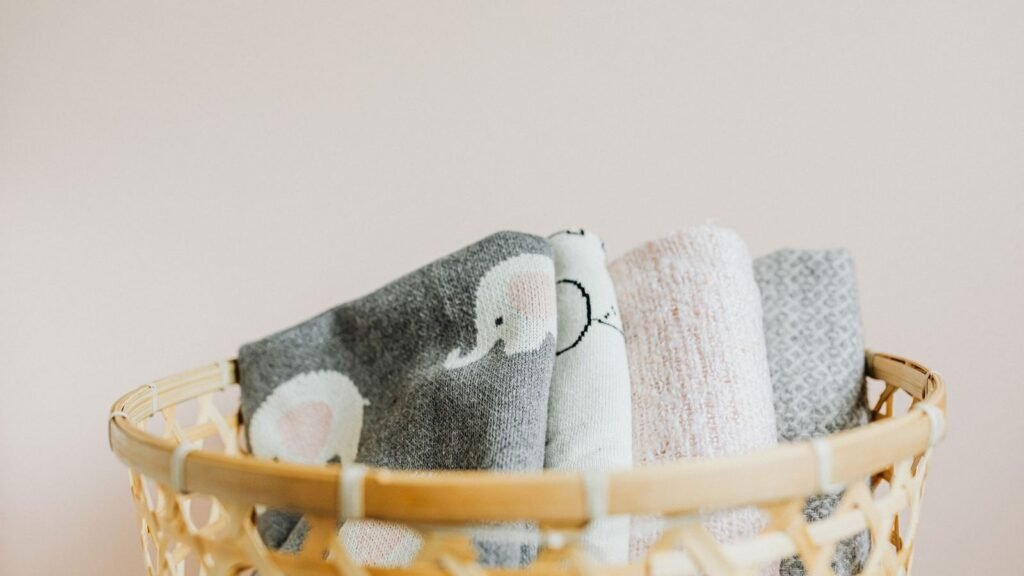
If you are working on puppy blanket basket vs storage bin, start with one practical change that improves day-to-day use in your actual space.
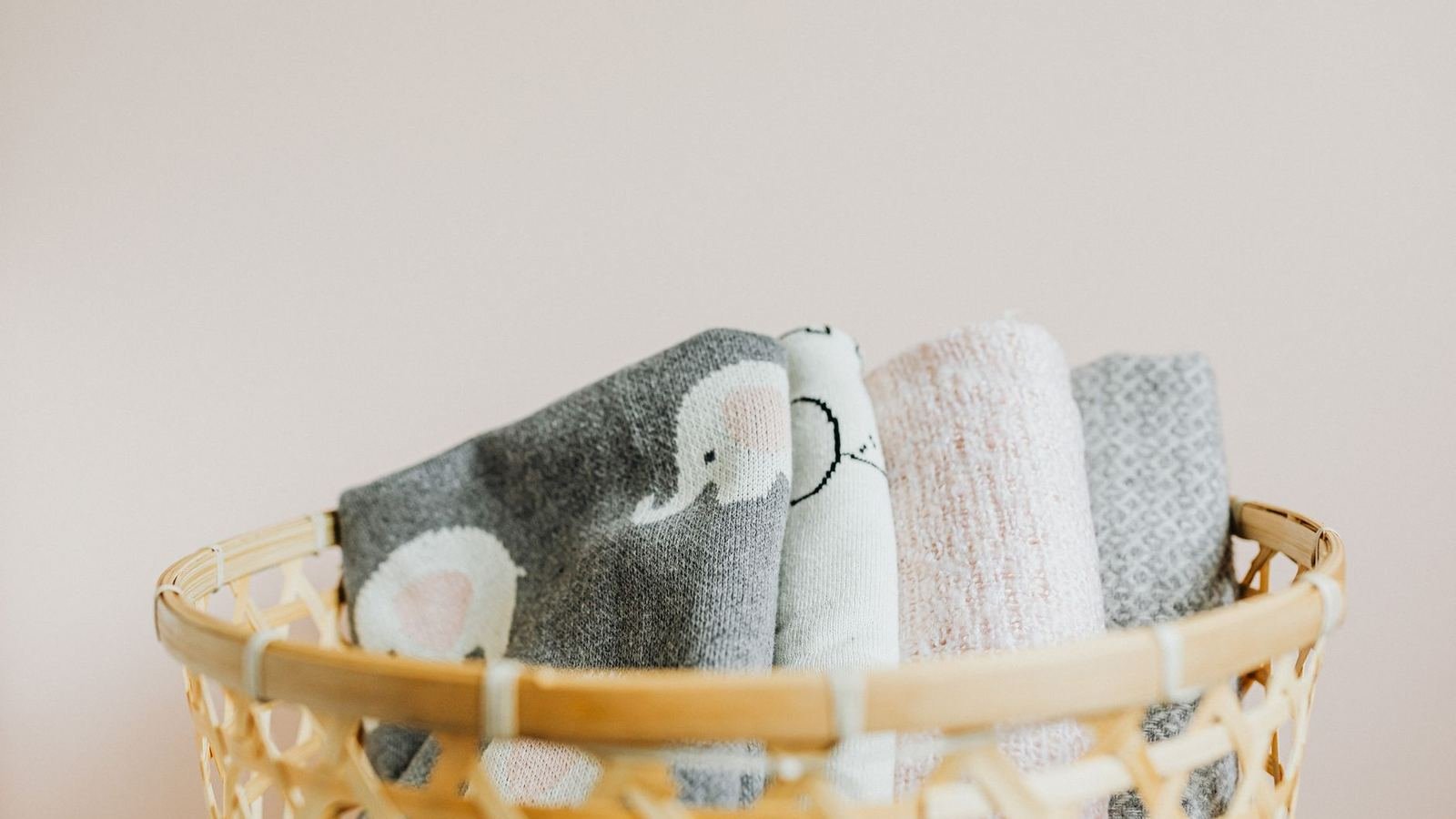
The simplest choice depends on how your home actually runs. If you wash and swap blankets often, keep one or two washable blankets in an open basket near the crate, puppy pen, or usual nap spot. Choose a basket with a wide opening so you can drop a folded blanket in with one hand instead of leaving it on the floor after laundry. If you have several spare blankets, limited floor space, or want to store seasonal bedding, use a lidded bin for those backups and place it on a closet shelf, under a bed, or in another puppy-free storage spot.
A practical small-apartment setup is a soft-sided or smooth, wipeable basket beside the crate holding two folded daily blankets: one in use and one clean replacement. Put the remaining clean blankets in a clearly labeled lidded bin elsewhere. That split prevents the basket from becoming an overstuffed laundry catchall while still giving you an immediate replacement after muddy paws, a spill, or an accident.
Keep chew habits in the decision. No container is puppy-proof simply because it has a lid or sturdy sides. A puppy that mouths baskets, pulls at fabric, or chews plastic may need blanket storage placed out of reach, with access provided only when you are nearby. The ASPCA notes that destructive chewing can involve household items, so reducing easy access to tempting materials is a sensible part of keeping puppy supplies orderly.
For a fast reset today, gather every puppy blanket, keep only the one or two that fit your normal wash routine in the daily spot, and move the rest into a labeled backup container. The best option is the one you can refill after laundry in under a minute.
Choose a Basket for Daily Blanket Rotation
For the puppy blanket basket vs storage bin decision, choose an open basket when you use one or two washable blankets every day. Start by placing the basket beside the crate, puppy bed, or sofa spot where blankets are most often needed. Keep only the current clean blankets inside; this makes grabbing one after a muddy walk, a crate accident, or a laundry change quick and visible.
Choose a basket with a smooth, wipeable interior or a washable fabric liner, and make it large enough for loosely folded blankets rather than tightly packed stacks. Avoid putting every blanket you own in the basket. An overfilled basket becomes a hiding place for damp or dirty fabric, and blankets may be pulled out and scattered more easily.
| Daily-use question | Open basket | Lidded storage bin |
|---|---|---|
| Open access | Best for blankets you reach for several times a day | Requires opening the lid before each use |
| Capacity | Works best with one or two active blankets | Holds a larger backup supply |
| Lid use | No lid, so contents stay visible | Helps keep stored clean blankets contained |
| Cleanability | Choose a material or liner you can wipe or wash | Wipe the inside and dry it fully before refilling |
| Portability | Easy to carry room to room if it has handles | Useful for less-frequent moving and closet storage |
| Visual clutter | Looks tidy only when lightly filled and folded | Hides extras, but can be bulky in an active area |
A practical split setup is usually easiest: keep two daily blankets in the basket and clean backups in a labeled lidded bin on a closet shelf or other out-of-the-way spot. For example, in a small apartment, place a small basket beside the crate with one blanket in use and one freshly washed spare. Store two additional seasonal or backup blankets in the bin. When the used blanket goes into the wash, move the spare into service and refill the basket after laundry.
- Use the basket for access: Fold blankets in the same direction so you can see what is clean without emptying the container.
- Avoid floor-level temptation: If your puppy chews or drags fabric, do not assume a basket or bin is puppy-proof. Put the daily basket out of reach when needed, or offer blankets only during supervised rest times. The ASPCA notes that destructive chewing can be a behavior concern, so managing access is more reliable than relying on a container alone.
- Adjust when laundry piles up: If the basket regularly holds damp, dirty, or unfolded blankets, reduce its contents to one active blanket and move clean reserves to the lidded bin.
Use the basket as the visible “ready now” station, not as long-term storage. That simple limit keeps the room calmer and makes it much easier to notice when a blanket needs washing or replacing.
Worked Example: A Small-Apartment Blanket Setup
For a practical puppy blanket basket vs storage bin decision, picture a one-bedroom apartment with a crate in the living room, limited closet space, and a puppy that uses a blanket for naps but also carries it around after play. The easiest system is usually a split setup: keep one or two washable blankets in an open basket for the current week, and keep the clean backups in a closed bin away from the puppy’s everyday traffic.
| Feature | Open basket | Lidded storage bin |
|---|---|---|
| Open access | Fast to grab during crate naps, sofa time, or a quick blanket swap. | Slower; best when blankets are not needed several times each day. |
| Capacity | Works best for one or two folded daily blankets. | Holds several folded backup, travel, or seasonal blankets. |
| Lid use | No lid, so it does not block access or hide laundry that needs washing. | A lid reduces visual clutter and keeps stored clean blankets separate from the daily pile. |
| Cleanability | Fabric and woven styles may need vacuuming or spot cleaning. | Smooth plastic is generally simpler to wipe clean; follow the container maker’s care directions. |
| Portability | Easy for an adult to move room to room when lightly filled. | Better for closet, under-bed, or shelf storage than frequent carrying. |
| Visual clutter | Blankets stay visible, which helps daily use but can look untidy if overfilled. | Creates a cleaner-looking room because the backups are out of sight. |
- Daily basket:
Daily basket — shop optionsSee on Amazon
Reserve a low-sided, open rectangular basket for the blanket currently in use and one clean replacement. A shape roughly 14 to 18 inches wide is often easier to tuck beside a crate or under an end table than a wide round basket. Fold blankets vertically rather than stuffing them in, so you can see when only one clean blanket remains. Do not treat an open basket as chew-proof; if your puppy grabs or shreds household items, place it where access is supervised or move it onto a shelf between uses.
- Backup bin:
Backup bin — shop optionsSee on Amazon
Store two to four fully clean, dry blankets in a lidded, smooth-sided plastic bin with a flat top. For a small apartment, choose a shallow under-bed shape if that space is available, or a narrow rectangular bin that fits on a closet shelf. Add a simple label such as “Clean Puppy Blankets” on the front, not the lid, so it remains readable when bins are stacked. The bin is for clean reserves, not for damp or recently used blankets.
- Laundry handoff:
Laundry handoff — shop optionsSee on Amazon
Give used blankets a separate temporary landing spot, such as a washable fabric hamper or a second small bin marked “Wash.” This prevents the common mix-up where a blanket looks clean enough to return to the basket but has already been used on the floor, in the crate, or near the water bowl. When laundry is finished, refill the daily basket first, then return extras to the closed backup bin.
- Chew-aware placement:
Chew-aware placement — shop optionsSee on Amazon
If your puppy is currently interested in chewing containers, handles, or blankets, choose storage placement before choosing decor. Keep the backup bin inside a closet, on a high shelf, or behind a closed door. The ASPCA’s guidance on destructive chewing can be useful when chewing is becoming a household-management issue. A lid may hide blankets, but it does not make a floor-level container safe from a determined puppy.
This split system keeps the basket small enough to manage and the bin useful instead of forgotten. If the basket begins to overflow, do not buy a larger one first. Wash the active blankets, move only genuinely clean extras into the labeled bin, and keep the daily supply limited to what your puppy uses between laundry loads.
Set Up a Simple Clean-and-Dirty Blanket Routine
For the puppy blanket basket vs storage bin decision, the easiest system is usually a split routine rather than asking one container to do every job. Keep only the blankets your puppy is using this week in the accessible spot, and keep freshly washed extras separate until you need them. That prevents a single pile from becoming a mix of clean throws, damp crate bedding, and blankets that need washing.
- Pick a daily limit: Choose one or two washable blankets for regular use. If one is in the wash, the other can cover the crate mat or favorite resting spot without opening your backup storage.
- Create a dirty destination: Use a small washable hamper, tote, or laundry bag near your usual laundry path. When a blanket is damp, muddy, heavily furred, or has been dragged through a spill, move it there right away instead of returning it to the clean pile.
- Store clean backups apart: Fold clean extras into a labeled lidded bin, ideally on a closet shelf or another dry spot. A lid helps reduce visual clutter and keeps stored blankets separate from everyday puppy activity.
- Reset on one repeatable day: Once a week, wash the dirty blankets, restock the clean bin, and return only the current daily blankets to their accessible place.
This routine solves the real uncertainty behind choosing a basket or bin: accessibility matters for blankets in active use, while separation matters for blankets waiting their turn. In a small apartment, for example, a puppy may use one blanket in the crate and one beside the sofa. Those stay available for normal daily swaps, while three clean backups remain folded in a marked bin in the hall closet. There is no need to search through every blanket when laundry day arrives.
If your puppy chews fabric or rummages through containers, do not assume either option is puppy-proof. Keep stored blankets out of reach, and offer access to the daily blanket only when it fits your supervision and setup.
Next step: Tonight, choose two blankets for this week, place every other clean blanket in one labeled bin, and put one clearly marked laundry container where you will actually use it.
What you’ll actually use
These are the pieces this setup actually uses. If one does not earn a place in your home, leave it off the list.
- Chew Toys: Keep this where puppy blanket basket vs storage bin actually happens, and skip it if you already have a version that works.
- Travel Water Bowl: Keep this where puppy blanket basket vs storage bin actually happens, and skip it if you already have a version that works.
- Toys And Chews: Keep this where puppy blanket basket vs storage bin actually happens, and skip it if you already have a version that works.
- First Aid Kit: Keep this where puppy blanket basket vs storage bin actually happens, and skip it if you already have a version that works.
- Dog Leash: Keep this where puppy blanket basket vs storage bin actually happens, and skip it if you already have a version that works.
FAQ
What should I know about choose a basket for daily blanket rotation?
For the puppy blanket basket vs storage bin decision, choose an open basket when you use one or two washable blankets every day. Start by placing the basket beside the crate, puppy bed, or sofa spot where blankets are most often needed.
What should I know about worked example: a small-apartment blanket setup?
For a practical puppy blanket basket vs storage bin decision, picture a one-bedroom apartment with a crate in the living room, limited closet space, and a puppy that uses a blanket for naps but also carries it around after play. The easiest system is usually a split setup: keep one or two washable blankets in an open basket for the current week, and keep the clean backups in a closed bin away from the puppy’s everyda
What should I know about set up a simple clean-and-dirty blanket routine?
For the puppy blanket basket vs storage bin decision, the easiest system is usually a split routine rather than asking one container to do every job. Keep only the blankets your puppy is using this week in the accessible spot, and keep freshly washed extras separate until you need them.