
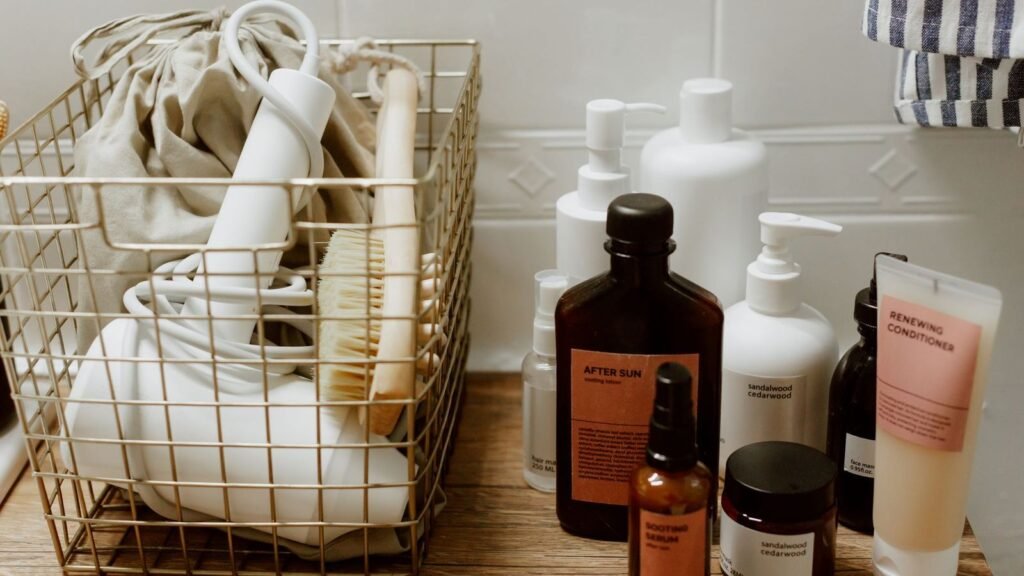
The first evening after a move can make puppy care feel far more complicated than it was yesterday: the food scoop is in a kitchen box, the leash is under a pile of linens, and the wipes you need after a muddy walk are somewhere in the garage. Knowing how to fix puppy storage after moving is less about unpacking every box perfectly and more about restoring a few dependable routines quickly. Start by choosing one open bin, laundry basket, or deep drawer as the daily-access spot. Put only what you need for the next 24 hours inside: food and scoop, bowls, leash or harness, waste bags, a towel, and the cleanup supplies you regularly reach for.
Boxes, scattered gear, and an unfamiliar layout create small delays that add up. Feeding takes longer because supplies are split between rooms. Walks become frantic because the door area has no clear home for the leash and bags. Puppy-proofing is harder when treats, chew items, cleaners, and loose small objects are still sitting at floor level while you decide where everything belongs. The goal is not to create a finished storage system on moving day. It is to make the new home easy to use while you learn where your puppy naturally eats, rests, goes outside, and gets cleaned up.
Keep the bulk of your supplies in one central, closed storage area at first, such as a high pantry shelf, a latched cabinet placed out of reach, or a closet shelf. Label it clearly for backup food, extra waste-bag rolls, replacement toys, towels, and unopened cleaning supplies. Central storage reduces duplicate purchases and makes it easier to see what you brought. The tradeoff is that it can add steps during busy moments, so place small routine kits where they are actually used: a leash-and-bag kit near the exit, feeding basics in the kitchen, and a towel or cleanup kit near the puppy’s sleeping area.
For example, in a small rental, a single cabinet may hold all backup supplies while a shallow kitchen drawer holds the current food scoop and meal items. A compact basket near the door can hold the current leash, harness, and waste bags, but it should be placed where the puppy cannot pull out or chew its contents. Keep cleaners and other household products secured and out of reach; the ASPCA advises storing potentially harmful items safely away from pets. A simple daily-access bin first gives you a calm base to work from, even when the rest of the home is still full of boxes.
Set Up the Three Essentials Before Unpacking Everything
How to fix puppy storage after moving: pause the general unpacking long enough to create three working spots for the next few days: feeding, going out, and cleanup. Put only the supplies you use every day into one clearly visible daily-access bin or drawer, then place all duplicates and unopened extras in closed backup storage with a simple label. This restores the routine without requiring a fully organized house on day one.
Start with the area that will be easiest to reach during normal puppy care, not necessarily the room with the most empty space. For example, if the kitchen is beside the back door, a low kitchen drawer or counter-height bin may hold the food scoop, bowls, and mealtime supplies, while a small door-area kit holds the leash, waste bags, towel, and outdoor treats. Keep the cleanup kit near the laundry area or the room where your puppy spends the most time. The goal is to reduce trips between half-unpacked rooms.
- Feeding spot: Unpack the current food, bowls, scoop, and a small amount of treats. Keep food in its original bag inside a closed container or place it where your puppy cannot access it. Store extra food separately and label it “backup food.”
- Door spot: Gather the leash, harness, collar, waste bags, and a drying towel in one small routine kit near the exit you actually use. Avoid leaving chewable straps or treats on the floor; the ASPCA notes that dogs may chew items when unsupervised, so loose gear is better kept up high or behind a closed door.
- Cleanup spot: Put paper towels, pet-safe cleanup supplies, disposable bags, and washable cloths together. Keep household cleaners closed and out of reach rather than in an open puppy-level basket. The AKC’s new-puppy preparation guidance also emphasizes removing hazards and securing items a puppy could get into.
There is a useful tradeoff between central storage and small routine kits. One central supply cabinet makes inventory simple and keeps shared rooms calmer, but it can slow you down when the leash is needed at the door or a spill happens in the bedroom. Small kits near the door, kitchen, or sleeping area save steps, but too many duplicates create clutter and make supplies harder to track. A balanced setup uses one main backup location plus only three small daily-use zones.
A practical example: after moving into a rental with a kitchen at the front and a puppy sleeping area at the back, place the daily bin in a kitchen cabinet, hang the walk kit near the front exit, and keep the cleanup kit on a high laundry shelf. Mark unopened wipes, spare bags, extra food, and seasonal gear as “backup” before stacking those boxes in a closet. Avoid organizing every accessory immediately; first use the three zones for several days. Adjust a zone when you repeatedly carry an item across the home, find yourself opening the same backup box, or notice a supply landing on the floor because it has no assigned place.
For additional puppy-proofing context, review the AKC’s puppy-preparation guidance and the ASPCA’s guidance on destructive chewing as you decide which supplies need closed, elevated storage.
Keep Food, Cleaners, and Small Items Out of Puppy Reach
When learning how to fix puppy storage after moving, treat safety storage as part of unpacking, not a separate job for later. A puppy does not know that an open moving box contains cleaning tablets, loose batteries, or a partly opened food bag. Until every room has a dependable place for these items, keep the puppy with you, behind a closed door, or in their usual supervised resting area while you work.
The goal is simple: give daily supplies a reachable home for people, then put backups and anything chewable, spillable, or unsafe behind a closed barrier and above puppy level. The ASPCA advises owners to reduce access to tempting household objects when addressing destructive chewing, which makes this a useful priority in an unfamiliar new home. Read the ASPCA’s guidance on destructive chewing for broader home-management advice.
-
First 10 minutes: make one “not for puppy” pile. Walk through the rooms where boxes are open and collect loose cleaning bottles, dishwasher pods, batteries, medication, string, scissors, tape, small hardware, and plastic wrapping. Put the pile on a high counter temporarily, not back into random boxes. Why: Moving debris often ends up at floor level exactly when a curious puppy is exploring new smells. Done looks like: there are no loose small objects or chemical containers on the floor, coffee table, or open lower shelf. Pitfall: Do not use an open laundry basket as the final holding spot; a puppy can still reach inside or tip it over.
-
Next 15 minutes: choose one closed cleaning-storage location. Use a cabinet, utility closet, or high shelf for household cleaners and refill bottles. If the only suitable cabinet is low, add the closure your household can reliably use and keep the key or latch release inaccessible to the puppy. Why: A predictable cleaning location prevents bottles from lingering under the sink, beside the toilet, or near the puppy cleanup kit. Done looks like: all cleaners are together, the door closes fully, and no bottle is stored loose near puppy wipes or towels. Pitfall: Do not decant cleaners into unmarked containers; keep products in their original labeled packaging.
-
Before the next meal: separate current food from backup food. Put the current kibble bag or container, scoop, and feeding mat supplies in one daily-access bin or drawer that adults can reach without opening several boxes. Place unopened food, extra treats, and replacement chews in labeled closed backup storage elsewhere. Why: This keeps feeding routine items handy without turning the whole pantry into puppy-accessible storage. The AKC’s new-puppy preparation guidance also emphasizes planning for food and everyday supplies before the puppy settles in. See AKC’s puppy-preparation checklist. Done looks like: one scoop and the current food are ready for the next meal, while extras are closed and clearly labeled “Puppy Food Backup.” Pitfall: Avoid leaving a partly open food bag on the floor overnight because it is convenient during unpacking.
-
After food is placed: sort treats and small gear by size. Put training treats in a closed container or upper drawer, and gather clickers, nail clippers, spare ID tags, poop-bag rolls, and replacement collar parts into a separate labeled container. Why: These small items disappear quickly into couch gaps and unpacked boxes, and they should not be scattered where a puppy can mouth them. Done looks like: every small puppy item fits into one assigned container, with no loose rolls, clips, or packets in the entryway. Pitfall: Do not combine treats and cleaning products in the same bin simply because both are used daily.
-
Before bedtime: decide where routine kits actually belong. Keep the main supply reserve in one central location, such as a pantry shelf or hall closet. Then place only a small, controlled kit where the routine happens: a few waste bags and a towel near the door, a measured portion of treats in a high kitchen drawer, or nighttime wipes in a closed bedside drawer. Why: Central storage reduces duplicates and clutter, while tiny location-based kits prevent rushed searching. Done looks like: each kit contains only what is used in that spot for one or two days, not an entire overflow of supplies. Pitfall: Do not create so many mini-stations that you lose track of where the current food, treats, or cleanup supplies are stored.
-
On day two: test the setup at puppy height. Sit or crouch near the floor in the kitchen, entry, living area, and sleeping area. Look for dangling bags, open drawers, low hooks holding treats, exposed cords, and boxes that could fall if nudged. Why: A storage plan that feels tidy from standing height can still leave tempting items directly in a puppy’s path. Done looks like: the puppy-facing view shows clear floor space and closed storage, with daily items available to you but not left out. Pitfall: Do not assume a container is puppy-proof based on appearance alone; its placement and securely closed lid matter.
For example, in a small rental with a galley kitchen and one shared living room, the best tradeoff may be a high pantry shelf for food backups, one kitchen drawer for the current scoop and meal supplies, and a compact door-side kit holding only a towel and waste bags. That arrangement is less visually perfect than storing everything in one room, but it supports the actual feeding and walk routine without leaving supplies within easy puppy reach.
Worked Example: Resetting Puppy Storage in a Small Rental
When deciding how to fix puppy storage after moving, it is easy to make a few reasonable-looking choices that create more work later. Picture a small rental with an entry hall, an open kitchen and living room, one bedroom, and moving boxes still along the walls. The goal is not to unpack every puppy item at once. It is to make the next walk, meal, cleanup, and bedtime easy to handle while the home is still settling.
- Putting every supply in one central closet: This seems tidy because food, toys, towels, and walking gear are all together. In practice, it can mean crossing the home for a leash when the puppy needs to go out, then returning for waste bags or a towel. Keep closed backup storage in the closet for extra food, replacement bags, spare toys, and unopened cleaning supplies. Then place one daily-access bin or drawer near the routine: a small door kit for the current leash, harness, waste bags, and a drying cloth; a kitchen drawer for the scoop and meal items; and a bedtime basket for one quiet toy and any sleep-area essentials.
- Leaving “temporary” supplies in open moving boxes: An open box by the sofa may feel harmless for a day or two, but it quickly becomes the place where small items disappear beneath packing paper. It also makes it hard to tell what the puppy can reach. The better move is to empty only puppy boxes first, sort items into daily use, backup, and donate-or-discard piles, and flatten the empty boxes promptly. Label closed backup containers by category, such as “extra treats, ” “grooming, ” or “winter walk gear, ” rather than using vague labels like “dog stuff.”
- Buying organizers before watching the new routine: New owners sometimes purchase bins, hooks, or shelving right away, then discover the kitchen cabinet blocks a drawer or the puppy always exits through a different door. This fails because the storage plan follows the old home rather than the new layout. Use existing boxes, a washable basket, or a spare drawer for the first week. Notice where you naturally fill the bowl, clip on the leash, wipe paws, and settle the puppy for sleep. Choose permanent storage only after those paths are clear.
- Making convenience kits too large: A large collection of supplies at every door and room creates duplicates that are difficult to restock. Instead, keep small routine kits limited to what is used in that spot. Near the door, that might be the current walk gear and a few waste bags. Near the kitchen, keep only the current food container, scoop, bowls, and a placemat. Everything else stays in labeled backup storage, so you know where to refill each kit.
- Assuming a closed container is automatically out of reach: A lid does not make a container suitable for unsupervised puppy access. Store cleaners, small chewable items, and food where the puppy cannot access them, using secure placement and closures appropriate to the item. The AKC recommends preparing a puppy-safe space and removing accessible hazards; the ASPCA also notes that puppies may chew items left within reach. Keep the cleanup kit high or in a latched cabinet, and keep food sealed and stored away from the puppy’s reach.
In this rental, the most practical tradeoff is a central backup zone plus small routine zones. Central storage reduces visual clutter and makes inventory easier. Small kits reduce the scrambling that happens during meals, walks, and accidents. If a kit starts spreading across a counter or floor, remove the extras rather than adding another organizer. A simple reset is usually enough: return used items to their zone each evening, refill waste bags and wipes from the backup container, and move any supply that repeatedly ends up in the wrong room.
Finish With a One-Week Storage Adjustment Check
Knowing how to fix puppy storage after moving is less about getting every box unpacked immediately and more about testing whether your new setup supports the moments that happen every day. For the next week, use the storage zones you created for meals, walks, cleanup, rest, and supervised play. Notice where you still pause to search, carry supplies from room to room, or move something out of your puppy’s reach.
Keep one daily-access bin or drawer stocked only with the items you use now: the current food scoop, a small treat container, waste bags, a towel or wipes for routine cleanup, and any gear needed for the next outing. Then place extra food, unopened treats, backup waste-bag rolls, spare towels, and duplicate supplies in closed backup storage with a clear label. This prevents the active area from becoming another mixed box while making replenishing simple.
- After each meal: Check whether the bowl, food, scoop, and cleanup cloth returned to the same place without effort. If one item keeps landing on the counter or floor, move its home closer to where it is used.
- Before each walk: See whether you can leave with the leash, bags, and treats in under a minute. A small door-side routine kit saves time, but keep only walk essentials there so the entry does not become a dumping ground.
- After cleanup: Put used towels or washable cloths straight into the laundry spot and return the remaining supplies to their zone. Do not leave cleaners, small items, or open containers at puppy level; the ASPCA advises keeping potentially hazardous household items secured and out of pets’ reach.
- At bedtime: Look at the path between your puppy’s sleeping area and the door or cleanup supplies. If you are stepping around boxes or crossing the home to find essentials, create a small nearby kit rather than relocating every supply.
There is a tradeoff between central storage and small routine kits. A single central cabinet is easier to inventory and can reduce visual clutter, especially in a shared kitchen or living room. But a compact kit near the door, kitchen, or sleeping area can make a new home easier to manage when time matters. Use central storage for backups and less-used items; use small, limited kits only where they remove a repeated trip.
For example, if the leash keeps migrating from the entry to the sofa and the wipes keep ending up in the bathroom, do not buy more containers yet. Put the leash and waste bags in the entry kit, keep a small cleanup cloth basket near the most-used exit, and store refills in the labeled backup area. That solves the daily problem without spreading every puppy item across the home.
Your next step: Tonight, set a seven-day reminder and write down the one puppy item you searched for most often. At the end of the week, give that item a permanent home at the point where you actually use it.
FAQ
What should I know about set up the three essentials before unpacking everything?
How to fix puppy storage after moving: pause the general unpacking long enough to create three working spots for the next few days: feeding, going out, and cleanup. Put only the supplies you use every day into one clearly visible daily-access bin or drawer, then place all duplicates and unopened extras in closed backup storage with a simple label.
What should I know about keep food, cleaners, and small items out of puppy reach?
When learning how to fix puppy storage after moving , treat safety storage as part of unpacking, not a separate job for later. A puppy does not know that an open moving box contains cleaning tablets, loose batteries, or a partly opened food bag.
What should I know about worked example: resetting puppy storage in a small rental?
When deciding how to fix puppy storage after moving , it is easy to make a few reasonable-looking choices that create more work later. Picture a small rental with an entry hall, an open kitchen and living room, one bedroom, and moving boxes still along the walls.