
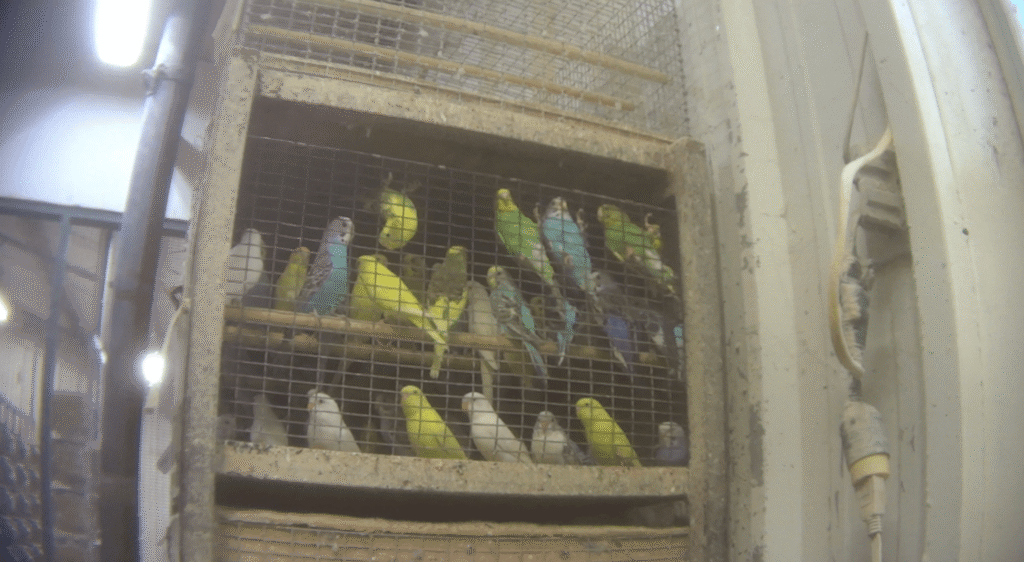

Statistically speaking, a lot of your neighbors probably have a dog or cat. But there’s a decent chance that there are at least a few parrots in your neighborhood, too: About one in 20 US households owns at least one pet bird.
There’s the popular parakeet, a small parrot native to Australia and other regions south of the equator; there are the cockatiels, who appear to have perpetual bed-head, with a tuft of feathers springing from their forehead; and a diverse cast of other parrot species: macaws, lovebirds, amazons, conures, African Greys, cockatoos, and many more.
Some 13 million birds are kept as pets in the United States, making them the fourth most popular type of pet and a sizable share of the broader exotic pet market, which also includes fish, lizards, snakes, chinchillas, and frogs. Cats and dogs may get most of the attention, but these smaller, more wild animals account for around 40 percent of the US pet population.
As cute as they may be, however, a number of animal behaviorists, veterinarians, and ethicists are challenging the practice of keeping these smaller species as pets.
For one, they’re largely wild, undomesticated animals, who’ve evolved to thrive in rich and often vast habitats in nature. But as pets, they spend all or most of their life confined in a small cage or tank. Add to that the fact that owners often aren’t well equipped to provide the enrichment and individualized care these animals need, and keeping them as pets becomes much more ethically thorny than it otherwise might appear.