
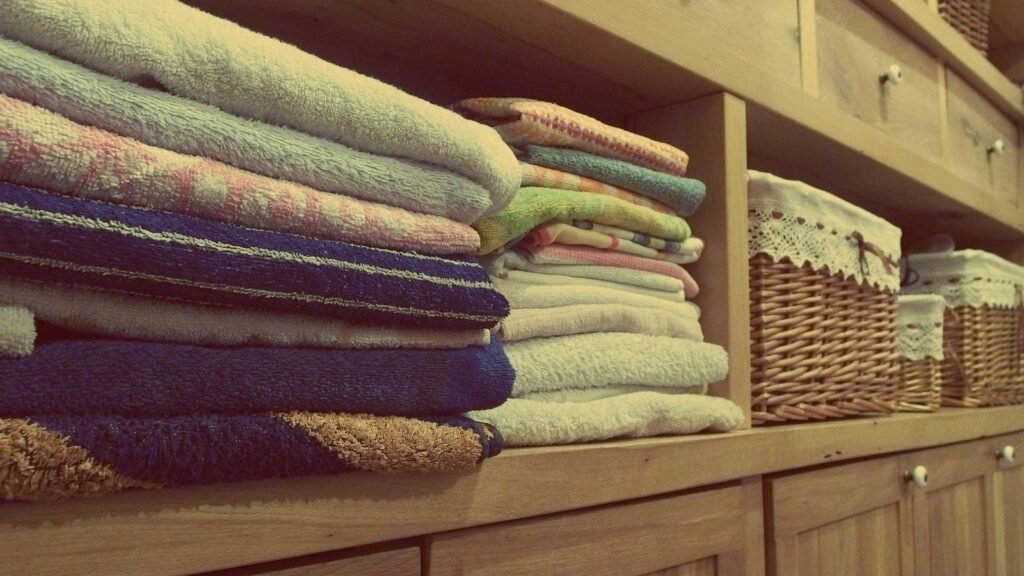
When the leash is needed now, a towel is damp from the last walk, and a puppy is nosing around the entryway, the puppy gear closet vs cabinet question is less about choosing one winner than giving each space a clear job. Use the cabinet as the small daily-use zone: the items you reach for on nearly every walk, potty trip, meal cleanup, or quick training moment. Let the closet handle the supplies that take up more room, come out less often, or need firmer boundaries from an inquisitive puppy.
What to Look For in puppy gear closet vs cabinet
Use decision criteria tied to puppy gear closet vs cabinet: space, upkeep, how it fits your routine, and everyday usability.
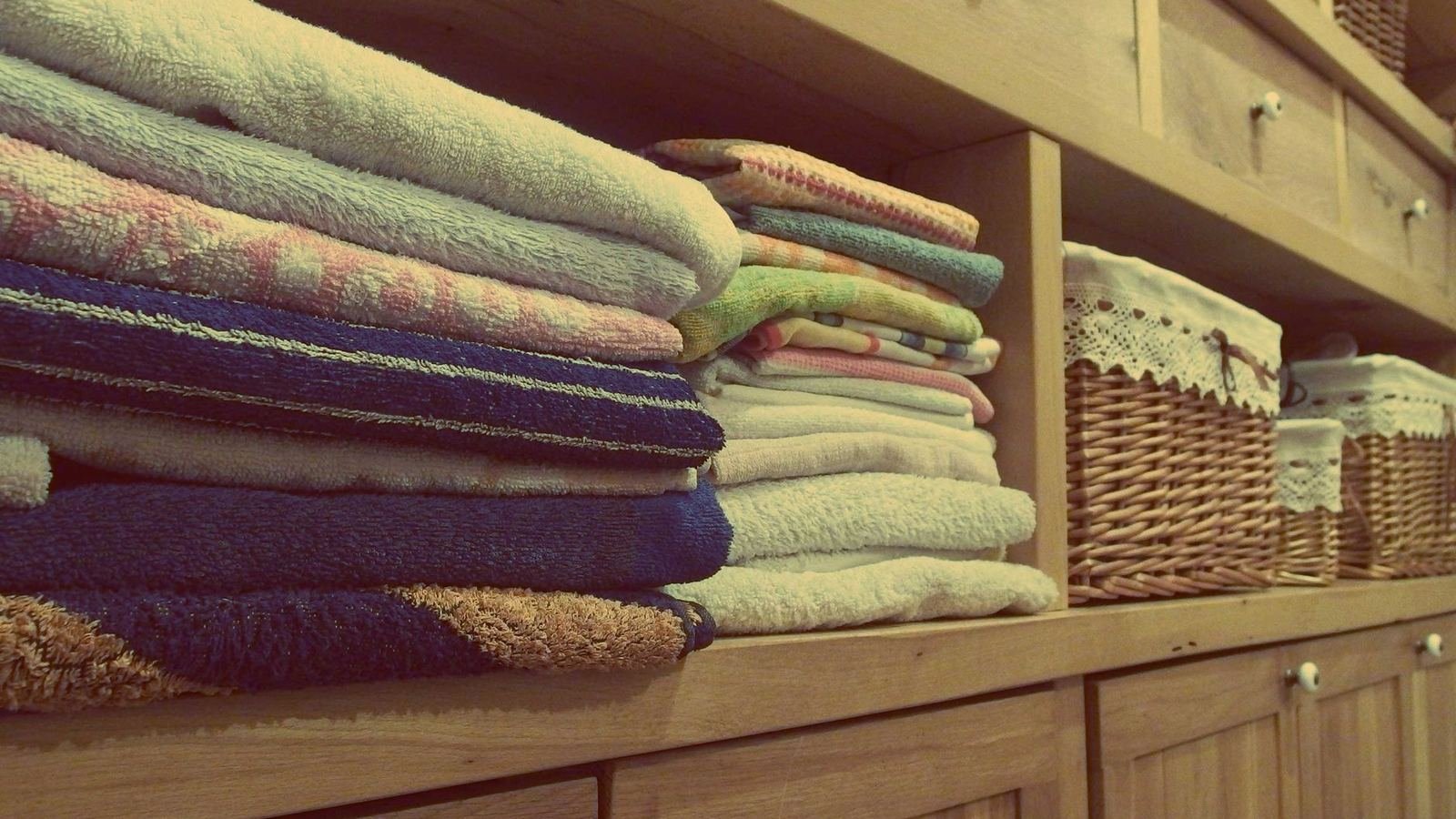
The common problem is having both spaces available but filling each one a little at a time until neither works. A leash lands in the closet, poop bags drift into a kitchen drawer, clean blankets sit on a chair, and a half-open cabinet holds treats alongside something messy. The result is slower routines and more visual clutter, with chewable or unsafe items potentially left at puppy level. A practical division is based on four questions: How often is this used? How bulky is it? Can it make a mess? Would a puppy grab, chew, or eat it?
Start with one immediate reset: reserve the cabinet shelf closest to the door for one walk kit only, harness, leash, waste-bag roll, small towel, and a refillable treat pouch if it can be securely closed and placed out of reach. Put each item in a shallow bin or tray rather than loose on the shelf. That keeps the grab-and-go supplies together without turning the cabinet into a catch-all.
Then move the overflow to the closet: unopened waste-bag rolls, extra paper towels, spare bedding, a raincoat, seasonal gear, laundry supplies, and backup food or treats in their original sealed packaging or a secure container. A closet usually has the depth for bulky items, but it should not become a place where daily gear disappears behind blankets and refill packs. Keep one active item in the cabinet and store the rest as backstock in the closet.
Anything a puppy could chew, swallow, spill, or get into, such as cleaners, medication, small loose accessories, and food, belongs secured and out of reach, not on an open low shelf. The ASPCA also recommends providing appropriate chew items and managing access to tempting household objects when addressing destructive chewing behavior. Their guidance on destructive chewing is a useful reminder that organization can reduce opportunities for a puppy to investigate the wrong thing.
What Belongs in a Puppy Gear Cabinet
For a practical puppy gear closet vs cabinet setup, make the cabinet your daily-use zone. Start by choosing the cabinet closest to the door, feeding area, or cleanup spot you use most. Its job is to hold the small group of supplies you reach for every day, while the closet takes bulky extras and replacements. This keeps the fastest routine items together without turning counters or entryway furniture into overflow storage.
Put items in the cabinet only if they are used often, fit neatly on a shelf or in a bin, and can be stored securely behind a closed door. A good rule is: if you would be annoyed to walk to the closet for it during a rushed morning or a muddy return home, it belongs in the cabinet.
- Walk supplies: Keep the current leash, harness, poop bags, a towel for paws, and a compact rain layer together near the cabinet front. Reserve one hook or basket for each item so the leash does not become tangled with cleanup supplies.
- Mealtime essentials: Store the open bag or container of food only if the cabinet is secure and dry, along with a scoop and feeding mat. Keep the backup food supply in the closet rather than crowding the daily cabinet.
- Quick cleanup kit: Assign a small contained area for paper towels, pet-safe cleanup supplies, and washable cloths. Store cleaning products securely and out of puppy reach; do not leave bottles or wipes in an open low shelf.
- Current training items: Keep the treats and one or two training tools currently in use in a closed, puppy-proof section. Treat bags, small chews, and loose accessories should not be accessible if your puppy can open or reach the cabinet.
A simple entry-cabinet example is one shelf for walk gear, one shelf for feeding and training supplies, and a bottom area reserved for the towel currently in rotation. Put only one active version of each item there: one harness, one leash, one treat container, and one cleanup cloth. Avoid using the cabinet as a catch-all for spare collars, unopened rolls of bags, seasonal coats, extra bowls, and bedding. Those items create clutter because they are not part of the immediate routine.
Adjust the division when the cabinet starts requiring digging or when an item is repeatedly carried between rooms. If muddy towels pile up, move clean backups to the closet and keep only the in-use towel in the cabinet. If the puppy begins investigating cabinet doors or chewing stored items, move food, chews, small objects, and cleaners to a higher or more secure location. The ASPCA notes that dogs may chew items within reach, so reducing access to tempting objects is a sensible part of puppy-proof storage.
Use a Two-Location Setup Without Duplicates
For the puppy gear closet vs cabinet decision, the most useful answer is often to use both spaces with different jobs. The cabinet should support the next routine you need to do; the closet should hold the supplies that would otherwise crowd that routine. This prevents the common problem of keeping three partial rolls of waste bags, several open treat bags, and two leashes in both places because nobody knows where the “real” one belongs.
Set up the cabinet and closet in one short session when your puppy is resting or occupied elsewhere. Start with everything on the floor or table, decide which location is the home for each category, and only then put items away. The goal is not to make each space hold the same supplies. It is to make the cabinet fast and the closet spacious.
- Give the cabinet a “use it today” limit: Put only the items needed for the next walk, meal, or cleanup routine in the cabinet. For example, an entry cabinet might hold one leash and harness, one roll of waste bags, a small towel, and a sealed container of training treats. If your puppy has an accident near the kitchen, the cabinet near that area can hold the currently used cleanup cloths and a secured cleaning supply. Set this up before your busiest part of the day, such as the morning walk or after-work potty trip. Pitfall: treating the cabinet as a mini closet. When backup bags, spare bowls, winter coats, and unopened food packages move in, the daily items become harder to grab.
- Make the closet the single backup address: Store unopened or extra supplies in the closet: refill rolls of waste bags, extra paper towels, unused shampoo, spare crate bedding, seasonal outerwear, travel gear, and replacement toys. Use one labeled bin or shelf section for each category so a restock takes seconds. After opening the last backup roll or package in the cabinet, add it to a simple shopping list immediately. Pitfall: leaving “just one extra” in the cabinet. That small exception becomes a pile of duplicates and makes it unclear what needs replacing.
- Assign one active item per routine: Choose one active leash, one active harness, one active treat container, and one active towel location. If rain gear is currently in use, it can be the exception during wet weeks, but it still needs one assigned hook or bin. A household with two adults can use the same cabinet zone without doubling supplies: hang the walking set together, then return it to the same spot after every outing. Pitfall: buying or storing a second daily set simply because an item was misplaced. Check the cabinet’s return spot first, then the closet’s backup bin, before replacing anything.
- Use a return sequence after each outing: Bring the puppy inside, secure them behind a gate or with a safe activity, then handle gear in the same order: discard used waste bags, hang the leash and harness, place damp towels in a laundry basket or drying area, and return treats to their closed container. This takes less than a minute when the cabinet is close to the door. Pitfall: dropping wet gear inside a closed cabinet. Damp towels and muddy accessories can make the whole space messy; let them dry or send them straight to laundry before storage.
- Keep chewable, small, and messy items out of the puppy’s reach: Treat bags, chews, small toy pieces, cleaning products, and medications do not belong on an open lower shelf, even if that shelf seems convenient. Place them in a closed cabinet with a secure latch if needed, or on a high closet shelf that the puppy cannot access. The ASPCA notes that destructive chewing can create safety problems when dogs reach inappropriate household objects, so reducing access is a practical part of the storage plan. Read the ASPCA’s guidance on destructive chewing. Pitfall: assuming a closed door is automatically puppy-proof. A determined puppy may learn to nose open an easy cabinet door, especially if it contains food-smelling treats or chews.
- Reset both locations on a fixed weekly cue: Choose a reliable time, such as after Sunday laundry or before the first walk on Saturday morning. Refill the cabinet’s waste-bag holder from the closet, move clean towels and bedding back to their assigned shelf, remove empty packaging, and return seasonal items to the closet. In a small apartment, this reset may take five minutes; in a larger home, use it to collect gear that drifted into the mudroom, bedroom, or car. Pitfall: doing a full reorganization every week. Only restore the established homes; changing the system constantly makes it harder for everyone in the household to follow.
For example, an entry cabinet and hall closet can work as a simple pair. The cabinet holds the active walk kit and a small cleanup kit behind a closed door. The hall closet holds the backup bag rolls, clean bedding, travel carrier accessories, spare towels, and cold-weather gear. When the cabinet’s active bag roll runs low, refill it from the closet rather than buying another roll for the cabinet. When bedding comes out of the dryer, return the everyday crate liner to the cabinet only if it is used there daily; otherwise, keep all clean spares together in the closet.
This division gives each space a clear purpose: the cabinet reduces the scramble before a routine, while the closet absorbs bulk and prevents clutter from returning. Most importantly, it removes the need to search two places for the same item.
Keep Treats, Cleaners, and Chews Secure
In a puppy gear closet vs cabinet setup, the biggest organization mistakes usually happen with the items a puppy can smell, chew, spill, or carry away. The goal is not to make every shelf look perfect. It is to keep the daily routine quick while making tempting or messy supplies harder for a puppy to reach.
- Leaving treat bags in the daily-use cabinet: A bag of training treats on an open shelf is convenient for a person, but it can turn into scattered crumbs and torn packaging if the cabinet is left ajar. It also makes it easy for several half-open bags to collect. Keep only the small amount needed for the next day or two in a tightly closed container on a high shelf. Store unopened bags and larger refill packs in the closet, preferably in a lidded bin.
- Using the lowest cabinet shelf for cleaning products: Puppy-safe cleaning routines still need secure storage. A low shelf is often the first place a curious puppy investigates, especially when it holds bottles, wipes, or scented products. Move cleaners to a high cabinet shelf or a closet shelf that is out of reach, and use a latch if the puppy can open the door. The ASPCA advises keeping household products securely stored and away from pets; see its animal poison control guidance for broader household safety information.
- Putting every chew in one open basket: An open basket by the sofa can be useful for one current chew, but it often becomes a mixed pile of small pieces, packaging, and toys that no longer suit the day’s supervision level. The better move is to keep one or two approved, currently used chews in the cabinet’s daily-use zone and place the rest in a closed, labeled closet bin. Check the cabinet basket during your regular tidy-up and remove worn pieces or empty packaging rather than letting the pile grow.
- Storing food, cleanup gear, and fabric items together: Treat crumbs can cling to towels, and a damp towel beside food or chews creates an unpleasant, cluttered shelf. Separate supplies by mess risk: reserve one cabinet section for dry grab-and-go items, such as a sealed treat container and poop-bag roll, and another for a washable pouch holding used towels until laundry. Keep extra towels, unopened pads, and bulk waste-bag refills in the closet.
- Buying bins without assigning a job: Extra containers can hide clutter instead of solving it. A bin labeled “puppy stuff” quickly becomes a place for spare collars, old receipts, loose treats, and half-used cleaning supplies. Give each container one clear purpose: treat refills: sealed food items; cleanup refills: unopened bags and cloths; chew backup: unopened or rotated chews. If an item does not match the label, return it to its proper cabinet zone or closet bin.
For example, an entry cabinet might hold a sealed small treat container on the top shelf, one chew basket on the middle shelf, and a wipeable pouch for used walk towels. In the nearby hall closet, place refill treats, cleaning products, unopened chews, and bulk paper supplies on higher shelves. This division keeps the cabinet fast to use without turning it into a risky catch-all, while the closet absorbs the bulky and less-frequent supplies.
If your puppy is especially interested in doors, bags, or containers, do not rely on a neat appearance alone. Close cabinet doors fully, avoid leaving supplies on the floor during restocking, and put small chewable objects away before stepping out of the room. The ASPCA’s guidance on destructive chewing also emphasizes managing access to tempting items rather than expecting a puppy to ignore them.
Reset the System After Laundry and Restocks
The puppy gear closet vs cabinet setup only stays helpful when both spaces are reset after the routines that create clutter: laundry, a new bag of food or treats, a muddy walk, or a restock of cleanup supplies. A five-minute reset once or twice a week is usually enough. The goal is simple: the cabinet stays ready for the next routine, while the closet holds the reserve items without becoming a pile.
Try this routine this week after you wash bedding or bring home supplies:
- Return only the current daily set to the cabinet: one leash, harness, waste-bag roll, towel, and the small cleanup items used most often.
- Put freshly washed spare blankets, crate liners, and extra towels back in the closet together, rather than leaving them on a chair or on top of the dryer.
- Move replacement rolls, unopened wipes, bulk bags, seasonal outdoor gear, and unopened bedding to their assigned closet shelf or bin.
- Check the cabinet for empty packaging, worn-out bags, damp towels, or duplicate items that drifted in during the week. Remove those before closing the door.
- Confirm that treats, cleaning products, medication, and small chewable items are secured out of your puppy’s reach. The ASPCA notes that preventing access to tempting household items is an important part of managing destructive chewing.
For example, after Saturday laundry, place one clean towel and one clean crate liner in the cabinet only if they will be used before the next wash. Fold the remaining liners and towels into the hall closet with the extra bedding. If you opened a new package of waste bags, load one roll into the cabinet dispenser or basket and store the rest in the closet. This prevents the cabinet from turning into backup storage while still keeping the next walk easy to manage.
The tradeoff is intentional: a cabinet may be more convenient, but it has limited space and may be easier for a curious puppy to reach. A closet can hold more, but it should not require digging through bulky supplies to find a leash. Give the cabinet the job of supporting today’s routine, and give the closet the job of holding clean, extra, bulky, and seasonal supplies.
That division solves the common problem of having both spaces available but neither one working well. You do not need every puppy item within arm’s reach; you need the few items used every day available, with the rest contained safely and predictably.
Next step: Set a timer for five minutes after your next laundry load and return each puppy item to either the daily cabinet or the backup closet before doing anything else.
FAQ
What to Look For in puppy gear closet vs cabinet?
Use decision criteria tied to puppy gear closet vs cabinet: space, upkeep, how it fits your routine, and everyday usability. Photo by Pixabay on Pexels The common problem is having both spaces available but filling each one a little at a time until neither works.
What Belongs in a Puppy Gear Cabinet?
For a practical puppy gear closet vs cabinet setup, make the cabinet your daily-use zone. Start by choosing the cabinet closest to the door, feeding area, or cleanup spot you use most.
What should I know about use a two-location setup without duplicates?
For the puppy gear closet vs cabinet decision, the most useful answer is often to use both spaces with different jobs. The cabinet should support the next routine you need to do; the closet should hold the supplies that would otherwise crowd that routine.