Setting Up a Safe Space
Why a Safe Space Matters for Your Puppy
A safe space, often referred to as a puppy den or retreat, provides your pup with a personal environment away from the hustle and distractions of home life. Puppies naturally seek small, cozy spots where they can relax and feel protected, much like a den in the wild. Establishing this safe space helps reduce anxiety, prevents destructive behavior caused by stress, and offers an ideal environment for crate training or rest after playtime.
By setting boundaries early on with a designated area, you give your puppy a strong foundation for learning house rules and create a place where they can recharge emotionally and physically.
Choosing the Right Location and Supplies
Selecting the perfect spot for your puppy’s safe space is critical. Ideally, choose a quiet corner of your home, away from heavy foot traffic but still within sight or earshot of family activity. Your pup will feel more secure knowing you’re nearby, yet they’ll have a comfortable retreat when they need it.
Next, you’ll want to gather supplies that cater to your puppy’s comfort and safety:
- Crate or Playpen: A well-sized crate provides structure and security. Ensure it’s large enough for your puppy to stand, turn, and lie down comfortably. Alternatively, a playpen creates a contained yet roomy area for exploration.
- Soft Bedding: Choose washable, non-toxic bedding that supports your puppy’s joints. Add a cozy blanket or a piece of clothing with your scent for familiarity.
- Safe Chew Toys: Providing durable, appropriate chew toys helps prevent boredom and relieves teething discomfort safely inside the safe space.
- Water Bowl: Keep a spill-proof water bowl nearby to keep your puppy hydrated at all times.
- Baby Gates or Barriers: If you want to section off a larger safe space without a crate or pen, gates provide flexible, secure boundaries.
Introducing Your Puppy to Their Safe Space
Introducing the safe space should be a positive, gradual process. Start by encouraging your puppy to explore the area freely, rewarding them with treats or praise as they enter and settle down. Avoid forcing them inside or shutting the door immediately, which can create fear or resistance.
Make mealtime or treat time part of the routine in the safe space to build positive associations. Use calm, gentle cues to help your puppy learn to enter on command. Over time, your puppy will begin to see the space as a happy, rewarding place to rest and relax.
Maintaining and Using the Safe Space Effectively
Consistency is key to maximizing the benefits of your puppy’s safe space. Use it regularly for naps, quiet time, and early crate training sessions. Avoid using the area as a place for punishment, as that will erode trust and disrupt the feeling of safety.
Keep the space clean and fresh by washing bedding often and checking that toys remain safe and intact. Rotate toys occasionally to keep your puppy interested and mentally stimulated. If your puppy shows signs of distress or boredom in the safe space, consider adjusting the location, size, or enrichment elements.
As your puppy grows, continue to reinforce the safe space as a sanctuary. This foundation will support ongoing training, help during stressful events (like vet visits or travel), and provide a lifelong comfort zone.
For more detailed guidance on welcoming your puppy home and beginning their training journey, be sure to visit our comprehensive Start Here pillar page.
Conclusion
Setting up a safe space is one of the smartest investments you can make in your puppy’s comfort and happiness. By thoughtfully choosing a location, equipping it with the right supplies, and introducing your puppy with care, you’ll create a cozy retreat where your little companion can feel safe, loved, and calm. This space will not only ease their transition into your home but also play a vital role in their early training and emotional development. Remember, a happy puppy starts with a safe space.
Frequently Asked Questions
- How big should my puppy’s safe space be?
- Your puppy’s safe space should be large enough for them to stand up, turn around, and lie down comfortably. While crates should fit these requirements precisely, playpens can provide a bit more room for movement and play.
- Can I use a crate as a safe space?
- Yes, crates are often ideal safe spaces because they mimic a den-like environment, providing security and structure. Make sure the crate is introduced positively and is never used for punishment.
- What if my puppy doesn’t want to go into their safe space?
- Be patient and use treats, toys, and praise to create positive associations. Never force your puppy inside; instead, gradually encourage exploration and reward calm behavior within the area.
- How can I keep my puppy entertained in their safe space?
- Provide durable chew toys, puzzle feeders, and rotate toys regularly. Sometimes, a safe space can also include supervised quiet play or interactive toys that keep your puppy mentally engaged.
Now retrieving an image set.
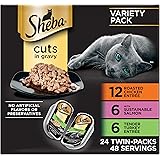
Sheba Perfect Portions Wet Cat Food Cuts in Gravy, Cat Food Wet Recipe, Roasted Chicken Entree, with Sustainable Salmon, Tender Turkey Entree, 2.6 oz. Twin-Pack Trays (24 Count, 48 Servings)
$23.38 (as of April 5, 2026 21:35 GMT -05:00 - More infoProduct prices and availability are accurate as of the date/time indicated and are subject to change. Any price and availability information displayed on [relevant Amazon Site(s), as applicable] at the time of purchase will apply to the purchase of this product.)
Now retrieving an image set.
Amazon Basics Leak-Proof Dog and Puppy Potty Training Pee Pads with Quick-Dry 5-Layer Super Absorbent Design, Regular Size 22 x 22 inch, Blue & White, 100 Count
$17.45 (as of April 5, 2026 21:35 GMT -05:00 - More infoProduct prices and availability are accurate as of the date/time indicated and are subject to change. Any price and availability information displayed on [relevant Amazon Site(s), as applicable] at the time of purchase will apply to the purchase of this product.)
Now retrieving an image set.
Purina Fancy Feast Gravy Lovers Poultry and Beef Grilled Gourmet Wet Cat Food Variety Pack - (Pack of 24) 3 oz. Cans
$22.86 (as of April 5, 2026 21:35 GMT -05:00 - More infoProduct prices and availability are accurate as of the date/time indicated and are subject to change. Any price and availability information displayed on [relevant Amazon Site(s), as applicable] at the time of purchase will apply to the purchase of this product.)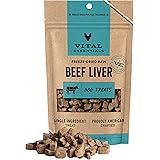
Now retrieving an image set.
Vital Essentials Freeze Dried Dog Treats | Beef Liver, Single Ingredient | Premium Quality | Grain Free Training Treats for Dogs, 2.1 oz Bag
$5.99 (as of April 5, 2026 21:35 GMT -05:00 - More infoProduct prices and availability are accurate as of the date/time indicated and are subject to change. Any price and availability information displayed on [relevant Amazon Site(s), as applicable] at the time of purchase will apply to the purchase of this product.)
Now retrieving an image set.