Crate Training Essentials: Step-by-Step Guide
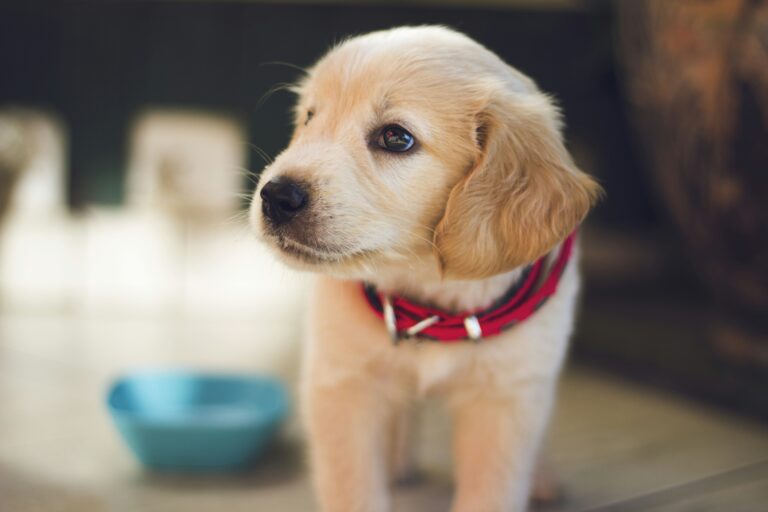
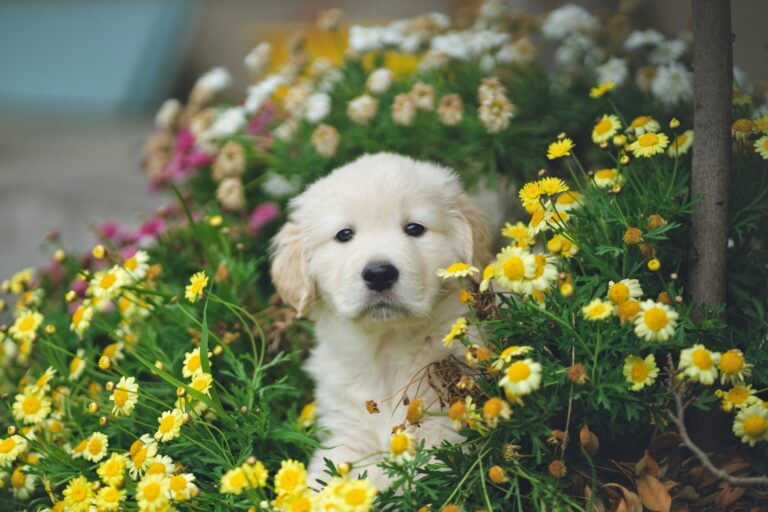
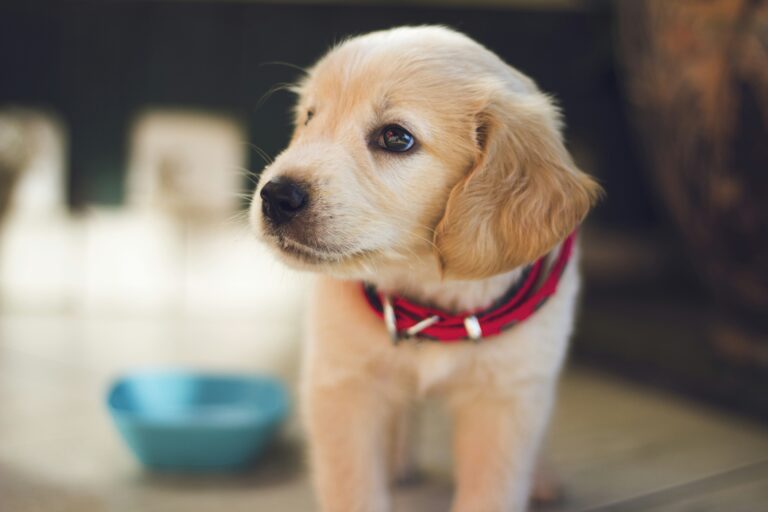
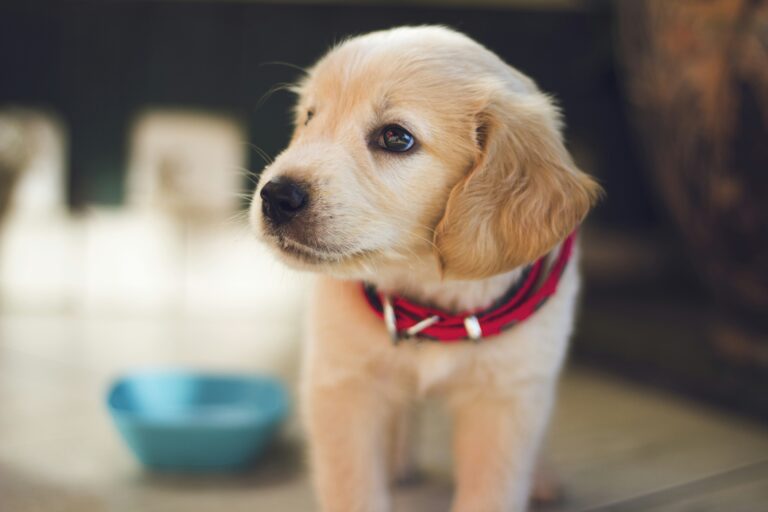
If you’ve ever felt like the crate training process was some kind of mysterious puzzle designed to frustrate you, you’re not alone. Crate training, honestly, can be a rollercoaster—full of challenges that sneak up just when you think you’ve figured it out. This Crate Training Essentials: Step-by-Step Guide isn’t just theory. It’s built from real moments of trial, error, and small victories that every puppy owner faces. Because I get it—getting your puppy comfortable with their crate is way more than just leaving a door open and hoping for the best.
What Is the First Step in Crate Training a Puppy?
The very first step is to make the crate a welcoming, non-threatening space where your puppy feels safe. This means introducing the crate slowly, with the door open, using treats, toys, and calm encouragement—but never forcing. The crate should become a cozy retreat, not a place of punishment.
How Long Should a Puppy Stay in the Crate at a Time?
Puppies’ bladders and brains aren’t fully developed, so limit crate time to about one hour per month of age, up to a maximum of around four hours during the day. Overnight might stretch a little longer, but remember: when they’re young, they need frequent breaks.
Start with Short Sessions That Build Trust
This is where things quietly go wrong for most beginners: rushing the puppy inside and expecting instant love. Instead, start by tossing a few treats inside and step away. Let the puppy explore at their own pace. Offering a special toy—think of a stuffed Kong or a favorite chew—is a game-changer here. It ties the crate to positive experiences and helps reduce that “trap” feeling.
BarkBox - Monthly Dog Subscription Box
Get your puppy the best toys and treats delivered monthly! BarkBox offers premium dog toys, treats, and chews that are perfect for growing puppies. Each box is curated by experts and includes 2 toys, 2 bags of treats, and a chew.
Amazon Puppy Essentials
Everything you need for your new puppy in one place. From crates and beds to food bowls and training pads, Amazon has all the essentials at great prices with fast shipping.
Personally, I watched a friend’s puppy who OMFG refused to go near her crate until she began doing short “in and out” drills, paired with significant praise and playtime right after. It surprised her how fast trust grew with little, consistent steps.
Set Up Your Space to Reduce Clutter and Stress
You want a spot near where the family hangs out, so the puppy doesn’t feel isolated. Organizing your puppy supplies around the crate area makes a huge difference. Keep leash, treats, cleaning tools, and toys all in one easy-to-reach storage system—this minimizes frantic late-night searches and keeps the area tidy. Over time, as your puppy grows, adapt those storage setups—rotate toys to keep novelty alive, and upgrade food storage containers for freshness and convenience.
Keep Feeding in the Crate to Build Positive Associations
One tactic that makes a bigger difference than you expect: feeding meals inside the crate. This alone can shift your puppy’s mindset from “cage” to “comfort zone.” Start with meals near the crate entrance, then gradually place the bowl deeper inside. Remember, the idea isn’t to trap but to bond comfort with the crate.
Handling Accidents Without Stress
Accidents happen. Huge sigh. Most people miss this completely—they get frustrated or scold and suddenly the crate is a place of fear. Instead, treat accidents as part of the journey. Use enzymatic cleaners to break down odors, and keep your cleanup supplies neatly stashed nearby for quick action. Your puppy isn’t being spiteful; they’re still learning bladder control and boundaries. Patience paired with practical cleanup keeps the process moving without tension.
Integrate Crate Training into Your Puppy’s Routine Without Losing Your Mind
The true challenge is building crate time into your daily flow without your living room becoming a chaotic mess. This is where a smart puppy storage system changes the game. Having dedicated bins or drawers for crate blankets, rotating toys, and training treats keeps everything streamlined. It’s about creating a puppy environment that evolves with their needs—less clutter, more calm. A tidy, efficient setup also makes your puppy feel at home rather than in a constantly changing space.
If you’re looking to dive deeper into raising a well-adjusted pup, check out my full resource on Puppy Training. It includes ways to mix organization with training for smoother days and sanity-saving tips.
Frequently Asked Questions
My puppy cries loudly in the crate at night. What should I do?
This is really common. The key is patience and gradual adjustment. Start with short crate sessions during the day, then slowly increase overnight stays. Using a cozy crate cover, soft bedding, and a worn t-shirt with your scent can soothe them. Avoid taking the puppy out for every whimper; learn to distinguish urgent needs (like a bathroom break) from noise meant to get attention.
How do I store puppy toys so they don’t overwhelm my space?
Toy rotation is king. Keep smaller sets of toys accessible and store extras out of sight. Swap toys weekly to maintain interest. Use bins or nets attached to walls near play areas to keep clutter down yet items reachable.
Can I leave water in the crate with my puppy?
For short periods, yes. But for extended crate time, especially overnight, avoid water to reduce accidents. Make sure they’ve had a good drink beforehand and give frequent access outside the crate.
What’s the best way to organize puppy food and supplies?
Use airtight containers labeled by food type or age stage to preserve freshness and reduce pests. Keep feeding tools like scoops, meal mats, and treat jars together in a designated area close to the crate and feeding spot for easy access.
My puppy isn’t interested in the crate—how can I encourage them?
Use high-value treats and special toys to lure them inside. Feed meals or snacks in the crate and never force entry. Pair crate time with positive vibes—play, gentle praise, and calm tones.
How can I keep cleaning up accidents from disrupting crate training momentum?
Keep enzymatic cleaner handy and immediately clean any messes to eliminate odors fully. A well-organized cleaning supply station nearby lets you handle accidents quickly, so training doesn’t derail.
What if the crate seems too small or large as my puppy grows?
Choose an adjustable crate or one with dividers that can expand as your puppy grows, maintaining a cozy but not cramped space. This keeps the crate feeling like a safe den, not a cage that’s either too tight or intimidatingly large.
Ultimately, crate training is as much about creating a home routine that brings calm and order as it is about teaching your puppy behavior. The right systems—comfort, organization, and patience—pave the way.
Look, crate training can feel overwhelming. But by taking it step-by-step and setting up an environment that works for you and your puppy, the whole process becomes manageable—even kind of rewarding. Before you know it, your pup will see the crate as their fortress of calm, and you’ll have the easy, clutter-free setup to back it up. Hang in there—you’re closer than you think.
Now retrieving an image set.
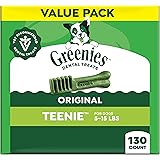
Greenies Veterinarian-Recommended Adult Natural Dental Dog Treats Teenie Size, Dog Dental Chews, Original Flavor, 36 oz. Pack, 130 Count
$36.97 (as of April 8, 2026 21:38 GMT -05:00 - More infoProduct prices and availability are accurate as of the date/time indicated and are subject to change. Any price and availability information displayed on [relevant Amazon Site(s), as applicable] at the time of purchase will apply to the purchase of this product.)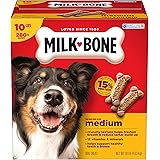
Now retrieving an image set.
Milk-Bone Original Dog Treats Biscuits for Medium Dogs, 10 Pound
$14.98 (as of April 8, 2026 21:38 GMT -05:00 - More infoProduct prices and availability are accurate as of the date/time indicated and are subject to change. Any price and availability information displayed on [relevant Amazon Site(s), as applicable] at the time of purchase will apply to the purchase of this product.)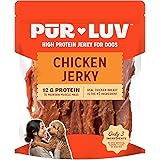
Now retrieving an image set.
Pur Luv Chicken Jerky Dog Treats, Made with 100% Real Chicken Breast, 16 Ounces, Healthy, Easily Digestible, Long-Lasting, High Protein, Satisfies Dog's Urge to Chew
$13.99 (as of April 8, 2026 21:38 GMT -05:00 - More infoProduct prices and availability are accurate as of the date/time indicated and are subject to change. Any price and availability information displayed on [relevant Amazon Site(s), as applicable] at the time of purchase will apply to the purchase of this product.)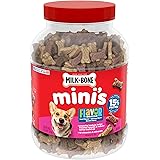
Now retrieving an image set.
Milk-Bone Flavor Snacks Mini’s Dog Biscuits, Flavored Crunchy Dog Treats, 36 Oz. Canister
$11.47 (as of April 8, 2026 21:38 GMT -05:00 - More infoProduct prices and availability are accurate as of the date/time indicated and are subject to change. Any price and availability information displayed on [relevant Amazon Site(s), as applicable] at the time of purchase will apply to the purchase of this product.)
Now retrieving an image set.