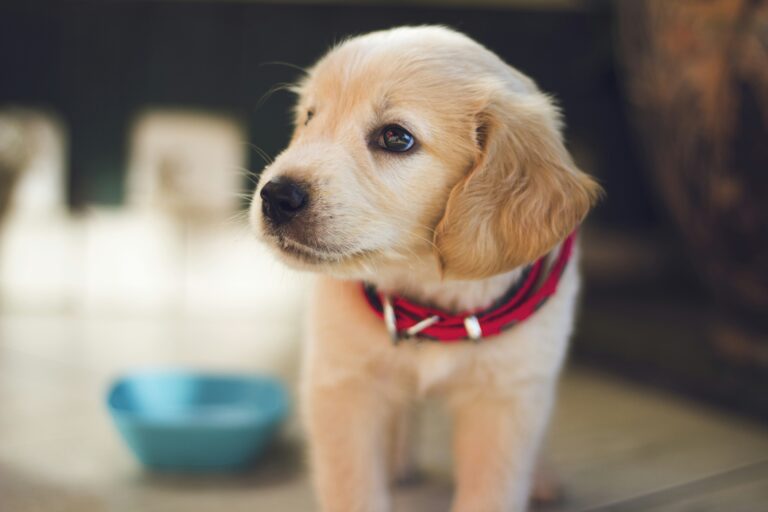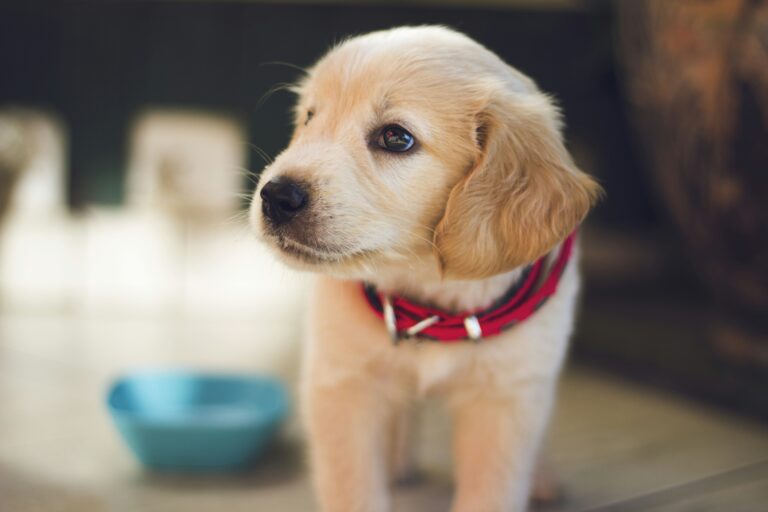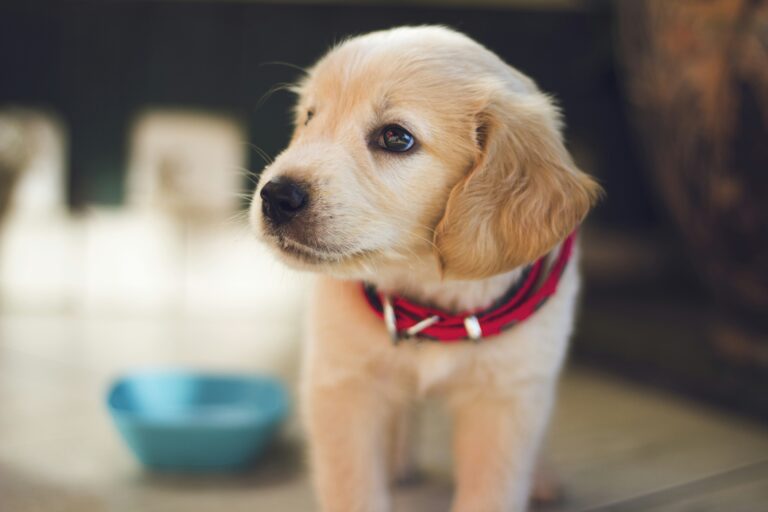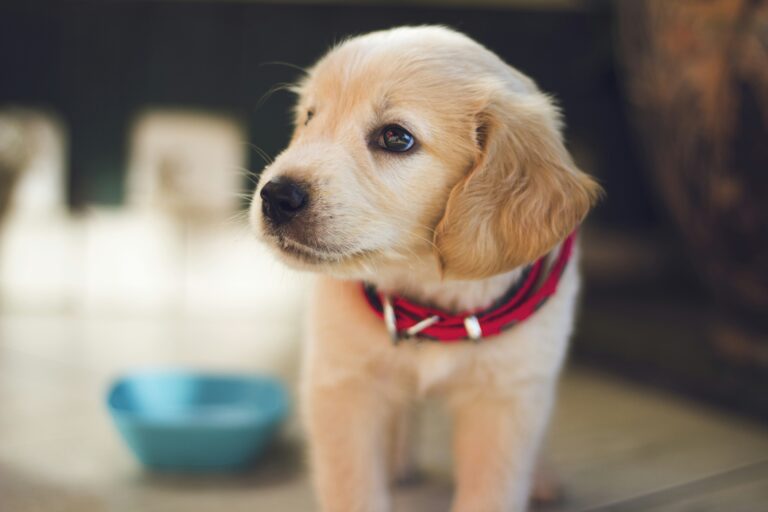
Leash Training for Beginners: Building Focus
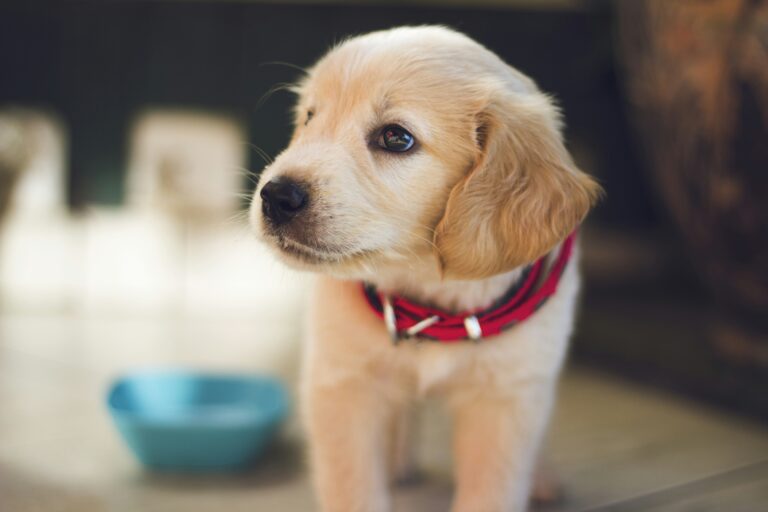
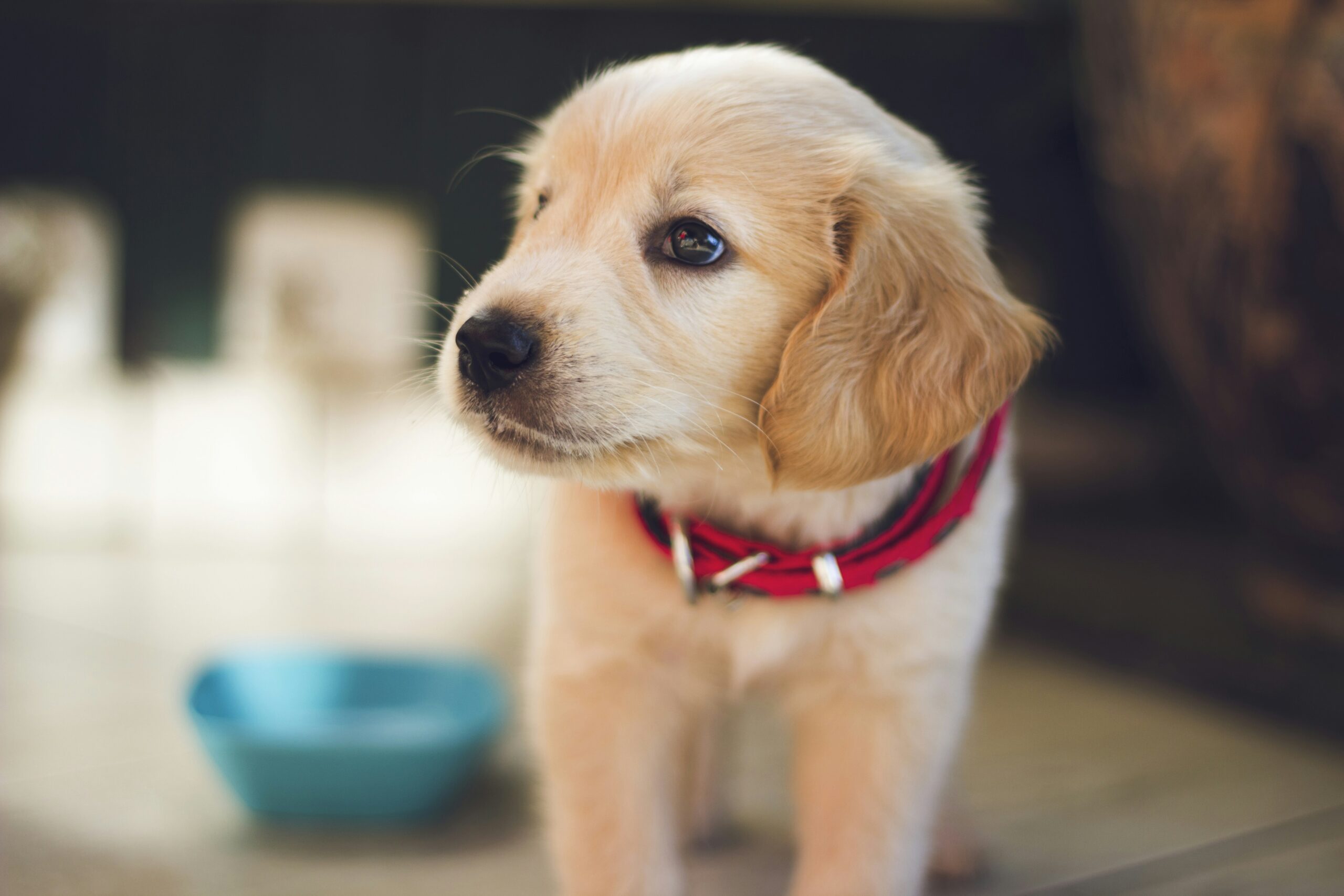
Nothing’s quite as frustrating as grabbing the leash, stepping out the door, and having your puppy turn the walk into a tug-of-war contest. If you’ve been there, you know exactly why Leash Training for Beginners: Building Focus is a must-have skill for everyone starting out. It’s not just about avoiding chaos on the sidewalk—it’s about building a connection with your puppy that makes every walk enjoyable and safe. Here’s what surprised me when I first started this journey: you can teach a pup calm leash behavior much faster than you think, but it all hinges on focus.
Why Does My Puppy Pull on the Leash?
Most puppies pull because they are curious, excited, or overwhelmed by the world around them. They want to explore, and the leash feels like a limitation. Without clear focus on you, the world wins their attention every time. Pulling isn’t about being “bad”; it’s about their natural instincts expressing through movement.
How Do You Get a Puppy to Focus While Leash Training?
Getting a puppy to focus means becoming the most interesting thing in their world during a walk. Use treats, praise, and short, controlled sessions. Start indoors or in a quiet yard, practicing gentle leash walking and rewarding calm behavior. Keep sessions short but frequent to build a habit.
Start With the Right Equipment
Before even stepping outside, get the gear that supports your goals. A well-fitting harness can reduce pulling and prevent injury. Avoid retractable leashes—they encourage pulling because the puppy learns they can stretch the leash like an elastic band. At PuppyStorage.com, we often recommend investing in storage solutions that keep your training supplies—leashes, treats, harnesses—organized and easy to grab. It reduces the chance of a rushed, frantic start that sets everyone on edge.
BarkBox - Monthly Dog Subscription Box
Get your puppy the best toys and treats delivered monthly! BarkBox offers premium dog toys, treats, and chews that are perfect for growing puppies. Each box is curated by experts and includes 2 toys, 2 bags of treats, and a chew.
Amazon Puppy Essentials
Everything you need for your new puppy in one place. From crates and beds to food bowls and training pads, Amazon has all the essentials at great prices with fast shipping.
Tiny Steps, Big Results
This is where things quietly go wrong: expecting a puppy to walk perfectly on leash on day one. Instead, break it down. Practice “heel” or “walk beside me” in 5-foot increments. Reward lavishly. Stop moving the moment your pup tugs. Let them learn that pull = no forward progress. It seems slow at first, but it makes a bigger difference than you expect when you’re two weeks in.
Build Focus Through Engagement
Leash training isn’t just about tightening control; it’s about connecting with your puppy through activity and trust. Use your voice and body language to keep their attention. Short games and frequent check-ins help. Here’s what most people miss completely: bringing a chew toy or favorite item along can keep their head in the game without creating chaos. Rotating toys—something we stress at PuppyStorage.com—makes these tools feel fresh and exciting, even out on the trail.
Creating an Efficient Puppy Environment to Support Training
Creating order at home spills over to better training sessions. An organized space where leashes, harnesses, and treats each have their specific place makes getting ready for a walk far less stressful. We’re big fans of storage systems that evolve as your puppy grows—what fits today might be too small tomorrow, so planning that adaptability ahead saves time and frustration. Reducing clutter around training gear means you spend less mental energy hunting for a treat and more focused energy helping your puppy learn.
Incorporate Short Sessions and Gradual Challenges
Keep early leash sessions short—3 to 5 minutes. It’s tempting to push through, but that’s a fast way to lose your puppy’s attention. Gradually increase duration and complexity. Move from the quiet backyard to your driveway, then the sidewalk. At PuppyStorage.com, we often hear from owners that storing supplies in multiple locations—one by the door, one by the car—helps them maintain consistency even when time is tight.
Keeping Consistency No Matter the Season or Setting
Weather, distractions, or a change of route can derail progress instantly. Most people aren’t prepared for this. Plan ahead by having a to-go kit of treats and substitute toys in your storage system for different walk environments. Keeping the routine intact despite outside chaos shows your puppy that focus on you is always the top priority.
Frequently Asked Questions
Why won’t my puppy look at me during leash training?
They’re overwhelmed or distracted. Slow things down, reduce distractions, and reward any glance toward you. Use high-value treats or a favorite toy to build their interest gradually.
Can toy rotation really help with leash focus?
Yes. Rotating toys keeps them novel and exciting. Bringing a “fresh” toy helps sustain your puppy’s attention during training sessions outside, reducing the urge to pull or explore.
How do I avoid leash tangles with an active puppy?
Keep leashes and harnesses stored neatly in a dedicated container or hook near your door. This reduces fumbling before walks and helps you slip the leash on smoothly, starting the session calm and organized.
What’s the best treat to use for leash training?
Small, soft, and highly enticing treats work best. Storing a variety of treats in an easy-access container near the leash area helps you quickly reward good behavior without interrupting flow.
How do I handle leash training with other pets in the house?
Train your puppy separately first. Use storage solutions to keep supplies organized by pet so you’re not mixing treats or toys, which can confuse or distract your puppy during outside walks.
What if my puppy gets overwhelmed on walks?
Shorten sessions, find quieter routes, or practice inside more. Having quick access to calming toys stored in your puppy training kit can help redirect their focus when the world gets too loud.
How can I keep leash training fun for both of us?
Mix training with play—bring a favorite toy, vary your route, reward every small success. Organizing your supplies to be readily available ensures you’re always ready to turn a frustrating moment into a fun one.
Leash training might spark moments of frustration and doubt, but remember, every pull and every look away is just your puppy learning. Getting their focus doesn’t happen by magic—it’s built with consistency, attention to small details, and yes, it’s definitely easier when your supplies are sorted and ready ahead. Stick with it. You’ll soon turn those chaotic walks into the best part of your day.

Now retrieving an image set.
Purina Fancy Feast Grilled Wet Cat Food Seafood Collection in Wet Cat Food Variety Pack - (Pack of 24) 3 oz. Cans
$22.86 (as of April 8, 2026 21:38 GMT -05:00 - More infoProduct prices and availability are accurate as of the date/time indicated and are subject to change. Any price and availability information displayed on [relevant Amazon Site(s), as applicable] at the time of purchase will apply to the purchase of this product.)
Now retrieving an image set.
HONEY CARE All-Absorb A26 Male Dog Wrap, 50 Count, Small
$17.97 (as of April 8, 2026 21:38 GMT -05:00 - More infoProduct prices and availability are accurate as of the date/time indicated and are subject to change. Any price and availability information displayed on [relevant Amazon Site(s), as applicable] at the time of purchase will apply to the purchase of this product.)
Now retrieving an image set.
Pur Luv Chicken Jerky Dog Treats, Made with 100% Real Chicken Breast, 16 Ounces, Healthy, Easily Digestible, Long-Lasting, High Protein, Satisfies Dog's Urge to Chew
$13.99 (as of April 8, 2026 21:38 GMT -05:00 - More infoProduct prices and availability are accurate as of the date/time indicated and are subject to change. Any price and availability information displayed on [relevant Amazon Site(s), as applicable] at the time of purchase will apply to the purchase of this product.)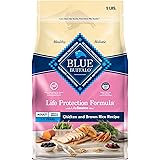
Now retrieving an image set.
Blue Buffalo Life Protection Formula Adult Small Breed Dry Dog Food, Supports High Energy Needs, Made with Natural Ingredients, Chicken & Brown Rice Recipe, 5-lb. Bag
$17.48 (as of April 8, 2026 21:38 GMT -05:00 - More infoProduct prices and availability are accurate as of the date/time indicated and are subject to change. Any price and availability information displayed on [relevant Amazon Site(s), as applicable] at the time of purchase will apply to the purchase of this product.)
Now retrieving an image set.