
Managing Nighttime Crate Comfort and Anxiety
If you’ve ever been jolted awake by a puppy’s desperate whimper in the middle of the night, you know how managing nighttime crate comfort and anxiety feels less like training and more like an emotional roller coaster. It’s exhausting, frustrating, and downright confusing. You feel like you’re doing everything right—crate training, bedtime routines, giving comfort—yet the struggling doesn’t stop. Here’s what surprised me in those early weeks: it wasn’t about the crate itself, but how every little detail around it either helped build security or quietly shredded it.
Why is my puppy anxious in their crate at night?
Most puppies feel vulnerable in crates overnight because they’re separated from their littermates and humans for the first time. The combination of new surroundings, unfamiliar smells, and disrupted sleep cycles triggers anxiety. It’s their way of signaling: “I’m scared, I’m alone, and I need you.” Without proper nighttime prep, this spirals into loud crying and efforts to escape.
Can I make my puppy’s crate more comfortable to reduce anxiety?
Absolutely. Comfort isn’t just about a cozy bed. It’s the right balance of tactile softness, familiar scents, and a safe but breathable environment. When you add consistent routines and subtle sensory cues, the crate transforms from a cold box of isolation into a personal den. This makes a bigger difference than you expect in calming nighttime stress.
Setting the Stage: Real Nighttime Comfort Tips That Work
Here’s where most people miss this completely. They toss a blanket in the crate or leave a random toy and expect the anxiety to melt away. It’s not just comfort—it’s layered, intentional comfort.
BarkBox - Monthly Dog Subscription Box
Get your puppy the best toys and treats delivered monthly! BarkBox offers premium dog toys, treats, and chews that are perfect for growing puppies. Each box is curated by experts and includes 2 toys, 2 bags of treats, and a chew.
Amazon Puppy Essentials
Everything you need for your new puppy in one place. From crates and beds to food bowls and training pads, Amazon has all the essentials at great prices with fast shipping.
- Soft bedding isn’t one-size-fits-all. Some puppies love plush softness. Others react better to firmer padding. Watch how your pup reacts—too soft and they might dig obsessively; too hard and it feels uninviting.
- Include familiar scents. Place a worn t-shirt or small blanket with your scent inside the crate. The smell acts like a silent whisper: you’re nearby, even if they can’t see you.
- Introduce a heartbeat toy. These toys simulate the rhythm of a littermate’s heartbeat, instantly soothing especially those who came from large litters.
- Keep the crate covered—kind of. A breathable cover simulates den-like darkness which can reduce anxiety, but too much darkness might ramp up fear. A loose drape that allows air and slight light is best.
These small details add layers of security your pup picks up on before they even realize it’s bedtime.
Crate Location and Nighttime Anxiety: What’s the Sweet Spot?
Positioning the crate often gets overlooked, and this is where things quietly go wrong. Put the crate in a spot that feels safe but not isolated. Near a hallway or your bedroom door tends to work wonders. Your puppy wants to feel close to their pack—aka you and your family—even if it’s just a few feet away. This proximity reduces midnight panic and helps them self-soothe.
Bonus: integrating storage systems nearby for toys, bedding swaps, or soothing items means you have everything at hand without fumbling around in the dark. You’ll thank yourself when you can grab what you need in seconds, rather than waking the whole house.
The Power of Toy Rotation and Food Storage in Nighttime Routine
Toys aren’t just distractions. When used right, they become emotional anchors. Rotating toys regularly keeps them interesting and exciting, but during bedtime, a favorite “comfort” toy should stay consistent to avoid confusion or disappointment. Imagine a puppy’s frustration if their go-to chew is suddenly missing—anxiety spikes.
Also, managing edible treats alongside food storage plays a subtle but key part. Integrate “bedtime snacks” stored efficiently so you can quickly reward calm behavior as part of the wind-down ritual. Efficient puppy environments mean less chaos and stress in those tight nighttime moments.
How PuppyStorage Helps You Manage Nighttime Crate Comfort and Anxiety
From personal clutter trials to finding functional puppy organization, PuppyStorage.com was born out of needing more than just storage—it’s about evolving systems that grow with your pup. As your puppy moves from tiny to teenage rebel to trusty companion, the right storage solutions save you time, space, and sanity.
We focus on organizing puppy supplies that support every aspect of care, especially those fragile nighttime hours. Thoughtful crate storage layouts for bedding, blankets, calming supplements, and toys make it easy to build and maintain comforting routines. By reducing clutter and streamlining your space, you also reduce the mental overload that comes with puppy parenting. The calmer you are, the calmer your dog will be.
If you haven’t visited yet, check out our Puppy Training pillar page where we tie these storage strategies directly into training success.
Frequently Asked Questions
How soon should I start crate training my puppy?
Crate training can begin almost immediately when you bring your puppy home. Early introduction helps them associate the crate with safety and comfort rather than punishment.
What’s the best way to organize puppy toys for bedtime?
Keep a small selection of soft, quiet toys near the crate in a designated storage bin. Rotate them weekly but keep a couple consistent night-to-night to avoid anxiety over missing favorites.
How do I store puppy food and treats to keep them fresh and accessible at night?
Use airtight containers labeled for easy access near feeding spots. This keeps food fresh and quick to grab when you want to reward calm nighttime behavior without scrabbling in dark cabinets.
Why does my puppy still cry at night after crate training?
Crying usually means your puppy feels insecure or uncomfortable. Review crate comfort factors, check crate location, and add calming scents or soft sounds. Small adjustments can turn chaos into calm.
What’s the easiest way to reduce evening clutter around puppy supplies?
Create a dedicated storage station for all puppy nighttime essentials—bedding, toys, treats, cleaning wipes—ideally near the crate. Keeping everything in one spot reduces stress and wasted energy.
Can a puppy have too many toys in their crate at night?
Yes. Too many toys can overwhelm or distract them from settling down. Choose a couple of calming favorites instead of a toy explosion.
How do I handle nighttime accidents without stressing my puppy?
Prevent accidents by scheduling bathroom breaks just before bedtime and early in the night. Keep cleaning products handy but out of reach in your storage area, and stay calm—punishment fuels anxiety.
Small Tweaks, Big Wins: Real-Life Nighttime Fixes
Picture this: You’ve tried everything, and nights are still rough. One simple change I made was moving the crate from a drafty corner to just outside my bedroom door. The difference was immediate—less whining, more quiet breathing.
Another game-changer? Using a tried-and-true toy rotation system paired with a fresh blanket that smelled like home. It wasn’t just about comfort; it was about signaling predictability to a nervous puppy brain.
Those small moments—when you realize the clutter you wrestle with at night is actually a barrier to calm—are breakthroughs. Organizing your puppy supplies isn’t just about tidiness. It’s about creating an environment your puppy can mentally lean on during those dark, quiet hours.
The Last Word on Nighttime Crate Comfort and Puppy Anxiety
Handling nighttime anxiety isn’t about perfection; it’s about connection. It’s about reading your pup’s subtle signs and having your space set to respond—not react. When you layer comfort thoughtfully, choose the right spot for the crate, fine-tune those routines, and organize your supplies efficiently, you create more than just a good night’s sleep. You build trust.
And that trust? It’s the first step toward a lifelong bond that makes all the transition pain fade into fond memory. You’ve got this.
Now retrieving an image set.
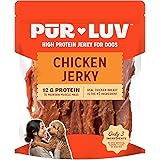
Pur Luv Chicken Jerky Dog Treats, Made with 100% Real Chicken Breast, 16 Ounces, Healthy, Easily Digestible, Long-Lasting, High Protein, Satisfies Dog's Urge to Chew
$13.99 (as of April 8, 2026 21:38 GMT -05:00 - More infoProduct prices and availability are accurate as of the date/time indicated and are subject to change. Any price and availability information displayed on [relevant Amazon Site(s), as applicable] at the time of purchase will apply to the purchase of this product.)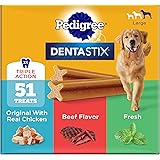
Now retrieving an image set.
Pedigree Dentastix Large Dog Treats, Original, Beef & Fresh, 2.73 lb. Variety Pack (51 Treats Total)
$23.98 (as of April 8, 2026 21:38 GMT -05:00 - More infoProduct prices and availability are accurate as of the date/time indicated and are subject to change. Any price and availability information displayed on [relevant Amazon Site(s), as applicable] at the time of purchase will apply to the purchase of this product.)
Now retrieving an image set.
Purina Fancy Feast Grilled Wet Cat Food Seafood Collection in Wet Cat Food Variety Pack - (Pack of 24) 3 oz. Cans
$22.86 (as of April 8, 2026 21:38 GMT -05:00 - More infoProduct prices and availability are accurate as of the date/time indicated and are subject to change. Any price and availability information displayed on [relevant Amazon Site(s), as applicable] at the time of purchase will apply to the purchase of this product.)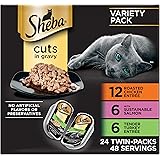
Now retrieving an image set.
Sheba Perfect Portions Wet Cat Food Cuts in Gravy, Cat Food Wet Recipe, Roasted Chicken Entree, with Sustainable Salmon, Tender Turkey Entree, 2.6 oz. Twin-Pack Trays (24 Count, 48 Servings)
$23.38 (as of April 8, 2026 21:38 GMT -05:00 - More infoProduct prices and availability are accurate as of the date/time indicated and are subject to change. Any price and availability information displayed on [relevant Amazon Site(s), as applicable] at the time of purchase will apply to the purchase of this product.)
Now retrieving an image set.