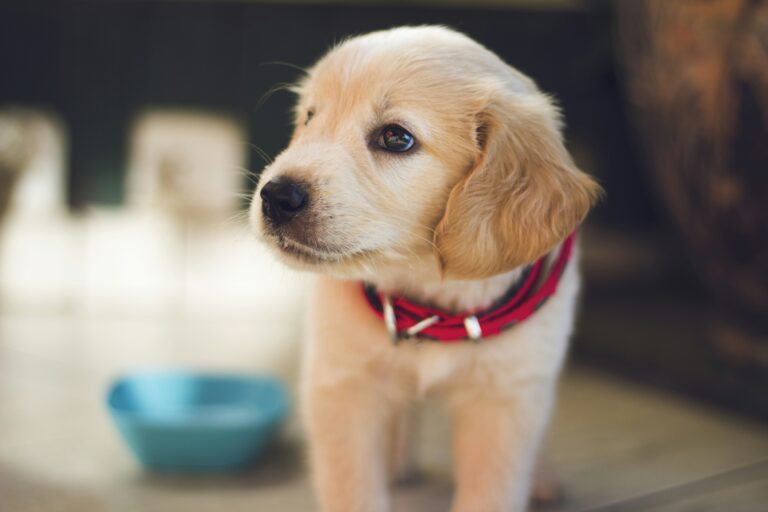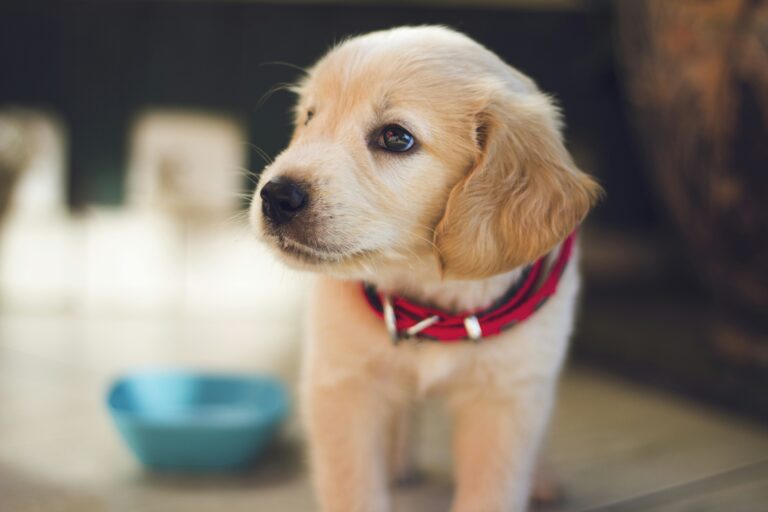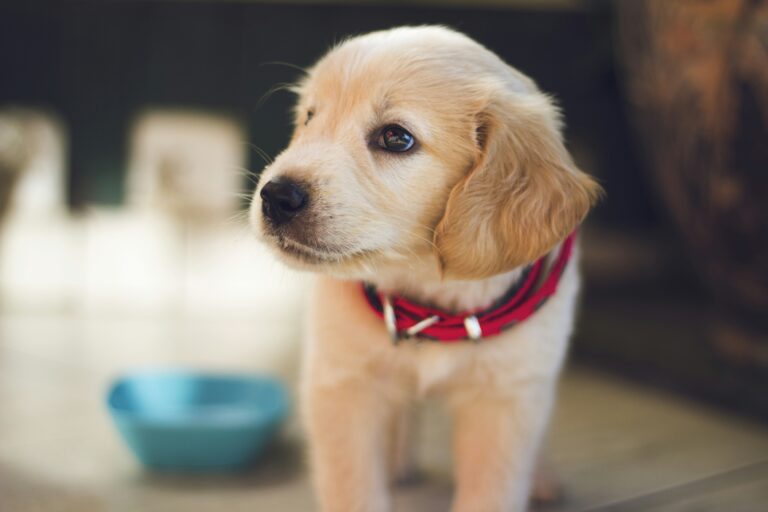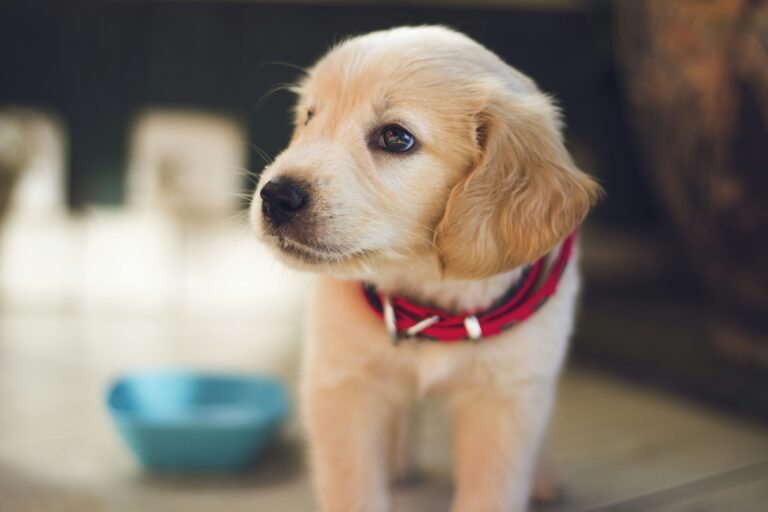
Troubleshooting Accidents: What To Do When Puppy Has Setbacks
There’s nothing quite like the sinking feeling when you spot that telltale puddle or a little mess in the corner—right after you thought you had the whole potty training thing under control. Troubleshooting accidents: what to do when puppy has setbacks isn’t just about cleaning up; it’s about keeping your cool, adjusting your approach, and reminding yourself this is all part of the journey. You’re not failing. Your puppy’s not being defiant. It’s real life, pure and simple.
Why Is My Puppy Suddenly Having Accidents?
Puppies don’t have accidents on purpose. Usually, setbacks happen because something’s changed—a new schedule, a fresh distraction, or a stressor your puppy is feeling but not showing outright. Most people miss this completely and jump straight to frustration. Instead, pause and look for what’s different. A visit to the vet for a quick check-up can’t hurt either.
How Should I Respond Immediately After an Accident?
Don’t punish. Period. Your puppy won’t connect the dots—and this is where things quietly go wrong in training. Instead, clean up without fuss using an enzymatic cleaner to banish smells. If you catch your puppy in the act, a calm “outside” and immediate take-out works better than yelling or scolding. This makes a bigger difference than you expect over time.
Create a Real-World Routine That Fits Your Life
Here’s what surprised me—most puppy owners try to follow some rigid training plan and get overwhelmed, which leads to accidents. Instead, start small and match potty times with your own real schedule. Early mornings, after meals, before bedtime. Keep these consistent. And track your puppy’s habits using a simple storage system—like a dry-erase board near the door that reminds everyone when the next potty break is.
BarkBox - Monthly Dog Subscription Box
Get your puppy the best toys and treats delivered monthly! BarkBox offers premium dog toys, treats, and chews that are perfect for growing puppies. Each box is curated by experts and includes 2 toys, 2 bags of treats, and a chew.
Amazon Puppy Essentials
Everything you need for your new puppy in one place. From crates and beds to food bowls and training pads, Amazon has all the essentials at great prices with fast shipping.
Declutter Chaos: Organizing Puppy Supplies to Reduce Stress
An often overlooked stress factor for both puppy and owner is clutter—treat wrappers on counters, half-empty food bags lying around, or scattered toys. Organizing puppy supplies isn’t just about neatness; it shapes a calm environment where your puppy can feel stability. Using modular storage bins for food storage and toy rotation keeps everything accessible but out of the way. Less clutter means fewer distractions during training—and fewer messes.
Setting Up Storage Systems That Evolve With Your Puppy
I’ve seen owners build complex setups too early and then abandon them. Your puppy’s needs will grow and shift fast. Start simple: a dedicated corner with a sturdy bin for daily essentials, a separate food container with a scoop, and a rotating selection of toys to keep interest alive without overwhelming your space. As your puppy grows, adjust. This flexibility reduces stress—for you and your puppy—and makes every accident easier to handle.
Practical Cleaning Tips That Save Time and Energy
Don’t waste precious energy battling smells that linger. Invest in a quality enzymatic cleaner—plain vinegar or bleach won’t cut it because your puppy’s nose will still detect the urine trace. Using the right cleaner means less sniffing and fewer repeat accidents in the same spot. Keep this cleaner handy in a labeled spray bottle near your puppy’s area, so clean-ups become quick and automatic, not something you dread.
How Does Efficient Food Storage Help With Training Consistency?
Consistent feeding times stabilize potty habits. But if your dog food is stashed in a flimsy bag somewhere, it’s easy to lose track. Using airtight food storage containers doesn’t just keep kibble fresh; it helps enforce a feeding routine. Easy access means you’re less likely to skip or delay meals, which keeps the puppy’s digestion—and accidents—more predictable.
Building Confidence Through Realistic Expectations
If you expected your pup to be accident-free from day one, that’s a setup for frustration. Real setbacks are normal. Seeing each accident as a puzzle piece, not a failure, shifts your mindset and motivation. Keep supplies organized, adjust routines quickly, and celebrate the small wins. You’ll find your rhythm—and your puppy will, too.
For a deeper dive into the training side of things, check out Puppy Training, where there’s hands-on advice blended with real-life experience.
Frequently Asked Questions
My puppy keeps having accidents despite regular potty breaks. Why?
Sometimes it’s about timing, environment, or health. Look for new stressors or schedule shifts, check with your vet to rule out medical causes, and make sure your puppy’s routine is consistent with your lifestyle.
How can I organize all my puppy supplies without creating clutter?
Use dedicated bins or drawers labeled by category—food, toys, grooming tools. Rotate toys to keep your puppy engaged and avoid overwhelming your space. Efficient organization builds a calm zone for everyone.
What’s the best way to store puppy food to keep it fresh?
Airtight containers designed for pet food are best. They keep kibble fresh, prevent spills, and remind you of feeding schedule. Avoid leaving bags open or crumpled.
Can toy rotation really help with training setbacks?
Yes. Toy rotation reduces boredom and overstimulation, helping your puppy focus better on training sessions. It also minimizes chew-related accidents on household items.
How do I stay patient when accidents keep happening?
Remember this is a process, not a race. Each mess is a chance to learn about your puppy’s signals and habits. Keep cleaning supplıes handy and maintain a calm, positive attitude. It pays off.
Is it normal for puppies to regress after seeming fully trained?
Absolutely. Temporary setbacks happen due to changes in routine, growth spurts, or anxiety. Review your training approach and environment, then stay consistent.
Could better storage solutions really impact my puppy’s behavior?
Yes. The puppy environment directly influences stress levels and training success. Organized, easy-to-access supplies and clean spaces support better habits and reduce accidents.
Look, setbacks are frustrating. There’s no way around that. But they’re not the end of the road—more like a bend you didn’t see coming. Organize your space, adjust routines, and approach accidents with calm and clarity. That’s the real secret to moving from messes to mastery. You’ve got this.
Now retrieving an image set.
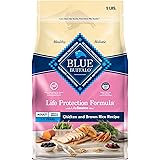
Blue Buffalo Life Protection Formula Adult Small Breed Dry Dog Food, Supports High Energy Needs, Made with Natural Ingredients, Chicken & Brown Rice Recipe, 5-lb. Bag
$17.48 (as of April 8, 2026 21:38 GMT -05:00 - More infoProduct prices and availability are accurate as of the date/time indicated and are subject to change. Any price and availability information displayed on [relevant Amazon Site(s), as applicable] at the time of purchase will apply to the purchase of this product.)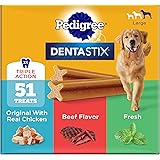
Now retrieving an image set.
Pedigree Dentastix Large Dog Treats, Original, Beef & Fresh, 2.73 lb. Variety Pack (51 Treats Total)
$23.98 (as of April 8, 2026 21:38 GMT -05:00 - More infoProduct prices and availability are accurate as of the date/time indicated and are subject to change. Any price and availability information displayed on [relevant Amazon Site(s), as applicable] at the time of purchase will apply to the purchase of this product.)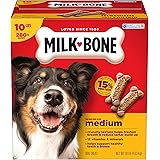
Now retrieving an image set.
Milk-Bone Original Dog Treats Biscuits for Medium Dogs, 10 Pound
$14.98 (as of April 8, 2026 21:38 GMT -05:00 - More infoProduct prices and availability are accurate as of the date/time indicated and are subject to change. Any price and availability information displayed on [relevant Amazon Site(s), as applicable] at the time of purchase will apply to the purchase of this product.)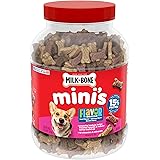
Now retrieving an image set.
Milk-Bone Flavor Snacks Mini’s Dog Biscuits, Flavored Crunchy Dog Treats, 36 Oz. Canister
$11.47 (as of April 8, 2026 21:38 GMT -05:00 - More infoProduct prices and availability are accurate as of the date/time indicated and are subject to change. Any price and availability information displayed on [relevant Amazon Site(s), as applicable] at the time of purchase will apply to the purchase of this product.)
Now retrieving an image set.