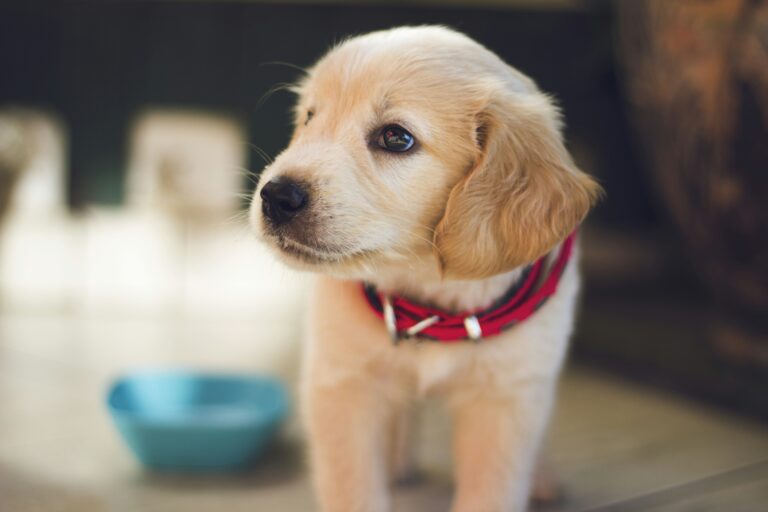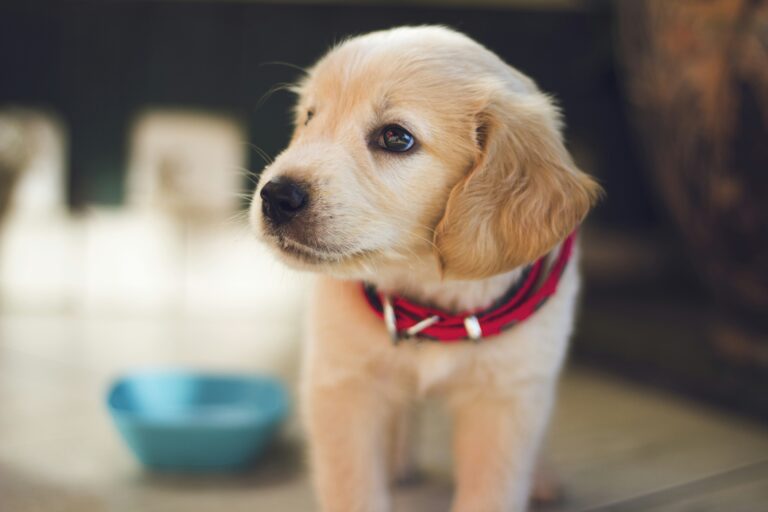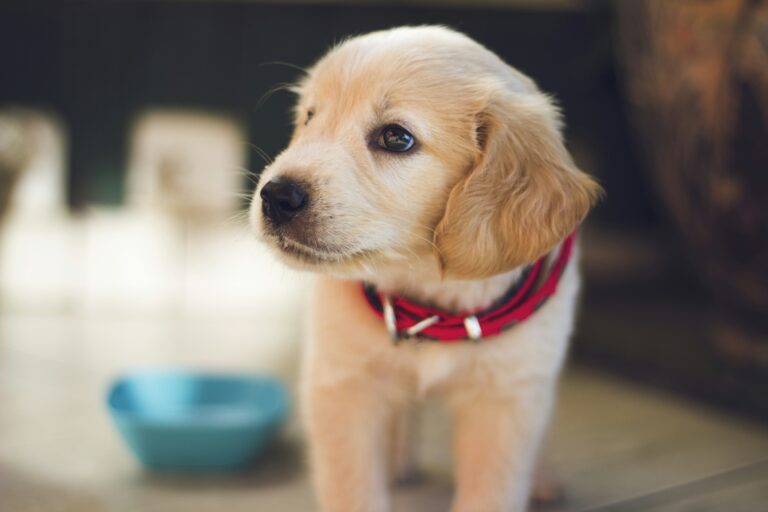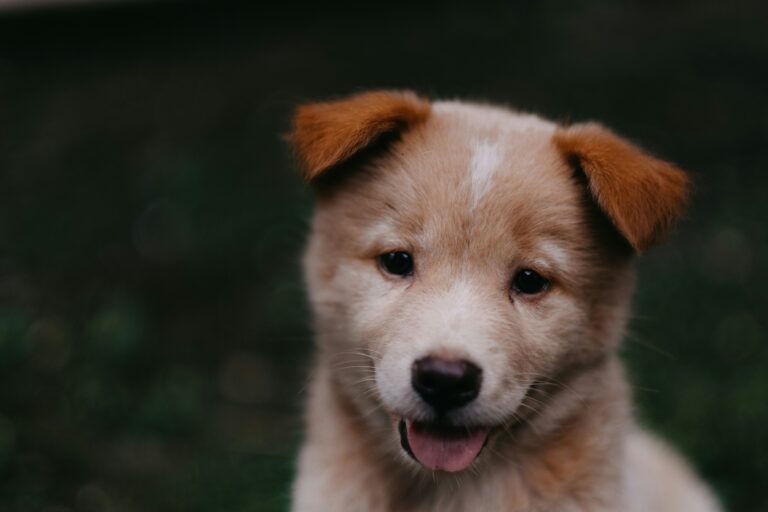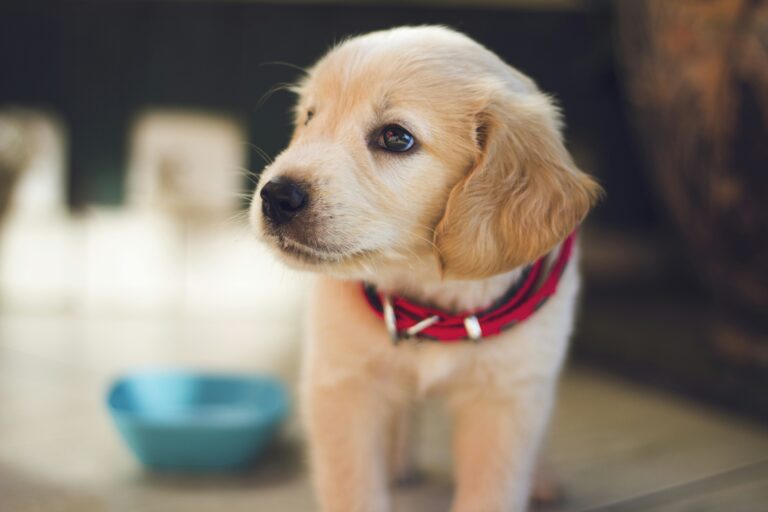
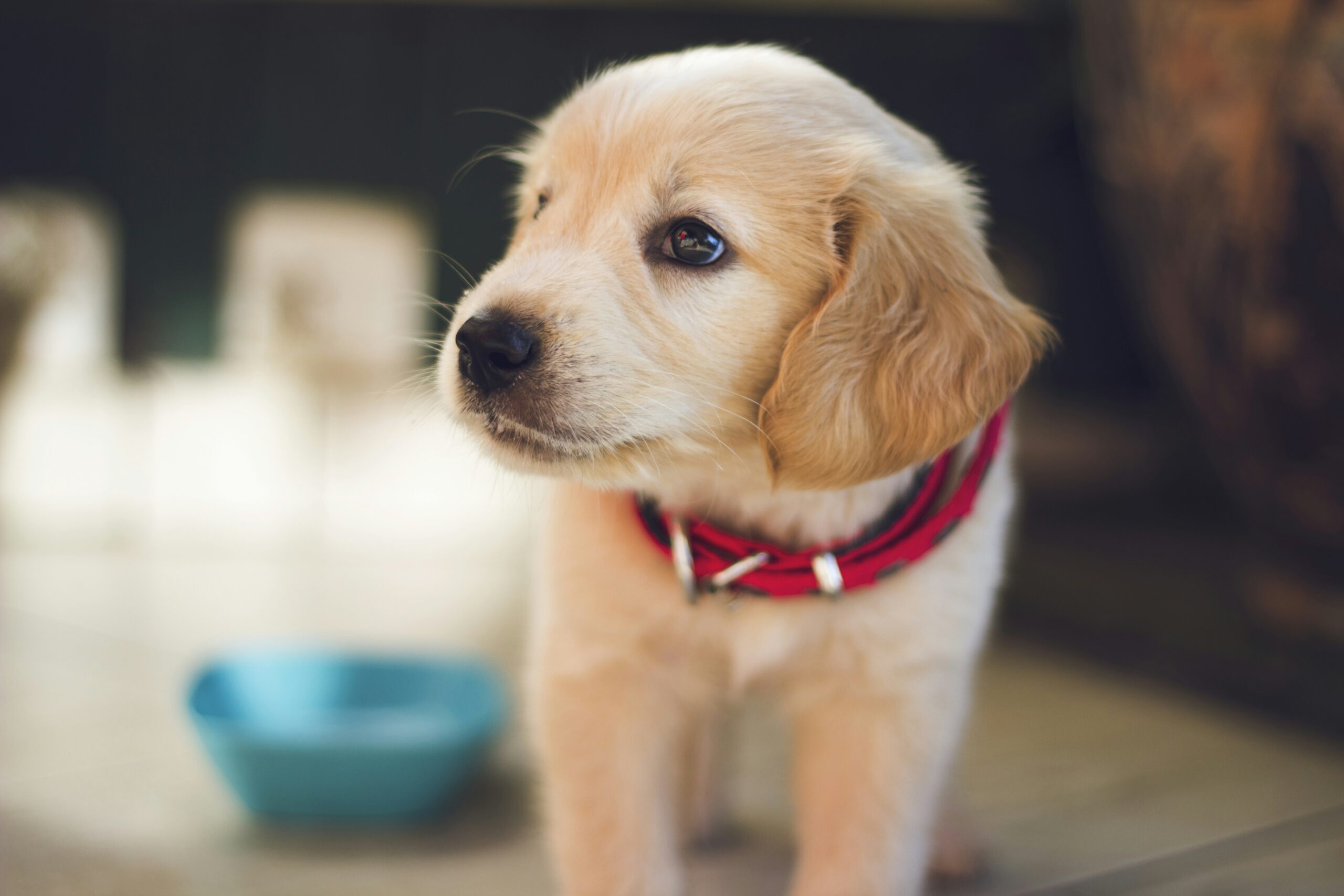
Understanding Puppy Biting and How to Stop It
If you’ve ever felt those sharp little teeth latch onto your hand and thought, “Why won’t this stop?”—you’re not alone. Understanding Puppy Biting and How to Stop It is something every new dog owner faces, and honestly, it can feel like a battle of wills with a tiny, adorable ninja. I’ve seen first-hand how frustrating it is watching your best buddy transform teeth into little tools of chaos. But here’s the thing: biting isn’t just bad behavior; it’s communication—and knowing that flips the whole script.
Why Do Puppies Bite So Much?
Puppies bite because their mouths are their main way of exploring the world. Think of it as their version of “hands on” learning—and everything is new, exciting, and sometimes overwhelming. Teething plays a huge role too; just like human babies, pups’ gums ache, and chewing helps relieve that soreness.
What Is the Most Effective Way to Stop Puppy Biting?
The quickest way isn’t punishment—it’s consistent redirection and teaching bite inhibition. That means showing your puppy that there’s a gentle way to play with humans without using teeth. Yelping or stopping play when they bite too hard sends a clear message they need to tone it down.
Why Do Puppies Sometimes Bite Even After Training?
Here’s what surprised me: it’s not laziness or stubbornness—it’s confusion and inconsistent feedback. Puppies live in the moment and don’t hold grudges, but if the rules shift based on who’s around or the mood, they struggle to learn. Consistency is everything with puppy biting and training overall.
BarkBox - Monthly Dog Subscription Box
Get your puppy the best toys and treats delivered monthly! BarkBox offers premium dog toys, treats, and chews that are perfect for growing puppies. Each box is curated by experts and includes 2 toys, 2 bags of treats, and a chew.
Amazon Puppy Essentials
Everything you need for your new puppy in one place. From crates and beds to food bowls and training pads, Amazon has all the essentials at great prices with fast shipping.
Real-World Tips to Manage and Stop Puppy Biting
Let’s get practical. Early on, have a stash of chew toys ready and within reach. This is where things quietly go wrong: owners don’t prepare enough alternatives, and a curious pup turns their teeth on whatever’s available—often your fingers or favorite shoes. Rotating toys not only keeps your pup engaged but helps them associate “appropriate chew toy” with relief and fun.
Also, design the environment where your puppy spends most of their time thoughtfully. Less clutter, dedicated puppy zones, and organized storage for supplies make it easier to manage behavior. When toys and chews are stored neatly and swapped regularly, puppies don’t get bored, which cuts down on those wild bite sessions.
How Organizing Puppy Supplies Can Reduce Biting Episodes
It might sound unrelated, but a well-organized puppy space eases a lot of the tension around biting. Having a system where food, toys, and training tools are in easy reach means you’re ready to redirect biting instantly—before it turns into frustration. I’ve found that using PuppyStorage systems that evolve as the puppy grows makes managing these transitions smoother and less stressful for everyone.
Building Bite Inhibition Through Play and Routine
Playtime is golden—and also where most biting happens. Teaching gentle play means knowing when to stop and when to reward. For example, pause play after a bite and wait for calm behavior before continuing. Over time, your puppy gets the message that gentle mouths mean longer fun. Incorporate this into your training routines, and keep your puppy’s favorite toys handy so the transition from biting your hand to chewing their toy is seamless.
Feeding and Food Storage Tactics That Help With Biting
Feeding routines can also influence biting. Puppies sometimes bite out of hunger or excitement. Keeping a predictable feeding schedule, using food storage containers that seal in freshness, and pre-measuring portions mean fewer frenzied snack times and less urgent biting behavior. Plus, storing food properly in clear, labeled containers reduces clutter and keeps your puppy’s dining space calm and inviting.
Frequently Asked Questions
How do I stop my puppy from biting when playing?
Redirect their teeth to toys immediately when they start biting hands. Use a sharp “ouch” or stop play briefly to signal the bite was too hard.
Should I give my puppy chew toys or just let them bite my fingers?
Chew toys are essential. They teach your puppy what’s okay to bite and help relieve teething discomfort.
How can I keep my puppy supplies organized as they grow?
Use adaptable storage solutions that grow with your puppy’s needs—start with toy bins, food containers, and space for training gear, then upgrade as your pup matures.
Is it normal for a puppy to bite even after training?
Yes, puppies need repetition and patience. Consistent responses from everyone in the household are crucial for lasting changes.
What’s the best way to manage puppy toys to reduce biting?
Practice toy rotation. Keep a subset of toys accessible and swap others out weekly to maintain your puppy’s interest.
Can feeding schedule affect biting behavior?
Absolutely. A predictable feeding schedule reduces anxiety and excitement that can trigger biting.
How does proper storage help with puppy biting?
Organized storage keeps all training and play items handy so you can quickly redirect biting before it escalates.
The toughest part about puppy biting is feeling like you’re constantly “putting out fires.” But with the right blend of preparation, storage, and practical bite inhibition training, it gets easier. Puppies are quick learners when we set them up for success—and a tidy, organized environment isn’t just good hygiene; it’s a strategy. If you want to build from the basics and develop a strong foundation for your pup, check out our detailed guide on Puppy Training. The payoff? A calm pup, confident owner, and a home where biting is just a distant memory.
Now retrieving an image set.
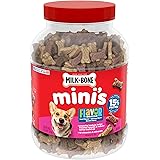
Milk-Bone Flavor Snacks Mini’s Dog Biscuits, Flavored Crunchy Dog Treats, 36 Oz. Canister
$11.47 (as of April 8, 2026 21:38 GMT -05:00 - More infoProduct prices and availability are accurate as of the date/time indicated and are subject to change. Any price and availability information displayed on [relevant Amazon Site(s), as applicable] at the time of purchase will apply to the purchase of this product.)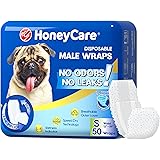
Now retrieving an image set.
HONEY CARE All-Absorb A26 Male Dog Wrap, 50 Count, Small
$17.97 (as of April 8, 2026 21:38 GMT -05:00 - More infoProduct prices and availability are accurate as of the date/time indicated and are subject to change. Any price and availability information displayed on [relevant Amazon Site(s), as applicable] at the time of purchase will apply to the purchase of this product.)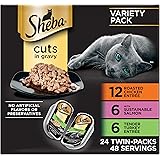
Now retrieving an image set.
Sheba Perfect Portions Wet Cat Food Cuts in Gravy, Cat Food Wet Recipe, Roasted Chicken Entree, with Sustainable Salmon, Tender Turkey Entree, 2.6 oz. Twin-Pack Trays (24 Count, 48 Servings)
$23.38 (as of April 8, 2026 21:38 GMT -05:00 - More infoProduct prices and availability are accurate as of the date/time indicated and are subject to change. Any price and availability information displayed on [relevant Amazon Site(s), as applicable] at the time of purchase will apply to the purchase of this product.)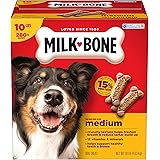
Now retrieving an image set.
Milk-Bone Original Dog Treats Biscuits for Medium Dogs, 10 Pound
$14.98 (as of April 8, 2026 21:38 GMT -05:00 - More infoProduct prices and availability are accurate as of the date/time indicated and are subject to change. Any price and availability information displayed on [relevant Amazon Site(s), as applicable] at the time of purchase will apply to the purchase of this product.)
Now retrieving an image set.