Using Crate Time to Support Potty Habits
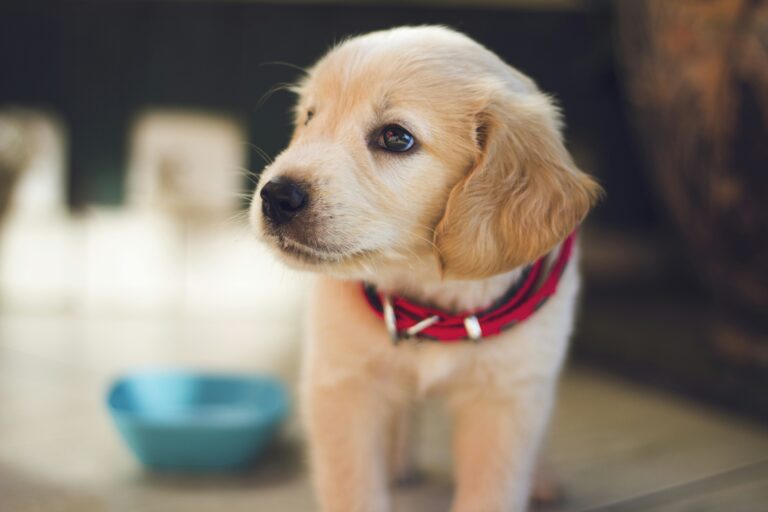
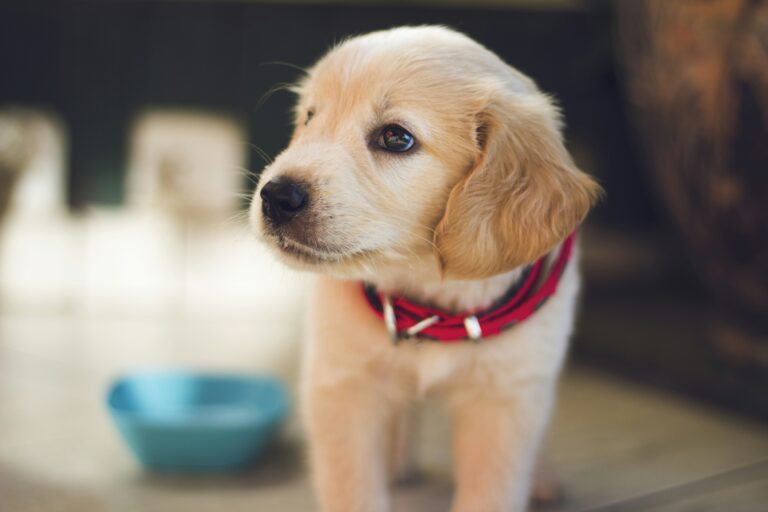
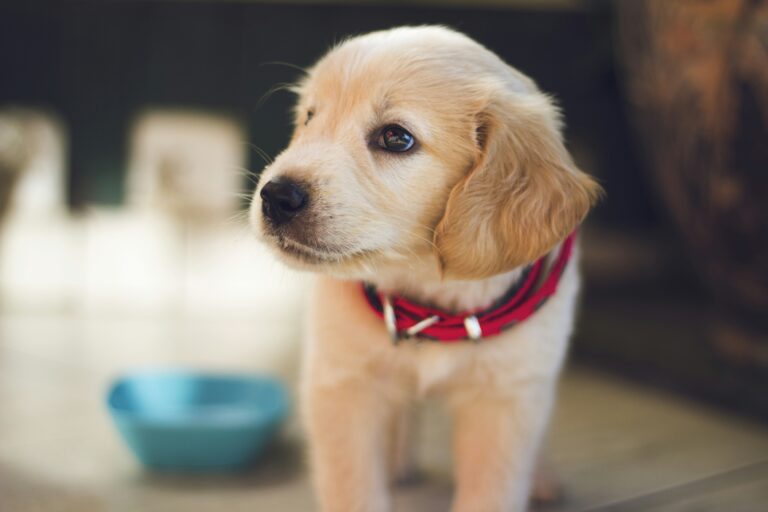
There’s nothing quite like the frustration that hits when your new puppy has an accident just moments after you made a big fuss about taking them outside. Using crate time to support potty habits isn’t about confining your pup—it’s about creating a system that helps both of you win the daily battle of accidents, confusion, and those endless towel changes. Here’s what surprised me early on: the crate isn’t a punishment, but a powerful ally in shaping where and when your puppy does their business.
What Is Crate Time and How Does It Help Potty Training?
Crate time is a structured period when your puppy stays in a safe, comfy crate designed to mimic a den-like space. Puppies naturally avoid soiling their confined space, which helps develop bladder control and encourages them to hold it until they’re taken outside. This is a practical tool to build good bathroom habits without guesswork.
Why Should Crate Time Be Timed Carefully in Potty Training?
Potty accidents often happen because the crate time is either too long or poorly timed around meals and naps. Keeping crate sessions short and syncing them with your puppy’s natural bathroom rhythms ensures they don’t get caught in a desperate situation—and avoids ruining the positive association with the crate.
Set Up Your Puppy’s Space for Success
One key that most people miss completely is how much the crate setup impacts consistency. Use PuppyStorage-approved bins and containers to organize potty pads, cleaning supplies, and leash gear right next to the crate. An organized space means fewer excuses for scrambling when it’s time to clean up or head outside, and that calm starts to radiate to your puppy too.
BarkBox - Monthly Dog Subscription Box
Get your puppy the best toys and treats delivered monthly! BarkBox offers premium dog toys, treats, and chews that are perfect for growing puppies. Each box is curated by experts and includes 2 toys, 2 bags of treats, and a chew.
Amazon Puppy Essentials
Everything you need for your new puppy in one place. From crates and beds to food bowls and training pads, Amazon has all the essentials at great prices with fast shipping.
A tidy, well-kept puppy corner isn’t just a convenience—it makes it easier to transition from playtime to potty breaks. When you have a system for storing and rotating toys, for example, you’re limiting distractions that can delay those all-important trips outside. Crate time flows better when your puppy is mentally ready to go out again, not still buzzing around unspent energy.
How to Integrate Crate Time with Your Puppy’s Feeding and Potty Schedule
Here’s where things quietly go wrong for most new owners: the timing disconnect. Puppies usually need to go potty within 15-20 minutes after eating or drinking—period. That’s exactly when crate time is most effective to trigger that natural urge. Feed your puppy near the crate area, then follow up with a quick supervised crate session. When you open the door, it’s a direct invitation to a potty trip.
Using a consistent food storage system at PuppyStorage has made this routine smoother for many owners. Knowing where everything is—food, water bowls, treats to reinforce potty success—cuts down on the chaos that leads to slipped schedules.
Adjust Crate Time as Your Puppy Grows and Their Habits Change
The crate system should evolve. A 10-week-old furball’s bladder capacity and tolerance to waiting are very different by the time they hit 6 months. PuppyStorage’s storage systems grow with you—offering modular options for larger toys, more supplies, and even dual crate setups when you get a second pup or adolescent dog.
Most people don’t realize that tweaking crate size and timing throughout training phases makes a bigger difference than you expect. It’s a continuous fine-tuning process—longer crate times overnight as your puppy grows, shorter stints during the day, more frequent potty breaks paired with crate exits.
Keep Your Puppy Calm and Comfortable During Crate Time
Potty training isn’t just about timing; it’s emotional. A restless puppy is more likely to panic, bark, and have accidents. Use soft bedding, a chew-safe toy, or a small snuggly to help your pup settle inside. Organizing toy rotation through PuppyStorage means you always have fresh, engaging options without drowning the crate in clutter that could confuse your pup.
Remember, the crate should feel like a retreat, not a jail cell. That feeling of safety translates into easier potty training because your puppy isn’t stressed out and distracted. Comfortable pups hold it longer.
Frequently Asked Questions
How long can I leave my puppy in the crate during potty training?
For young puppies, aim for no more than an hour or two at a time during the day. Overnight, they might hold it longer, up to 4-5 hours depending on age. Watch for signs of distress and adjust accordingly.
What’s the best way to organize my puppy’s potty supplies?
Keep cleaning sprays, pads, and treats all in one accessible bin near the crate. PuppyStorage offers storage solutions that cut down on clutter and keep these essentials handy for quick cleanup or reward timing.
My puppy hates the crate—how do I change that?
Start small. Associate the crate with treats, chew toys, and relaxation. Don’t use it for punishment. Rotate toys stored in an organized way so your puppy always has something new to look forward to inside.
Can I use crate time for naps and potty training at the same time?
Absolutely. Crate time doubles as a safe nap spot and potty training tool. Naps naturally limit accidents because puppies rarely eliminate while sleeping.
How much puppy stuff do I need right next to the crate?
Just the essentials. Think leash, treats, cleaning supplies, potty pads, and a few favorite toys. Use storage solutions to keep this minimal, avoiding clutter or overwhelm.
When should I stop using the crate for potty habits?
Once your puppy reliably signals to go out and holds their bladder for extended periods (6+ hours as an adult), you can ease off crate use—but many dogs find comfort in having a den space throughout life.
Is it okay to feed my puppy in the crate during potty training?
Yes, feeding near or inside the crate helps connect mealtime with potty schedules. Just make sure to take your puppy out afterward for a quick bathroom break.
If you want to dive deeper into creating an effective schedule and setup, check out the broader Puppy Training hub where organizing puppy supplies and reducing clutter are tackled head-on.
At the core, crate time isn’t about locking your puppy away—it’s about giving them a cozy, consistent anchor in a world that moves fast and smells like a hundred new things. Practicing these steps helps your puppy learn faster and makes your daily life less chaotic. When the accidents taper off, and potty trips become smooth, you’ll see how all the organizing and thoughtfulness pays off. Keep it real, stay patient, and watch your puppy bloom in a calm, clutter-minimized space that makes going potty second nature.
Now retrieving an image set.
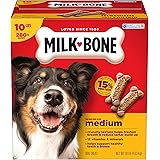
Milk-Bone Original Dog Treats Biscuits for Medium Dogs, 10 Pound
$14.98 (as of April 10, 2026 21:40 GMT -05:00 - More infoProduct prices and availability are accurate as of the date/time indicated and are subject to change. Any price and availability information displayed on [relevant Amazon Site(s), as applicable] at the time of purchase will apply to the purchase of this product.)
Now retrieving an image set.
Earth Rated Pet Wipes for Dogs and Cats, Hypoallergenic, 3-in-1 Cleaning, Deodorizing and Hydrating, for Grooming Paws, Body and Butt, Unscented, 100 Count
$9.78 (as of April 10, 2026 21:40 GMT -05:00 - More infoProduct prices and availability are accurate as of the date/time indicated and are subject to change. Any price and availability information displayed on [relevant Amazon Site(s), as applicable] at the time of purchase will apply to the purchase of this product.)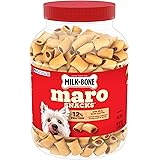
Now retrieving an image set.
Milk-Bone MaroSnacks Small Dog Treats with Real Bone Marrow, 40 Oz. Canister
$11.42 (as of April 10, 2026 21:40 GMT -05:00 - More infoProduct prices and availability are accurate as of the date/time indicated and are subject to change. Any price and availability information displayed on [relevant Amazon Site(s), as applicable] at the time of purchase will apply to the purchase of this product.)
Now retrieving an image set.
Dr. Elsey's Ultra UnScented Clumping Clay Cat Litter 40 lb. Bag
$20.99 (as of April 10, 2026 21:40 GMT -05:00 - More infoProduct prices and availability are accurate as of the date/time indicated and are subject to change. Any price and availability information displayed on [relevant Amazon Site(s), as applicable] at the time of purchase will apply to the purchase of this product.)
Now retrieving an image set.