
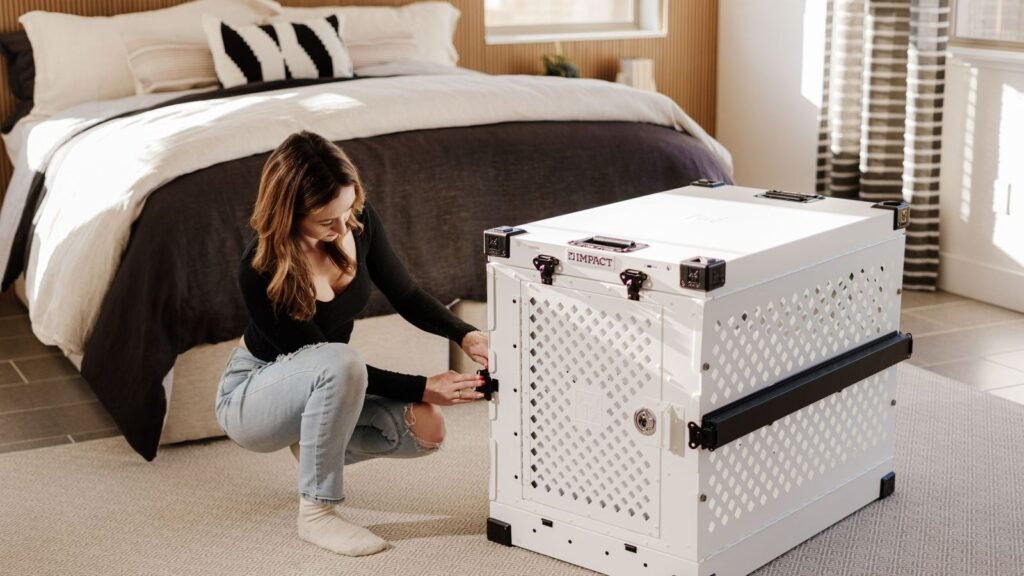
If you are working on puppy crate accessories vs storage options, start with one practical change that improves day-to-day use in your actual space.
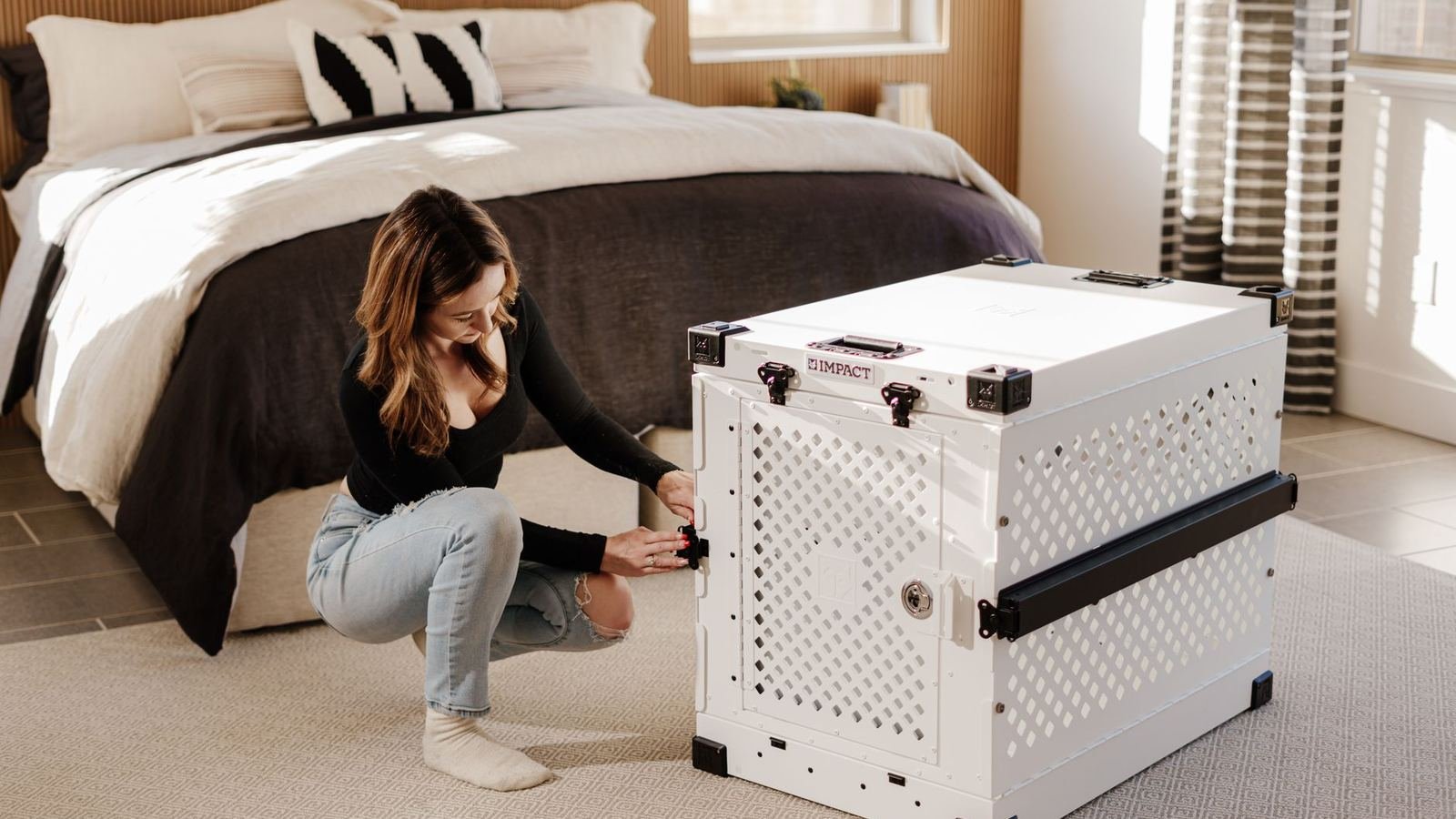
Effectively organizing your puppy’s space is crucial not only for your sanity but also for your pup’s comfort and safety. Crate accessories like dividers, trays, and covers offer a way to maximize the utility of your puppy’s crate, keeping essentials close at hand and within a contained area. For instance, a crate divider can adjust the space as your puppy grows, eliminating the need for multiple crates as they mature. Accessories like these can streamline your setup and minimize the chaos of scattered toys and supplies.
On the other hand, open storage options such as baskets, shelves, and hooks provide flexibility, allowing you to designate specific areas for different types of gear. This approach can make it easier to access items quickly and ensures that everything has its place. Consider using a wall-mounted hook for leashes and harnesses, or a decorative basket for toys, which can not only help declutter but also add to your home’s aesthetic.
As you weigh your options, remember that the best solution often depends on your living space and lifestyle. For smaller homes or apartments, crate accessories might be the more practical choice, keeping everything neatly contained. In larger spaces, open storage can offer more freedom and accessibility. Whether you opt for crate accessories or alternative storage solutions, the goal remains the same: to minimize clutter and create a peaceful environment for you and your puppy to enjoy together.
Exploring Storage Options
When deciding between using puppy crate accessories and alternative storage solutions, it’s essential to consider your living space and lifestyle. Crate accessories like dividers, cushions, and organizers can help maximize space within the crate itself, making it a versatile tool for both containment and organization. Accessories such as crate dividers are particularly useful if you want to adjust the space as your puppy grows, ensuring they feel secure without excess room that might lead to messes.
For those with limited space, integrating storage options outside of the crate might be more suitable. Consider using stackable bins or shelving units to store toys, grooming supplies, and food. This allows for easy access and helps keep your home clutter-free. Vertical storage solutions can be particularly effective in small apartments, where floor space is at a premium.
Begin by assessing the space you have available. If you have a small apartment, look for multi-functional storage that can double as furniture, like an ottoman with storage space for toys and blankets. Avoid over-buying accessories that could clutter your space further. Instead, focus on quality over quantity, ensuring that each item has a specific purpose.
As your puppy grows, their needs will change, so be prepared to adapt your storage solutions. What works for a small puppy might not be suitable for a larger dog. Regularly assess the utility of your current setup and make adjustments as needed. It’s important to maintain flexibility in your organization strategy to accommodate these changes.
Ultimately, the choice between crate accessories and separate storage solutions depends on your available space and personal preference. Some owners find a mix of both offers the best balance, with crate accessories providing immediate organization and external storage keeping less frequently used items tucked away. By considering both options and remaining adaptable, you can create a streamlined, clutter-free environment that works for you and your new puppy.
How to Decide What’s Best for Your Space
Deciding between puppy crate accessories and alternative storage solutions can streamline your home and reduce the clutter that often accompanies a new puppy. Here’s a step-by-step guide to help you make the best choice for your living space.
- Assess Your Available Space: Measure the area where your puppy’s items will be stored. This helps determine whether you have room for a crate with accessories or need alternative storage options. Why: Knowing your space limitations ensures that your chosen method won’t overcrowd your home. Done: You have a clear idea of the dimensions you’re working with. Pitfall: Forgetting to measure could lead to purchasing items that don’t fit.
- Consider Your Puppy’s Needs: Reflect on your puppy’s behavior and routines. For instance, if your puppy is crate-trained, incorporating accessories like dividers and cushions could enhance their comfort. Why: Tailoring storage to your puppy’s habits can improve their well-being and minimize stress. Done: You’ve identified how your puppy interacts with their environment. Pitfall: Ignoring your puppy’s habits may result in choosing impractical solutions.
- Evaluate Access and Convenience: Think about how often you will need to access your puppy’s toys, food, or grooming supplies. Crate accessories can provide easy access if the crate is centrally located, while alternative storage solutions like bins or shelves might be better for less frequently used items. Why: Easy access minimizes daily cleanup stress. Done: You’ve determined the ideal placement for frequently used items. Pitfall: Placing essentials in hard-to-reach spots can lead to frustration.
- Plan for Growth and Change: Puppies grow quickly, and so do their needs. Choose scalable storage options that can adapt as your puppy matures. Why: Flexibility ensures that your storage solutions are long-lasting and cost-effective. Done: Your plan accommodates future changes in your puppy’s size and needs. Pitfall: Short-sighted planning could result in frequent, costly updates.
- Match Storage to Décor: Consider how your storage choice will fit with your home’s aesthetic. Crate accessories often integrate well in more pet-centric spaces, while decorative bins might suit a living room better. Why: Aesthetically pleasing solutions can enhance your living space. Done: Your storage choice complements your home’s style. Pitfall: Ignoring aesthetics can make your space feel cluttered or mismatched.
- Budget Wisely: Compare the costs of crate accessories versus alternative storage options. Sometimes, a combination of both can be the most cost-effective solution. Why: Staying within budget prevents unnecessary financial strain. Done: You’ve selected an option that meets your needs without exceeding your budget. Pitfall: Overspending on unnecessary items can lead to regret.
- Trial and Error: Implement your chosen solution and observe its effectiveness over a week. Adjust as needed based on convenience, accessibility, and your puppy’s response. Why: Real-world testing ensures your solution works in practice, not just in theory. Done: You’ve fine-tuned your approach based on practical use. Pitfall: Making no adjustments can lead to persistent issues.
By following these steps, you’ll be able to choose between puppy crate accessories and alternative storage solutions effectively. This approach will help you create a harmonious living space for both you and your puppy, reducing clutter and stress.
Tips for Keeping Your Puppy Organized
Organizing your puppy’s space can be a daunting task, especially when deciding between using puppy crate accessories and alternative storage options. Here are some common pitfalls new puppy owners face, along with practical advice for avoiding them.
- Overcomplicating the Setup: New owners often purchase too many accessories and storage solutions at once, hoping to cover all bases. This approach can lead to clutter and confusion rather than a streamlined space. Instead, start with the essentials: a crate divider, a comfortable cushion, and a basic storage bin for toys. As your puppy grows and your needs become clearer, you can gradually add more specific items.
- Ignoring Your Space Constraints: It’s easy to overlook the size and layout of your living area when purchasing accessories. A large crate or an excessive number of storage bins can overwhelm a small space. Measure your available area and choose items that fit comfortably, leaving room for your puppy to move around freely. Consider vertical storage solutions to maximize floor space in smaller homes.
- Choosing Style Over Function: While aesthetically pleasing accessories can enhance your home’s look, they might not always be practical. For instance, decorative baskets without lids may be attractive but won’t contain your puppy’s curiosity. Opt for functional items like durable, easy-to-clean bins with secure lids to keep supplies organized and out of reach.
- Neglecting to Rotate Toys: Leaving all your puppy’s toys out at once can lead to a chaotic mess. Instead, keep a small selection of toys accessible and rotate them regularly. This not only helps maintain order but also keeps your puppy engaged with “new” toys, reducing the likelihood of boredom-induced destructive behavior.
- Forgetting Puppy Preferences: Every puppy has unique likes and dislikes, so it’s important to observe how they interact with their space. If your puppy consistently avoids certain accessories or areas, consider re-evaluating their setup. For example, if they shy away from the crate, try adding a soft blanket or adjusting its location for a more inviting atmosphere.
By being mindful of these common pitfalls and making thoughtful choices about crate accessories and storage options, you’ll create a more organized and comfortable environment for both you and your new puppy. Remember, the goal is to find a balance that suits your living space while keeping your puppy’s needs front and center.
Conclusion: Making the Right Choice
This week, try establishing a simple routine to help organize your puppy’s space effectively. Begin by evaluating the current setup and identifying areas where clutter tends to accumulate. Are toys scattered everywhere, or does the crate feel cramped and disordered? Understanding these pain points can guide your decision between utilizing puppy crate accessories and alternative storage solutions.
Consider starting with a mix of both approaches. For instance, try using a crate divider to give your puppy a cozy space while they grow, and a storage bin nearby for toys and grooming supplies. This combination allows easy access while keeping things tidy. Remember, the goal is to create a functional environment that benefits both you and your puppy.
As a specific next step, set aside some time this weekend to test a new organizational approach. Perhaps dedicate Saturday morning to rearranging the living area, incorporating a few crate accessories or storage bins. Observe how this impacts your daily routine over the next few days. Adjust as needed, keeping in mind the importance of accessibility and convenience. Through this process, you’ll find the best way to keep your puppy’s space organized and welcoming.
What you’ll actually use
These are the pieces this setup actually uses. If one does not earn a place in your home, leave it off the list.
- Food Mat: Keep this where puppy crate accessories vs storage options actually happens, and skip it if you already have a version that works.
- Toys And Chews: Keep this where puppy crate accessories vs storage options actually happens, and skip it if you already have a version that works.
- Dog Leash: Keep this where puppy crate accessories vs storage options actually happens, and skip it if you already have a version that works.
- Dog Harness: Keep this where puppy crate accessories vs storage options actually happens, and skip it if you already have a version that works.
FAQ
What should I know about exploring storage options?
When deciding between using puppy crate accessories and alternative storage solutions, it's essential to consider your living space and lifestyle. Crate accessories like dividers, cushions, and organizers can help maximize space within the crate itself, making it a versatile tool for both containment and organization.
How to Decide What's Best for Your Space?
Deciding between puppy crate accessories and alternative storage solutions can streamline your home and reduce the clutter that often accompanies a new puppy. Here's a step-by-step guide to help you make the best choice for your living space.
What should I know about tips for keeping your puppy organized?
Organizing your puppy's space can be a daunting task, especially when deciding between using puppy crate accessories and alternative storage options. Here are some common pitfalls new puppy owners face, along with practical advice for avoiding them.