

When the leash is hanging from a doorknob, toys are under the sofa, and a damp towel has landed beside the puppy shampoo, the drawer storage vs bin storage puppies decision becomes a daily-routine question, not a decorating choice. New puppy supplies arrive in different shapes and get used at different speeds: a harness and waste bags may be needed twice a day, while nail clippers, spare towels, grooming items, and refill packs need a safe home without taking over the room.
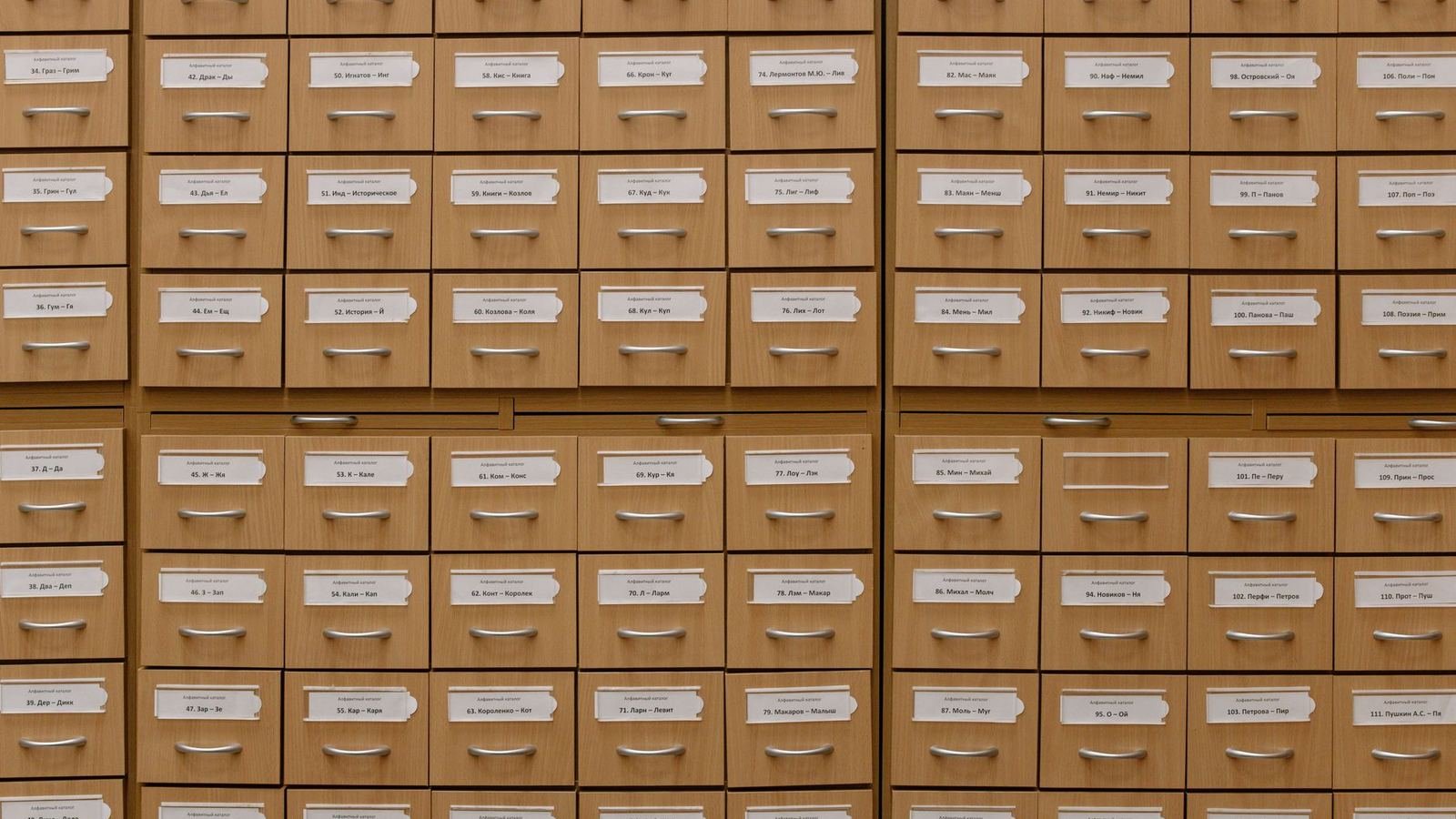
Drawers work best when you need small categories to stay separate and easy to grab without lifting a lid or digging through a pile. A shallow drawer can hold a leash, harness, waste-bag rolls, and a towel for the next walk; a second drawer can keep brushes, wipes, and grooming tools apart from food-related items. Bins are usually more useful for bulky or changing supplies, such as a rotation of toys, folded crate blankets, larger towel stacks, or backup cleanup rolls. They can move from closet to crate area or travel with you more easily, but an overfilled bin can quickly turn into a rummaging spot.
Start with the items you reach for every day. Put them on a sheet of paper or a cleared counter, then divide them into “grab in seconds” and “use occasionally.” For example, if your puppy’s crate sits near the entry, a narrow two- or three-drawer unit beside it could handle walking gear and daily cleanup supplies, while one open-handled bin underneath holds washable towels and another holds toys. That setup keeps the walk-out-the-door items from disappearing beneath a muddy chew toy.
A simple rule: choose drawers when separation and quick retrieval matter more than capacity; choose bins when the items are soft, bulky, portable, or likely to change week to week. A mixed setup is often the most practical answer, especially during the first months when puppy gear seems to multiply.
Keep safety part of the storage decision. Store treats, cleaning products, medications, sharp grooming tools, and small swallowable pieces where your puppy cannot reach them. A stable drawer unit may need to be secured if a puppy can pull at it, and bins placed at floor level should contain only puppy-safe items. Washable bins and wipeable drawer liners can also make routine cleanup simpler, depending on the material and what each container holds.
Choose Drawers for Small, Separate Daily Supplies
For drawer storage vs bin storage puppies, choose drawers when you need to separate several small items that are used every day. Drawers work best for walking gear, grooming tools, poop bags, training treats, spare collars, small toys, and a few clean cloths. The main advantage is simple: each supply has a defined spot, so you can reach for one item without lifting out a pile of unrelated gear.
Start by listing what you grab during a normal day. If you regularly search through a container for a brush, nail clippers, a leash, or the treat pouch, those are drawer items. Assign one category to each drawer and leave a little empty room so the drawer can close easily. A shallow top drawer near the door, crate, or feeding area is especially useful for the items needed during quick potty and walking trips.
- Top drawer: Keep the leash, harness, waste bags, and a small towel together for departures and returns.
- Middle drawer: Separate grooming supplies such as a brush, comb, and pet-safe wipes from walking gear.
- Lower drawer: Use this for backup rolls of waste bags, unopened grooming supplies, or less-used training items.
- Drawer liner: Add a wipeable liner beneath damp-prone items, then remove and clean it when needed instead of scrubbing the entire drawer.
A useful rule is to put items away by task, not by whatever fits. For example, a puppy station beside the crate might have a top drawer for the evening potty trip, a second drawer for brushing and cleanup cloths, and a lower drawer for spare supplies. The puppy’s larger towel and a few active toys can stay elsewhere in a bin, where they are easier to toss in without folding or arranging them.
Avoid using drawers as a catchall for every puppy item. Bulky towels, large chew toys, food bags, and cleanup bottles can jam drawers or make them too heavy to open comfortably. Do not leave drawers accessible if your puppy can pull them open or reach inside. Keep treats, cleaning products, medications, sharp grooming tools, and small swallowable pieces secured well out of reach. The ASPCA notes that chewing can be destructive, so keeping tempting or unsafe household items inaccessible is a practical part of puppy-proofing.
Adjust the setup when a drawer becomes the place where supplies disappear rather than stay separated. If one category outgrows its drawer, move bulky backups to a bin and keep only the current, daily-use amount in the drawer. Choose stable drawers that open smoothly, fit the available floor space, and have easy-to-clean interior surfaces. Drawers are not automatically better than bins; they are the better choice when fast access and clear separation matter more than flexible capacity.
Choose Bins for Bulky Gear and Flexible Storage
For the drawer storage vs bin storage puppies decision, bins are usually the easier choice when the supplies are bulky, unevenly shaped, or likely to move between rooms. A towel does not need its own compartment, and a pile of larger toys can be frustrating to fit into shallow drawers. A bin gives those items one visible home without making you fold, sort, or force them into a precise layout every time.
Bins also suit supplies that change as your puppy grows. A small puppy may have a few plush toys and one towel; within a few months, you may be storing larger chew toys, a raincoat, extra bedding, or a thicker harness. Instead of replacing a drawer unit when the contents no longer fit, you can swap in a larger bin or move the existing bin to a different shelf.
- Open handled tote:
Open handled tote — shop optionsSee on Amazon
Choose a rectangular, open-top plastic tote with cutout handles for everyday toys and a washable blanket or towel. Look for a size that slides under a console table, onto the bottom shelf of a bookcase, or beside the crate without blocking a walkway. An open bin works best when the household can quickly toss toys back after a play session. Keep only a manageable selection in it; oversized piles make it harder to spot damaged toys that need to be removed.
- Lidded utility bin:
Lidded utility bin — shop optionsSee on Amazon
Use a sturdy plastic bin with a secure-fitting lid for backup supplies such as unopened waste-bag rolls, spare paper towels, replacement training pads, or seasonal walking gear. This is a better fit than an open bin for items you do not reach for daily. Store cleaning products, small swallowable items, treats, and grooming tools with sharp edges up high or in a closed cabinet that your puppy cannot access. The ASPCA notes that chewing can become destructive when dogs have access to inappropriate items, so keeping tempting non-toy supplies contained is a practical part of puppy-proofing.
- Low soft-sided fabric cube:
Low soft-sided fabric cube — shop optionsSee on Amazon
Pick a square fabric storage cube with reinforced sides for dry, lightweight items such as clean towels, fleece throws, or a spare crate mat. This shape fits cubby shelves and is easy to lift out on laundry day. Avoid using a soft open cube for food, treats, medication, or anything your puppy may pull apart or swallow. If it gets damp or visibly soiled, empty it and follow its care label before returning clean textiles.
- Narrow vertical caddy:
Narrow vertical caddy — shop optionsSee on Amazon
Use a tall, narrow handled caddy for walking supplies that travel from a closet shelf to the door: a spare leash, poop bags, a collapsible water bowl, and a rain towel. This is useful when one person walks the puppy while another keeps the main entryway clear. Choose a caddy with a flat base and separate sections only if the items routinely get tangled; otherwise, one open compartment is faster to reset.
A practical example: place a medium open tote beside the crate for three or four active toys and a washable towel. Put a lidded bin on a high closet shelf for refill supplies and cleanup products. Then keep a narrow caddy near the exit for the current walking set. This arrangement makes bins do what they do best: hold groups of larger or changing items, while drawers can remain reserved for the small supplies that benefit from separation.
Bins have tradeoffs. Contents can turn into a rummage pile, especially when toys, towels, and grooming items share the same container. Give each bin one job and use a simple front label such as “crate linens,” “toy rotation,” or “walk backups.” Washable bins can simplify routine cleanup, while a wipeable liner can protect a shelf or cubby underneath. For a visibility comparison, see Clear vs Opaque Puppy Storage Containers.
Use a Mixed Setup Without Duplicating Everything
For the drawer storage vs bin storage puppies decision, the most practical answer is often a small mixed system: drawers for the little things you reach for on schedule, and bins for the awkward, bulky things that do not fit neatly anywhere else. You do not need two versions of every supply or a large puppy station to make this work.
Try this routine for one week. Put walking gear, grooming basics, waste bags, and a small towel in assigned drawer sections near the door or crate. Keep toys, a larger towel, spare bedding, and cleanup supplies in one or two bins nearby. The goal is simple: daily items should be easy to return with one hand, while larger items should have enough room that they are not crammed, folded badly, or scattered across the floor.
For example, a crate-side setup might use the top drawer for a leash, harness, brush, and nail clippers; a second drawer for unopened waste-bag rolls and cloths; and one bin beside the crate for washable toys and a rolled-up blanket. A separate, higher bin or closed drawer can hold cleaning products. Keep treats, medications, sharp grooming tools, and small items that could be swallowed securely out of your puppy’s reach. The AKC’s new-puppy preparation guidance also emphasizes puppy-proofing the home, which includes keeping tempting or unsafe household items inaccessible.
- Daily drawer check: After the last walk, return the leash, harness, and used supplies to their drawer rather than leaving them on furniture or hooks that become catch-all spots.
- Bulky-bin limit: Keep only the items that genuinely need open space in the bin. If it takes digging to find a toy or towel, remove extras or split the contents by use.
- Easy-clean surfaces: Choose washable bins for towels or toys that may come back damp, and use wipeable drawer liners where grooming or cleanup items are stored.
This approach solves the real tradeoff: drawers prevent small daily supplies from blending together, while bins prevent towels, toys, and bedding from fighting for drawer space. Start tonight by assigning just one drawer to walking supplies and one bin to bulky crate-side gear; use that setup for seven days before adding anything else.
What you’ll actually use
These are the pieces this setup actually uses. If one does not earn a place in your home, leave it off the list.
- Chew Toys: Keep this where drawer storage vs bin storage puppies actually happens, and skip it if you already have a version that works.
- Food Mat: Keep this where drawer storage vs bin storage puppies actually happens, and skip it if you already have a version that works.
- Travel Water Bowl: Keep this where drawer storage vs bin storage puppies actually happens, and skip it if you already have a version that works.
FAQ
What should I know about choose drawers for small, separate daily supplies?
For drawer storage vs bin storage puppies , choose drawers when you need to separate several small items that are used every day. Drawers work best for walking gear, grooming tools, poop bags, training treats, spare collars, small toys, and a few clean cloths.
What should I know about choose bins for bulky gear and flexible storage?
For the drawer storage vs bin storage puppies decision, bins are usually the easier choice when the supplies are bulky, unevenly shaped, or likely to move between rooms. A towel does not need its own compartment, and a pile of larger toys can be frustrating to fit into shallow drawers.
What should I know about use a mixed setup without duplicating everything?
For the drawer storage vs bin storage puppies decision, the most practical answer is often a small mixed system: drawers for the little things you reach for on schedule, and bins for the awkward, bulky things that do not fit neatly anywhere else. You do not need two versions of every supply or a large puppy station to make this work.