
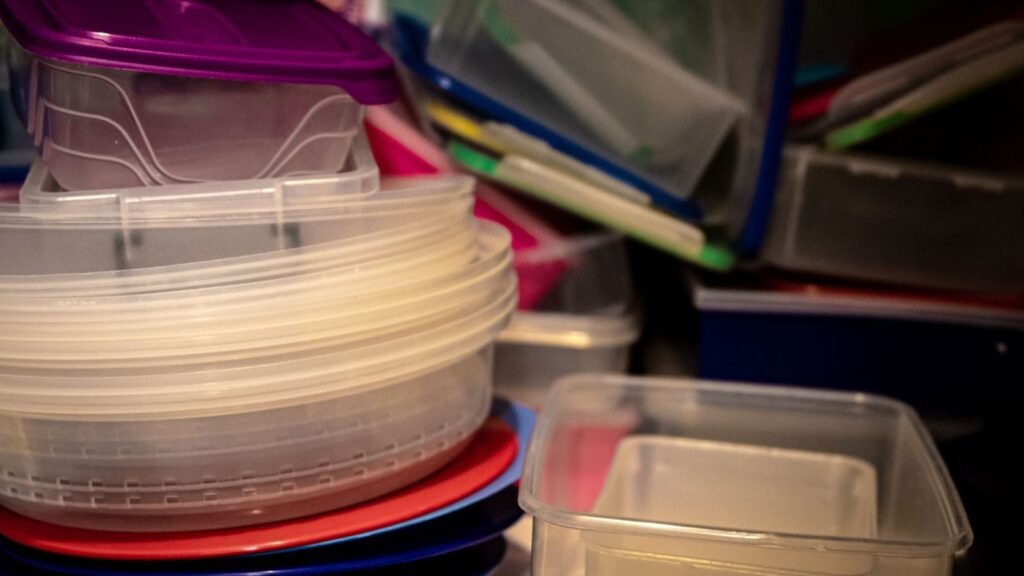
When the puppy food scoop, treat pouch, brush, toy basket, and paper-towel refill all compete for one kitchen shelf, the choice between clear vs opaque puppy storage containers can feel bigger than it should. Clear containers make it easy to spot the nearly empty treat bag or grab the grooming wipes before a quick walk. Opaque bins can make the same shelf look quieter, especially when bright toy packaging and mixed cleanup supplies would otherwise turn a small apartment into a row of visual distractions.
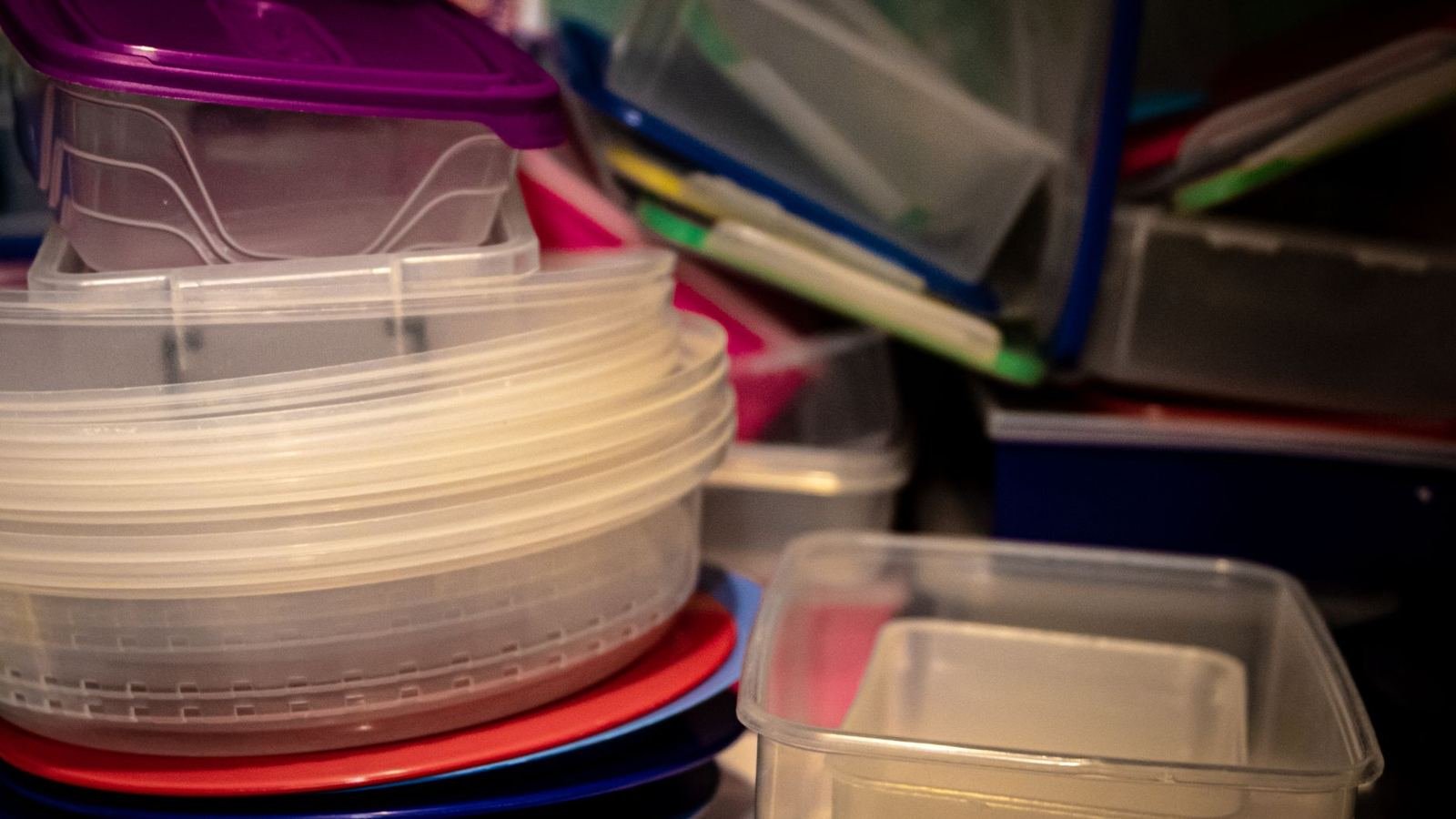
The useful choice is rarely all clear or all opaque. It depends on what you reach for, where the container sits, and whether seeing the contents prevents a daily hassle. A clear bin is often practical for frequently used toys, grooming tools, and sealed treat packets because a quick glance can replace rummaging. An opaque bin is often a better fit for backup supplies, spare towels, extra poop-bag rolls, and other items that do not need to be visible every day.
For a simple starting point, picture a puppy station with one open daily-access shelf and one closed closet shelf. Put one clear, easy-to-wipe bin on the open shelf for the brush, comb, wipes, and a few small everyday items. Use an opaque, labeled bin in the closet for refill rolls, unopened toy packs, and spare cleaning cloths. For dry food and treats, follow the packaging instructions and keep them clean, dry, and securely closed; color alone does not determine how well food is stored.
One immediate rule can make the decision easier: if you need to identify an item while holding a leash, a puppy, or a full bowl, choose clear or add a large, plain label. If the contents are irregular, colorful, or rarely used, choose opaque and label the front with the category and a short count cue, such as “Cleanup refills—2 rolls left.” That keeps daily routines quick without requiring every puppy supply to stay on display.
Choose Clear Bins for Supplies You Need to See
For the clear vs opaque puppy storage containers decision, start with clear bins for supplies you reach for every day or tend to forget you have. Seeing the contents at a glance can make a busy puppy routine smoother: you can spot the last few waste-bag rolls, notice when the training treats are low, and grab the brush without opening three containers.
Use clear containers on an open shelf, inside a cabinet with a deep back corner, or at a crate-side station where a quick visual check prevents searching. They are especially useful for small, mixed items that can disappear into an opaque bin, such as grooming tools, toy refills, poop bags, lint rollers, and clean washcloths. A clear container is less helpful when its contents are messy enough to make the room feel more chaotic.
- Daily treat bin: Keep one clearly labeled container for the treats used during walks, potty trips, or short training sessions. Follow the treat package directions and keep the container clean, dry, and securely closed.
- Grab-and-go cleanup bin: Use a clear bin for paper towels, waste bags, a spare leash, and washable cloths when these items live near the door. Avoid storing cleaning products in this accessible bin; keep potentially hazardous supplies closed and out of your puppy’s reach.
- Grooming bin: A transparent bin works well for a brush, comb, nail-trimming supplies, and puppy wipes because you can immediately see whether an item has been put back.
- Small toy rotation bin: Put only the current few toys in a clear bin. This keeps selection simple without turning the bin into a jumble of every toy your puppy owns.
Do this first: choose one daily-access area and assign clear bins only to the items used there several times each week. Add a short label even when the contents are visible; labels help anyone in the household return items to the right place. Avoid buying matching clear bins for every category before you know which supplies truly need fast access. A wall of transparent containers can make food bags, colorful toys, and odd-shaped gear look busier than the supplies themselves.
For example, in a small apartment with one open kitchen shelf and one closed closet shelf, place a clear treat bin and grooming bin on the open shelf. Keep the puppy’s dry food in its original packaging when possible, following the package instructions, and place that bag inside a clean, dry, securely closed container if you need added organization. If the open shelf starts to look crowded or you find yourself avoiding it because it feels visually noisy, move backup toys, extra towels, and refill supplies to opaque containers in the closet. Adjust based on the routine: clear for “use it now,” opaque for “I know it is there, but I do not need to see it every day.”
Food, Treats, Toys, and Cleaning Gear: What Works Best
For the clear vs opaque puppy storage containers decision, the most useful approach is to match visibility to the job. Clear containers reduce the “Where did I put that?” problem for daily supplies. Opaque containers make a busy shelf, open closet, or kitchen corner look calmer and work well when a label can do the finding for you. Neither type is automatically better for every puppy item.
- Dry food container:
Dry food container — shop optionsSee on Amazon
Use a clear, straight-sided food-storage container with a secure lid if you measure food every day and want to notice when the supply is low. Choose one with a wide enough opening for the scoop and a flat top if it will sit below another bin. If the food lives in an open kitchen area and you prefer less visual clutter, an opaque container is equally practical when it has a large, clear label with the food name and feeding scoop. In either case, follow the food packaging and keep the container clean, dry, and securely closed.
- Treat drawer bin:
Treat drawer bin — shop optionsSee on Amazon
Choose a small clear lidded bin for training treats, chew treats, and treat refills that are used often. A shallow, rectangular bin—rather than a deep tub—makes it easier to see each bag before it gets lost underneath another one. If several treat bags make the shelf look crowded, place the clear treat bin inside an opaque handled basket and label the outside “TRAINING TREATS.” This gives you a quick visual check when the basket is open without displaying every package.
- Daily toy basket:
Daily toy basket — shop optionsSee on Amazon
Pick an open opaque fabric cube or low-sided plastic basket for the toys that stay in the living room. Opaque sides hide the mismatched colors and shapes that can make a small apartment feel untidy, while the open top keeps toys easy to return after play. A basket about knee-high or lower is easier to sort through than a tall, narrow hamper. Reserve a clear, lidded under-bed bin for backup toys, puzzle toys, or seasonal outdoor toys that do not need to be out every day.
- Grooming caddy:
Grooming caddy — shop optionsSee on Amazon
Use a clear, handled caddy with divided compartments for a brush, comb, nail-file supplies, wipes, and a small towel. Seeing the tools together helps prevent duplicate purchases and makes a quick grooming session less of a search. If the caddy sits on an open bathroom shelf, an opaque caddy with a simple “GROOMING” label may suit the room better; choose one with a removable tray or wide opening so loose items do not disappear at the bottom.
- Cleanup supply tote:
Cleanup supply tote — shop optionsSee on Amazon
Choose an opaque, lidded tote with a latch for paper towels, spare poop bags, washable cloths, and unopened cleanup refills. Keep household cleaning products and any medications in a securely closed location the puppy cannot reach, rather than in an open floor-level bin. The AKC’s new puppy preparation guidance includes puppy-proofing as part of preparing the home. A high closet shelf or latched cabinet is a better location than the crate-side area.
Assume a small apartment has one open daily-access shelf near the door and one closed closet shelf. On the open shelf, use a clear food container, a clear shallow treat bin, and an opaque toy basket. You can check food and treats at a glance, while the toy basket keeps the busiest-looking category contained. On the closet shelf, use opaque labeled bins for extra toy rotation, unopened treat bags, grooming backups, and cleanup refills. This setup keeps daily routines fast without turning the visible shelf into a wall of contents.
If labels are easy to read from where you stand, opaque bins do not have to become mystery boxes. Use broad labels such as “WALK,” “GROOMING,” and “BACKUP TOYS,” then add a smaller note only when needed, such as “rain jacket + long leash.”
A Simple Labeling System for Either Choice
For the clear vs opaque puppy storage containers decision, the most useful setup is usually a mix: use clear containers where a quick visual check prevents daily searching, and use opaque containers where a calmer-looking room matters more than seeing every item. A label makes either choice work better, especially once puppy supplies start moving between the kitchen, entryway, bathroom, and closet.
Try this routine during the week: stand at the spot where you normally prepare meals, grab the leash, or clean up a mess. Put only the supplies used in that moment within easy reach. If you need to identify the contents quickly, choose clear. If the items are backup supplies or make an open shelf look busy, choose opaque. Then add a short label to the front, not the lid, so it remains readable when containers are stacked.
- Daily food tools: Label the container “Scoop + Feeding Mat” if those items live together. Keep dry food in its original packaging when possible, inside a clean, dry, securely closed container, and follow the food package directions.
- Walk supplies: Use “Leash + Bags” for the bin or basket nearest the door. A clear container helps when another household member needs to find the backup roll quickly.
- Bath and brush supplies: Use “Grooming” rather than listing every item. An opaque bin can keep a bathroom shelf or linen closet from looking crowded.
- Cleanup backstock: Mark an opaque container “Paper Towels + Pads.” Keep cleaning products and anything unsafe to chew in a closed cabinet or otherwise inaccessible area; puppies can investigate and chew household items left within reach.
For a small apartment puppy station, one clear bin on the daily-access shelf might hold the leash, bag rolls, and a towel, while two matching opaque bins on a higher closet shelf hold extra toys and spare cleanup supplies. The tradeoff is simple: the clear bin saves a few seconds during rushed routines, while the opaque bins reduce visual clutter when you are not using those items.
If your current puppy area feels like a pile of food items, toys, brushes, and cleanup gear, do not replace every container. Pick one shelf or cabinet today, assign each container one job, and tape a readable label to its front before the next walk or feeding time.
FAQ
What should I know about choose clear bins for supplies you need to see?
For the clear vs opaque puppy storage containers decision, start with clear bins for supplies you reach for every day or tend to forget you have. Seeing the contents at a glance can make a busy puppy routine smoother: you can spot the last few waste-bag rolls, notice when the training treats are low, and grab the brush without opening three containers.
Food, Treats, Toys, and Cleaning Gear: What Works Best?
For the clear vs opaque puppy storage containers decision, the most useful approach is to match visibility to the job. Clear containers reduce the “Where did I put that?” problem for daily supplies.
What should I know about a simple labeling system for either choice?
For the clear vs opaque puppy storage containers decision, the most useful setup is usually a mix: use clear containers where a quick visual check prevents daily searching, and use opaque containers where a calmer-looking room matters more than seeing every item. A label makes either choice work better, especially once puppy supplies start moving between the kitchen, entryway, bathroom, and closet.